












































































Article Contents:
- Cultural codes and archetypes in decoration
- Psychology of perception of decorative elements
- Social status and decorative finishing
- Materials science of the future: revolution in decoration production
- Polymer alchemy: from molecule to masterpiece
- Nanotechnologies in decorative finishing
- Ecological innovations and biomaterials
- Stylistic directions: from classicism to futurism
- Neoclassicism: return to origins
- Technological processes: from concept to realization
- Art Deco: geometry of luxury
- Minimalism: beauty of simplicity
- Design engineering: the art of foresight
- Production cycle: precision and quality
- Logistics and packaging: preserving perfection
- Installation technologies: craftsmanship of realization
- Preparatory works: foundation of quality
- Fastening systems: reliability for decades
- Final finishing: perfection in details
- Color solutions and decorative finishing
- Psychology of color in interior decoration
- Modern painting technologies
- Modern painting technologies
- Artistic techniques of decoration
- Operational characteristics: reliability for decades
- Climate resistance and durability
- Mechanical strength and impact resistance
- Chemical resistance and ease of maintenance
- Economic justification: investments in beauty
- Initial costs and alternatives
- Operating costs and maintenance
- Impact on property value
- Conclusion: choosing masters and connoisseurs of perfection
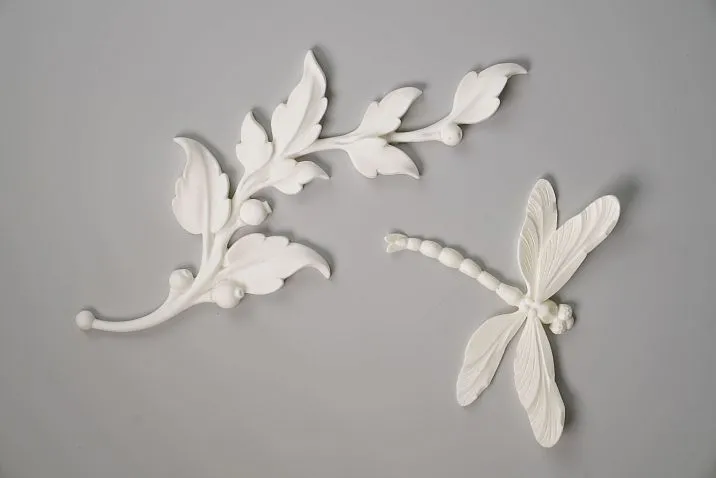
How often, entering a room, do we feel its special energy? What makes us stop, admire the beauty of the space, and want to stay longer? The secret lies in the details—the refined elements that transform an ordinary interior into a work of art. Moldings decoration has become a magical key that opens doors to a world of boundless creative possibilities, where every detail tells its unique story.
Imagine a symphony where each note is essential to creating the overall harmony. Similarly, decorative moldings create a multi-layered composition of space, where cornices set the rhythm, rosettes become accent points, and moldings establish the architectural logic of the entire interior.
In an era when technology transforms the world at dizzying speed, we paradoxically turn to classical forms and traditional materials. But this is not nostalgia for the past—it is a quest to find a balance between innovative possibilities and timeless principles of beauty.




Philosophy of Space: How Decoration Shapes the Character of an Interior




Psychology of Perception of Decorative Elements
What happens in our consciousness when our gaze glides along the elegant lines of a molded cornice or pauses on a complex floral ornament? Modern neuroscience provides astonishing answers. Certain proportions and forms activate pleasure centers in our brain, creating a sense of harmony at a subconscious level.
The rhythm of repeating elements affects our perception of time, creating a sense of calm and stability. Classical proportions of the golden ratio, embedded in many decorative elements, are genetically perceived by humans as ideal.
Texture play of light and shadow on a relief surface moldings decoration Creates a dynamic picture that animates static space. This interplay changes throughout the day, creating various emotional states—from morning freshness to evening coziness.
Our factory also produces:



Cultural Codes and Archetypes in Decoration
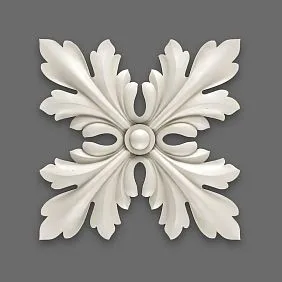
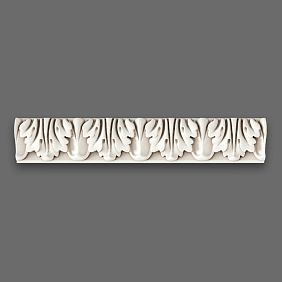
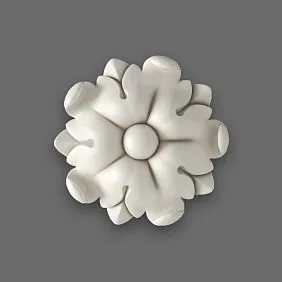
Each element of molded decoration carries multi-century cultural memory. Acanthus leaves symbolize eternal life and renewal, rosettes embody the idea of perfection and divine harmony, geometric ornaments reflect humanity’s striving for order and systematic organization of the surrounding world.
Classical motifs of antiquity continue to stir our hearts not by chance—they are archetypal images embedded in the collective unconscious of humanity. Corinthian capitals, Doric friezes, Ionic volutes—all these are symbols of high culture and spiritual development.
Modern reinterpretation of classical forms allows preserving cultural continuity, adapting ancient symbols to the needs of modern people. We do not copy the past, but creatively reinterpret it, creating a new aesthetic reality.
Get Consultation
Social Status and Decorative Finishing
Historically, decorative moldings were a symbol of high social status and material prosperity. Only wealthy individuals could afford to invite skilled artisans to create unique interiors. This tradition established enduring associations between quality decoration and success.
Modern technologies have democratized access to beauty, but the psychological impact of decorative elements remains unchanged. A well-decorated space continues to be perceived as a sign of good taste and financial well-being.
Investing in interior decorative finishing is an investment in one’s own image and self-esteem. A beautiful space boosts self-confidence and creates a positive impression on those around you.
Materials Science of the Future: Revolution in Decorative Production
Polymer Alchemy: From Molecule to Masterpiece
Creating modern decorative materials is true alchemy of the 21st century, where chemists transform simple monomers into complex polymer structures with specified properties. Polyurethane as a base for molded decoration is the result of precise molecular architecture calculations.
The three-dimensional mesh structure of the polymer ensures a unique combination of strength and elasticity. The material can withstand significant loads while retaining its ability to undergo elastic deformation without structural damage.
Modifying properties at the molecular level allows creating materials with specified characteristics. Adding various functional groups to the polymer chain ensures resistance to ultraviolet radiation, moisture, temperature fluctuations, and mechanical stress.
Nanotechnology in Decorative Finishing
Introducing nanoparticles into the polymer matrix opens fundamentally new possibilities. Nanoclay enhances the barrier properties of the material, making it practically impermeable to moisture. Nanosilver imparts antibacterial properties, which is especially important in medical and pediatric facilities.
Photocatalytic additives based on titanium dioxide provide self-cleaning surfaces under light exposure. Such Moldings decoration remains clean significantly longer, reducing maintenance costs.
Thermochromic pigments allow creating surfaces that change color depending on temperature. This opens new possibilities for creating dynamic interiors that respond to changes in the surrounding environment.
Ecological Innovations and Biomaterials
Growing attention to ecological issues stimulates the development of biodegradable polymers based on renewable resources. Polylactic acid, obtained from corn starch, is already used to create temporary decorative elements.
Bio-composites with natural fillers combine ecological safety with high performance characteristics. Wood flour, linen fibers, ground nut shells—all of these can serve as fillers for the polymer matrix.
Closed production cycles minimize waste and energy consumption. Used items are recycled into raw materials for producing new materials, creating a circular economy.
Stylistic directions: from classicism to futurism
Neoclassicism: return to origins
Modern neoclassicism does not copy ancient models but creatively reinterprets them in accordance with the needs of the 21st century. Simplification of forms, enlargement of details, adaptation of proportions to modern room volumes — all these are characteristic features of a new reading of classicism.
Color solutions for neoclassical interiors tend toward monochromaticity and noble restraint. White, cream, light gray — these colors emphasize the purity of lines and perfection of proportions of decorative elements.
Modern technologies allow creating classical forms with previously unattainable precision. Each detail is reproduced with mathematical accuracy, yet retains the liveliness and expressiveness of handcrafted work.
Art Deco: geometry of luxury
The art deco style, with its love for geometric forms and luxurious materials, finds new embodiment in modern stucco decorationZigzag ornaments, stylized sun rays, strict geometric compositions create an atmosphere of dynamic elegance.
Metallic finishes — gold, silver, bronze — transform ordinary decorative elements into precious interior ornaments. Modern galvanoplasty technologies allow creating finishes indistinguishable from real metals.
Contrasting color and texture combinations are characteristic of art deco. Black and gold, white and silver, glossy and matte surfaces create dramatic effects, turning the interior into a theatrical stage.
Minimalism: the beauty of simplicity
Paradoxically, but minimalism does not exclude the use of decorative elements — it requires their special quality and expressiveness. Each detail must be functionally justified and aesthetically perfect.
Lack of ornamental detail, clear geometric forms, absence of excessive detailing — these are the principles of minimalist decoration. Simplicity of form is compensated by perfection of execution and nobility of material.
Monochromatic solutions enhance the impact of form. White decor on a white background creates subtle chiaroscuro effects, emphasizing the geometry of elements without drawing attention to color.
Technological processes: from concept to realization
Design: the art of foresight
Creating a successful project using stucco decoration begins with a deep analysis of the architectural features of the space. Ceiling height, area, proportions, lighting — all these factors influence the choice of type and size of decorative elements.
Computer modeling allows seeing the result even before the start of the manufacturing process. Three-dimensional models of rooms with various decorative options help choose the optimal solution.
Parametric design automates the adaptation of standard elements to specific room dimensions. The system automatically calculates necessary changes in proportions to achieve the best visual effect.
Production cycle: precision and quality
Modern production of decorative elements combines automated processes with manual finishing of details. Robotized dosing systems ensure precise mixing of components, while experienced craftsmen control the quality of each item.
Climate conditions in production facilities are maintained with high precision. Temperature, humidity, air purity — all these parameters affect the quality of polymerization and final surface finishing.
Multi-stage quality control eliminates defective items reaching the consumer. Each element undergoes visual inspection, dimensional control, and functional testing.
Logistics and packaging: preserving perfection
Transportation of decorative elements requires special packaging protecting fragile details from damage. Modern packaging materials provide shock absorption and protection against moisture.
Each element's marking contains all necessary information for installation: project number, orientation, type of fastening. This eliminates errors during assembly of complex compositions.
Warehouse logistics is optimized to minimize order fulfillment time. Automated warehouse management systems ensure fast and accurate product dispatch.
Installation technologies: the art of realization
Preparatory work: the foundation of quality
The quality of installing decorative elements is 80% determined by the quality of preparatory work. Surfaces must be perfectly level, cleaned of dust and contaminants, and degreased with special agents.
Marking is performed using laser levels and high-precision measuring tools. Each line, each mounting point is verified multiple times, since correcting errors after installation is extremely difficult.
Installation climate conditions are also important. Temperature and air humidity affect the properties of adhesive compositions and their curing time. Adhering to technological requirements ensures the longevity of connections.
Fastening systems: reliability for decades
The choice of fastening type depends on the base material, weight of the element, and operating conditions. Adhesive fastening using special adhesives ensures even load distribution and eliminates stress concentration.
Mechanical fastening with screws or anchors is used for heavy elements or in cases requiring higher reliability. Fastening holes are concealed with special plugs or putty.
Combined fastening systems combine the advantages of different methods. Adhesives provide a sealed connection, while mechanical elements bear the main loads.
Finishing: perfection in details
Sealing joints between elements requires high skill. Special sealants and putties, matched to the color and texture of the material, are used. The goal is to create a visually monolithic surface.
Surface sanding and polishing prepare it for the final coating. The quality of preparation determines the final appearance of the item. Any surface defects will be emphasized after painting.
Priming ensures better paint adhesion and uniform coating. Special primers for polymer materials create an optimal base for various types of finish coatings.
Color solutions and decorative finishing
Psychology of color in interior decoration
The color of decorative elements has a strong psychological effect on the perception of space. Warm tones create a sense of coziness and comfort, while cool tones convey solemnity and formality. Understanding color psychology allows creating interiors with a desired emotional impact.
Contrasting solutions attract attention and create dynamic accents in interiors. Dark elements on a light background appear graphic and modern, while light elements on a dark background create a sense of luxury and elegance.
Tonal solutions, when Moldings decoration painted in a color close to the main wall tone, create subtle light-and-shadow effects. This approach is suitable for interiors where overall harmony is more important than bold accents.
Modern painting technologies
Powder coatings create exceptionally durable and long-lasting finishes. Electrostatic application ensures uniform layer thickness, and polymerization at high temperatures forms coatings with unique properties.
Water-based liquid paints are environmentally safe and easy to apply. Modern formulations offer excellent coverage, dry quickly, and have no unpleasant odor. A wide color range allows implementing any design concepts.
Decorative coatings with various effects expand design possibilities. Metallic, pearlescent, chameleon, and crackle effects transform ordinary elements into works of decorative art.
Artistic decoration techniques
Patina creates an effect of noble antiquity, adding historical authenticity to elements. Various patina application techniques allow mimicking natural aging processes of materials.
Painting on polymer surfaces opens up boundless opportunities for artistic creation. Acrylic paints adhere firmly to polyurethane, enabling the creation of long-lasting artworks.
Stencil techniques ensure precise reproduction of repeating ornaments. Modern stencils are made using laser cutting, guaranteeing line clarity and tool longevity.
Operational characteristics: reliability for decades
Climate Resistance and Durability
Polymer materials demonstrate exceptional resistance to climatic influences. Operating temperature range from -40°C to +80°C allows using decorative elements both in heated rooms and on unheated structures.
Resistance to ultraviolet radiation prevents fading and material degradation. Special stabilizers in the polymer composition neutralize the destructive effects of sunlight.
The material's frost resistance is confirmed by 200 freeze-thaw cycles. This guarantees the longevity of elements even in sharply continental climates.
Mechanical strength and impact resistance
High impact resistance of the polymer protects decorative elements from accidental damage. The material absorbs impact energy, deforms elastically, and returns to its original shape.
Bending strength allows creating long elements without intermediate supports. This is especially important for cornices and moldings, which must maintain geometry over large spans.
Fatigue strength ensures longevity under cyclic loads. Vibrations from traffic, wind loads, and temperature-induced building deformations do not affect the integrity of decorative elements.
Chemical resistance and ease of maintenance
Inertness to most chemicals allows the use of ordinary household cleaning agents. Elements do not absorb dirt and are easily cleaned with a damp cloth.
The anti-static properties of the material prevent dust accumulation on the surface. This is especially important for ceiling elements, which are difficult to access for cleaning.
Resistance to biological damage prevents the development of mold, fungi, and bacteria even under high humidity conditions. The material is not a nutrient medium for microorganisms.
Economic justification: investment in beauty
Initial costs and alternatives
Comparing the cost of various materials for decorative finishes shows the competitive advantages of polymer solutions. At comparable levels of detail, polyurethane elements cost 2-3 times less than gypsum equivalents.
Natural materials – wood, stone – significantly exceed polymers in initial cost. However, they require special care, which creates additional operational expenses.
Installation costs for polymer elements are lower due to their lightweight nature and technological efficiency. No reinforcement of load-bearing structures is required, simplifying transportation and lifting to height.
Operating expenses and maintenance
Minimal maintenance requirements make decorative molding economically advantageous in the long term. The material does not require periodic impregnation, painting, or other types of preventive maintenance.
The ability to repair damaged elements without full replacement reduces operational costs. Most damage can be addressed locally with minimal expenses.
Long service life – 25-30 years – makes initial investments economically justified. Over this period, alternative materials may require multiple replacements or major repairs.
Impact on property value
Quality decorative finishes increase property market value by 15-25%. This is especially relevant for the premium segment, where attention to detail is critically important for pricing.
The rental attractiveness of spaces with unique design is significantly higher. Tenants are willing to pay a premium for a distinctive space, increasing the return on commercial real estate.
Properties with quality finishes have higher liquidity. Such properties find buyers faster and sell at higher prices, which is important for investment projects.
Conclusion: Choosing Masters and Connoisseurs of Excellence
In a rapidly changing world, where new technologies emerge every day, the human need for beauty remains an unchanging constant. Decorative molding has become the bridge connecting centuries-old craftsmanship traditions with the possibilities of modern industry.
Each project using decorative molding is not just interior decoration, but the creation of a unique space reflecting the owner's individuality. There is no room for chance – every detail is thoughtfully designed and executed with maximum attention to quality.
Investing in quality decor is investing in the future. Beauty is not subject to inflation, does not become outdated morally, and brings daily dividends in the form of aesthetic pleasure and psychological comfort.
Choosing modern technologies and materials is a choice made by people who value quality of life and understand the importance of the environment for personal well-being. This is a decision made by those ready to invest in long-term prospects.
In the era of mass production, items made with soul and professional craftsmanship acquire special value. Each decorative element is created with an understanding of its role in the overall composition of the space.
STAVROS embodies the best traditions of Russian craftsmanship, enriched by modern technologies and innovative materials. Over the years of operating in the decorative materials market, STAVROS has proven itself as a reliable partner for architects, designers, and private clients. STAVROS products are a quality guarantee, confirmed by thousands of successfully implemented projects, ranging from modest apartments to luxurious mansions and public buildings. Choosing STAVROS means choosing not just materials, but a philosophy of quality and beauty that transforms ordinary space into a work of art. The STAVROS team of professionals is ready to bring the most daring design ideas to life, ensuring flawless execution and long-lasting results.


