Article Contents:
- 1. What is a wooden plank and why is it so popular
- 1.1. Main advantages
- 2.1. Coniferous (pine, spruce)
- 2.2. Larch
- 2.3. Broadleaf species (birch, beech, oak)
- 2.4. Oak and other premium
- 3.1. Cross-section and length
- 3.2. Grade
- 3.3. Type of treatment
- 4.1. Interior finishing
- 4.2. Exterior finishing and construction
- 4.3. Furniture and interior items
- 4.4. Small DIY projects
- 7.1. Surface Preparation
- 7.2. Marking and cutting
- 7.3. Fastening
- 7.4. Gaps
- Example 1. Planks for a plank ceiling
- Example 2. Decorative partition in a studio
- Example 3. Facade cladding with plank cladding
- Example 4. Shelving or shelves in Scandinavian style
- 13. Conclusion and recommendations

Wooden planks are a universal material used in construction, finishing, furniture making, and decorative interior elements. Their popularity across different fields is due to the combination of affordable price and high functionality. If you decided tobuy wooden plank price which may vary depending on the type of wood, dimensions, and treatment, this article will help you better understand why solid wood planks are so popular, and what to pay attention to when choosing.






1. What is a wooden plank and why is it so popular
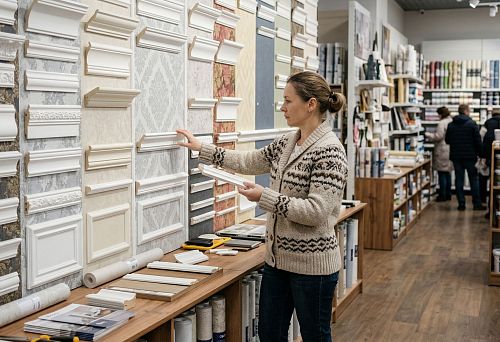
A wooden plank is a relatively narrow and long board made of solid wood, which can have various cross-sections (rectangular or square). It is obtained by longitudinal sawing of logs or boards. Due to its light weight, ease of installation, and natural appearance, the plank is suitable for many projects — from construction and renovation to creating decorative panels and furniture.
Our factory also produces:


1.1. Main advantages
- Versatility of use. The plank is ideal for both interior and exterior applications, suitable for building walls, partitions, cladding, creating plank ceilings, shelves, partitions, etc.
- Ecological safety. Natural wood does not emit toxic substances (provided it is properly dried and treated), ensuring a healthy microclimate in the room.
- Ease of installation. A basic set of tools (ruler, saw, drill, level) is sufficient to cut the plank to the required size and secure it.
- Aesthetics and warmth. Natural wood gives interiors or exteriors a unique atmosphere of coziness and harmony with nature.
- Wide selection. On the market, there are planks of different species (coniferous, deciduous), grades, sizes, and may also differ by type of processing (sawn, planed, profiled).
2. Wood species and their impact on price
First, what determines how much a plank will cost is the type of wood. Each has its own characteristics:
Get Consultation
2.1. Coniferous (pine, spruce)
● Characteristics: pleasant light color, distinctive pine aroma, ease of processing.
● Pros: more affordable cost, versatility.
● Cons: relatively soft texture, may require additional moisture protection.
2.2. Larch
● Characteristics: high resin content, making the material resistant to moisture and decay.
● Pros: durability, suitability for use in humid conditions (bathrooms, saunas, facades).
● Cons: higher cost compared to pine or spruce.
2.3. Deciduous species (birch, beech, oak)
● Characteristics: usually harder and denser, with interesting grain and wide range of shades.
● Pros: strength, resistance to mechanical damage.
● Cons: more expensive than coniferous options, require more careful drying and processing.
2.4. Oak and other premium species
● Characteristics: oak is renowned for its incredible strength, striking grain, and noble color.
● Pros: premium material, lasts for decades without significant quality loss.
● Cons: high price, harder to find budget-friendly options.
Thus, if you needbuy wooden plank price it depends on the chosen species. Pine, spruce, and birch planks are traditionally cheaper than those made from larch, beech, oak, or exotic species.
3. Size, grade, and processing: how cost is formed
3.1. Cross-section and length
● The larger the size (e.g., 20×40, 30×50 mm and above), the more wood is consumed, which affects the price.
● Length also affects: if you need long planks (3–4 m and above), the material will cost more, as it is harder to find logs of the required length without defects.
3.2. Grade
● Extra A: minimum knots, even grain, no cracks or resin pockets. High-quality plank, but at a higher price.
● B, C: allow for healthy knots and minor defects, which reduces the product cost, but aesthetics may suffer (however, such an option is suitable for hidden structures).
3.3. Type of processing
- Unprocessed (sawn): rough surface, may require sanding or planing before installation. Usually cheaper.
- Planed: smooth surface, no large splinters, ready-to-use.
- Profiled (with chamfers, grooves, locking elements): higher production complexity.
- Additional coatings (antiseptics, fire-retardants, paints): increase the final cost but ease future maintenance.
4. Where is wooden lath used: overview of popular fields
4.1. Interior finishing
● Wall and ceiling cladding: lath structures bring warmth and natural aesthetics into living spaces.
● Partitions and screens: lightweight lath structures are often used for zoning in studios and offices.
● Decorative panels: geometric patterns and complex visual effects can be created by combining laths of different widths or shades.
4.2. Exterior finishing and construction
● Facades: larch laths serve as ventilated elements, giving buildings a modern and eco-friendly appearance.
● Fences and railings: lath fences are popular due to their airy design and easy assembly.
● Framing structures: especially when building gazebos, awnings, and garden structures.
4.3. Furniture and interior items
● Lath frames for chairs and shelves: commonly used in Scandinavian design.
● Laths for cabinet and drawer fronts: eye-catching 'three-dimensional' surfaces that emphasize a natural style.
● Headboards and bases: easy assembly, possibility of combining with other materials (fabric, metal).
4.4. Small DIY projects
● Frames, shelves, drawers: any craft project requiring cutting laths for assembly.
● Models and decorative compositions: laths with 10×10 mm or 20×20 mm cross-section are ideal for hobbies and modeling.
5. How to determine the quality of laths before purchase
- Visual inspection: check for flatness, absence of deep cracks, dark mold spots, and loose knots.
- Moisture control: optimal level is 8–12%. Over-dried material may crack, under-dried material may warp.
- Degree of processing: if you need a smooth surface, choose planed options. If you plan to sand and paint yourself, you can opt for cheaper sawn laths.
- Dimensions: ensure the length matches project requirements. Laths with frequent joints will complicate installation.
6. Why it's important to choose a reliable supplier
Today the market offers many options, but not all companies adhere to quality standards and storage conditions. Violations during drying or improper storage may result in receiving 'wet' or warped laths. That's why it's worth paying attention to reputable suppliers, such as STAVROS.
● Wide assortment. You can find various species, grades, and processing formats.
● Quality control. An organized acceptance and storage system minimizes the risk of defects.
● Delivery. Convenient logistics across many regions, saving your time and effort.
If you needbuy wooden plank price it becomes transparent when communicating with company representatives: they explain what constitutes the cost, the origin of the wood, and the technologies used in drying and profiling.
7. Installing wooden laths: key points
7.1. Surface preparation
If you are attaching boards to a wall, ceiling, or frame, it is important to level the base or install a substructure. Ensure the base is flat, dry, and free of mold stains.
7.2. Marking and Cutting
It is better to draw a diagram, mark joint locations, and prepare required lengths in advance. Use a circular saw or jigsaw with a clean blade to avoid chipping.
7.3. Fastening
● Screws, nails: Choose the appropriate length to avoid damaging the wood structure.
● Clamps or hidden system: Especially relevant if you want to avoid visible screw heads.
● Adhesive: Sometimes construction adhesives are used when the load is not significant.
7.4. Gaps
Remember that wood 'breathes' with changes in humidity and temperature. Small compensatory gaps between boards (1–2 mm) and edges of structures help prevent deformation.
8. Maintenance and Use
- Regular cleaning. Wipe the surface with a soft cloth, periodically removing dust and dirt.
- Protective coatings. Every few years, you can renew the layer of varnish, oil, or paint to maintain an attractive appearance and protection against moisture.
- Avoid direct contact with water (especially in rooms without good ventilation). If it's about exterior finishing, it is advisable to use special impregnations protecting against rain and UV radiation.
9. Tips for Economical Selection
● Determine the species. If budget is a priority, choose pine or spruce. If you need increased strength and durability, consider larch.
● Calculate volumes accurately. Try not to buy 'by eye' to avoid having to purchase additional boards from another batch, which may differ in shade or grade.
● Consider grade. For hidden structures, you can choose options with more noticeable knots (grade 'B' or 'C') at a lower price. For visible surfaces, it is better to invest in more refined 'A' or 'extra' grade.
● Watch for promotions and sales. Some companies offer seasonal discounts.
10. 'Buy wooden board price' — why STAVROS is simpler and more reliable
When you choose a reliable supplier, you get not only the material, but also confidence in its quality:
- Variety of assortment. At STAVROS, you can find boards of different species, formats, and grades.
- Price transparency. Managers explain in detail how the cost is formed and offer alternatives within your budget.
- Control of drying and sorting. Products undergo checks for moisture content and absence of serious defects.
- Delivery to many regions. You won't need to search for a separate transport company — everything is arranged through a partner guaranteeing cargo safety.
11. Practical Examples of Use
Example 1. Boards for a Plank Ceiling
Modern designers love plank ceilings for their stylish appearance and visual 'lifting' effect. Using pine planed boards 20×40 mm, you can create a neat structure by attaching them parallel to each other at a distance of 1–2 cm. It is important to leave space for ventilation and provide attachment to a pre-installed frame.
Example 2. Decorative Partition in a Studio
In studio apartments, boards are well-suited for light zoning without solid walls. For example, 30×30 mm beams can be placed vertically every 5–7 cm, attached to upper and lower guides. Such a 'screen' is sufficient to visually separate the kitchen from the living room while preserving natural light.
Example 3. Facade Cladding with Plank Cladding
For outdoor work, especially if you want to give the house a modern look, owners often choose larch boards with a 20×60 mm cross-section and 3–4 m length. They are attached horizontally or vertically, forming a ventilated layer. Result: a protected and stylish facade, especially if the wood is additionally treated with oils containing UV filters.
Example 4. Scandinavian-style shelves or racks
For minimalist shelves, you can use birch planks 40×20 mm as supports and frames, attaching boards or plywood to them. The shelves become lightweight and harmonious with the interior, and can be painted in neutral shades if needed.
12. Answers to popular questions
Question: How long does a wooden plank last outdoors?
Answer: If using durable species (larch) or pre-treated (antiseptics, oils), along with regular maintenance, planks can last from 5 to 15 years, or even longer, without losing their main properties.
Question: What to do if the plank has warped after purchase?
Answer: Slightly warped pieces can sometimes be corrected during installation using clamps or supports. However, if the deformation is severe — this is a sign of improper storage conditions or material moisture. It’s better to choose suppliers who guarantee quality.
Question: Can you paint plank trim?
Answer: Yes, without any problems. Planks can be coated with varnish, paint, stain, or oils. The key is to properly prepare the surface (sanding, priming) so the coating adheres evenly.
13. Summary and recommendations
Thus, wooden plank — a material that meets various needs: from minor repairs to large construction projects, from interior decoration to exterior finishing. If you decidedbuy wooden plank price it will be just one factor in choosing, since quality, moisture content, grade, and alignment with your vision are far more important.
Main tips:
- Clearly define your goals: where and how you will use the plank, what loads it must withstand, and what visual requirements you have.
- Select the species and grade: match your budget with the required wood properties. Remember, pine is cheaper, larch is more reliable in humid environments, and oak is more prestigious and durable.
- Study finishing methods: planed or profiled planks simplify finishing work, but may cost more.
- Check the supplier’s reputation: a good supplier not only offers a wide range of products but also explains the nuances of drying, storage, and sorting.
- Learn proper installation: leave expansion gaps, use quality fasteners, and ensure levelness and flatness.
- Don’t forget about maintenance: periodic painting or impregnation will extend service life and preserve the beautiful appearance for many years.
If you have any questions or need advice, consult professionals such as STAVROS specialists, who will help you select the optimal option for your project — whether it’s apartment renovation, garden landscaping, or creating non-standard decorative elements in interior design. This approach will save you time, eliminate the risk of receiving low-quality material, and ensure the result is both aesthetically pleasing and reliable.
Choose, experiment, and bring your dreams to life using a simple yet remarkably functional material — wooden planks. For nothing can compare to the living warmth and natural beauty of solid wood, which preserves coziness and delights the eye for many years.