Article Contents:
- Why people buy ceiling skirting and what problem it solves
- Technical function: sealing the joint
- Proportional function: managing space perception
- Decorative function: finishing the interior
- Systemic function: supporting decorative architecture
- Buy ceiling skirting for an apartment or house: is there a difference
- For a city apartment
- For Country Houses
- For small rooms
- For spacious rooms
- Which ceiling skirting to buy for the living room, bedroom, and other rooms
- Buy ceiling skirting board for living room
- Buy ceiling skirting board for bedroom
- Buy ceiling skirting board for hallway
- Buy ceiling skirting board for study
- For light interior
- Which ceiling skirting board to buy for stretch ceiling and regular ceiling
- For stretch ceiling
- For painted and regular ceiling
- For high ceilings
- For low ceilings
- Buy wooden ceiling skirting board or polyurethane option: which is better
- When to Choose Wood
- When to choose polyurethane
- Comparison table: wood vs polyurethane vs MDF
- What looks more expensive
- Buy ceiling skirting board by style: classic, neoclassical, modern interior
- Classic Interior
- Modern classic and neoclassic
- Modern Interior
- Warm wooden interior
- How to choose the width, profile and color of ceiling skirting board
- By width: matching table
- Narrow profile (up to 55 mm)
- Medium universal profile (55–80 mm)
- Wide and high profile (80 mm and above)
- White, smooth, for painting
- What to combine ceiling skirting with in interior design
- Ceiling skirting board and wall moldings
- Ceiling skirting and wooden cornices
- Ceiling skirting and slatted panels
- Ceiling skirting and polyurethane stucco
- Where to buy ceiling skirting and what to look for before ordering
- Profile geometry - the first parameter
- Material and coating quality
- Ready for painting
- Compatibility with adjacent decor
- Manufacturer or Middleman
- Mistakes When Choosing Ceiling Skirting
- Mistake 1: Incorrect width for ceiling height
- Mistake 2: Random material selection
- Mistake 3: Lack of connection with moldings and wall decor
- Mistake 4: Too simple profile for a complex interior
- Mistake 5: Too complex profile for a laconic space
- Mistake 6: Different profiles in different rooms of the same apartment
- Error 7: Purchase without stock
- Conclusion: which ceiling skirting board to buy for your task
- About the Company STAVROS
- Frequently asked questions about ceiling skirting boards

When a person types 'buy ceiling skirting board for...' into search, behind this incomplete query lies a very specific need. Not just 'need a profile two meters long,' but — need the right solution for my interior, my room, my ceiling, my style. It is this 'for' that is key: the buyer has already decided on the desire but is still searching for the exact answer to the question — which specific skirting board, made of what, what height, and for what purpose.
Buy Ceiling Skirting— a task whose solution depends on five parameters simultaneously: room, ceiling height, interior style, material, and coordination with adjacent decor. It is precisely these five parameters we will analyze — sequentially, without fluff, with specific recommendations for each scenario.
Buy ceiling skirting board— competently means not just closing the joint between the wall and ceiling, but making the upper zone of the room architecturally complete. And this is exactly what the entire further conversation is about.
➡️ View STAVROS ceiling skirting boards and decorative profiles
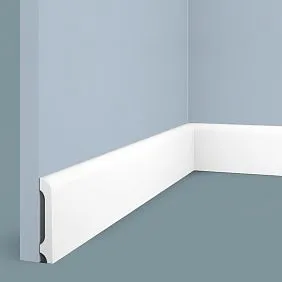
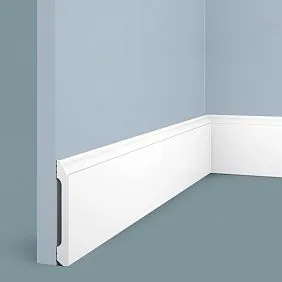
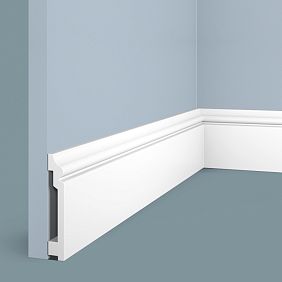
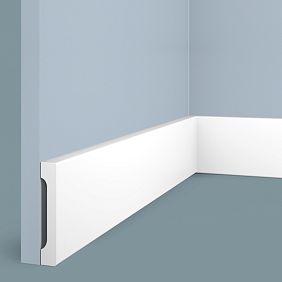
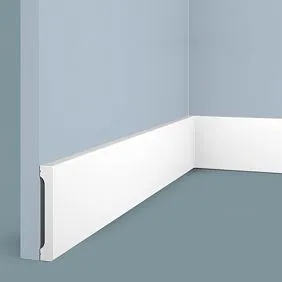
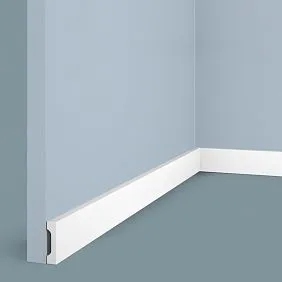
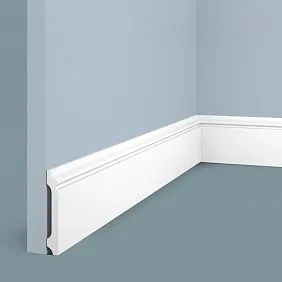

What ceiling skirting boards are bought for and what task they solve
Before moving on to selection — let's honestly answer this question. Because those who understand the purpose of an element choose it much more accurately than those who simply 'want to close something up top.'




Technical function: closing the joint
During construction and finishing, walls and ceilings never meet perfectly. Thermal deformation, building shrinkage, different plaster planes — all this inevitably creates a gap or unevenness at the junction. Ceiling molding covers this joint — technically, aesthetically, permanently.
Our factory also produces:


Proportional function: controlling spatial perception
Designers know this but rarely explain it to clients. A properly selected profileceiling moldingchanges the perception of a room's height. Wide molding in a tall room adds 'weight' and formality to the space. Narrow molding in a small room delicately marks the boundary without 'lowering' the ceiling. Choosing the width is choosing proportions.
Get Consultation
Decorative function: completing the interior
Every interior has an upper 'frame' — precisely what ceiling molding forms. In a classic interior, space feels unfinished without such a frame. In modern minimalist design, a thin white profile creates a clean horizontal line that completes the room without unnecessary words.
Systemic function: supporting decorative architecture
Buy ceiling molding for interiormeans integrating it into the system. Molding that works together withwall moldingscornices andplank panelscreates a professional sense of well-thought-out space. The skirting board 'by itself' is simply a closed joint.
Buying ceiling skirting for an apartment or house: is there a difference
The question is not rhetorical. An apartment and a country house are different architectural contexts, and ceiling skirting for them is selected according to different criteria.
For a city apartment
A standard city apartment has ceilings of 2.5–3 m, often typical layouts, a desire for functionality and visual cleanliness. HereBuy ceiling skirting for an apartmentmeans choosing a profile that:
-
does not 'overload' the space with low ceilings;
-
is consistent with the overall finishing style;
-
is easy to install and lasts long;
-
allows for clean repainting when changing the interior.
For a modern city apartment, a 50–80 mm profile is ideal — concise, expressive, proportional. In apartments with ceilings of 2.7 m and higher — you can consider 80–100 mm.
If the apartment has a classic or neoclassical style —Wooden ceiling baseboard with a figured profile orPolyurethane moldings with an ornament will be a more accurate choice than a smooth minimalist profile.
For a country house
A country house is a completely different scale. Ceilings here are often 3 m and higher. Exposed beams, natural stone, wood in the structure — all this sets a context in whichWooden ceiling skirting board is an organic, not just an acceptable solution.
Buy ceiling skirting for a country house — means choosing natural materials: solid oak, pine, ash. The profile is larger, from 80 mm. In a system with wooden beams anditems from the solid wood — a wooden ceiling skirting board is part of the unified architectural logic of the house.
For a country house with spacious rooms and high ceilings — the combination works well: ceiling skirting board +wooden cornice + wall moldings. This creates a full architectural trim that makes the house 'assembled' with any interior.
For small rooms
In rooms up to 15–18 sq.m with ceilings up to 2.6 m — conciseness is mandatory. Narrow profile 40–55 mm, smooth surface, neutral or white color. Extra skirting width here will literally 'lower' the ceiling — and visually compress the space.
For spacious rooms
In spacious rooms from 25 sq.m with ceilings from 2.8 m — scale allows. Wide profile from 80 mm, figured relief, complex cornice — all this is appropriate and will work to create a representative image.
Which ceiling skirting to buy for the living room, bedroom and other rooms
Let's examine each room separately — with specific recommendations for profile, material and height.
Buy ceiling skirting for the living room
The living room is the main space of any residential interior. It is here that the ceiling skirting works 'for the public': it is always visible, in any lighting, from any point in the room.Buying a ceiling skirting board for the living room— means making one of the key decisions for space design.
What works in the living room:
-
With ceilings 2.7–3 m: profile 80–100 mm with moderate relief — classical or modern, depending on the style
-
With ceilings above 3 m: wide cornice from 100 mm, in a system withwith wooden cornices— for a classic living room
-
In a classic living room: wooden skirting board orPolyurethane moldingswith ornamental profile
-
In a modern living room: white smooth profile 60–80 mm made of MDF or polyurethane
Living room — the best place for a comprehensive solution: ceiling skirting board +Moldings for walls to buyin one system. This creates an architectural 'frame' for the entire space — and that's what makes a living room truly professionally designed.
Buy ceiling skirting board for bedroom
Bedroom — a space of tranquility. Here, the ceiling skirting board should work quietly, delicately, without attracting unnecessary attention.Buying a ceiling skirting board for the bedroom— means finding a balance between completeness and unobtrusiveness.
What works in the bedroom:
-
A 50–80 mm profile is expressive enough but not dominant
-
White, cream, light gray — neutral shades that don't 'stand out' from the calm atmosphere
-
In a bedroom with natural materials and wooden furniture —Buy wooden ceiling moldingin a light wood species
-
In a minimalist bedroom — a smooth white profile, matching the ceiling
If the bedroom has an accent wall withdecorative slatted panels— the ceiling skirting is chosen in a matching wood species and shade. The vertical battens and horizontal skirting form a rhythmic system that makes the bedroom structured and visually expensive.
Buy ceiling skirting for the hallway
The hallway is the first thing seen. Here, the ceiling skirting literally 'greets guests' and sets the standard for the entire apartment.Buy ceiling skirting board for the hallway— means striking the right first visual chord.
Features of the hallway:
-
Typically, a small space — the profile should not be too wide
-
Often low ceilings — opt for 50–70 mm
-
Coating durability is important: high traffic in the hallway, humidity from entering from outside
Whiteceiling skirting for the hallway— a universal solution. If the hallway is decorated in neutral tones with wooden doors — a wooden skirting in the same tone creates a 'warm' welcoming look.
Buy ceiling skirting for the study
The study requires a special approach. It is a space of authority, concentration, and representativeness.Buy ceiling skirting board for the study— means choosing an element that supports the image of a serious workspace.
What is appropriate in the study:
-
A 'heavier' profile — from 80 to 120 mm
-
Dark wood species or classic relief profile
-
In a system with wooden cornice and moldings — a full architectural trim
-
Coordination with wooden bookshelves, parquet, dark doors
For a light interior
In a light interior — white walls, light laminate or parquet, minimalist furniture — buy ceiling skirting for a light interior means choosing a profile that either 'blends' with the ceiling (white to match) or slightly contrasts with it, creating a light graphic line. A white smooth profile is the cleanest and most modern solution for such spaces.
Which ceiling skirting to buy for a stretch ceiling and a regular ceiling
Ceiling type is a critically important parameter. It determines not only aesthetics but also the installation technology of the profile.
For a stretch ceiling
Installing ceiling skirting to a stretch ceiling is a topic that requires attentiveness. The stretch fabric is not a load-bearing surface, and the profile cannot be attached directly to it.Buy ceiling skirting for a stretch ceiling— means using skirting that attaches only to the wall, covering the joint between the stretch fabric and the vertical surface.
Profile for a stretch ceiling:
-
Must have sufficient 'rear' overhang — to cover the gap between the wall and the stretch fabric
-
Most often — polyurethane or MDF: they are lighter than wood and do not create load on the wall fasteners
-
Color — to match the stretch fabric: most often white
For painted and regular ceilings
With a classic painted ceiling, the ceiling skirting board can be attached either to the wall or to the ceiling plane. This simplifies installation and allows for the use of heavier profiles, including wooden ones.Buy wooden ceiling skirtingFor a standard ceiling, it is the most suitable solution: reliable fastening, durability, natural texture.
For high ceilings
Ceilings from 3 m "require" a large-scale profile. A narrow skirting board in a tall room will visually "get lost," creating a sense of incompleteness. A wide cornice from 100–120 mm is the correct proportion for spaces with a height of 3 m and above.
Buy ceiling skirting board for a high ceiling— means giving the space the right "crown," which will visually "bring together" the tall room, creating a sense of architectural completeness.
For low ceilings
For ceilings up to 2.6 m — every centimeter of the profile's width "takes away" visual height. The rule here is: the lower the ceiling, the narrower the skirting board. The range of 40–55 mm is optimal. The color should match the ceiling or be a shade lighter than the walls. The goal: to mark the boundary without emphasis, to "dissolve" the skirting board into the ceiling plane.
Buy wooden ceiling skirting board or a polyurethane option: which is better
This is the most frequently asked question when choosing. And the answer is not straightforward, but context-dependent.
When to choose wood
Wooden ceiling skirting board— is a living material with character. It is chosen for:
-
when the interior already features natural wood: parquet, doors, furniture, panels;
-
when the authenticity of the material is essential — not 'wood-like,' but actual wood;
-
when a profile with natural texture is needed, which will look different in various lighting;
-
when the style is classic, neoclassical, organic interior, rustic, country;
-
when durability and the possibility of restoration are important.
Buy wooden ceiling baseboard— is an investment. Properly treated with varnish or oil, solid oak or ash lasts 25–30 years without losing its appearance. It can be sanded and repainted — an option not available with polyurethane.
buy wooden skirting boardshould be used where all wooden interior elements belong to the same species and coating system. Only then will the result be not 'similar,' but precise and organic.
When to choose polyurethane
polyurethane productshave fundamental advantages in a number of scenarios:
-
when complex decorative relief is needed at a reasonable cost — ornament, leaves, volutes;
-
when the space has non-standard curved surfaces — columns, bay windows, rounded walls;
-
when stability of geometry is important during humidity fluctuations;
-
when the skirting board will be frequently repainted — polyurethane takes paint excellently;
-
when you needDecorative stuccowith rich relief in a classic interior on a limited budget.
Polyurethane moldings— an optimal choice for classic and baroque interiors where decorative richness is needed, but the budget does not allow for a wooden counterpart with complex relief.
Comparison table: wood vs polyurethane vs MDF
| Parameter | Wood (solid wood) | Polyurethane | MDF |
|---|---|---|---|
| Naturalness | Maximum | No | No |
| Decorative relief | Expensive | Affordable | Limited |
| Installation flexibility | Low | High | Low |
| Painting | Any color | Ideal | Ideal |
| Service life | 25–30+ years | 10–20 years | 10–15 years |
| Appropriateness in classic | Maximum | High | Medium |
| Appropriateness in contemporary | Good | Good | Ideal |
| Price | Higher | Medium | Below |
What looks more expensive
The question 'what looks more expensive' is not about the price tag on the label, but about the feel of the material. A wooden skirting board in the right wood species with a quality finish looks the most expensive. It's a living material with character that cannot be replicated by synthetics. But rich ornamental polyurethane, when painted skillfully and placed in the right context, also delivers a high visual result.
Buy ceiling skirting by style: classic, neoclassical, contemporary interior
Interior style is the second most important parameter after material.
Classic interior
Buy ceiling skirting board for classic interior— means choosing a profile with clear architectural divisions: bands, rolls, horizontal transitions. Height — from 80 to 140 mm depending on the room. Material — wood orPolyurethane moldingswith a similar relief.
In a classic interior, the ceiling skirting is part of a broader architectural system: it pairs withwooden cornice, wall moldingsandceiling moldings— with sockets and decorative inserts. Without this ensemble, even the most beautiful ceiling skirting board doesn't "work" to its full potential.
Modern Classicism and Neoclassicism
Neoclassicism is classicism, purified of excess.Buy ceiling skirting board for neoclassicism— means finding a profile with one or two strict divisions without ornamental overload. White enamel or light tone. Height — from 70 to 100 mm. Wood in white coating or smooth polyurethane — both options are ideal.
Modern interior
Contemporary, Scandinavian style, minimalism — here the skirting board's task is: to be, but not to stand out.Buy ceiling skirting board for a modern interior— means choosing a thin smooth profile 40–60 mm, white or matching the ceiling color. No ornaments. No divisions. Pure horizontal line.
Wood skirting boardin white enamel or light tinting — also works in a contemporary space. Especially if the interior has wooden accents: solid wood furniture,slatted panels for wallswooden floors.
Warm wooden interior
If the entire interior is warm: wood on the floor, wooden doors, wooden accents in furniture and finish —Wooden ceiling baseboardbecomes an organic part of this system. A ceiling profile made of pine, oak, or ash with an oil or varnish finish completes the 'wooden' story of the room with professional precision.
How to choose the width, profile, and color of a ceiling skirting board
Specific parameters—no vague recommendations.
By width: correspondence table
| Ceiling Height | Recommended skirting board width |
|---|---|
| Up to 2.5 m | 40–55 mm |
| 2.5–2.7 m | 55–70 mm |
| 2.7–3.0 m | 70–100 mm |
| 3.0–3.5 m | 100–130 mm |
| Above 3.5 m | 130 mm and above |
Narrow profile (up to 55 mm)
A delicate option for small rooms and modern interiors. The goal is to define the boundary without 'lowering' the ceiling.Buy narrow ceiling skirting board—the choice of those who value conciseness and purity of lines.
Medium universal profile (55–80 mm)
Working range for most living spaces. Suitable for any style from modern to moderate classic. Highest demand and widest application.Buy ceiling moldingChoosing within this range means getting a versatile solution that definitely won't go wrong.
Wide and tall profile (80 mm and above)
Buy wide ceiling skirting board— means making the upper zone of the room an architectural statement. Works in high-ceilinged spaces, classic living rooms, executive offices. In small rooms — creates a 'lowering ceiling' effect.
Buy tall ceiling skirtingfor a spacious living room with a 3 m ceiling — this is the correct architectural solution that gives the space a 'crown'.
White, smooth, paintable
Buy white ceiling skirting board— the most in-demand solution on the market. White works with any wall color, any flooring, most styles. It's an absolute universal.
Buy ceiling skirting for painting— for those who need an exact shade according to the interior color system. Polyurethane or MDF with a primed surface are ready to accept any color.
Ornamental profile - for classic and neoclassical styles. Smooth - for contemporary and minimalist spaces. The rule remains unchanged: the relief of the skirting board must correspond to the relief of the overall decorative solution of the room.
What to combine ceiling skirting with in interior design
This is where the difference between 'just a skirting board' and an 'interior system' is born.
Ceiling skirting board and wall moldings
Moldings for walls to buyIn a system with a ceiling skirting board - this is a classic technique that is hundreds of years old. Moldings form rectangular 'fields' on the walls - from the skirting board at the bottom to the ceiling profile at the top. The result: the walls gain scale, structure, and architectural character.
Moldings and ceiling skirting board from the same line connect organically, without a visual 'jump'. This is why a systematic approach when purchasing is not a whim, but a necessity.
Ceiling skirting and wooden cornices
wooden corniceA more complex and larger profile that is installed in the area where the wall meets the ceiling. It hides concealed lighting or curtain fastenings. In a system with a ceiling skirting boardWooden cornicecreates a double horizontal accent - a powerful technique for representative spaces.
Ceiling skirting and slatted panels
If the interior suggestsslatted panels for wallsthe ceiling skirting board must be coordinated with them in terms of wood species, shade, and style. A correctly selectedRack panelsupports the rhythm of the ceiling profile: the verticals of the slats and the horizontal of the skirting board form a structure that makes the interior cohesive and professional.
buy slatted panelsHaving ceiling moldings in the same catalog means getting coordinated products from one line, with the same wood species and finish. This is exactly how the STAVROS catalog works.
In modern living rooms, the combination works especially well: wooden ceiling molding +decorative slatted panelson an accent wall. These are not two separate elements, but a single interior story.
Ceiling baseboard and polyurethane molding
In classic interiorsCeiling molding— rosettes, coffers, decorative inserts — works in a system with the ceiling profile.Decorative stuccomade from the same material and in the same style creates a complete decorative ceiling scenario: from the cornice to the central rosette for the chandelier.
made of polyurethaneSTAVROS offers a complete set for decorating the ceiling: cornices, moldings, overlays, rosettes — in a coordinated style.
Where to buy ceiling molding and what to look for before ordering
The right supplier is a choice no less important than the right profile.
Profile geometry is the first parameter
A photograph in a catalog does not convey the real scale. Always check the exact dimensions: profile height, projection from the wall, projection from the ceiling.buy skirting for the ceilingWithout checking actual dimensions — risk of getting something different than expected.
Material and coating quality
For wooden profile — uniform texture without knots in the visible area, even coating without drips. For polyurethane — clear relief without blurring, stable geometry along the entire length. For MDF — perfectly smooth surface without bubbles or foreign inclusions.
Ready for painting
Buy ceiling skirting for painting— means ensuring the surface is properly primed. Without primer, paint will apply unevenly, especially on porous MDF.
Compatibility with adjacent decor
The best option is to buy ceiling skirting, moldings, cornices, and panel strips from one manufacturer in the same line. Only then is consistency in visual language, wood species, and coating guaranteed.Buy slatted panels— in the same catalog as ceiling skirting — is the most reliable way to ensure a systematic result.
Manufacturer or intermediary
Buy ceiling skirting from the manufacturer— stable warehouse, consistency of batches, direct consultations. An intermediary cannot guarantee either batch consistency or availability of the needed profile in six months. For repairs where additional purchases are important, this is crucial.
Mistakes when choosing ceiling skirting
Compiled from real experience — systematic, typical, easily preventable.
Error 1: Incorrect width for ceiling height
We've already mentioned it, but I'll repeat it because it's the most common mistake. A baseboard that's too wide 'lowers' the ceiling. One that's too narrow 'gets lost' in a tall room. Always calculate based on the ceiling height—and use the matching table provided above.
Error 2: Random material choice
A polyurethane baseboard in an interior where everything is wood is a material dissonance. A wooden baseboard with a dark pattern in a pure white minimalist space is a stylistic conflict. The baseboard material should belong to the same family as the entire finish.
Error 3: Lack of connection with moldings and wall decor
A ceiling baseboard chosen in isolation from moldings, cornices, and wall solutions is a detail without context. The interior ends up looking 'assembled,' not designed. A systematic approach is the only path to a professional result.
Continuing the article from the break point:
Error 4: Too simple a profile for a complex interior
A rich classical living room with parquet, stucco, wooden doors, and shaped casings—and yet a smooth rectangular 50 mm baseboard without a single division. It's like wearing a strict tuxedo with rubber boots. The details don't contradict each other in function—but the conflict in 'weight' is immediately obvious. In a rich classical interior, the baseboard should have a shaped profile that matches the overall decorative level.Buy ceiling skirting board for classic interior—means choosing a profile with architectural divisions that supports, rather than lowers, the overall tone of the space.
Error 5: Too complex a profile for a laconic space
The opposite extreme is no less painful. A rich ornamental cornice with acanthus leaves in a white minimalist interior with a concrete floor and laconic furniture is an attempt to 'outshout' oneself. A simple space requires a simple finish.Buy a smooth ceiling skirting boardwithout relief is the right solution for a minimalist interior, where every extra detail is noise, not decoration.
Mistake 6: Different profiles in different rooms of the same apartment
An apartment or house is perceived as a single space—even if each room has its own character. Different ceiling skirting boards in each room create the feeling that the apartment was assembled piecemeal from random materials. The rule: the basic profile of the ceiling skirting board is uniform for the entire apartment. Variation in size is acceptable (wider in the living room, narrower in the hallway), but not in the basic stylistic solution.
Mistake 7: Buying without a surplus
buy skirting for the ceilingstrictly by the footage is a mistake that backfires during installation. Cutting in corners results in up to 15% waste. Production batches change—and buying exactly the same profile a month later may be impossible. Always take a surplus of 10–15% of the calculated footage.
Conclusion: which ceiling skirting board to buy for your task
We have gone the whole way—from the question 'why' to specific recommendations for each room, type of ceiling, material, and style. It's time to provide final guidelines.
If the priority is naturalness, durability, and status:
Wooden ceiling skirting boardMade of oak, ash, or beech. In a system with wooden cornices, architraves, and moldings of the same wood species. For classic, neoclassical, or warm organic interiors.
If you need a flexible decorative scenario with rich relief:
Polyurethane moldings— ornamental profile, precise geometry, ready for painting in any shade. Perfect for classic and neoclassical styles across a wide budget range.
If you need a clean, modern option:
Smooth white profile — MDF or polyurethane. Minimum width relative to ceiling height. Matching the ceiling color or with a slight contrast to the walls.
If systematicity and interior integrity are important:
Buy ceiling moldingin combination withwall moldings, wooden corniceandplank panelsfrom a single STAVROS catalog. This is the only way to achieve a truly professional, cohesive result — not just a collection of good details that don't form a whole.
➡️ Buy ceiling skirting — STAVROS catalog
➡️ Buy wooden skirting — STAVROS solid wood catalog
➡️ Polyurethane products — STAVROS moldings and cornices
➡️ Wall slat panels — STAVROS catalog
➡️ Buy wall moldings — STAVROS catalog
About the company STAVROS
STAVROS is a Russian manufacturer of decorative interior products made from solid wood and polyurethane. Ceiling skirting boards, cornices, moldings, architraves, balusters, slat panels, polyurethane moldings — all are produced in coordinated lines designed for systematic application in interiors.
The STAVROS principle is to think in systems, not details. A ceiling skirting board, molding, and slat panel from the same catalog are not just 'similar products'. It is a well-thought-out decorative architecture where each element belongs to a unified visual language, material, and character. This is precisely what distinguishes a professionally designed interior from a randomly assembled one.
STAVROS works with private clients, designers, architects, and construction companies across Russia. A stable assortment, consultations on systematic decor selection, and years of experience in completed projects — from St. Petersburg apartments to country residences.
Frequently asked questions about ceiling skirting boards
What is the difference between a ceiling skirting board and a cornice?
Ceiling skirting board — a profile installed at the junction of the wall and ceiling for its decorative closure. Cornice — a larger and functionally richer profile: it hides curtain fastenings, concealed lighting, and can have a more complex segmentation. Both elements can be used together as a system.
Which ceiling skirting board is best for a stretch ceiling?
A profile that is attached only to the wall — without support on the stretch fabric. The optimal material is lightweight polyurethane or MDF. The profile must have sufficient overhang to cover the gap between the wall and the stretch ceiling fabric.
Can I buy a wooden ceiling skirting board for painting?
Yes. Solid wood skirting boards are supplied in a 'primed for painting' version—with a primed surface. They accept water-based paint, alkyd enamel, and oil-based paint.
How to correctly choose the width of a ceiling skirting board?
Use the ceiling height as a guide. A general rule: the ceiling height in centimeters divided by 30–35 gives the recommended skirting board width in centimeters. For a 270 cm ceiling—skirting board 75–90 mm. For a 250 cm ceiling—65–80 mm.
How much extra skirting board should be purchased as a reserve?
Take 10–15% more than the calculated meterage. Cutting for corners and openings inevitably creates waste. Buying exactly the same profile later may be impossible—production batches are updated.
Is it necessary to buy skirting boards and moldings from the same manufacturer?
Technically—no. Practically—yes, if a coordinated visual result is important. Different manufacturers produce different shades of 'white', different profiles, different finishes. From the same product line—guaranteed matching.
Which ceiling skirting board to choose for a classic living room?
A shaped profile with a width from 80 to 120 mm—wooden or polyurethane. As part of a system with wall moldings and a wooden cornice. Color—white enamel or matching the room's overall decorative scheme.
What is better for the ceiling—wood or polyurethane?
Depends on the task. Wood offers naturalness, durability, restorability, and status. Polyurethane provides flexibility in shapes, rich relief at an affordable price, and geometric stability. Both materials have their proper niche—the choice is determined by interior style and material requirements.