Article Contents:
- Needs analysis: determining optimal parameters
- Load calculation and determination of strength requirements
- Geometric parameters and ergonomic requirements
- Materials science: selecting a base for durability
- Wood: classic, time-tested
- Metal structures: strength and modernity
- Composite materials: technologies of the future
- Stylistic directions: harmony with interior
- Minimalism: simplicity as supreme complexity
- Loft: industrial aesthetics
- Classic: timeless elegance
- Technological aspects of production
- Modern material processing methods
- Joining and fastening methods
- Practical Recommendations for Selection
- Determining optimal dimensions
- Operating conditions analysis
- Installation and setup: ensuring perfect results
- Foundation Preparation
- Adjustment and final tuning
- Maintenance and care: extending service life
- Regular preventive measures
- Restoration and renovation
- Economic aspects and return on investment
- Cost of Ownership Analysis
- Factors Affecting Cost
- Trends and innovations
- Integration of smart technologies
- Ecological innovations
- Criteria for assessing quality
- Visual inspection
- Functional tests
- Recommendations for transportation and storage
- Packaging and protection
- Storage conditions
- Warranties and after-sales service
- Warranty service conditions
- Post-warranty service
- Conclusion: Investment in Quality and Comfort
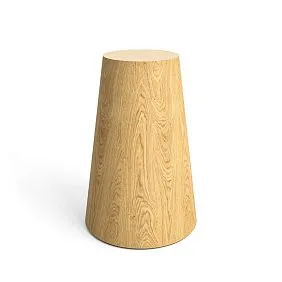
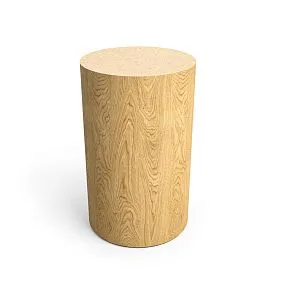
Solution Buy a pedestal This is not just buying a furniture accessory, but a strategic investment in the functionality and longevity of your interior. The modern market offers many options, but how to choose exactly the base that will serve for decades and become a reliable support for any tabletop?
Practice shows that the correctly chosen pedestal determines not only the stability of the structure, but also the overall aesthetics of the space. Each material, each shape, and each technological nuance affects the final result, creating either a harmonious ensemble or a disappointing compromise.


Needs Analysis: Determining Optimal Parameters
Before deciding to buy a pedestal, it is necessary to conduct a thorough analysis of operating conditions. Room dimensions, usage characteristics, expected loads — all these factors are critically important for the correct choice. Ignoring even one parameter may lead to disappointment and the need for replacement within a short time.




Load Calculation and Determination of Strength Requirements
Each room imposes its own requirements on furniture. A home dining room requires a base capable of supporting family meals and festive gatherings. Office space requires structures designed for daily intensive use. Commercial establishments require maximum strength and durability.
A professional approach to load calculation takes into account not only the static weight of the tabletop, but also dynamic impacts during use. Elbow loads, vibrations from equipment, accidental impacts — all of this must be compensated by the safety margin of the base.
Our factory also produces:


Geometric Parameters and Ergonomic Requirements
Correct proportions of the pedestal determine the comfort of table use. A height of 720-750 mm is considered optimal for most users, but individual needs may require adjustments. The distance between supports should allow free leg placement, eliminating discomfort during prolonged sitting.
The shape of the base is closely related to the geometry of the tabletop. Round tables require a central support or radial support system. Rectangular surfaces best match with two side supports or a four-point system. Each solution has its advantages and limitations.
Get Consultation
Material Science: Choosing the Base for Longevity
Wood: Classic, Time-Tested
Natural wood remains the benchmark of quality in furniture manufacturing. Each species has unique characteristics affecting the operational properties of the finished product. Oak demonstrates exceptional strength and resistance to deformation; its dense structure guarantees the longevity of the structure.
Beech attracts with an optimal combination of strength and elasticity, allowing the creation of complex shapes without compromising reliability. Its light tone and uniform texture make this material versatile for various interior styles.
Walnut adds elegance and sophistication; its warm tones create an atmosphere of coziness and respectability. High-density wood provides excellent strength characteristics, and natural oiliness protects against moisture.
Metallic Structures: Strength and Modernity
Metallic furniture frames open up wide possibilities for creating light yet strong structures. Steel profiles of various cross-sections allow optimizing material distribution, creating maximum rigidity at minimal weight.
Aluminum alloys combine corrosion resistance with excellent strength characteristics. Their low weight makes such structures mobile, which is especially important for transformable interiors.
Stainless steel provides absolute resistance to corrosion and aggressive environments. Such bases are ideal for kitchens, bathrooms, and other areas with high humidity.
Composite Materials: Technologies of the Future
Modern composites combine the best properties of various materials, creating unique operational characteristics. Carbon fiber composites demonstrate record strength at minimal weight, opening new possibilities in pedestal design.
Fiberglass offers a more affordable alternative to expensive carbon composites, while retaining excellent anti-corrosion properties and the ability to create complex shapes.
Stylistic Directions: Harmony with the Interior
Minimalism: Simplicity as the Highest Complexity
Minimalist pedestals are characterized by extreme simplicity of form and absence of decorative elements. Every line is functional, every element necessary. Such an approach requires perfection in proportions and flawless manufacturing quality.
Color palette is limited to neutral tones: white, black, gray. Textures are preferably matte, excluding glare and distracting reflections. Metallic elements are processed to achieve a uniform surface.
Loft: industrial aesthetics
Loft style transforms technical elements into decorative accents. Weld seams are not hidden but emphasized, creating a unique surface texture. Rough metal processing contrasts with refined tabletops, creating a dynamic design.
Color scheme leans toward dark tones: anthracite, graphite, matte black. Patina and artificial aging add authenticity and depth of perception. Fasteners are intentionally exposed, becoming part of the overall composition.
Classic: timeless elegance
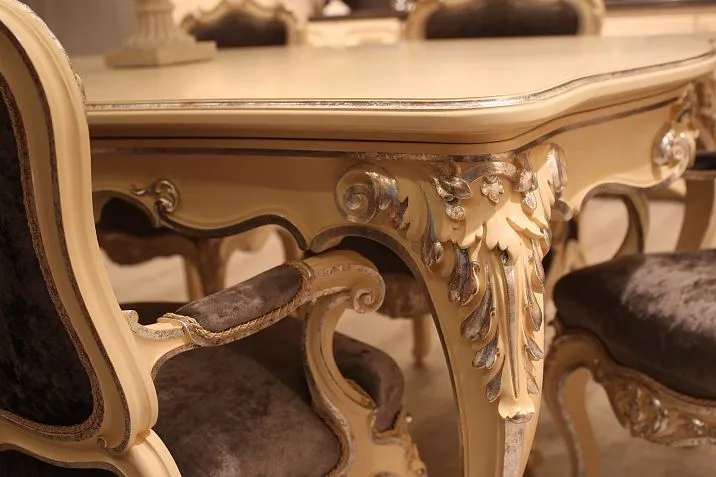
Classic pedestals rely on time-tested proportions and forms. Symmetry, the golden ratio, traditional joinery — all of this creates a sense of stability and respectability. Decorative elements are applied with particular care, accenting rather than obscuring the main structure.
Finishing involves the use of traditional materials: natural oils, waxes, lacquers based on natural resins. The color palette is built on warm wood tones, with possible accents in the form of metallic inserts.
Technological aspects of production
Modern material processing methods
Laser cutting ensures ideal geometric precision of parts, which is critically important for quality assembly. Computer control eliminates human factors, guaranteeing repeatability of results. Minimal cut width reduces material waste and increases production efficiency.
CNC processing allows creating complex three-dimensional forms with previously unattainable precision. Multi-axis machines process parts in a single setup, eliminating repositioning errors. Automatic tool change accelerates the process and ensures optimal settings for each operation.
Joining and fastening methods
Modern joining technologies go far beyond traditional methods. High-frequency welding creates monolithic structures indistinguishable from solid components. The strength of such joints exceeds the strength of the base material.
Adhesive joints based on structural adhesives ensure even load distribution across the entire contact area. Modern formulations cure at room temperature, requiring no complex equipment.
Mechanical fastening has evolved from simple bolts to complex pre-tensioned systems. Special coatings prevent corrosion and thread binding, ensuring long-term joint durability.
Practical Recommendations for Selection
Determination of optimal dimensions
Selecting pedestal dimensions requires a comprehensive approach, considering not only the tabletop dimensions but also usage characteristics. For round tables up to 1200 mm in diameter, a central support is sufficient; larger sizes require additional support points.
Rectangular tables up to 1800 mm in length are optimally supported by two side supports. Larger sizes require intermediate supports or reinforced base structures. Cantilevered constructions require special attention to rigidity and stability.
Analysis of operating conditions
Environmental humidity critically affects material and coating selection. Wooden structures require special treatment for use in high-humidity conditions. Metal components require reliable anti-corrosion protection.
Temperature fluctuations cause linear deformations that must be compensated by structural solutions. Compensation gaps and movable joints prevent stress buildup in the material.
Usage intensity determines requirements for coating durability and structural strength. Household furniture operates under gentle conditions, while commercial installations require maximum reliability.
Installation and mounting: ensuring perfect results
Foundation Preparation
Mounting quality largely depends on proper base preparation. Floor irregularities are compensated by adjustable supports or shims. Installation accuracy is controlled using levels and measuring tools.
Fastening to the floor requires special attention to the type of base. Concrete floors allow the use of anchor bolts; wooden subfloors require special screws. Drywall structures require load distribution through embedded elements.
Adjustment and final tuning
After installing the base, all elements are precisely adjusted. Parallelism of support surfaces is checked, misalignments and gaps are eliminated. Movable joints are adjusted to ensure smooth mechanism operation.
Final inspection includes load testing under simulated real operating conditions. All joints are tightened with controlled force, eliminating both under-tightening and over-tightening.
Maintenance and care: extending service life
Regular preventive measures
Systematic care significantly extends the service life of the pedestal and maintains its original appearance. Regular cleaning of dust and contaminants prevents abrasive wear of moving parts. Special care products for various materials keep them in optimal condition.
Periodic checking of fastener tightness prevents clearance development and premature joint wear. Lubrication of moving parts ensures smooth mechanism operation and reduces noise.
Restoration and restoration
Modern technologies allow restoring even heavily damaged structures. Local restoration of wooden elements restores their original appearance without full replacement. Re-painting of metal parts refreshes the appearance and restores the protective properties of the coating.
Modernizing outdated structures allows adapting them to current requirements. Replacing individual nodes with more advanced equivalents increases functionality and extends service life.
Economic aspects and return on investment
Analysis of ownership cost
Solution Buy a pedestal Must be based on an analysis of total cost of ownership, including not only initial costs but also maintenance, repair, and possible replacement expenses. Quality constructions require minimal maintenance investment and serve for decades.
Cheap alternatives often turn out to be more expensive in the long run due to the need for frequent replacement and repair. Saving on quality results in additional expenses and operational inconvenience.
Factors Affecting Cost
The material of the construction significantly affects the cost of the finished product. Premium natural wood requires substantial investment but ensures exceptional quality and longevity. Metal constructions offer an optimal price-to-quality ratio.
The complexity of the construction and the uniqueness of the design increase the manufacturing cost. Mass-produced models are significantly cheaper than custom solutions, but may not fully meet specific requirements.
Order volume affects the unit cost of the product. Large batches allow reducing setup costs and obtaining discounts on materials.
Trends in development and innovation
Integration of smart technologies
Modern pedestals are increasingly equipped with electronic control systems. Automatic height adjustment adapts the furniture to different users. Memory systems store individual settings for each person.
Built-in sensors monitor load and warn of exceeding permissible values. Diagnostic systems track the condition of the structure and signal the need for maintenance.
Ecological Innovations
Ecological considerations are becoming an important factor when selecting materials and technologies. Using renewable resources and recycled materials reduces environmental impact. Waste-free production technologies minimize ecological footprint.
Biodegradable coatings replace traditional varnishes and paints without compromising performance. Natural oil-based finishes provide reliable protection for wood.
Criteria for quality assessment
Visual inspection
External inspection allows assessing the quality of manufacturing and finishing. Uniform color, absence of coating defects, geometric accuracy — all indicate a professional approach to production.
Weld seam quality is determined by their uniformity and absence of pores. Mechanical processing must ensure smooth surfaces and absence of burrs.
Functional tests
Structural stability is checked by applying lateral loads. A quality pedestal should not show noticeable deformations under normal operational loads.
Operation of moving mechanisms is evaluated by smoothness of movement and absence of sticking. Clearances in joints should be minimal, not affecting overall structural rigidity.
Recommendations for transportation and storage
Packaging and protection
Quality packaging prevents damage during transportation and storage. Each element is individually secured to prevent mutual surface abrasion. Protective materials must be compatible with coatings, leaving no marks or stains.
Large-sized items can be disassembled into transportable modules for subsequent assembly at the installation site. All fastening elements are packaged separately with detailed assembly diagrams.
Storage conditions
Temperature and humidity conditions during storage are critically important for preserving product quality. Wooden structures require protection from sudden humidity fluctuations, while metal structures require protection from moisture condensation.
Storage facilities must provide protection from direct sunlight, which can cause coating fading. Ventilation prevents air stagnation and mold formation.
Warranties and Service Support
Warranty service conditions
Manufacturer's warranty obligations define conditions for free defect elimination and replacement of faulty components. Warranty periods vary depending on materials and operating conditions.
Documentation must ensure transparency of warranty procedures. Acceptance-transfer acts, operating instructions, warranty cards — all form the legal basis for subsequent relations.
Post-warranty service
Post-warranty service system ensures availability of spare parts and qualified specialists. Modular construction allows replacing worn elements without dismantling the entire structure.
Maintenance programs include regular inspections, preventive maintenance, and, if necessary, modernization of outdated components. This approach significantly extends the lifespan of products.
Conclusion: Investment in Quality and Comfort
When making a decision Buy a pedestalIt is important to understand that this is an investment in the long-term future. A quality base serves not only as a functional support but also as an aesthetic element of the interior, creating a unique atmosphere in the space. The correct choice of materials, construction, and manufacturing technologies determines not only the longevity of the product but also the comfort of its use.
Modern manufacturing technologies allow us to create bases for tablesthat combine traditional methods with innovative solutions. Every detail is thought out to the smallest extent, every connection is designed for maximum load, and every component is processed with jewel-like precision.
Choosing a quality base is choosing stability, reliability, and beauty. This decision will delight you for many years, creating a foundation for comfortable living and work. When you decide to buy a base for a tableyou are investing in quality that has been proven over time and endorsed by professionals.
For many years, the company STAVROS has remained a benchmark of quality in the production of furniture structures. Our experience, accumulated over decades of work, allows us to create products that surpass the strictest requirements for reliability and durability. Every STAVROS base is the result of meticulous craftsmanship by masters who use only the best materials and proven technologies. Choosing STAVROS products means choosing unparalleled quality that will become the foundation of your interior for many years to come.