












































































Article Contents:
- The Art of Selection: Secrets of Professional Designers
- Psychology of Ceiling Space
- Stylistic Directions and Their Features
- Technical aspects of design
- Material Science: Polyurethane as a Revolution in Decorative Arts
- Chemical Nature and Physical Properties
- Modern Methods of Oak Wood Processing
- Operational Characteristics and Longevity
- Catalog of Solutions: From Classic Rosettes to Avant-Garde Compositions
- Traditional Ceiling Rosettes
- Modern Design Solutions
- Additional Ceiling Decoration Elements
- Installation Technologies: From Preparation to Final Finishing
- Preparation Work and Planning
- Mounting and Installation Technology
- Final Finishing and Protection
- Stylistic Integration into Various Design Directions
- Classic interiors: harmony of proportions
- Modern styles: minimalism and functionality
- Eclectic Solutions: Combining the Incompatible
- Practical Recommendations for Selection and Purchase
- Defining Needs and Planning the Budget
- Criteria for evaluating product quality
- Logistical Aspects and Customer Service
- Economic Aspects and Cost Optimization
- Comparative Analysis of Materials and Technologies
- Cost-Saving Strategies Without Compromising Quality
- Long-Term Economic Efficiency
- Trends in development and innovative solutions
- Digital Technologies in Design and Production
- Ecological Technologies and Sustainable Development
- Integration of "smart" technologies
- Conclusion: craftsmanship proven by time
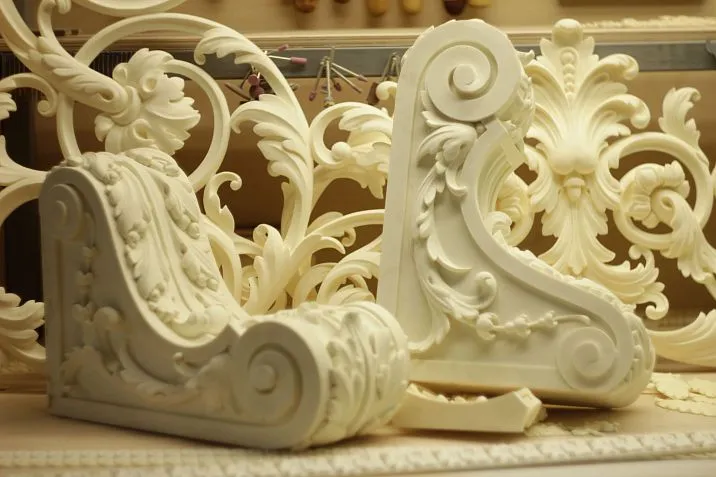
Is there anything more captivating than the play of light and shadow on exquisite ceiling ornaments? When the rays of the chandelier touch the relief surface of decorative molding, true magic is born — the space fills with warmth, coziness, and aristocratic charm. In today’s world, where every interior detail can become a work of art, choosing buy ceiling molding for chandeliers becomes the key to transforming an ordinary room into a luxurious palace hall.
Ceiling molding is not just a decorative element — it is a philosophy of beauty embodied in material. Every rosette, every ornament carries within it a history of millennia, uniting world architectural traditions with modern technological achievements. Today, thanks to innovative polymer materials, this beauty has become accessible to anyone who wishes to surround themselves with splendor.
Imagine the moment when guests first step into your home. Their gaze involuntarily rises, where on the ceiling unfolds a full symphony of decorative elements. An elegant rosette frames the chandelier, like a precious setting — a diamond, and from it delicate molding lines radiate, creating geometric harmony throughout the entire space. This is not just renovation — it is the creation of an atmosphere that will delight the eyes and soul for many years.


The Art of Selection: Secrets of Professional Designers




Psychology of Ceiling Space
The ceiling is the fifth wall of any room, yet somehow it is often neglected. But the ceiling space forms the first impression of height, scale, and character of the interior. Experienced designers know: a properly finished ceiling can visually enlarge a room, give it grandeur, or, conversely, create a sense of intimacy and coziness.
Ceiling rosettes serve as compositional centers, drawing attention and organizing all other decorative elements. Their size, shape, and style must harmonize not only with the chandelier but also with the overall interior concept. A small rosette in a large room will disappear, while an overly large one in a small room will overwhelm the space.
The color solution of ceiling molding also plays an important role in perceiving the interior. Classic white finish creates a sense of lightness and airiness, gilded accents add luxury and grandeur, while tinted elements matching wall colors create a calm, monochromatic composition.
Lighting is a key factor that reveals the beauty of ceiling molding. Directional lighting highlights the relief and creates expressive shadows, diffused lighting provides soft transitions, and hidden backlighting can create the effect of a floating ceiling.
Our factory also produces:


Stylistic directions and their characteristics
Classicism requires strict proportions and symmetrical compositions. Ceiling rosettes in the classical style are characterized by geometrically correct ornaments, plant motifs in the form of laurel wreaths, palmettes, and rosettes. The sizes of elements must conform to the golden section canon, and the color palette should lean toward restraint.
Baroque allows greater freedom in choosing decorative elements. Here, large, lush rosettes with dynamic ornaments, asymmetrical scrolls, and rich detailing are appropriate. Multi-level compositions create a sense of volume and theatricality, highly characteristic of this style.
Modern styles — minimalism, high-tech, loft — require a special approach to selecting ceiling moldings. Here, clean lines, geometric forms, and the absence of excessive ornamentation are important. Simple round or square rosettes, linear moldings, monochromatic color schemes — these are the main principles of the modern approach to ceiling decoration.
Eclecticism opens up boundless opportunities for creative experimentation. Combining elements from different eras and styles can create a unique atmosphere reflecting the owner's individuality. The main rule of eclecticism — harmonious combination of disparate elements through a common color palette, materials, or proportions.
Get Consultation
Technical aspects of design
Calculating the size of a ceiling rosette is not just an aesthetic issue, but an engineering task. The diameter of the rosette should be approximately 1/7–1/5 of the room's width to achieve harmonious proportions. A too small rosette will disappear on a large ceiling, while an overly large one will appear inappropriate in a small room.
Ceiling height also affects the choice of decorative elements. In rooms with low ceilings, avoid overly voluminous rosettes and multi-level compositions, which visually 'consume' height. Conversely, high ceilings allow the use of large, expressive elements.
The placement of a chandelier determines the composition's center, but this does not mean the rosette must be strictly symmetrical. Modern design allows for shifting the center of gravity, creating dynamic asymmetrical compositions, playing with scales and proportions.
The structural features of the ceiling impose limitations on the choice of mounting systems. Drywall ceilings require special attention to load distribution, concrete surfaces allow the use of any mounting elements, and stretch ceilings have their own specific installation requirements.
Material Science: Polyurethane as a Revolution in Decorative Art
Chemical Nature and Physical Properties
Polyurethane is not just plastic — it is a high-tech polymer with unique properties that make it ideal for producing decorative elements. The molecular structure of polyurethane consists of a three-dimensional network of polymer chains connected by urethane bonds. This structure provides the material with an exceptional combination of strength and elasticity.
The density of quality polyurethane for decorative items is 600–900 kg/m³, significantly less than the density of plaster (1200–1400 kg/m³) or natural stone (2200–2800 kg/m³). At the same time, compressive strength reaches 80–120 MPa, and the modulus of elasticity is in the range of 2000–4000 MPa, ensuring sufficient rigidity to maintain the shape of the items.
The operating temperature range of polyurethane items is from -60°C to +80°C, making them suitable for use in any climate conditions. The linear expansion coefficient is only 8×10⁻⁵ 1/°C, which eliminates deformation due to temperature fluctuations.
The water absorption of quality polyurethane does not exceed 0.5% by volume, which is dozens of times less than that of plaster or wood. This property makes polyurethane items ideal for use in high-humidity areas — bathrooms, kitchens, swimming pools.
Production technologies and quality control
Modern production of polyurethane decorative elements is based on the reaction injection molding (RIM) technology. This process allows obtaining items with perfectly smooth surfaces and precise geometric parameters. The pressure in the molds reaches 100–150 bar, ensuring complete filling of all relief details.
The two-component polyurethane system consists of polyol and isocyanate, which are mixed in precisely defined proportions immediately before pouring into molds. The gel time is 30–60 seconds, and full polymerization occurs within 5–10 minutes at mold temperatures of 60–80°C.
Master models for mold production are created by highly skilled sculptors using traditional modeling techniques and modern 3D modeling technologies. Each ornament detail is worked on with jewel-like precision, and finished models are checked for conformity to historical prototypes and stylistic canons.
Molds are made from special silicone compounds that ensure accurate reproduction of all relief details. The service life of quality molds is 500–1000 casting cycles, enabling the production of large batches of identical items.
Quality control is performed at all stages of the production process. Incoming raw material inspection includes checking viscosity, water content, and component functionality. Intermediate control covers temperature regimes, pressure, and polymerization time. Final product inspection includes checking geometric dimensions, surface quality, and absence of defects.
Operational characteristics and durability
UV resistance is ensured by adding special UV stabilizers to the polyurethane composition. Even under prolonged exposure to direct sunlight, polyurethane items do not fade or lose mechanical properties. This is especially important for elements located near windows or under glass domes.
Polyurethane's chemical resistance to household cleaning agents, weak acids, and alkalis allows easy maintenance of items. The surface can be cleaned with ordinary cleaning agents without fear of damaging the material or losing its appearance.
Biostability is an important characteristic for humid areas. Polyurethane is not a nutrient medium for microorganisms, which prevents mold and fungus growth on the surface of items. This is especially valuable for kitchens, bathrooms, and other high-humidity areas.
Fire resistance of polyurethane compositions is ensured by adding flame retardants. The material belongs to the group of difficult-to-burn materials, does not support combustion upon removal of an open flame source. Toxicity of thermal decomposition products meets sanitary norms.
The projected service life of quality polyurethane items is 25–30 years without loss of primary operational characteristics. This is confirmed by accelerated tests in climatic chambers and long-term experience of operation under various conditions.
Catalog of Solutions: from classic rosettes to avant-garde compositions
Traditional Ceiling Rosettes
Classic round rosettes remain the most popular solution for decorating ceiling space under chandeliers. Their diameter ranges from 200 mm for small rooms to 1500 mm for spacious halls. Ornamental motifs include plant elements — acanthus leaves, laurel wreaths, roses, and lilies, geometric patterns — meanders, braids, stars, as well as narrative compositions featuring mythological characters.
The relief of classic rosettes can be flat — protruding elements height does not exceed 5–10 mm, medium — with relief up to 20–25 mm, and deep — with height variations up to 40–50 mm. Deep relief creates a more expressive play of light and shadow, but requires stronger lighting to fully reveal the ornament's beauty.
The stylistic diversity of classic rosettes covers all historical epochs. Antique motifs are characterized by strictness and symmetry, Gothic — vertical orientation and pointed forms, Renaissance — harmonious combination of plant and geometric elements, Baroque — lushness and dynamism of ornaments.
The size range allows selecting a rosette for any room. Small rosettes with diameters of 200–400 mm are suitable for small rooms, bedrooms, offices. Medium rosettes 500–800 mm are ideal for living rooms, dining rooms, halls. Large rosettes over 900 mm are appropriate for spacious halls, theaters, museums.
Modern Design Solutions
Geometric rosettes represent a modern interpretation of classic forms. Strict circles, squares, polygons, stars create minimalist compositions that fit perfectly into minimalist interiors. The absence of excessive ornamentation is compensated by perfect proportions and high-quality execution.
Asymmetric compositions break the traditional centrality of ceiling decoration, creating dynamic, modern solutions. Shifted center of gravity, irregular shapes, elements of varying scales — all this allows creating unique designer compositions.
Modular systems allow creating complex ceiling compositions from individual elements. A base rose is supplemented with surface-mounted details, forming multi-level structures. This approach allows adapting the design to specific room dimensions and the client's personal preferences.
Integrated technological solutions include built-in lighting, ventilation, and air conditioning systems. Hidden LED strips create an effective contour lighting effect, ventilation openings are concealed within ornamental details, and "smart home" sensors are integrated invisibly to the eye.
Additional ceiling decoration elements
Domes and coffers create volumetric ceiling compositions, imparting monumentality and grandeur to the interior. Domes may be hemispherical, elliptical, or polygonal. Coif systems form regular or irregular grids, creating rhythmic compositions.
Crown moldings frame the ceiling space, creating clear boundaries and transitions. Ceiling Molding They perform not only decorative but also functional roles, concealing joints between walls and ceilings, masking irregularities, and creating space for concealed lighting.
Surface-mounted elements — garlands, wreaths, cartouches — complement the main composition, creating additional accents. They can be arranged symmetrically relative to the central rose or create asymmetric compositions in a modern style.
Corner elements solve the task of decorating intersections of planes. Specifically designed corner roses, consoles, and brackets ensure harmonious connection of decorative elements in room corners.
Mounting technologies: from preparation to finishing
Preparation and planning
Ceiling composition design begins with detailed room measurements and creating a scaled plan. Central axes of symmetry are determined, and sizes and mutual positions of decorative elements are calculated. Special attention is paid to the placement of chandeliers and other lighting fixtures.
Preparation of the base includes leveling the ceiling surface, filling cracks and irregularities, and priming. The surface must be dry, strong, and free of dust and contaminants. The base moisture content must not exceed 4% to ensure reliable adhesive bonding.
Axis and control point marking is performed using laser levels and metal rulers. Marking accuracy is critically important for creating symmetrical compositions. All dimensions are checked twice; deviations must not exceed 1-2 mm.
Material acclimatization in the room must continue for at least 24 hours. This allows temperature equalization between the items and the room, preventing deformation during installation. Unpacking is performed immediately before installation.
Technology of mounting and installation
Adhesive mounting is the primary method for installing polyurethane decorative elements. Special polyurethane adhesives are used, ensuring strong and durable connections. Adhesive is applied evenly across the entire contact surface using a toothed putty knife with a 3-6 mm tooth size.
Positioning elements requires maximum precision and care. After pressing against the base, elements cannot be moved — this disrupts the integrity of the adhesive bond. The correct position must be achieved on the first attempt. The open time of the adhesive is 10-15 minutes.
Mechanical mounting is used as an additional method for particularly large and heavy elements. Stainless steel self-tapping screws, anchors, and anchor bolts are used. Mounting elements are placed in the least noticeable locations and concealed with putty or decorative covers.
Element joints are made using special connecting profiles or sealants. The ideal geometry of polyurethane items ensures minimal gaps at joints. Sealant is matched to the base material or painted after polymerization.
Finishing and protection
Priming of polyurethane surfaces is performed using special adhesive primers, ensuring reliable bonding with finish coatings. Primer is applied in a thin, even layer using a brush or roller. Drying time is 2-4 hours depending on temperature and air humidity.
Acrylic putty is used to fill minor defects and joints. After drying, the surface is sanded with fine-grit sandpaper to achieve a perfectly smooth finish. The quality of puttying is especially important when using glossy finishes.
Painting is the final finishing stage, determining the appearance of decorative elements. Water-dispersible paints for interior use are employed. Application is performed with a brush or spray gun in 2-3 coats with intermediate drying. Special attention is paid to painting recesses in relief.
Decorative coatings allow creating various visual effects. Patination gives items the appearance of noble antiquity, gold leaf emphasizes luxury and grandeur, and pearl finishes create light and color play. Application of special painting techniques allows creating unique artistic works.
Stylistic integration into various design directions
Classical interiors: harmony of proportions
Classicism requires strict adherence to canonical proportions and symmetry of compositions. In such interiors, ceiling moldings must conform to the laws of classical architecture, where each element has its place and purpose. Rose sizes are calculated according to the golden section principles, and ornamental motifs are borrowed from ancient art.
The color palette of classical interiors tends toward calm, noble tones. White and cream roses create a sense of lightness and airiness, emphasizing the architecture of space. Gold accents are permissible but must be used very sparingly — only to highlight the most important elements of the composition.
Moldings and cornices In classical interiors, they serve as an architectural framework, creating a clear spatial hierarchy. Horizontal cornices emphasize the ceiling line, vertical pilasters structure walls, and decorative panels create rhythmic compositions.
Lighting in classical interiors should highlight the beauty of molded decoration. Central chandeliers create a festive atmosphere, side lighting reveals ornament relief, and general ambient lighting ensures comfort in the room.
Modern styles: minimalism and functionality
Minimalism in ceiling decoration requires a special approach to selecting elements. Ornate baroque rosettes or complex multi-level compositions are inappropriate here. Instead, simple geometric shapes — circles, squares, rectangles with clear, distinct outlines — are used.
Color solutions in modern interiors tend toward monochromatic palettes. White, gray, and black tones create a calm, balanced atmosphere. Moldings are typically painted to match the ceiling, creating barely noticeable relief accents that become visible only under specific lighting.
Integrating technology into modern decorative elements opens new possibilities. Built-in LED systems, motion sensors, climate control components transform ceiling moldings into functional components of a "smart home."
Integration of technologies into modern decorative elements opens up new possibilities. Built-in LED systems, motion sensors, climate control components transform ceiling moldings into functional components of a "smart home".
Eclectic solutions: combining the incompatible
Eclecticism allows bold experiments with combining elements of different styles and eras. Classical rosettes can coexist with modern geometric forms, creating unique compositions that reflect the owner's individuality.
Scale contrasts are one of the techniques of eclectic design. Large central rosettes combined with small decorative elements create a dynamic, multi-layered composition. Such an approach requires a special sense of proportion and understanding of compositional laws.
Color experiments in eclectic interiors can be very bold. Bright, contrasting colors, unusual combinations, decorative techniques — all of this allows creating unique artistic works on the ceiling.
Material contrasts add tactile sensations to the visual composition. Smooth polyurethane surfaces can combine with textured elements, matte finishes — with glossy ones, creating a rich palette of visual and tactile impressions.
Practical recommendations for selection and purchase
Defining needs and planning the budget
Analyzing the room is the first step in choosing appropriate decorative elements. Room dimensions, ceiling heights, and architectural features — niches, protrusions, slopes — are measured. Photographic documentation helps better understand the proportions of the space and lighting characteristics.
The stylistic concept should consider both the architectural features of the room and the owner's personal preferences. It is important to avoid eclectic mixing of styles in favor of a cohesive artistic image. Studying designers' portfolios and specialized publications helps form a clear vision of the desired outcome.
Budget planning includes not only the cost of decorative elements themselves but also associated expenses — adhesives, tools, installation work, finishing coatings. A reserve for unforeseen expenses should be 15-20% of the main budget.
Phased project implementation allows distributing financial load over time. One can start with the most noticeable elements — the central rosette and main cornices — and gradually add additional details to complete the composition.
Criteria for evaluating product quality
Manufacturer's reputation is the first indicator of product quality. Companies with long histories, positive customer reviews, and compliance certifications deserve greater trust. Portfolios of completed projects allow assessing the manufacturer's skill level and capabilities.
Material quality determines the durability and aesthetic characteristics of products. European polyurethane systems certified to international standards guarantee stable properties and safe application. Cheap materials of unknown origin may contain harmful impurities and unpredictable properties.
Accuracy of geometric parameters is critically important for creating quality compositions. Deviations in size exceeding 1-2 mm may result in visible gaps at joints and disruption of overall harmony. Quality products have sharp edges, correct geometry, and no deformations.
Ornament detailing indicates the quality of master models and production technology. Clear lines, smooth transitions, absence of underfills or voids — signs of professional manufacturing. Minor surface defects will become especially noticeable after painting.
Logistical aspects and after-sales service
Decorative elements packaging must ensure reliable protection during transportation. Special inserts, shock-absorbing materials, sturdy packaging — mandatory attributes of professional packaging. Labeling must include all necessary information about contents and handling instructions.
Delivery conditions affect product preservation. Avoiding sharp impacts, temperature fluctuations, and moisture exposure — key requirements for the logistics process. Cargo insurance protects against financial losses due to damage during transit.
Technical support at all stages of the project — from solution selection to installation — distinguishes professional suppliers. Qualified consultants must have deep product knowledge and practical experience solving real-world problems.
Manufacturer's warranty obligations indicate confidence in the quality of their products. Long warranty periods and clear warranty service conditions are important factors when selecting a supplier.
Economic Aspects and Cost Optimization
Comparative analysis of materials and technologies
Polyurethane decorative elements demonstrate optimal price-to-quality ratio compared to alternative materials. Gypsum molding, despite external similarity, significantly lags in performance characteristics — it is more fragile, heavier, and susceptible to moisture.
Wooden carving represents an elite market segment with corresponding prices. High cost of quality wood, complexity of processing, and requirements for master qualifications make wooden items accessible only for exclusive projects. Wood requires constant care and protection from moisture and insects.
Metallic elements — forged or cast — differ by high production and installation costs. Significant weight requires strengthening load-bearing structures, increasing overall expenses. Corrosion resistance requires using expensive materials or special coatings.
Composite material moldings occupy an intermediate position between polyurethane and traditional materials. Although more expensive, they do not always provide proportional improvement in performance characteristics.
Cost-saving strategies without compromising quality
Project optimization begins with rational planning of composition. Using modular elements allows creating complex compositions from standard parts, significantly reducing cost compared to individual items.
Choosing the right supplier can ensure significant savings. Direct purchases from the manufacturer eliminate intermediary markups. Participation in promotions and seasonal sales allows acquiring quality products at substantial discounts.
Self-installation of simple elements is another way to reduce costs. Ceiling outlets and straight cornices can be installed by oneself, involving specialists only for the most complex tasks.
Phased implementation of the project allows distributing expenses over time and utilizing emerging opportunities for savings. One can start with basic elements and gradually add new details to the composition.
Long-term economic efficiency
The service life of quality polyurethane items is 25-30 years without loss of primary properties. During this time, traditional materials may require multiple repairs or complete replacement, significantly increasing overall ownership cost.
Minimal operating costs are an important advantage of polyurethane items. They require no special care, regular painting, or protective treatment. Cleaning is performed with ordinary cleaning agents without risk of material damage.
Increased property value due to quality decorative finishing can significantly exceed the cost of molding. Uniqueness and attractiveness of interior design become important competitive advantages in the real estate market.
The energy-saving effect of an additional thermal insulation layer contributes to reducing heating and air conditioning expenses. Even a small improvement in the thermal insulation characteristics of enclosing structures provides noticeable savings at current energy carrier tariffs.
Trends in development and innovative solutions
Digital technologies in design and production
Virtual reality revolutionizes the process of designing ceiling compositions. Designers and clients can "walk" through the future interior, evaluate the impact of various decorative elements on the overall perception of space, and make adjustments before production begins.
3D printing of master models accelerates the development of new ornaments and reduces the cost of creating unique elements. The technology allows creating complex shapes inaccessible to traditional molding methods, opening new horizons for designer creativity.
Parametric design enables creating adaptive decorative systems. Changing one parameter — room size, ceiling height, light fixture placement — automatically adjusts the entire composition, ensuring ideal proportions.
Artificial intelligence analyzes thousands of successful projects and offers optimal solutions for specific conditions. AI systems consider stylistic preferences, room dimensions, budget constraints, and other factors to create personalized recommendations.
Ecological technologies and sustainable development
Biodegradable polymers are being researched as an ecological alternative to traditional polyurethane compositions. Although their operational characteristics currently lag behind proven solutions, work in this direction is actively continuing.
Recycling of polyurethane items is becoming an important task within the concept of circular economy. Technologies for chemical decomposition are being developed, allowing the recovery of raw materials from used items for the production of new products.
Energy efficiency of production is increasing due to the adoption of renewable energy sources, optimization of technological processes, and heat recovery. Modern enterprises strive to minimize the carbon footprint of their products.
Environmental certification is becoming a mandatory requirement for access to advanced markets. Environmental management systems and certificates conforming to international standards are essential attributes of modern production.
Integration of "smart" technologies
The Internet of Things is entering the field of decorative finishing, transforming passive decorative elements into active components of "smart homes." Sensors for temperature, humidity, and lighting, embedded in molding elements, provide feedback to climate control systems.
Adaptive lighting systems automatically adjust brightness and color temperature based on time of day, weather conditions, and presence of people in the room. LED systems hidden within decorative elements create a comfortable lighting environment.
Acoustic technologies are integrated into ceiling compositions to improve the sound environment of rooms. Helmholtz resonators, variable impedance panels, directional speakers — the entire arsenal of modern acoustics can be concealed within decorative elements.
Security systems gain new capabilities through integration into architectural decoration. Motion sensors, surveillance cameras, access control systems are concealed within ornamental details, providing discreet yet effective protection.
Conclusion: craftsmanship, proven over time
In the world of architectural decoration, where every detail matters, and quality is defined not only by external beauty but also by durability, reliability, and safety, STAVROS rightfully occupies the position of an unconditional leader. For a quarter of a century of operation in the Russian market, STAVROS has not merely produced decorative elements — it has created new quality standards, introduced innovative technologies, and shaped a culture of architectural decoration consumption.
STAVROS's history of success began with a simple yet revolutionary idea — to make beauty accessible to everyone. In an era when quality molding was a privilege of only palace interiors, STAVROS opened the path for polyurethane technologies in Russia, adapted European standards to Russian conditions, and created a world-class production base.
The STAVROS production complex represents a symbiosis of advanced technologies and artistic craftsmanship. European injection molding lines coexist with workshops of sculptors-artists, automated quality control systems — with manual finishing of details. This approach allows combining industrial efficiency with an individual approach to each item.
STAVROS's research and development center continuously works on improving technologies and creating new products. Here, unique polyurethane composition recipes are born, innovative production processes are developed, exclusive designer collections are created. Cooperation with leading European chemical corporations ensures access to the most advanced materials and technologies.
STAVROS's quality management system, certified to the international ISO 9001 standard, covers all aspects of the company's activities — from raw material procurement to after-sales service. Multi-level control at every stage of the production process guarantees compliance with the strictest quality requirements.
STAVROS's ecological responsibility is demonstrated through the use of only certified, health-safe materials, implementation of energy-saving technologies, and minimization of environmental impact. The company is an active participant in sustainability programs and continuously works to reduce the ecological footprint of its activities.
Choosing STAVROS, you choose not just a supplier of decorative materials — you become part of a community of admirers of beauty, people for whom quality, beauty, and durability are not just words, but life principles. STAVROS is a guarantee that your home will become not just a place of residence, but a space where every day begins with admiration for the surrounding beauty.





