Article Contents:
- Advantages of solid wood kitchens
- Natural beauty and uniqueness of the material
- Strength and durability
- Ecological purity and safety
- Thermal and acoustic insulation
- Aesthetic versatility
- Raw Material Selection and Wood Species Choice
- Modern Drying Methods
- Mechanical processing: cutting, planing, and sanding
- Application of protective coating and final finishing
- Final assembly and quality control
- Classic elegance
- Modern minimalism
- Eco-style: natural harmony
- Loft and Industrial Style
- Custom projects and original design
- Market analysis and supplier selection
- Budget determination
- Attention to detail
- Care and maintenance recommendations
- Installation and mounting
- Durability as a Guarantee of Successful Investments
- Comparison with alternative materials
- Improving Quality of Life and Enhancing Interior Value
- Conclusion
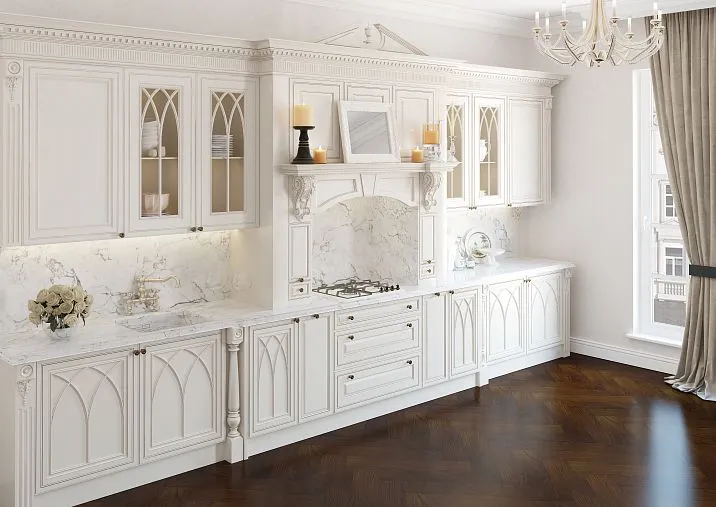
The kitchen is the heart of any home, the place where the family gathers for meals, where new ideas are born, and where culinary masterpieces become reality. In recent years, kitchens made from solid wood have gained special recognition due to their eco-friendliness, durability, and timeless beauty. Such kitchens are not just functional spaces but works of art, where each element tells its own story. In this article, we will thoroughly examine the advantages of solid wood kitchens, manufacturing technology, design trends, as well as practical recommendations for selection, maintenance, and use. If you aim to create an interior filled with warmth, natural harmony, and unique style, solid wood kitchens are your perfect choice.


Advantages of solid wood kitchens




Natural beauty and uniqueness of the material
Natural wood possesses an incomparable texture, variety of shades, and natural wood grain patterns, making each kitchen unique. Unlike laminate, MDF, or composite materials, solid wood conveys the entire palette of natural colors—from light, almost white tones to rich, deep shades. Each element of the kitchen, crafted from solid wood, carries a part of nature, creating an atmosphere of coziness and harmony.
The uniqueness of solid wood lies in the fact that no table or cabinet will be absolutely identical to another. Natural variations in color and texture give the kitchen individuality, making it not just a place for food preparation but a center of aesthetic enjoyment. Such a kitchen becomes a reflection of your taste, emphasizing the importance of natural materials and the traditions of artisan craftsmanship.
Our factory also produces:


Strength and durability
One of the main advantages of solid wood kitchens is their exceptional durability. Solid wood, unlike multi-layered constructions, does not contain glued joints, making the products more resistant to wear and mechanical damage. Solid wood kitchen furniture can withstand daily loads, remaining unchanged even with intensive use.
Thanks to their natural strength and stability, furniture made of solid wood can last for decades. With proper care and regular renewal of protective coatings, such items retain their performance characteristics, making them a worthwhile investment for your home. This is especially important for kitchens—spaces where high temperatures, humidity fluctuations, and constant movement require furniture to have maximum durability and longevity.
Get Consultation
Ecological purity and safety
In today's world, where ecological and health concerns are becoming increasingly relevant, natural wood occupies a special place. Kitchens made from solid wood are crafted from eco-friendly materials, ensuring safety and a favorable microclimate in the room. Natural wood contains no toxins or harmful chemicals, which is especially important for areas where food is prepared and family meals are held.
Using eco-friendly materials helps create a healthy living environment. Wood has the ability to regulate humidity levels and 'breathe,' which contributes to maintaining an optimal microclimate in the kitchen. Moreover, natural wood is a renewable resource, making its choice especially relevant for those who care about sustainable development and environmental protection.
Thermal and acoustic insulation
Thanks to its dense structure, natural wood possesses high thermal and acoustic insulation properties. Solid wood kitchens retain warmth even in cold seasons, contributing to creating a comfortable and cozy atmosphere. Effective sound insulation helps reduce noise levels, creating a calm environment for communication and creativity.
These characteristics are important not only for creating a cozy interior but also for improving the energy efficiency of the space. Maintaining warmth and reducing noise levels make the kitchen more functional and pleasant for living, positively affecting the overall comfort of the home.
Aesthetic versatility
Solid wood kitchens are versatile and easily fit into any interior. Regardless of whether you prefer a classic, modern, eco-, or industrial style, natural wood can create a harmonious and balanced look. A wide selection of wood species and shades allows you to choose furniture that perfectly complements other interior elements—whether granite countertops, glass hardware, or metallic accents.
Technology of manufacturing solid wood kitchens
The quality of a solid wood kitchen begins with the proper selection of wood. For manufacturing furniture from solid wood, only premium species are used, such as oak, beech, ash, walnut, and larch. Each species has its unique properties:
Raw Material Selection and Wood Species Choice
● Oak – symbol of strength and classic elegance. Oak products feature rich tones, expressive texture, and high resistance to wear.
● Beech – known for its light, uniform structure and modern appearance, making it ideal for minimalist interiors.
● Ash – has a warm tone and soft texture, giving products coziness and a traditional atmosphere.
● Walnut – a luxurious material with a rich color palette, adding exclusivity and refinement.
● Larch – valued for its resistance to moisture and longevity, making it suitable for manufacturing kitchen furniture in various climatic conditions.
Raw material selection includes strict quality control: the wood must be clean, free of knots and cracks, ensuring high strength and aesthetic appeal of the finished product.
After selection, the wood undergoes prolonged drying to reduce its moisture content to optimal levels. Modern drying technologies, such as vacuum and infrared drying, allow for even distribution of moisture throughout the material. Even drying prevents shrinkage, deformation, and cracking during use, ensuring the longevity of solid wood furniture. This stage is especially important for kitchens, where dimensional stability and structural strength play a key role in daily use.
Modern Drying Methods
After drying, the wood proceeds to the mechanical processing stage. Modern computerized machines ensure precise cutting, planing, and sanding of parts. Precision cutting guarantees ideal dimensions and proportions, while high-quality sanding creates a smooth surface, which is crucial for subsequent protective coatings. This process ensures high precision and neatness of each part, directly affecting the appearance and longevity of the finished product.
Mechanical processing: cutting, planing, and sanding
To preserve the natural beauty of wood and protect it from external influences, countertops, facades, and other kitchen furniture elements are coated with special compositions. There are several finishing methods:
Application of protective coating and final finishing
● Lacquering. Lacquer creates a glossy, even surface that not only highlights the wood's texture but also provides protection against moisture, scratches, and ultraviolet rays. Lacquered furniture looks elegant and classic, which is especially relevant for traditional interiors.
● Oil finish. Oil gives wood a natural matte appearance, preserving its natural tones and patterns. This method allows the wood to 'breathe' and naturally respond to microclimate changes, which is especially important for kitchen furniture subjected to temperature fluctuations.
● Combined technologies. Combining lacquer and oil allows achieving an optimal balance between protection and aesthetics, ensuring maximum durability and preservation of the natural appearance of the product.
Final finishing – the concluding stage of production, during which the item undergoes final polishing and quality inspection. Only after thorough quality control is the finished furniture put into sale, guaranteeing its compliance with the highest standards.
Finishing touches are the final stage of production, during which the item undergoes final polishing and quality inspection. Only after careful quality control is the finished furniture made available for sale, ensuring it meets the highest standards.
Final assembly and quality control
After all processing stages, individual furniture parts are assembled into a single unit. Final assembly includes checking the alignment of joints, structural stability, and aesthetic completeness of the piece. Each assembled unit undergoes strict quality control to ensure that the solid wood table meets requirements for strength, safety, and appearance. Such comprehensive measures guarantee that when purchasing furniture made of natural solid wood, you receive a product that will serve you for many years, delighting you with its natural beauty and reliability.
Design solutions and interior styling
Classic elegance
Classic style has always been synonymous with luxury and elegance. Kitchens and dining rooms designed in a classic interior cannot do without furniture made of natural wood, which imparts a sense of solidity and nobility to the space. A dining table or bench crafted from solid wood in a classic style often features intricate carving, decorative elements, and rich, warm tones of oak or walnut. Such pieces become central elements of the interior, setting the tone for the entire room and highlighting the high status of its owner.
Modern minimalism
Modern interiors designed in a minimalist style require furniture to be simple, sleek, and functional. Dining tables and other kitchen sets made of solid wood in a minimalist design are characterized by clean lines, lack of excessive ornamentation, and emphasis on the natural texture of the material. Light-colored woods such as beech or ash, with smooth, polished surfaces, visually expand the space and create a sense of freshness. Minimalism allows natural wood to speak for itself, highlighting its inherent beauty and organic quality.
Eco-style: natural harmony
Eco-interiors are based on the use of natural, eco-friendly materials and principles of sustainable development. Furniture made of solid wood, including dining tables, fits perfectly into the eco-style concept, emphasizing a connection with nature and creating an atmosphere of healthy, favorable microclimate. Natural wood tones, organic texture, and absence of artificial additives contribute to creating a space where harmony and comfort prevail. Such an interior becomes not only functional but also aesthetically appealing, reflecting a love for nature and a commitment to ecological purity.
Loft and industrial style
In loft or industrial design interiors, natural wood is often used to soften the harshness of cold materials such as concrete, metal, or glass. A dining table made of solid wood in such an interior may have a minimalist design, emphasizing the natural texture of the wood and its warm tones. The contrast between industrial elements and natural wood creates a unique visual effect, giving the space character and individuality. Such a table becomes a central element, unifying all components of the interior and creating a harmonious space.
Custom projects and designer design
Modern technologies allow for custom-made furniture, opening up limitless creative possibilities. A dining table made of solid wood, developed according to the client’s specific requests, becomes a unique work of art reflecting the owner’s personal style and individuality. The option to choose an exclusive design, add custom decorative elements — all this allows creating a table that will not only be functional but also a true focal point in the interior.
Practical recommendations for selection, installation, and care
Market analysis and supplier selection
When choosing a dining table made of solid wood, it is crucial to conduct a thorough market analysis. Pay attention to the manufacturer’s reputation, presence of quality certificates, warranties, and customer reviews. A reliable supplier guarantees that the product is made from premium raw materials using modern processing technologies and strict quality control. It is recommended to review the assortment on the website: %sbuy a solid wood dining tableTo evaluate all advantages and select the optimal solution for your interior.
Budget Definition
The cost of a solid wood dining table depends on many factors: the selected wood species, design complexity, finish level, and item dimensions. When preparing a budget, consider not only the cost of the item itself but also additional expenses for delivery, installation, and maintenance. Although solid wood may have a higher initial cost, its durability and uniqueness make such investments economically justified in the long term.
Attention to Details
The quality of solid wood tables is determined by attention to the smallest details. Check seam alignment, surface finish quality, trim neatness, and evenness of protective coating application. Any minor defects may negatively affect the aesthetic appeal and longevity of the item. The more carefully details are worked out — from wood grain structure to decorative elements and hardware — the higher the overall quality and uniqueness of your table.
Care and Maintenance Recommendations
To ensure a solid wood dining table retains its original beauty and functionality for many years, regular care is necessary:
● Regular cleaning. Wipe the surface with a soft cloth or sponge using only neutral cleaning agents to remove dust and dirt without damaging the protective coating.
● Refresh protective layer. Periodically perform light sanding and renew varnish, oil, or wax to maintain color saturation and protective properties of the wood.
● Control microclimate. Ensure stable humidity and temperature levels in the room to prevent material shrinkage, deformation, and cracking.
● Preventive inspection. Regularly check the table for cracks, chips, or other defects and promptly perform repair work to maintain structural integrity.
Installation and Setup
Proper installation of a solid wood dining table plays a crucial role in its longevity and functionality. Ensure the surface where the table will be placed is level, clean, and properly prepared. Use high-quality fasteners and follow installation standards to ensure structural stability and long-term usability of the item. If professional assistance is required, consult specialists to guarantee flawless execution.
Economic Efficiency and Long-Term Benefits
Durability as a Guarantee of Successful Investments
Solid wood dining tables are not just furniture — they are long-term investments in quality, durability, and ecological purity. Despite higher initial costs compared to synthetic materials, natural wood retains its performance characteristics and appearance for decades. This significantly reduces future expenses on maintenance and replacement, making the purchase economically justified.
Comparison with Alternative Materials
When choosing between a solid wood table and items made of MDF, laminate, or composite materials, consider not only price but also durability, ecological safety, and aesthetic appeal. Natural wood possesses a unique texture, warmth, and character that cannot be replicated by artificial materials. In the long term, investments in solid wood tables pay off due to the stability of their performance characteristics and unique appearance, which becomes more pronounced over time.
Improvement of Quality of Life and Increase in Interior Value
High-quality furniture made of natural wood significantly enhances the overall perception of the interior and quality of life for its inhabitants. A solid wood dining table becomes a central element, around which an atmosphere of warmth, comfort, and harmony is formed. An ecologically clean material contributes to creating a favorable microclimate, improves air quality, and positively affects emotional well-being. Such a table not only increases the aesthetic value of the interior but also makes the home more comfortable and functional, creating a space where the entire family gathers.
Conclusion
Choosingbuy a solid wood dining tableBy choosing a solid wood dining table, you make a conscious choice in favor of natural elegance, strength, and ecological purity. Such a table is not just furniture — it is a true work of art, created using centuries-old craftsmanship traditions and modern technologies for processing natural wood. It can transform your dining room, create an atmosphere of warmth, comfort, and harmony, and become a central element of your interior, reflecting your individual style and refined taste.
Natural wood used in manufacturing tables possesses a unique texture, warmth, and distinctive character, which gives the interior a special atmosphere and makes it alive. Modern drying methods, precise cutting, carving, sanding, and protective coating application ensure that each item will delight you with its quality and durability for decades. Proper care and attention to the smallest details turn a solid wood table into an indispensable element of your home, serving you faithfully for many years.
Investing in a solid wood table is an investment in the quality of life, ecological purity, and aesthetic value of your interior. Such a table will become a place where the family gathers for meals, where creative meetings and celebrations take place, where every meal becomes an event. It symbolizes your commitment to quality, love for natural materials, and respect for craftsmanship traditions.
If you dream of creating an interior filled with natural beauty, where every detail speaks of high craftsmanship and ecological purity, thenbuy a solid wood dining table — this is your path to realizing this dream. Let your home be filled with the warmth of natural wood, and your dining table become a central element that unites the entire family and brings joy through communication. Invest in the best, choose natural materials, and your interior will radiate natural beauty, durability, and harmony passed down from generation to generation.