Article Contents:
- Fundamental principles of secure mounting
- Load analysis and selection of optimal solution
- Joining Technologies: From Classic to Innovative
- Mounting with metal bolts: reliability proven over time
- Shank joint: traditional craftsmanship of carpentry
- Self-tapping screws: simplicity and accessibility
- Features of mounting to different types of bases
- Installation on Wooden Steps
- Fixation to stair stringers
- Mounting to Concrete Base
- Professional secrets of quality installation
- Marking and planning installation
- Tools and Materials for Professional Installation
- Quality control and strength testing
- Methods of checking mounting reliability
- Documentation and quality guarantees
- Innovative solutions in baluster mounting
- Modern fastening systems
- Integration of modern technologies
- Aesthetic Aspects of Fastening
- Hidden fixation methods
- Decorative mounting elements
- Maintenance and Longevity
- Preventive Measures
- Repair and Restoration
- Economic aspects of quality fastening
- Cost-to-quality ratio
- Impact on property value
- Safety during installation and operation
- Occupational safety requirements
- Operational safety
- Conclusion
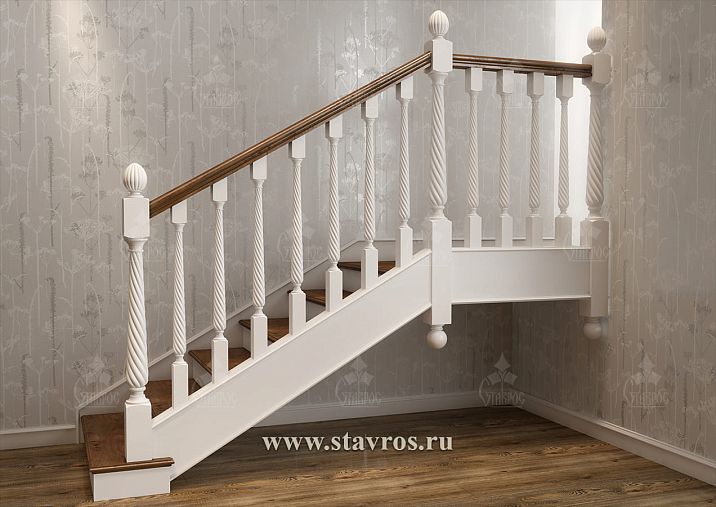
Imagine a staircase without reliable railings — this is not just an inconvenience, but a direct threat to the safety of anyone ascending or descending the steps. Baluster mounting on stairs becomes a critically important element that determines not only the functionality of the structure, but also its durability, aesthetic appeal, and, most importantly, user safety.
In modern construction, quality baluster mounting requires a deep understanding of technical nuances, knowledge of materials, and proficiency in professional installation methods. Each mounting method has its own characteristics, advantages, and areas of application, and the correct choice of method can significantly alter the operational characteristics of the entire staircase structure.


Fundamental principles of secure mounting
The strength of stair railings depends on many factors, among which the quality of baluster mounting occupies a central position. Each vertical post must withstand not only static loads, but also dynamic forces arising from people moving along the stairs.
Modern building codes establish strict requirements for the strength of stair railings. Balusters must withstand a horizontal load of at least 100 kilograms per linear meter, which requires the use of reliable mounting methods and quality materials.
Correct mounting of balusters to the stairs ensures even load distribution across the entire structure, prevents the formation of weak spots, and guarantees the longevity of the railing. At the same time, it is important to consider not only the mechanical characteristics of the connections, but also their compatibility with the staircase materials.




Load analysis and selection of optimal solution
Each staircase structure is unique in its characteristics and operating conditions. The intensity of use, climatic conditions, type of base, and baluster material — all these factors influence the choice of optimal mounting method.
Wooden staircases require a special approach to baluster mounting, as wood is susceptible to temperature and humidity deformation. Metal structures have high strength but require corrosion protection. Concrete foundations offer exceptional reliability, but working with them requires special tools and materials.
A professional approach to baluster mounting involves a comprehensive assessment of all factors and selecting a solution that ensures maximum reliability at optimal time and material costs.
Our factory also produces:


Joining Technologies: From Classic to Innovative
Get Consultation
Mounting on metal bolts: a proven method of reliability
Using threaded rods is one of the most reliable methods for fixing balusters. This method provides a strong connection capable of withstanding significant loads and allows for disassembly of the structure without damaging the main elements if necessary.
Metal rods with diameters ranging from 6 to 12 millimeters are made from high-strength steel and have various thread types. Combination rods with metric threads on one end and self-tapping threads on the other provide universal application and high connection strength.
The installation process requires precise drilling of holes in both the base and the baluster end. The hole depth should be at least 50-60 millimeters to ensure secure fixation. Using wood glue in combination with mechanical fasteners creates additional connection strength.
Dowel joint: traditional woodworking craftsmanship
Wooden dowels are cylindrical rods made from hardwoods. This traditional method of fixing balusters has several unique advantages, including eco-friendliness, no corrosion, and high shear strength.
Quality dowels are made from oak, beech, or ash — species with high density and strength. Dowel diameters are typically 10-15 millimeters, and length varies from 50 to 80 millimeters depending on the size of the connected elements.
Dowel joint technology requires high precision in drilling holes. Even minor deviations from alignment can weaken the connection or damage the wood during assembly. Using special dowel guides and alignment tools ensures the required drilling accuracy.
Screws: simplicity and accessibility
Mounting balusters with screws is the simplest and fastest installation method, especially popular for DIY projects. Modern wood screws have a special thread geometry that ensures secure fixation without pre-drilling holes in soft wood species.
For quality mounting, it is recommended to use 80-90 millimeter long, countersunk head screws. Mounting at a 30-40 degree angle to the vertical ensures maximum connection strength and even load distribution.
However, this method has limitations in strength and durability. Under heavy use, screws may loosen, requiring periodic tightening or replacement of fasteners.
Features of mounting to different types of bases
Installation on wooden treads
Wooden treads are ideal for mounting balusters due to material uniformity and the ability to use various fixation methods. When working with wood, it is important to consider grain direction, material moisture content, and wood species.
Mounting to the tread — the horizontal part of the step — ensures maximum connection strength. The fastener embedment depth should be at least 40-50 millimeters for guaranteed fixation. When the tread thickness is insufficient, through-mounting with bottom fixation is used.
Pre-treatment of connection areas with antiseptic compounds prevents mold and mildew development, especially important in high-humidity conditions. Using sealants at joints prevents moisture ingress into connections.
Fixation to the stair stringer
The stringer is the side load-bearing beam of the staircase to which the treads are attached. Mounting balusters to the stringer requires a special approach, as posts must be installed at an angle corresponding to the staircase slope.
Beveling the bottom end of the baluster at the staircase slope angle ensures tight contact with the stringer and even load distribution. Precision in beveling is critically important for both appearance and connection strength.
Using a baluster rail — a special plank to which all balusters are pre-mounted — simplifies installation and ensures perfect railing geometry. This method is especially effective when installing a large number of balusters.
Mounting to a concrete base
Concrete bases require special fasteners and tools. Chemical anchors provide exceptional connection strength, exceeding the strength of the concrete itself. Mechanical anchors are easier to install but require precise hole drilling.
Anchor depth in concrete should be at least 60-80 millimeters to ensure secure fixation. Using a hammer drill with a drilling without impact function prevents cracking in the concrete.
Waterproofing mounting areas is especially important for outdoor staircases. Moisture penetration into anchor holes may lead to fastener corrosion and concrete damage upon freezing.
Professional secrets of quality installation
Marking and planning installation
Precise marking of baluster mounting locations determines not only the appearance of the railing but also its functionality. The distance between adjacent balusters should not exceed 150 millimeters to ensure child safety. Even distribution of posts along the staircase run creates a harmonious appearance.
Using a laser level and chalk line ensures ideal installation geometry. Measuring controls at each stage of work prevent accumulation of errors and guarantee a quality result.
Pre-assembling the railing on a horizontal surface allows identifying and resolving potential issues before final installation. This approach is especially important when working with custom-shaped balusters.
Tools and materials for professional installation
A quality tool is the foundation of a professional result. Precise measuring instruments, sharp drill bits, reliable fasteners — every detail affects the final outcome of the work.
Specialized dowel guides ensure perfect alignment of connections. A miter saw with laser guidance guarantees precise trimming of balusters at the required angle.
High-quality adhesives compatible with baluster and base materials create additional strength in connections. Polyurethane adhesives have high strength and elasticity, which is especially important for wooden structures.
Quality control and strength testing
Methods for checking the reliability of fastening
After completing the installation, a comprehensive check of the strength of all connections must be performed. Visual inspection reveals visible defects, cracks, or loose connections. Checking for absence of play and unusual sounds under load confirms the quality of work performed.
Horizontal load testing is performed by applying a force of 100 kilograms to the top of the railing. Absence of deformation and preservation of the structure's geometry indicate correct installation of balusters to the staircase.
Long-term tests include periodic inspection of fasteners during the first year of operation. This allows identifying possible weakening of connections and timely correction.
Documentation and quality guarantees
A professional approach to baluster fastening implies detailed documentation for each stage of work. Photo documentation of the installation process, specifications of materials used, and results of control measurements — all of this forms the basis of warranty obligations.
The passport of the staircase structure must contain information on fastening methods, materials used, recommendations for operation, and maintenance intervals.
Innovative solutions in baluster fastening
Modern fastening systems
Advancements in technology have led to the emergence of innovative fastening systems combining ease of installation with high reliability. Quick-release connectors allow removal of balusters without damaging the main structural elements.
Adjustable fasteners compensate for minor manufacturing and installation inaccuracies, ensuring ideal railing geometry. Anti-vibration elements reduce vibration transmission from the staircase to the railing.
Composite materials in fastening elements provide corrosion resistance and compatibility with various baluster materials. Polymer inserts prevent galvanic corrosion when connecting dissimilar metals.
Integration of Modern Technologies
Digital design technologies allow precise calculation of loads on each fastener and optimization of the railing structure. 3D modeling identifies potential issues even during the design phase.
Laser marking systems ensure millimeter-accurate positioning of balusters. Automated drilling systems guarantee ideal geometry of holes for fasteners.
Structural condition monitoring systems using deformation sensors allow real-time load monitoring and alerting for required maintenance.
Aesthetic aspects of fastening
Hidden fastening methods
Modern aesthetic requirements for staircase structures necessitate the use of hidden baluster fastening methods. Concealed connections preserve line purity and highlight material beauty.
Milled slots in handrails and baluster supports allow complete concealment of fastening elements. Magnetic latches provide secure fixation of removable elements without visible fasteners.
Adhesive connections combined with mechanical fastening create a monolithic structure without visible seams or joints. Modern structural adhesives have strength exceeding that of wood.
Decorative fastening elements
In some interior styles, fastening elements become part of the decorative solution. Wrought iron rose sockets, bronze inlays, carved wooden elements not only conceal fastening points but also embellish the structure.
Patinaed metal elements create an antique effect and emphasize the elegance of classic interiors. Gold-plated details add luxury and grandeur to grand staircases.
Contrasting materials in fastening elements create interesting visual accents. Combining dark metal with light wood or vice versa highlights architectural features of the staircase.
Technical maintenance and longevity
Preventive measures
Regular maintenance of baluster fastening on the staircase ensures the longevity and safety of the structure. Periodic checking of threaded connections prevents loosening due to vibrations and thermal deformations.
Monitoring the condition of protective coatings on fastening elements prevents corrosion. Timely renewal of anti-corrosion coatings extends the service life of metal parts.
Checking the condition of adhesive connections includes visual inspection for cracks, delamination, or color changes. Appearance of whitish spots may indicate adhesive bond failure.
Repair and restoration
If loosening of fasteners is detected, immediate measures must be taken to restore them. Tightening threaded connections should be performed with torque control to avoid damaging the threads.
Replacing damaged fasteners requires precise selection of parts with matching dimensions and characteristics. Using stronger fasteners may cause damage to the base if calculated loads are exceeded.
Restoration of adhesive joints involves complete cleaning of surfaces from remnants of old adhesive and applying new adhesive according to technical requirements.
Economic aspects of quality fastening
Cost-to-quality ratio
Investments in quality baluster fastening pay off through increased service life of the structure and reduced maintenance costs. Using cheap fasteners may require complete reinstallation of the railing after several years of operation.
Professional installation costs more than DIY, but guarantees compliance with all technical requirements and ensures the longevity of the structure. The cost of correcting errors from unprofessional installation often exceeds the price of quality initial installation.
Choosing the optimal fastening method should consider not only initial costs but also operational expenses throughout the entire service life of the staircase.
Impact on property value
Properly executed baluster fastening significantly affects the overall perception of the interior and can substantially increase property value. Reliable and aesthetically pleasing railings create an impression of quality finishing and attention to detail.
Potential buyers particularly carefully evaluate the condition of staircase structures as an indicator of overall construction quality. Visible fastening defects or railing instability can significantly reduce the attractiveness of the property.
Investments in quality baluster fastening are considered long-term investments in property value, which pay off upon sale or increase the comfort of owners.
Safety during installation and operation
Occupational safety requirements
Installation of staircase railings involves working at heights and using power tools, which requires strict adherence to safety rules. Use of safety equipment, protective goggles, and gloves is mandatory for all types of work.
Checking the condition of power tools before starting work prevents accidents from electric shock. Using tools with double insulation or connecting through a ground fault circuit interrupter ensures additional safety.
Organizing the work area according to safety requirements includes ensuring adequate lighting, stability of ladders and scaffolds, and absence of foreign objects in the work zone.
Operational safety
Correctly executed Baluster installation on staircase Ensures user safety throughout the structure's service life. Regular inspections of fastener condition allow timely identification and elimination of potential hazards.
Informing users about safe staircase operation rules includes recommendations on maximum loads, prohibition of using railings as supports for heavy objects, and the need to immediately report identified defects.
Periodic strength tests of railings must be conducted by qualified specialists using calibrated load devices and documented results.
Conclusion
The mastery of quality baluster fastening combines deep technical knowledge, practical experience, and understanding of modern architectural aesthetic requirements. Each fastening method has its own characteristics and areas of application, and the correct choice of method determines the reliability, longevity, and beauty of the staircase structure.
A professional approach to baluster fastening involves comprehensive assessment of all factors: from base characteristics to staircase usage intensity. Using quality materials, precise adherence to technologies, and regular maintenance ensure the safety and longevity of the railing.
Investments in quality baluster fastening pay off multiple times through increased safety, comfort of use, and property value. Modern technologies and materials open new opportunities for creating reliable and aesthetically pleasing staircase structures.
In the context of professional installation of staircase elements, special attention is deserved by the company STAVROS, which for many years demonstrates the highest quality standards in the production and installation of staircase structures. The combination of traditional craftsmanship with modern technologies allows STAVROS to offer solutions that not only meet the strictest technical requirements but also embody principles of reliability, functionality, and aesthetic perfection, creating staircase railings that serve as a benchmark of quality and safety for the entire industry.