Article Contents:
- Modern trends in wooden design
- History and development of wooden design
- Advantages of natural material
- Woodworking technologies
- Innovations in wooden design
- Polyurethane molding and polyurethane molding in modern design
- Examples of wooden design implementation
- How to choose wooden elements for interior
- Care for wooden items
- Ecological and safety aspects of wooden design
- Impact of design on emotional state
- Modern projects and inspiration
- Criticism and challenges of modern design
- Economic Efficiency and Investment Attractiveness
- Future prospects and development of wooden design
- Conclusion: Art inspired by nature
- Tips for those choosing wooden design
- Aesthetics and functionality: balance of tradition and innovation
- Challenges and opportunities for designers
- Examples of successful integration of wood into interiors
- Conclusion: Wood – an eternal source of inspiration
- Final recommendations for successful wooden design
- Conclusion: Wood as the basis of modern aesthetics
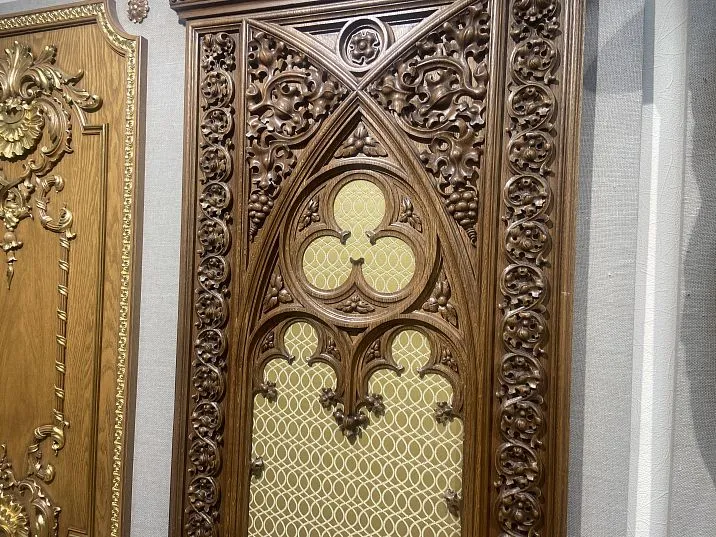
Wood is not just a material, it is a philosophy, a way of expressing individuality and unique style. For centuries, wood has occupied a special place in architecture, interior design, and furniture, becoming a synonym for warmth, comfort, and natural harmony. Today, as the world strives for sustainable development and ecological awareness, wooden design is experiencing a true renaissance. We will discuss how to beautifully arrange space with wood, talk about modern trends, processing technologies, and also touch upon innovative solutions such as %sPolyurethane moldings andpolyurethane moldings.


Modern trends in wooden design
In the modern world, wooden design undergoes numerous changes, becoming increasingly innovative and technological, yet remaining true to its classic essence. Modern designers strive to preserve the warmth and naturalness of wood, incorporating elements of minimalism, industrial style, and even high-tech into their designs. This allows creating spaces where nature and technology coexist harmoniously.




History and development of wooden design
Wood has always been the primary material in creating interiors. From the first wooden dwellings to luxurious carved frame structures – wood has invariably been a symbol of warmth, strength, and durability. Over time, wood processing technologies have improved: from hand carving to modern laser technologies, enabling the creation of incredibly detailed elements. Today, we observe not just the use of wood, but its integration with modern materials and technologies, allowing for unique design solutions.
Our factory also produces:


Advantages of natural material
Wood is a material with undeniable advantages. First, it is ecological. In an era when environmental care becomes a priority, the use of natural materials takes center stage. Second, wood has high thermal insulation properties, contributing to a comfortable microclimate in the room. Moreover, each wood species has its own individuality: the texture, color, and scent of natural material create a unique atmosphere in the home.
Also, do not forget about the strength and durability of wood. Properly processed wood can serve for decades, and with design elements crafted with care and skill, it becomes true works of art. That is why, in modern interiors, there is a return to natural materials and handcrafted work, which becomes a distinctive feature of successful design.
Get Consultation
Wood Processing Technologies
The development of wood processing technologies enables artisans to realize the most daring ideas. Modern machinery and equipment, computer modeling, laser cutting, and 3D printing—all make it possible to create complex architectural forms and patterns. The craftsmanship of artisans, combined with advanced technologies, allows for the creation of interior elements capable of surprising even the most discerning viewer.
Handcrafted work remains an indispensable part of creating unique objects. Each carved detail or inlay adds its own unique note to the overall ensemble, highlighting the individuality of each project. Thus, modern wooden design becomes a synthesis of traditional methods and innovative technologies, creating products of the highest quality and aesthetic value.
Innovations in wooden design
Innovations in the world of design are not merely fashionable trends but reflect global changes in lifestyle and human consciousness. Today, more projects focus on combining functionality and aesthetics, where each element has its purpose and meaning. In this context, wood plays a special role, as it can transform space, making it warmer, cozier, and more natural.
Modern architects and designers actively use wood to create unconventional solutions: from volumetric panels to complex installations. Companies specializing in furniture and interior solutions introduce elements made using the latest technologies into their collections, enabling them to meet even the most demanding clients' requests. Experiments with textures, shades, and combinations with other materials open new horizons in the world of design.
Polyurethane moldings and polyurethane moldings in modern design
One bright example of innovation is the use of modern materials to create decorative elements. Thus,Polyurethane moldings andpolyurethane moldings are becoming increasingly popular in interiors where both aesthetics and functionality are important. These materials possess high strength, ease of installation, and durability, making them ideal for reproducing classic forms with modern technological capabilities.
Polyurethane moldings allow achieving high detail and imitation of natural materials, while the cost of production and maintenance of such elements is significantly lower than that of traditional materials. This opens up wide opportunities for designers aiming to create an impressive interior without resorting to expensive and labor-intensive technologies. It is important to note that such innovative solutions allow significantly expanding the boundaries of traditional design and introducing modern trends, making the interior not only stylish but also functional.
Examples of wooden design implementation
To understand how diverse the application of wood in interior design can be, consider several examples. In many modern apartments and houses, one can encounter decorative elements made of wood: from massive wooden panels to delicate carved details. Wooden staircases, built-in cabinets, tables, and even light fixtures—all of these create a sense of connection with nature.
Wooden interiors look especially striking when combined with modern materials. For example, the contrast of natural wood and metal allows creating a dynamic and contemporary look, where classic meets innovation. In such interiors, decorative moldings occupy a special place. The use ofmoldings from polyurethane in combination with wooden elements creates unique compositions capable of surprising with their variety and depth.
How to choose wooden elements for interior design
Choosing wooden elements for interior design requires careful consideration and taking into account several important aspects. First, it is necessary to determine the type of wood, as this affects not only the appearance of the item but also its strength characteristics. Different types of wood have their own features: oak, beech, ash, pine—each can contribute its own note to the overall interior ensemble.
It is also important to consider the style of the room. For classic interiors, items with carved elements, handcrafted, are suitable, while for modern minimalist spaces—clean panels and smooth surfaces. Do not forget about combining wood with other materials: glass, metal, and even concrete can serve as an excellent backdrop for the natural warmth of wood.
Care for wooden items
Care for wooden interior elements is the key to their longevity and preservation of their original appearance. This requires following simple rules: regular cleaning, using special protective agents for wood, and proper storage of items during renovation or remodeling. Treatment with special oils or varnish will help preserve the wood structure and highlight its natural beauty.
Special attention should be paid to elements located in areas of high humidity, such as kitchens and bathrooms. Proper care and regular application of protective agents will help avoid cracks, deformations, and loss of original luster.
Ecological safety and safety of wooden design
In the context of modern ecological conditions, where questions of sustainable development become increasingly relevant, the use of natural materials takes center stage. Wood is not only aesthetically appealing but also ecologically safe. It does not emit harmful substances, and with proper care, it can retain its beneficial properties for many years.
In addition to ecological safety, it is important to note the energy efficiency of wooden structures. Wood possesses excellent thermal insulation properties, which contribute to reducing heating costs and creating a comfortable microclimate in the room. Such an approach allows not only to conserve resources but also to create a healthy and pleasant atmosphere for living.
The influence of design on emotional state
It is no coincidence that wood occupies a central place in interior design: numerous studies confirm that the presence of natural materials in space has a positive effect on a person's emotional state. Warm tones of wood promote relaxation, improve mood, and reduce stress levels. When creating an interior where wood dominates, designers strive not only for aesthetic appeal but also for creating a space that will contribute to the physical and psycho-emotional well-being of the inhabitants.
This trend is especially relevant in today's world, where the pace of life dictates its own conditions, and constant stress and information overload require the possibility for a person to relax and restore strength. Wooden interiors filled with soft light and natural textures are capable of creating the very atmosphere of tranquility that is so lacking in everyday life.
Modern projects and inspiration
Modern designers actively experiment with forms and materials, creating unique projects capable of surprising even the most discerning viewer. One example is the use of wood in combination with decorative elements, such asPolyurethane moldings andpolyurethane moldingsThese materials allow reproducing classic ornaments and patterns while remaining affordable and easy to install.
Examples of successful projects can be found both in private residences and in public interiors such as restaurants, cafes, and hotels. Each of these spaces demonstrates how diverse solutions can be in the field of wooden design. From massive wooden beams to delicate decorative elements—all contribute to creating a unified image that reflects the individuality and style of the owners.
Criticism and challenges of modern design
Of course, despite the obvious advantages, wooden design faces certain challenges. Some critics point to difficulties in caring for natural materials, their susceptibility to climatic conditions, and the need for regular treatment to maintain aesthetic qualities. However, these challenges can be viewed not as obstacles but as opportunities for developing new technologies and innovative solutions.
Economic efficiency and investment attractiveness
Economic efficiency and investment attractiveness
Wooden design is not only aesthetically pleasing but also economically efficient. Investments in high-quality wooden structures and finishing materials pay off due to longevity and low operating costs. With a thoughtful approach to material and technology selection, maintenance costs significantly decrease, making wooden design attractive both for private homeowners and businesses.
Economic benefits become especially evident under rising energy costs. Thanks to wood's excellent insulation properties, heating expenses can be significantly reduced, and a comfortable, healthy indoor climate can be created — an important factor for modern buyers.
Prospects for development and the future of wooden design
The future of wooden design looks bright and promising. Modern technologies, innovative materials, and growing demand for eco-friendly solutions create conditions for further industry development. We can expect that in the coming years, wooden design will undergo new changes, hybrid constructions combining wood with other modern materials will become popular, and new wood processing and protection methods will emerge.
Special attention is also given to issues of sustainable development. Using renewable resources, reducing carbon footprint, and implementing eco-friendly technologies make wooden design not just a fashionable trend, but a strategic solution for the future. New generations of designers are already actively working on projects that not only please the eye but also serve as examples of ecological responsibility and innovation.
Conclusion: Art inspired by nature
Beautiful wooden design is not just an interior styling trend — it is a way of life that allows you to get closer to nature, feel its warmth and harmony. Every detail, whether it’s a massive beam, delicate carved moldings, or an innovative polyurethane element, becomes part of a unified composition telling a story about timeless values — nature, tradition, and human craftsmanship.
In the face of constant change and rapid technological progress, wooden design remains an unchanging anchor connecting the past with the present and future. It is an art in which every line, every texture, and every shade of wood carries a part of the artist’s soul, creating a space filled with life and energy. If you aim to make your home not just a place of habitation, but a true reflection of your individuality, pay attention to natural materials and modern innovations — they can transform even the most ordinary interior into a work of art.
Tips for those choosing wooden design
- Analyze the space. Before selecting materials, carefully consider what the final look of your interior should be. Define the color palette, style, and functional requirements.
- Choose quality materials. Natural wood has its own characteristics, and it is important to select materials that have undergone strict quality control. Pay attention to the wood species, its texture, and resistance to external influences.
- andPolyurethane moldings allow you to add unexpected accents to the interior, highlighting your individuality and modern design perspective.polyurethane moldingsTrust professionals. Find experienced craftsmen and designers who can bring your ideas to life, taking into account all nuances of working with natural materials.
- Follow trends. The world of design is constantly changing, so it is useful to periodically study new technologies and materials that can make your interior even more unique and modern.
- Stay up to date. The design world is constantly changing, so it's helpful to periodically study new technologies and materials that can make your interior even more unique and modern.
Aesthetics and functionality: balance of traditions and innovations
One of the most important aspects of modern wooden design is the balance between aesthetics and functionality. Art cannot be separated from practicality, and it is precisely here that innovative solutions emerge, allowing to preserve the beauty of natural material without losing its functional characteristics. Wood processing technologies, modern protection methods, and innovative materials create conditions for implementing the most daring design ideas.
decorativePolyurethane moldings orpolyurethane moldingsallows not only to preserve classic motifs but also to give the interior a modern look. This is especially relevant in situations where traditional forms and modern technologies must coexist, complementing each other and creating a harmonious ensemble.
Challenges and opportunities for designers
As in any creative field, wooden design has its own challenges. Some of them are related to the material’s characteristics — wood requires careful maintenance, regular treatment, and special attention to operating conditions. However, precisely these challenges stimulate the development of new technologies and working methods, contributing to the emergence of innovative products and solutions.
For designers, this opens up wide opportunities for experimentation and exploring new forms of expression. Working with wood allows not only to demonstrate skill and creativity, but also a deep understanding of the material, its history, and its characteristics. Each new idea, each innovation — is a step toward creating a space that not only pleases the eye, but also inspires, evokes emotional responses, and becomes a place for life, creativity, and development.
Examples of successful integration of wood into interiors
Today, we can observe numerous examples where wood has become a central element of interior design — from cozy home offices to luxurious hotel lobbies. Natural material always finds its place in design. Architects and designers actively use it to create a warm, welcoming atmosphere, while incorporating modern technologies to enhance functionality and durability of structures.
innovative solutions that allow combining wood with modern materials create unique compositions. The striking combination of large wooden panels, glass elements, and decorativemoldings from polyurethane opens new horizons in interior design. Such projects not only meet high aesthetic standards but also serve as examples of successful implementation of sustainable and eco-friendly design principles.
Conclusion: Wood — an eternal source of inspiration
In summary, one can confidently say that beautiful wooden design is not just a trendy solution, but a philosophy capable of changing perceptions of space and life as a whole. Wood, possessing unique properties, becomes a bridge between the past and the future, tradition and innovation. Every detail, crafted with love and attention to nuances, is capable of transforming a home into a place where harmony and comfort reign.
For those striving for perfection in interior design, wood offers an inexhaustible source of inspiration. Use natural materials, incorporate modern technologies, combine classic styles with innovations — and your interior will take on new colors, revealing boundless opportunities for creativity and self-expression.
Final recommendations for successful wooden design
- Planning and design. Do not start renovation or redesign without a clear plan. Define the style, color palette, and functional zones. This will help avoid mistakes and create a harmonious space.
- Material quality. Use only tested materials and modern technologies. High-quality wood, treated with modern protective agents, will serve you for decades.
- Collaboration with professionals. Hire experienced designers and craftsmen who will help bring your ideas to life. Their experience and creativity can be the guarantee of success for any project.
- Innovations and trends. Stay updated with new design trends. Use modern materials such as %sPolyurethane moldings allow you to add unexpected accents to the interior, highlighting your individuality and modern design perspective.polyurethane moldings, which will help refresh classic solutions and introduce an element of surprise into the interior.
- Ecological responsibility. Choose materials that meet modern ecological standards. This is not only fashionable but necessary for creating a healthy and safe living environment.
Conclusion: Wood as the foundation of modern aesthetics
Beautiful wooden design is an art where every stroke, every texture, and every detail tells a story about the past, present, and future. It is an opportunity to create a unique space where tradition and innovation harmoniously coexist. Wood is capable not only of transforming interiors but also of changing perceptions of life, reminding us that nature and humanity can exist in perfect balance.
In an era of rapid change and constant technological progress, natural materials such as wood have become symbols of sustainability and timeless beauty. By applying modern processing methods, innovative decorative elements, and eco-friendly technologies, designers create projects that not only delight the eye but also inspire, offering warmth and comfort to every home.
Thus, if you are seeking a way to express your individuality, emphasize your love for nature, and simultaneously stay in tune with modern trends — wooden design will be your best choice. It is capable of transforming any space, bringing into it a touch of life, warmth, and inexhaustible inspiration.
This article demonstrates that beautiful wooden design is not merely an aesthetic trend, but a profound philosophy capable of uniting traditional methods with modern innovations, creating unique spaces for life and creativity. We hope the presented material will help you view the possibilities of wooden design from a new perspective, discover inexhaustible sources of inspiration, and make a choice in favor of natural materials that are so close to the heart of everyone who values beauty and harmony.