Article Contents:
- Introduction: Why should you make a table by hand?
- Preparation for work: Planning and selecting materials
- 1. Defining design and functionality
- 2. Choosing wood
- 3. Tools and equipment
- Stage 1: Creating the frame and supports
- Stage 2: Making the tabletop
- Stage 3: Assembly and finishing
- Moldings and decorative rails
- Carved appliqués and decorative elements
- Additional decorative solutions
- Thorough planning
- Quality control of materials
- Adherence to technology
- Use of modern technologies
- Individual approach to finishing
- Classic wooden table
- Modern minimalist table
- Eclectic table with individual decor
A wooden table is not just furniture, but a embodiment of traditions, coziness, and individuality that can be created by hand. Such a table will become a central element of the interior, adding warmth of natural wood and highlighting your love for craftsmanship. In this article, we will explain how to make a beautiful wooden table by hand, consider all stages of work, and pay attention to important details of decoration:Legs for tables, furniture legs, tabletop fabrication, and other nuances that will help create a truly unique item.


Introduction: Why should you make a table by yourself?
Making a wooden table by yourself is not just saving money, but an opportunity to bring your creative ideas to life and obtain a product that will delight the eye and serve for many years. Such a table can be adapted to any interior, made unique and functional. Working with natural wood allows you to preserve its ecological and natural beauty, as well as add individual details, such as original table legs or furniture supports.
Advantages of making a table by yourself:
● Uniqueness. Each table, handcrafted, is unique and will not be found in any other home.
● Economy. You choose the materials yourself and control the manufacturing process.
● Creative freedom. Opportunity to experiment with shape, finish, and details.




Preparation for work: planning and selecting materials
Our factory also produces:





1. Defining design and functionality
Before starting to make the table, it is important to clearly visualize its final appearance. Decide on the dimensions, shape, and style. Will it be a classic rectangular table, round, or perhaps one with asymmetrical lines? Determine its purpose: for family meals, office work, or as a decorative element in the living room.
Get Consultation
2. Choosing wood
The quality of the wood is the guarantee of the longevity and aesthetics of the finished product. Suitable woods for making a table include oak, beech, ash, or maple. Each has its own advantages: oak is known for its high strength and distinctive texture, beech for its lightness and elegance, and maple for its uniform color.
Before beginning work, the wood should be thoroughly dried, sanded, and treated with special compounds that protect against moisture and insects. This will help preserve the natural beauty of the material and extend the lifespan of the table.
3. Tools and equipment
To create a wooden table, you will need:
● Saw (hand or electric) for cutting wood.
● Hand plane and sander for surface finishing.
● Drill and screwdriver for fastening parts.
● Tape measure, square, and level for precise measurements.
● Safety goggles, gloves, and mask for safety.
Stages of making a wooden table
Stage 1: Creating the frame and supports
The foundation of any table is a strong frame that determines its shape and stability. Here, the following are important:Legs for tables andfurniture legs.
● Frame construction. Start by making the main frame using wooden beams. The frame must be sturdy and able to bear weight, so pay special attention to measurement accuracy and joint fastening.
● Leg installation. Choose leg style that matches the overall table concept. Legs can be straight, curved, or carved. They not only provide stability but are also an important decorative element.
● Furniture supports. Additional supports help evenly distribute the tabletop’s weight and prevent sagging. This is especially important for large tables, where the frame bears significant load.
Stage 2: Making the tabletop
The tabletop is the central element of the table, defining its functionality and appearance. It can be made from a single solid wood slab or assembled from multiple layers using lamination technology.
● Preparing slabs. If you choose a solid slab, ensure the wood is evenly dried and free of defects. For a laminated tabletop, prepare several layers to be bonded together with special glue.
● Sanding and finishing. After assembling the tabletop, carefully sand it to remove irregularities. Then apply primer and varnish or stain to protect the surface and highlight the wood’s texture.
Stage 3: Assembly and finishing
After manufacturing all main components, the table must be assembled.
● Assembling frame and tabletop. Carefully connect the frame with installed legs and supports, then attach the tabletop. Ensure all joints are strong and secure.
● Edge finishing. To give the table a finished look, you can treat its edges with decorative elements, such as molding or carved inlays. These elements can become features that enhance the table’s unique style.
Final sanding and finishing. Perform final sanding to make all surfaces perfectly smooth. Apply a protective coating to preserve the table's appearance and ensure the longevity of the piece.
Decorative solutions: What can be used to decorate the table
Moldings and decorative rails
Moldings and cornice, baseboard These are classic elements that can be used to decorate the edges of the tabletop and side surfaces. They not only give the piece an elegant look but also conceal technological joints, making the table more harmonious and finished.
Carved inlays and decorative elements
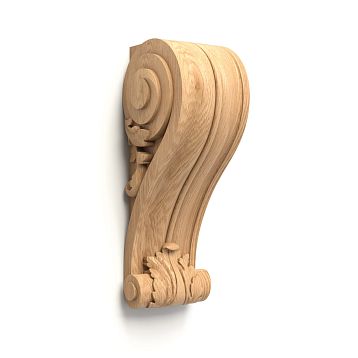
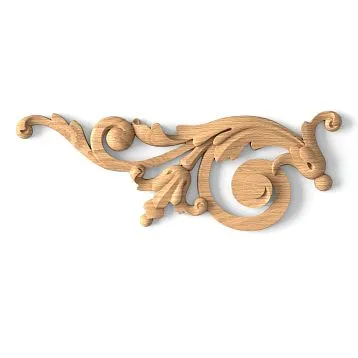
To give the table a special elegance, you can use carved inlays. These elements are made by hand or with modern technologies and can be placed on side panels, edges of the tabletop, or even on legs. Carved details highlight the uniqueness of the piece and become a focal point in the interior.
Additional decorative solutions
In addition to basic elements, you can also add other decorative solutions:
Inlay. Using materials such as stone, marble, or metal to create patterns on the tabletop.
Finishes and stains. Choosing the color and texture of the finish allows you to highlight the natural beauty of wood and create the desired atmosphere in the interior.
Tips and recommendations for a successful project
Thorough planning
Before starting work, it is important to create a detailed plan including drawings, dimensions, and a list of required materials. This will help avoid mistakes and optimize the manufacturing process.
Material quality control
Choose only high-quality wood, check for defects and uniformity of texture. Good material is the guarantee of the longevity and beauty of the finished table.
Adherence to technology
Carefully follow the technological process: from wood preparation to final finishing. Each stage is important to achieve the ideal result.
Use of modern technologies
Do not hesitate to use modern tools such as laser cutters or CNC machines. They will help achieve high precision and neatness in details, especially when manufacturing table legs and furniture supports.
Individual approach to finishing
Let each element of your table reflect your individuality. Experiment with decorative elements, choose colors and textures to create a piece that will delight you every day.
Project implementation examples
Classic wooden table
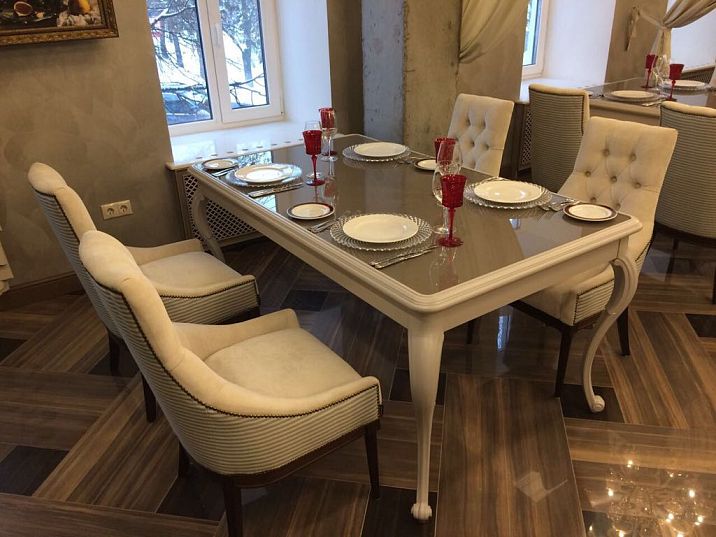
In a classic interior, a wooden table made by hand becomes not just a functional item, but a true work of art. Here, the important role is played byLegs for tables andfurniture legswhich give the piece strength and stability. The tabletop, finished in natural tones, harmoniously complements carved inlays and moldings, making the table elegant and refined.
Modern minimalist table
For lovers of modern minimalism, you can create a table with clean, simple lines. In this case, the main thing is to preserve the natural beauty of wood, avoiding excessive decoration. However, even a minimalist table can be adorned with subtle accents: stylish legs and neat furniture supports, as well as using a modern tabletop that highlights the wood grain.
Eclectic table with individual decoration
If you like to experiment with shapes and materials, try creating an eclectic table where classic elements combine with innovative solutions. Here, carved inlays, decorative moldings, and inlay elements can serve as what can be used to decorate the table, making it a striking accent in the interior. Such a table will not only be functional but also reflect your creative individuality.
Conclusion: Your table is your work of art
Creating a beautiful wooden table by hand is an opportunity to infuse your soul into the piece, making it unique and irreplaceable. The main idea lies in using high-quality natural wood and carefully following the manufacturing technology. Each stage — from preparing the raw material to the final finishing — plays an important role in achieving the perfect result.
All decorative elements, such asLegs for tables, furniture legs, tabletops, moldings, and carved inlays — these are what you can use to adorn the table, adding extra elegance and individuality. These details not only highlight the natural beauty of the wood but also create an item that will become the centerpiece of your interior, reflecting your taste and pursuit of perfection.
May your handmade wooden table become a symbol of craftsmanship, warmth, and coziness that you bring into your home. Experiment, create, and enjoy the process, for every detail of your piece is a step toward creating a true work of art that will delight you and your loved ones for many years.