Article Contents:
- Natural inspiration and the story of wood
- Wood as a source of life and creativity
- Evolution of wooden items
- Harmony of form and functionality
- Carved shelves: when tradition meets innovation
- Styles and Design Variations
- Preparation stage: choosing an idea and materials
- Manufacturing stage: step-by-step guide
- Tips from experienced masters
- Shelves as a central decorative element
- Play of Light and Shadow
- Experiments with shapes and colors
- Individuality and Uniqueness
- Savings and satisfaction from the work
- Ecological and natural properties

In the world of interior design, nothing is more captivating than items crafted from natural wood, which not only bring warmth and comfort to the home but also highlight the individuality of its inhabitants. Beautiful wooden shelves are not just functional elements, but true works of art, where every line and curve tells a story of craftsmanship and natural harmony. In this article, we will thoroughly examine the features of creating and decorating wooden shelves, as well as explain whycarved wooden shelves are a sought-after element of modern interior design.


Natural inspiration and the story of wood




Wood as a source of life and creativity
Wood has always been a symbol of life, stability, and natural beauty. Its unique texture, warm tones, and natural luster can transform any space, giving it warmth and harmony. Historically, wood has been used in crafts since ancient times, and its processing has been passed down from generation to generation. Every craftsman working with this noble material strives to preserve its natural splendor, emphasizing its individual characteristics.
Creating beautiful wooden shelves not only decorates your home but also infuses life into every interior item. Handcrafted work, skillfully executed carving, delicate decorative elements — all of this makes shelves unique, giving them a special emotional depth and aesthetic value.
Our factory also produces:


Evolution of wooden items
Over time, woodworking techniques have undergone significant changes. Modern technologies such as laser cutting and computer modeling allow artisans to create items with unprecedented precision and detail. However, despite the adoption of innovative methods, traditional craft techniques remain an essential part of creating beautiful shelves, as it is precisely in these techniques that the soul of natural material lies.
Get Consultation
Shelf design: functionality and aesthetics
Harmony of form and functionality
When designing wooden shelves, it is necessary to consider not only the aesthetic aspect but also functionality. Each shelf should be convenient for use, withstand the required load, and harmoniously fit into the overall interior. It is important to plan what items will be placed on the shelf: books, decorative elements, plants, or personal collections. Clear structure, thoughtful section placement, and optimal dimensions—all of this contributes to the shelf fulfilling its primary purpose while remaining a true decoration of the space.
Carved Shelves: When Tradition Meets Innovation
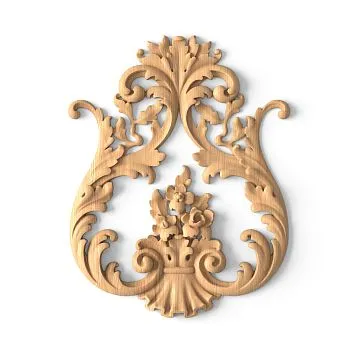
Carved shelves occupy a special place in the world of wooden shelves. These items are embodiments of ancient craftsmanship, conveying history through delicate lines and intricate patterns. Wooden carved shelves not only serve a practical storage function but also become a striking interior accent, drawing attention and evoking admiration. Visitcarved wooden shelvesto see examples of items where carving craftsmanship combines with modern design ideas, creating unique forms capable of transforming any space.
Styles and Variations of Design
Beautiful wooden shelves can vary from minimalist, sleek constructions to richly decorative compositions with carving elements. The choice of style depends on the overall design solution of your interior. For classic styles, shelves with refined carving and decorative elements are suitable, while for modern interiors, you can choose simpler, cleaner forms where the focus is on the natural material.
Moreover, shelves can be combined with other decorative elements, such as decorative inserts, LED lighting, or unconventional wall placement. Such a creative approach allows you to create a unique space where every detail contributes to the overall impression of coziness and harmony.
Practical Guide: How to Make Wooden Shelves Yourself
Preparation Stage: Choosing an Idea and Materials
First, determine the concept of your future shelf. Think about what function it should perform, what items will be placed on it, and what style it should have. Once you have an idea, choose the appropriate wood. Beginners will find spruce or birch ideal, with their beautiful texture and ease of processing, while more refined pieces can use oak or walnut, which give the shelf elegance and durability.
Also, prepare a detailed plan, draw sketches, and compile a list of necessary tools: saws, sanders, drills, levels, and other woodworking tools.
Manufacturing Stage: Step-by-Step Guide
- Marking and Cutting Wood. Carefully measure and mark the required dimensions on the boards. Use a square ruler and tape measure for accuracy. Carefully cut the boards along the marked lines, ensuring a clean cut.
- Surface Treatment. After cutting, sand the edges and surfaces with a sander or sandpaper to remove burrs and roughness. This will create a smooth and even base for further finishing.
- Assembly. Assemble the frame of the future shelf using fasteners—screws, brackets, possibly adhesive joints for added strength. Check the structure for stability and levelness using a level.
- Finishing. Apply the chosen protective coating to the surface: varnish, oil, or wax. This not only highlights the natural beauty of the wood but also protects the shelf from external influences. You may also wish to add decorative elements—carving, inlays, or even painting—to give the item individuality.
- Final Touches. After the finish has dried, install the shelf in place and securely fasten it to the wall. Check that the item can withstand the load and harmoniously fits into the interior.
Tips from Experienced Craftsmen
● Carefully plan each stage. The better you plan the project at the sketch stage, the less likely you are to make mistakes during manufacturing.
● Use high-quality materials. High-quality natural wood is the guarantee of durability and aesthetic appeal of the finished product.
● Don't be afraid to experiment. Even if you are making a shelf for the first time, try new ideas, combine different styles and finishes—this is how true masterpieces are born.
● Pay attention to safety. When working with power tools, always wear safety goggles and gloves, ensure adequate lighting and ventilation in the work area.
Inspiration and Ideas for Interior Design
Shelves as a Central Decorative Element
Beautiful wooden shelves can become a true accent in the interior. Placed on the wall in the living room, bedroom, or office, they can not only perform a practical storage function but also create an atmosphere of coziness, adding notes of natural warmth and style to the space. With the right selection ofcarved wooden shelves, you will be able to introduce an art object element into the interior that will inspire you and your guests.
Play of light and shadow
Experiments with shapes and colors
Experiments with shapes and colors
Don't limit yourself to standard forms: try creating a shelf with an unconventional shape, use combined constructions, or add decorative elements. Natural wood combines beautifully with modern decor elements—metallic details, glass inserts, or even bold color accents. Such experiments will help create a unique interior that reflects your individuality and creative approach.
Advantages of making shelves by hand
Individuality and uniqueness
When you make a wooden shelf by hand, you create not just a piece of furniture, but a unique artwork fully matching your taste and needs. Every detail, every line becomes a reflection of your vision, making the item one-of-a-kind. Such shelves can become a focal point, highlight the individuality of your space, and tell a story that mass production cannot convey.
Savings and satisfaction from the work
Making shelves by hand allows you to save significantly, especially if you have the necessary tools and skills in woodworking. Moreover, the process of creating such an item brings great satisfaction: you not only learn something new, but also feel proud of your own work. This becomes an inspiration for further creative projects and helps develop practical artisan skills.
Ecological and natural properties
Using natural wood is not only an aesthetic but also an ecological choice. Natural materials, such as wood, do not contain harmful substances, contribute to creating a healthy microclimate in the home, and are environmentally friendly. Such items serve you for many years, remaining faithful to their original beauty and functionality.
Conclusion: Art Embodied in Wooden Shelves
Beautiful wooden shelves made by hand are not just furniture items, but true works of art capable of transforming any space. They combine centuries-old craftsmanship traditions, modern design solutions, and the unique charm of natural materials. Each stage of creation—from planning and material selection to assembly, finishing, and installation—becomes a creative process that brings joy and satisfaction.
By creating such shelves, you not only enrich the interior, but also leave a mark of your creativity, making the home more cozy, harmonious, and filled with warmth. This is an opportunity to express your individuality, showcase your talent, and demonstrate respect for nature, which inspires us to create beauty.
Let each shelf you create by hand become not just a functional element, but a true masterpiece that will delight the eye, inspire, and bring warmth, tranquility, and the feeling of true beauty into your home, where every tree tells its own story, and every curve reflects love for craftsmanship. Discover the magic of working with wood, and let your interior be filled with natural warmth, refined elegance, and a unique style that cannot be replicated in any other material.