Article Contents:
- Introduction
- Importance of railings in staircases
- Functional purpose of railings
- Aesthetic role of railings
- Staircase posts
- Staircase balusters
- Staircase handrails
- Handrails
- Strength and stability
- Compatibility and harmony
- Resistance to external influences
- Innovative materials
- Modern processing methods
- Integration of safety systems
- Step 1. Project analysis and requirement definition
- Step 2. Budget determination
- Step 3. Searching and comparing offers
- Step 4. Consulting with experts
- Step 5. Testing and quality assessment
- Step 6. Installation and subsequent maintenance
- Classic Interiors
- Modern minimalist interiors
- Industrial and loft interiors
- Growing demand for eco-friendly solutions
- Innovative technologies in production
- Personalization and custom orders
- Implementation in private homes
- Commercial Buildings
- Renovation of old staircases
- Proper installation
- Regular Maintenance
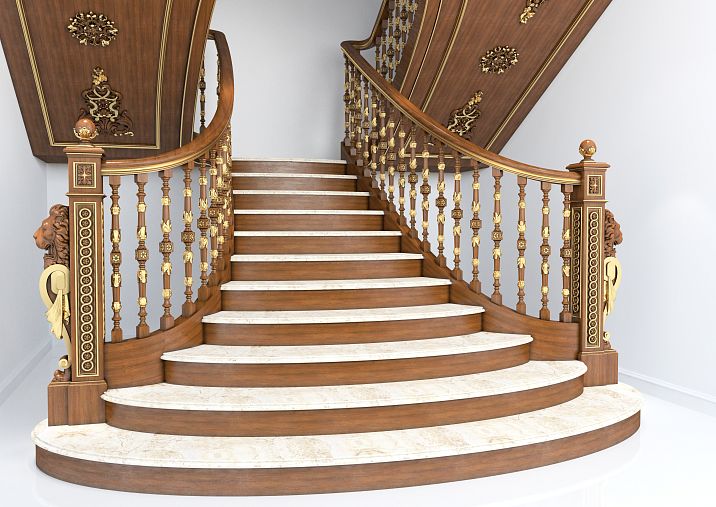
In modern construction and interior design, a staircase is not merely a means of moving between floors, but an important element of the architectural ensemble that sets the tone for the entire space. Special attention is given to staircase railings, as they ensure user safety and significantly contribute to the aesthetic perception of the interior. Properly selected railing components help create not only a reliable structure but also an expressive decorative element that reflects the owner’s individuality.
In this article, we will thoroughly examine modern safety solutions for staircases, discuss the main categories of railing components, such as %sPosts for staircase, balusters for staircases, stair railings and handrails, and provide a practical guide to their selection and installation. We will discuss selection criteria, technical specifications, and also consider installation and maintenance tips that will ensure the safety and longevity of your staircase railings.


Introduction
Stair railing is not only a structural element designed to ensure safety and prevent falls, but also an important decorative accent in interior design. The proper selection of components depends on the reliability of the structure, its compliance with modern safety standards, and its aesthetic appeal. Modern solutions allow you to choose items that seamlessly fit any style—from classic to minimalism and industrial design.
When selecting components for stair railings, it is necessary to consider numerous factors, such as material, strength, design style, and the conditions of the room's use. High-quality items not only enhance safety but also become decorative elements capable of transforming the appearance of the stairway.
In this article, we provide a practical guide to help you make an informed choice, compare different solutions, and understand which elements will suit your interior. We will thoroughly examine each category of components, provide recommendations for their selection and installation, and share the experience of leading specialists in architecture and design.




The significance of railings in the stairway
Our factory also produces:



Functional purpose of railings
The primary task of stair railings is to ensure user safety. Railings prevent falls from the stairs, provide hand support, and thereby reduce the risk of injury. Safety is the top priority, especially in homes with young children, elderly people, or in high-traffic areas.
Quality railings must withstand significant mechanical loads, be resistant to wear, and not lose their operational characteristics over time. That is why selecting components for railings is a responsible decision requiring attention to materials, manufacturing technology, and installation methods.
Get Consultation
Aesthetic role of railings
In addition to their functional aspect, stair railings are an important decorative element. They can give the interior individuality, become a striking accent, and highlight the style of the room. Depending on the chosen design, railings may appear strict and minimalist or, conversely, elegant and decorative.
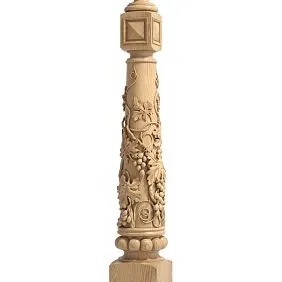
Using components with original decorative elements, such as carving or inlay, allows achieving an exclusive effect. For example, decorativebalusters for staircases can become true works of art, and refined finials serve as the finishing touch in railing design.
Main components for stair railings
To create a reliable and aesthetically pleasing railing, several main categories of components are used. Let's examine them in detail.
Staircase posts
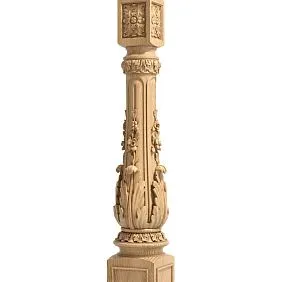
Posts for staircase – these are support elements that secure the entire railing structure. They perform two important functions:
● Provide stability and strength to the stairway.
● Serve as a decorative element, defining the style and character of the railing.
When selecting posts, consider:
● Material. Natural wood, metal, or composite materials—each option has its advantages. Wooden posts add warmth to the interior, while metal ones provide strictness and modernity.
● Dimensions and shape. Proportionally sized posts ensure even load distribution and harmoniously fit into the overall stair design.
● Finishing and treatment. Quality finishing protects posts from external influences such as moisture and mechanical damage and preserves their aesthetic appearance.
Staircase balusters
balusters for staircases – these are details that ensure safety and aesthetic appearance of the railing. They perform the following functions:
● Create a support surface to grip while ascending or descending the stairs.
● Decoratively finish the railing, giving it individuality and style.
Main criteria for selecting balusters:
● Design. Balusters can be carved, smooth, or have a combination design. The choice depends on the overall interior style—classic, modern, loft, or minimalism.
● Material. Like posts, balusters can be made of wood, metal, or composites. It is important that they match the other railing elements.
● Strength and reliability. Balusters must withstand mechanical loads and be resistant to wear.
Staircase handrails
stair railings – these are elements that provide additional support and safety during stair use. They are an essential part of the railing, especially in homes with young children or elderly people.
When selecting handrails, it is important to consider:
● Ergonomics. Handrails should be comfortable to grip and positioned at the optimal height.
● Materials and finish. Handrails can be made of wood, metal, or polymer materials. Quality finish will protect them from wear and make them more attractive.
● Style. Handrails should harmonize with the rest of the railing elements and match the overall interior style.
Handrail caps
Finials are finishing elements that give the railing a complete look. They serve a protective function, preventing mechanical damage at the ends of posts and balusters, and also act as decorative elements.
Key points when selecting finials:
● Design and finish. Finials can have various shapes and finishes — from classic to modern, depending on the overall staircase style.
● Material. Usually, finials are made from the same material as the rest of the railing elements, ensuring their harmonious integration.
● Functionality. In addition to their decorative function, finials should contribute to even load distribution across the railing structure.
Technical criteria for selecting components
When selecting components for staircase railings, it is important to consider not only the aesthetic aspect, but also the technical characteristics that ensure the longevity and safety of the structure.
Strength and stability
Each railing element must withstand mechanical loads arising from daily use. The strength of components directly depends on the selected material and manufacturing technology. Therefore, when selecting components, pay attention to the following points:
● Material certification. Use products that have passed necessary tests and have quality certificates.
● Construction and manufacturing technology. Items manufactured using modern technologies (e.g., CNC machines or laser cutting) feature high precision and durability.
Compatibility and harmony
It is very important that all components for staircase railings are compatible with each other both technically and aesthetically. Mismatch in dimensions or styles may lead to disharmony in the interior and compromise the structural integrity of the staircase. We recommend choosing items that belong to a single range from a reputable manufacturer to ensure compatibility.
Resistance to external influences
Staircase components, especially railings, must be resistant to moisture, temperature fluctuations, and other environmental factors. This is especially relevant for objects located in regions with aggressive climates. Quality finishes, anti-corrosion coatings, and special protective compounds will help maintain the appearance and performance characteristics of the items for many years.
Modern solutions and innovations
In recent years, the market for staircase railing components has seen an increase in innovative solutions aimed at enhancing safety, convenience, and aesthetics of the structure. Let’s consider some of them.
Innovative materials
Modern technologies allow the use of composite materials that combine the advantages of natural wood and metal. These materials have high strength, wear resistance, and eco-friendliness. They are ideal for creating railings that must withstand significant mechanical loads while also pleasing the eye with their appearance.
Modern processing methods
The use of laser cutting, CNC machines, and computer modeling allows creating items with a high degree of detail and precision. This is especially important for decorative elements, such asbalusters for staircases and finials, where every detail matters.
Integration of safety systems
Modern staircase railing components include innovative systems aimed at enhancing safety. For example, special fastening elements that allow easy and quick installation of railings, as well as systems ensuring even load distribution, significantly reduce the risk of mechanical damage. Such solutions are especially relevant for high-traffic areas, where safety is a priority.
Practical guide to selecting components for wooden staircases
Step 1. Project Analysis and Requirement Definition
Before beginning the selection of components, carefully analyze the project. Determine:
● Type and style of the staircase.
● Overall interior concept.
● Technical requirements for the railing (loads, operating conditions, climatic features).
This will help form a clear list of required items and set parameters for their search.
Step 2. Determining the budget
Quality components can vary significantly in price. Determine how much budget you are willing to allocate for updating or installing the railing. Do not cut corners on safety — investing in quality materials and professional installation will pay off in the long run.
Step 3. Searching and Comparing Offers
Review offers from various manufacturers and suppliers. Pay attention to the following aspects:
● Product range and variety.
● Presence of quality certificates and positive reviews.
● Possibility to order items according to custom specifications.
For convenience of selection, use the website of a verified supplier, which offers a wide range of components, including such categories asPosts for staircase, balusters for staircases, andstair railings.
Step 4. Consultation with Experts
If you have questions about selection or technical specifications of items, do not hesitate to consult specialists. Experienced designers and builders will help you choose optimal solutions, taking into account all nuances of your project.
Step 5. Testing and Quality Assessment
Before installation, be sure to evaluate the received items:
● Check if dimensions and shape match project requirements.
● Ensure quality of processing and finishing.
● Test fasteners to ensure their reliability.
Step 6. Installation and Subsequent Maintenance
After selecting components, it is important to install them correctly according to technical documentation. Proper installation is the key to the longevity and safety of the structure. Regular maintenance of the railing, timely renewal of protective coatings, and periodic inspection of fasteners will help preserve the original appearance and performance characteristics of the items for many years.
Examples of Successful Interior Solutions
Classic interiors
In a classic interior, the staircase often becomes a central decorative element. Here, preference is given to items with rich finishes, carved elements, and traditional forms.
● Wooden balusters for staircases add warmth and elegance to the structure.
● Carved balusters for staircases serve as a striking accent, highlighting the sophistication of the interior.
● Decorative finials complete the composition, giving the staircase a finished look.
Such solutions create an atmosphere of solemnity and historical depth, turning the staircase into a true work of art.
Modern minimalist interiors
In modern interiors designed in a minimalist style, emphasis is placed on simplicity and functionality.
● Simple and strictPosts for staircase with minimalist finishing.
● Minimalistbalusters for staircases without excess, but with high functionality.
● Ergonomic and easy-to-installstair railings.
Such solutions allow creating a light and airy look, where every detail emphasizes simplicity and strictness of lines, and the railing becomes a harmonious part of the interior.
Industrial and loft interiors
In interiors designed in an industrial or loft style, staircase railings are often finished using metallic elements and rough textures.
● Metal balusters with rust or aged finish create a distinctive industrial look.
● Balusters may be made of metal with minimalist design or combined with wooden elements, adding warmth and coziness to the interior.
● Metal handrails with minimalist shapes ensure high strength and reliability of the structure.
This style requires balancing the roughness of materials with their aesthetic appeal, and modern processing technologies allow achieving the ideal combination of these parameters.
Trends and Development Prospects
Growth in demand for eco-friendly solutions
Modern consumers are increasingly paying attention to the ecological aspect of products. When selecting components for wooden staircases, preference is increasingly given to items made of natural wood treated with environmentally friendly compounds. This not only ensures the longevity of the structure but also contributes to creating a favorable microclimate in the home.
Innovative technologies in production
Thanks to modern production technologies such as laser cutting and CNC machines, products become more precise and detailed. This allows creating unique decorative elements that were previously available only through custom orders. Such innovative solutions enable integrating modern technologies into traditional designs, making them even more functional and aesthetically pleasing.
Personalization and custom order
Personalization is becoming a key trend in modern interior design. Many manufacturers offer the possibility of producing components according to individual projects. This allows creating a unique railing perfectly matching the client's tastes and needs, as well as harmoniously blending into the overall interior style.
Practical Cases and Real Examples
Implementation in private homes
In private homes, the staircase often becomes a central element of the interior. One example is a classic wooden staircase with carvedstaircase postsand decorativebalusters for staircases and elegantstaircase handrails. Such a project requires careful attention to material selection, where the main emphasis is placed on durability and artistic finishing. The result is a staircase that is not only functional but also a source of pride for the owners.
Commercial spaces
In commercial facilities such as hotels and business centers, staircase railings must comply with strict safety standards and at the same time be aesthetically pleasing. The use of modern materials and technologies allows creating railings capable of withstanding intensive use. Here, combined solutions are often applied, where metal and wooden elements harmoniously combine to create a stylish and reliable design. Such constructions easily adapt to various design concepts, whether strict minimalism or luxurious classicism.
Renovation of old staircases
Repair and updating old staircases is not just about restoring the structure, but also an opportunity to introduce new ideas into the interior. During renovation, often individual components are replaced with modern equivalents, which allows improving the staircase's operational characteristics without compromising its historical appearance. The use of modernbalusters for staircases andhandrails for staircases not only increases safety but also restores the staircase's original beauty, integrating it into the modern interior.
Recommendations for installation and maintenance of railings
Proper installation
Correct installation of components is key to the longevity and safety of the railing. During installation, it is important to:
● Conduct thorough preparation of the foundation.
● Use only high-quality fasteners.
● Follow project documentation and manufacturer instructions.
● Check the level and verticality of each element using a construction level.
A properly installed railing can withstand significant loads and maintain its functionality for many years.
Regular maintenance
To ensure railings retain their original appearance and operational characteristics, it is necessary to regularly perform:
● Cleaning from dust and dirt.
● Updating protective coatings (varnish, oil, antiseptic).
● Preventive inspection of fasteners and connecting elements.
These measures will help promptly identify and eliminate possible malfunctions, as well as prevent the development of corrosion or other defects.
Conclusion
components for stair railings are fundamental elements that determine not only safety but also the aesthetics of the entire structure. High-qualityPosts for staircaseand elegantbalusters for staircasesand reliablestair railings and decorative finials form a set that allows creating a railing meeting the highest safety and aesthetic requirements. Proper selection of materials, strict adherence to technical specifications, and correct installation are the main conditions for creating a reliable and beautiful staircase railing.
We have considered key aspects of selecting components for a wooden staircase: from evaluating the project and determining the budget to consultations with experts and comparing market offers. Attention to details, use of modern technologies, and regular maintenance ensure the longevity of the structure and create an interior that will delight the eye and provide safety for many years.
Do not compromise on quality and consult with proven suppliers to ensure every detail of your staircase serves you faithfully. Investing in reliable components and paying attention to installation will ensure comfort, safety, and aesthetic pleasure in your home.
Let your staircase become not only a functional element but also a true work of art, reflecting your refined taste, pursuit of perfection, and care for safety.