Article Contents:
- Conceptual Foundations of Material Combination in Interior Design
- Principles of Harmonious Integration of Diverse Elements
- Functional Differentiation of Zones
- Symbiosis of Solid Wood and MDF: Technological and Aesthetic Possibilities
- Characteristics and Application Areas of MDF Components
- Technologies for Creating Visual Uniformity
- Areas of Optimal Application of Combined Solutions
- Integration of Polymer Materials into Wooden Interiors
- Modern PVC Solutions and Their Characteristics
- Technological Solutions for Creating Style Unity
- Zonal Application of Polymer-Wood Combinations
- Metallic Accents in Wooden Interiors
- Aluminum Profile Systems
- Decorative Metal Inserts
- Technical Aspects of Metal-Wood Joints
- Stylistic Differentiation and Zonal Planning
- Classic Interiors with Modern Accents
- Modern Minimalist Solutions
- Loft and Industrial Interiors
- Technical Aspects of Material Combination
- Issues of Compatibility and Durability
- Methods of Joining Diverse Materials
- Features of Installing Combined Systems
- Economic Aspects and Cost Optimization
- Strategies for Rational Material Use
- Price-Quality Ratio of Various Solutions
- Long-Term Economic Efficiency
- Common Mistakes and Ways to Prevent Them
- Stylistic Incompatibilities
- Technical Flaws
- Operational Problems
- Professional Recommendations and Best Practices
- Principles of Successful Design
- Criteria for Material Selection
- Quality Control of Implementation
- Frequently Asked Questions

Modern interior design strives to create unique spaces where each element serves not only functional purposes but also becomes part of an artistic composition. Combining solid wooden skirting boards with other materials opens up limitless opportunities for creative self-expression, allowing the creation of interiors that are both respectable and practical. Wooden baseboard Combined with modern composite materials, metallic elements, or high-tech polymers, it creates amazing visual effects and ensures optimal balance between aesthetics and functionality.
The philosophy of a mixed approach is based on understanding that different zones of a room may have different requirements for finishing materials, and thoughtful combination allows using the advantages of each material where they are most effective. This approach is not only economically justified but also opens new horizons for design experiments.


Conceptual Foundations of Material Combination in Interior Design




Principles of Harmonious Integration of Diverse Elements
Successful combination of solid skirting boards with alternative materials requires a deep understanding of the visual and functional characteristics of each component. Natural wood possesses a unique texture, warmth, and elegance that cannot be fully replicated by artificial materials. However, modern composites offer advantages in terms of resistance to moisture, mechanical impacts, and ease of maintenance.
The key principle is creating visual continuity while maintaining functional differentiation. Wooden skirting board options can serve as a basis for developing a unified stylistic concept, which is then adapted to different zones of the room according to their specific requirements.
Color harmony becomes the link between different materials. Even if textures differ significantly, a properly chosen color palette creates a sense of interior cohesion. Modern coloring and toning technologies allow achieving nearly complete color matching between natural wood and synthetic materials.
Our factory also produces:
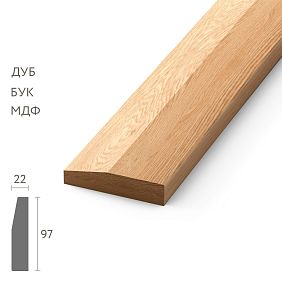
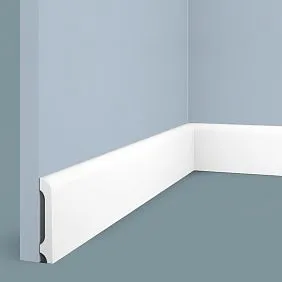
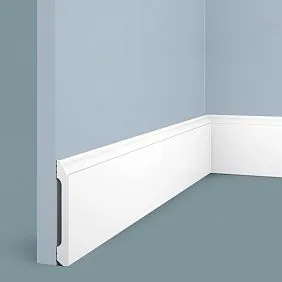
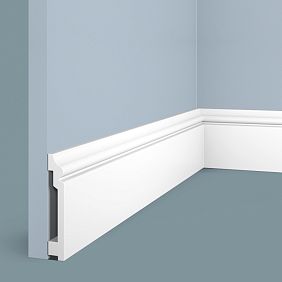
Functional Differentiation of Zones
Different zones of residential or commercial spaces have different requirements for finishing materials. The entrance zone, characterized by high traffic and exposure to outdoor dirt, can optimally use skirting boards made of wear-resistant synthetic materials. Meanwhile, living rooms or bedrooms, where atmosphere of coziness and naturalness is important, are ideally suited for using solid wooden elements.
Kitchen zones with high humidity and risk of contamination require materials with high resistance to chemical exposure and ease of cleaning. Bathrooms impose maximum requirements for moisture resistance. In such conditions, combining materials allows using the advantages of each material under optimal conditions for it.
Transition zones play a special role in creating harmonious interiors. Corridors, halls, and staircases require special attention to creating visual connections between different functional zones. Thoughtfully executed transitions between different skirting board materials create a sense of thoughtful and professional design solutions.
Get Consultation
Synergy of Solid Wood and MDF: Technological and Aesthetic Possibilities
Characteristics and Application Areas of MDF Components
Solid wood MDF skirting board represents a modern solution that successfully imitates natural wood at significantly lower cost. Medium-density fiberboard has excellent dimensional stability characteristics, making it ideal for use in variable humidity conditions.
The surface of MDF skirting boards can be veneered with natural wood, creating a visually indistinguishable finish from solid wood. Modern technologies allow not only replicating the color and pattern of wood but also its tactile characteristics. Such products combine the aesthetics of natural materials with the practicality of modern composites.
The economic efficiency of MDF components makes it possible to use more expensive solid elements in key interior zones where their presence is most significant. For example, a formal living room can be furnished with solid skirting boards made of premium wood, while secondary rooms can be fitted with quality MDF equivalents in the same style.
Technologies for Creating Visual Uniformity
Modern surface treatment methods allow creating MDF skirting boards that are practically indistinguishable from solid counterparts. Deep embossing technology reproduces wood grain texture, creating a three-dimensional surface. Multi-layer coloring using special pigments mimics natural wood color transitions.
Special importance is given to dimensional characteristics compatibility. Wooden Skirting Board Sizes must strictly match MDF component parameters to create visual continuity. Modern manufacturers offer standardized dimensional series ensuring full compatibility of different materials.
Profiling plays a key role in creating a unified stylistic solution. Complex decorative profiles traditionally made from solid wood can be precisely reproduced on MDF blanks using high-precision milling equipment. This allows creating comprehensive solutions where expensive solid elements are used as accents, while the main volume is composed of economical MDF components.
Areas of Optimal Application of Combined Solutions
Residential spaces represent an ideal sphere for applying combined solutions. Bedrooms and living rooms, where atmosphere of warmth and naturalness is important, are best suited for using solid skirting boards. Children's rooms, subjected to intense mechanical impacts, can be furnished with durable MDF elements with protective coating.
Commercial spaces require a special approach to material selection. Reception areas of offices, where it is important to create an impression of solidity and success, are ideally suited for massive baseboards made of premium wood species. Work zones with high traffic can use practical MDF solutions with enhanced wear resistance.
The restaurant industry imposes specific requirements on finishing materials. Guest areas require creating an atmosphere of comfort and coziness, achieved through the use of natural materials. Kitchen production zones require materials with high resistance to moisture, temperature fluctuations, and aggressive cleaning agents.
Integration of polymer materials into wooden interiors
Modern PVC solutions and their characteristics
PVC baseboards of the latest generation differ fundamentally from primitive plastic products of previous years. Modern manufacturing technologies allow creating PVC baseboards with high-quality imitation of natural wood, including three-dimensional texture and natural matte gloss.
Main advantages of PVC components include absolute moisture resistance, UV resistance, ease of cleaning and maintenance. These characteristics make polymer baseboards ideal for use in bathrooms, kitchens, laundries, and other areas with aggressive operating conditions.
The economic efficiency of PVC solutions allows using massive wooden baseboards in the most significant interior zones, delegating technical areas to practical polymer alternatives. This approach ensures optimal budget distribution without compromising the overall stylistic concept.
Technological solutions for creating stylistic unity
Modern technologies for decorating PVC surfaces allow creating finishes visually indistinguishable from natural wood. Thermal printing technology ensures deep penetration of the decorative layer into the material structure, creating a wear-resistant and long-lasting finish.
Special attention is paid to reproducing the tactile characteristics of wood. Modern PVC baseboards can not only imitate the visual texture of wood but also its feel upon touch. This is achieved through special surface treatment creating a micro-relief corresponding to the structure of wood fibers.
Color coordination between massive and polymer elements requires a professional approach. Natural wood is characterized by a complex color structure with multiple shades and transitions. Modern digital printing technologies allow accurately reproducing these characteristics on PVC surfaces.
Zonal application of polymer-wood combinations
Bathrooms represent an ideal area for applying PVC baseboards in combination with wooden elements from other zones. High humidity, temperature fluctuations, and exposure to cleaning agents make polymer materials the optimal choice. At the same time, visual connection with wooden elements from the hallway or bedroom is maintained through precise reproduction of color and texture.
Kitchen zones require materials with high resistance to fats, acids, alkalis, and temperature effects. PVC baseboards excel in meeting these requirements, ensuring ease of cleaning and long-term durability. Kitchen work zones can use practical polymer solutions, while the dining area can feature noble massive elements.
Children's rooms impose special requirements for material safety and practicality. PVC baseboards of the modern generation are manufactured from environmentally safe materials that do not emit harmful substances. Their resistance to mechanical impacts and ease of cleaning make them ideal for children's rooms and play areas.
Metal accents in wooden interiors
Aluminum profile systems
Aluminum elements combined with massive wooden baseboards create stylish contrasts characteristic of modern interiors. Anodized aluminum inserts can imitate various metals — from matte steel to noble bronze. Such solutions are especially effective in minimalist interiors, where clear lines and contrasting textures are important.
Functional advantages of aluminum components include absolute corrosion resistance, high mechanical strength, and ease of maintenance. Aluminum elements can be used as decorative inserts, functional channels for communications, or protective overlays in high-use zones.
Manufacturing Wooden Baseboards Integration with metallic elements requires high precision and professional equipment. Modern technologies allow creating composite items where each material is used where its properties are most effective.
Decorative metal inserts
Metal inserts serve not only functional but also decorative purposes. They can emphasize architectural lines of the room, create visual accents, or act as a connecting element between different interior components. Bronze, copper, or steel inserts add elegance and individuality to the interior.
Modern metal processing technologies allow creating unique decorative effects. Patination, brushing, polishing open wide opportunities for creative self-expression. Metal elements can harmonize with furniture hardware, lighting fixtures, decorative elements, creating a cohesive design concept.
Integration of metal components requires precise calculation of thermal deformations. Different coefficients of thermal expansion of wood and metal may lead to gaps or deformations under temperature changes. Professional solutions include compensating gaps and flexible joints.
Technical aspects of metal-wood connections
Reliability of connection between different materials determines the longevity of the entire structure. Modern adhesive compositions provide strong bonding between metal and wood, but require special surface preparation. Mechanical connections using concealed fasteners ensure disassemblability for maintenance.
Corrosion protection is especially important in high-humidity conditions. Even aluminum, possessing natural corrosion resistance, requires protective coatings in aggressive environments. Modern anti-corrosion compositions provide long-term protection for metal elements.
Thermal treatment of wood in contact with metal prevents cracking and deformation. Special impregnations increase wood stability and compatibility with metal components.
Stylistic differentiation and zonal planning
Classic interiors with modern accents
Traditional interiors allow for cautious integration of modern materials while preserving the overall stylistic direction. Wooden Straight Skirting Board Solid hardwood can be combined with high-quality imitations in less significant areas. The key to success is precise reproduction of decorative elements and proportions.
Victorian style, with its complex profiled elements, may use solid wooden skirting boards in formal rooms and quality MDF alternatives in service areas. Modern routing technologies allow for precise reproduction of intricate historical profiles on composite materials.
Neoclassicism requires strict adherence to proportions and symmetry. Combining materials should be imperceptible, preserving the illusion of using exclusively natural materials. High-quality imitation becomes a critically important factor.
Modern minimalist solutions
Minimalism opens wide opportunities for combining various materials due to its emphasis on functionality and simplicity of forms. Wooden Flat Skirting Board can effectively combine with metallic or polymer elements, creating interesting texture contrasts.
Scandinavian style, with its love for natural materials, allows the use of high-quality imitations in technical zones. Light wood species combined with white or gray polymer elements create the characteristic atmosphere of purity and simplicity for this style.
High-tech style welcomes the use of modern materials and technologies. Combining natural wood with metallic and polymer components creates the characteristic contrasts of this style and emphasizes its technological orientation.
Loft and industrial interiors
Industrial style inherently implies the combination of various materials and textures. Massive wooden elements combined with metal structures and modern composites create the characteristic atmosphere of repurposed industrial space.
Loft interiors often use contrasting combinations of rough wood with polished metal or matte polymers. Such combinations emphasize industrial aesthetics and create visual interest.
Brutalism in interior design may use combinations of massive wooden elements with concrete or metallic surfaces. Skirting boards in such interiors serve as a connecting element between different materials and textures.
Technical aspects of combining materials
Compatibility and durability issues
Different materials have different coefficients of thermal expansion, which may lead to gaps or deformations when temperature changes. Professional design includes compensatory gaps and flexible joints to prevent such problems.
The moisture resistance of different materials requires special attention in rooms with variable humidity. Natural wood may deform with changes in humidity, while synthetic materials remain stable. Proper design takes these differences into account.
Chemical compatibility of materials is important for ensuring the longevity of connections. Some adhesive compositions may be incompatible with certain types of coatings or materials. A professional approach requires careful selection of compatible materials and technologies.
Methods of joining dissimilar materials
Mechanical connections provide reliability and the possibility of disassembly for maintenance. Hidden fasteners preserve the aesthetic appeal of connections, making them imperceptible. Modern fastening systems provide high strength and durability of connections.
Adhesive connections require special compositions compatible with different materials. Structural adhesives provide strength comparable to mechanical connections while maintaining the cleanliness of the external appearance. Proper surface preparation is critically important for connection quality.
Combined methods combine the advantages of mechanical and adhesive connections. This approach ensures maximum reliability and longevity of structures, especially under variable loads and temperature-humidity influences.
Features of installing combined systems
The sequence of installing combined systems requires careful planning. Different materials may require different fastening technologies, complicating the installation process. Professional installation ensures the correct sequence of operations and quality of the result.
Tools for working with different materials may differ significantly. Processing solid wood requires carpentry tools, working with metal requires machine tools, installing polymer elements requires specialized fixtures.
Quality control at each stage of installation ensures the reliability of the entire system. Checking dimensions, connection quality, and correct installation prevents problems during operation.
Economic aspects and cost optimization
Strategies for rational material use
Proper planning allows optimal distribution of expensive solid elements to the most significant zones of the interior. Wooden Skirting Boards in Interior Design create an atmosphere of prestige and naturalness where it is most important for the perception of space.
Formal zones — living rooms, offices, dining rooms — justify the use of expensive solid skirting boards made from premium wood species. Technical rooms, storerooms, laundries may use economical alternatives without compromising the overall concept.
Step-by-step implementation of the project allows costs to be distributed over time. Initially, high-quality imitations may be installed, with subsequent replacement by solid elements as feasible. This approach ensures flexible budget planning.
Price-to-quality ratio of various solutions
Solid wooden skirting boards offer maximum durability and prestige, but require significant initial investment. Their use is justified in spaces where representation and longevity are important.
High-quality MDF skirting boards provide an excellent price-to-quality ratio. They are suitable for most residential spaces, offering an attractive appearance and acceptable longevity at a moderate cost.
PVC skirting boards offer maximum economy and practicality. Their use is justified in technical rooms, children's rooms, and areas with harsh operating conditions.
Long-term Economic Efficiency
Well-executed combined systems provide optimal long-term economic efficiency. Proper selection of materials for each zone minimizes maintenance and replacement costs.
The possibility of phased system modernization ensures flexibility in managing costs. As individual elements wear out or requirements change, they can be replaced without dismantling the entire system.
Professional design and quality installation ensure a long service life for all system components, minimizing the need for repairs and replacements.
Common mistakes and ways to prevent them
Stylistic inconsistencies
The most common mistake is attempting to combine radically different styles without considering their compatibility. Classical profiled skirting boards poorly match ultra-modern minimalist elements. Successful combination requires identifying common stylistic elements.
Neglecting color coordination can ruin the overall interior cohesion. Even minor differences in shades become noticeable when comparing materials. A professional approach requires careful selection of color combinations.
Ignoring scale relationships leads to visual imbalance. Combining large, tall skirting boards with thin, low elements creates an unpleasant impression of incompleteness.
Technical flaws
Incorrect joining of dissimilar materials may result in gaps, deformations, and connection failures. Professional installation requires using compatible materials and fastening technologies.
Underestimating temperature and humidity deformations leads to problems during operation. Different materials react differently to changes in operating conditions, which must be considered during design.
Using low-quality imitations may ruin the overall interior impression. Cheap materials with poor texture and color reproduction become obvious when compared to natural elements.
Operational problems
Incorrect material selection for specific operating conditions leads to premature wear and loss of appearance. Moisture resistance, mechanical strength, and chemical resistance must match the usage conditions.
Complex maintenance of combined systems may create operational problems. Different materials require different cleaning and maintenance methods, complicating system upkeep.
Incompatibility of cleaning agents with different materials may damage individual elements. Professional maintenance recommendations ensure long-term preservation of the appearance of all components.
Professional recommendations and best practices
Principles of successful design
Perceptual integrity should be a priority when designing combined systems. Different materials should create the impression of a single, thought-out solution, not a random combination of disparate elements.
Functional justification of each solution ensures the logic and practicality of the system. Each material should be used where its properties are most effective and necessary.
The possibility of modernization and maintenance should be incorporated during the design phase. The system must allow replacement of individual elements without dismantling the entire structure.
Material selection criteria
Operating conditions determine material requirements. Humidity, temperature fluctuations, mechanical loads, and chemical exposure must be considered when selecting each system component.
Aesthetic requirements include color coordination, texture compatibility, and stylistic unity. High-quality imitation is critically important for creating a convincing visual effect.
Economic considerations must account not only for initial cost but also for maintenance expenses, longevity, and the possibility of replacing individual elements.
Quality control of implementation
Adherence to project documentation ensures the realization of the designer's concept. Deviations from the project may disrupt the balance and harmony of the system.
The quality of materials must correspond to the stated characteristics. Using materials of questionable quality may ruin the overall impression of the interior.
The professionalism of installation determines the durability and reliability of the entire system. Qualified installation ensures proper operation of all components and their long service life.
Frequently Asked Questions
Can different skirting boards be used in one apartment?
Using different types of skirting boards in one apartment is not only possible, but often the optimal solution from both practical and economic perspectives. The key to success is creating visual continuity between different materials through color and stylistic unity. The most effective approach involves using solid wood skirting boards in formal areas — living room, office, dining room — where an atmosphere of prestige and naturalness is important. Bedrooms can use either solid wood or quality MDF skirting boards depending on budget and ecological requirements. Technical rooms — bathrooms, kitchens, laundry rooms — are ideally suited for PVC skirting boards due to their moisture resistance and ease of maintenance. Children's rooms can use impact-resistant polymer or MDF skirting boards with protective coating. It is important to ensure smooth transitions between zones with different materials, using a unified height, profile, and color palette.
How to combine solid skirting boards with MDF?
Does a combination of different materials look harmonious?
Does the combination of different materials look harmonious?
Harmonious combination of different materials in skirting boards depends on professional design and quality execution. When approached correctly, mixing materials not only looks harmonious but also creates additional opportunities for design solutions. Key principles of successful combination include maintaining a unified stylistic concept, precise color coordination, and adherence to proportions and scales. Modern technologies allow creating high-quality imitations visually indistinguishable from natural materials. Functional justification of each solution enhances the impression of thoughtfulness and professionalism. For example, using moisture-resistant materials in humid areas and prestigious natural materials in formal zones creates a logical and practical system. It is important to avoid sharp contrasts and ensure smooth transitions between different zones. Professional installation with precise fitting of elements and quality finishing of joints is critically important for creating the impression of a unified whole.
Combining solid wood skirting boards with alternative materials opens new horizons for creating unique, functional, and economically efficient interior solutions, allowing maximum utilization of the advantages of each material under optimal conditions for it.