Article Contents:
- Features of polyurethane molding
- How to choose adhesive for polyurethane molding?
- 1. Compatibility with polyurethane
- 2. Type of surface
- 3. Water resistance
- 4. Speed of setting
- Application tips for adhesive for polyurethane molding
- 1. Surface preparation
- 2. Applying adhesive
- 3. Fixing elements
- 4. Removing excess adhesive
- 5. Final finishing
- Advantages of using specialized adhesive
- Conclusion
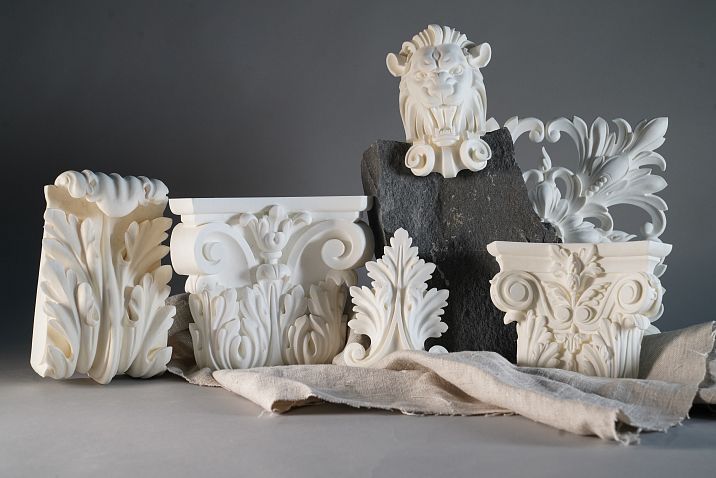
The correct choice of adhesive for installing polyurethane molding is a key stage that determines the durability and aesthetic appeal of decorative elements. Polyurethane molding, due to its unique properties, is widely used for interior and facade decoration. However, to ensure high-quality and reliable installation, it is essential to use an appropriate adhesive that matches the material's specific characteristics.
In this article, we will thoroughly examine how to chooseadhesive for polyurethane molding, which characteristics to consider, and how to apply it correctly.


Features of polyurethane molding
Before moving on to selecting adhesive, it is important to understand what makes polyurethane molding unique. This material combines lightness, strength, and ease of processing. Polyurethane molding is used to decorate ceilings, walls, facades, furniture, and other interior elements.
Key advantages:
● Lightweight: Polyurethane elements do not add extra load to walls and ceilings, simplifying the installation process.
● Resistance to external influences: The molding retains its shape and color, does not crack, and does not lose its appearance.
● Variety of forms and styles: Polyurethane decorative elements include moldings, ceiling roses, decorative beams, and other items.
For secure mounting of such decor, it is necessary to use a special adhesive that ensures strong adhesion to the surface. For more information on the variety of decorative elements, please visit themain section of polyurethane products.




How to choose adhesive for polyurethane molding?
Choosing the right adhesive for installing molding depends on several factors: type of surface, size of elements, and operating conditions (indoor or outdoor work). Let's consider the main criteria that will help make the right choice.
1. Compatibility with polyurethane
The adhesive must be specially designed for use with polyurethane. This is important to ensure reliable adhesion of the material to the surface and to avoid deformation. polyurethane materials They have a specific structure, so universal adhesives may not be suitable.
2. Surface type
● For smooth surfaces (gypsum board, painted walls, concrete), use adhesives with high adhesion.
● For porous surfaces (brick, plaster), use penetrating adhesives to ensure better bonding.
3. Water resistance
For outdoor work (e.g., installation ofpolyurethane facade molding) choose a water-resistant adhesive, resistant to temperature fluctuations and weather exposure.
4. Fast setting
If you plan to install large elements, such aspolyurethane decorative beams or ceiling outlets, pay attention to fast-setting adhesives. This will simplify the installation process and reduce working time.
Our factory also produces:


Tips for using polyurethane molding adhesive
Correct use of adhesive is the key to long-term durability and reliability of installation. Follow the recommendations below to achieve perfect results.
1. Surface preparation
Before applying adhesive, the surface must be thoroughly cleaned of dust, grease, and contaminants. This ensures better bonding of the adhesive to the substrate.
● For porous surfaces, it is recommended to apply a primer to increase adhesion.
● For glossy surfaces, it is important to create a rough texture using fine sandpaper.
2. Applying adhesive
● Apply adhesive in dots or in a zigzag pattern to the back of the polyurethane element. For large elements, use a special applicator to evenly distribute the compound.
● Gently press the element against the surface to remove excess adhesive.
3. Fixing elements
For large elements, such aspolyurethane beams or wide moldings, it is recommended to temporarily support them until the adhesive fully dries.
4. Removing excess adhesive
If the adhesive has oozed beyond the edges of the element, remove it with a damp cloth or sponge before it hardens.
5. Final finishing
After the adhesive has dried, proceed with final finishing: painting, varnishing, or patination. Use acrylic paints that match well withwith polyurethane moldings.
Get Consultation
Advantages of using specialized adhesive
Using the appropriate adhesive for polyurethane molding offers numerous advantages:
- Strong adhesion: Elements remain securely in place, do not peel off, and do not deform over time.
- Versatility: The adhesive is suitable for use on various surfaces — gypsum board, concrete, wood, plaster.
- Ease of use: Special adhesives are easy to apply, they set quickly and provide neat mounting.
All necessary mounting materials can be found atmain section of polyurethane products.
Conclusion
Choosing the right adhesive is an important step in mountingmoldings from polyurethane. Consider the surface characteristics, element sizes, and operating conditions to achieve an ideal result.
If you want to create a stylish interior or renovate a facade, visitpolyurethane products section, where you will find not only decorative elements but also materials for their installation. With high-quality adhesive and accessories from Stavros, your interior or facade will look perfect!