Article Contents:
- What Does Architectural Artistic Design Include?
- Decorative Elements for Façade Design
- Main Elements of Façade Artistic Design
- Window and Door Opening Design: Detailing and Expressiveness
- Decorative Elements for Balconies and Terraces
- 1. Creating a Unique Building Appearance
- 2. Emphasizing the Building's Style
- 3. Adding Expressiveness and Visual Depth to the Façade
- 4. Additional Protection of Façade Surfaces
- 5. Increasing Property Market Value and Prestige
- 6. Wide Range of Decorative Elements from STAVROS
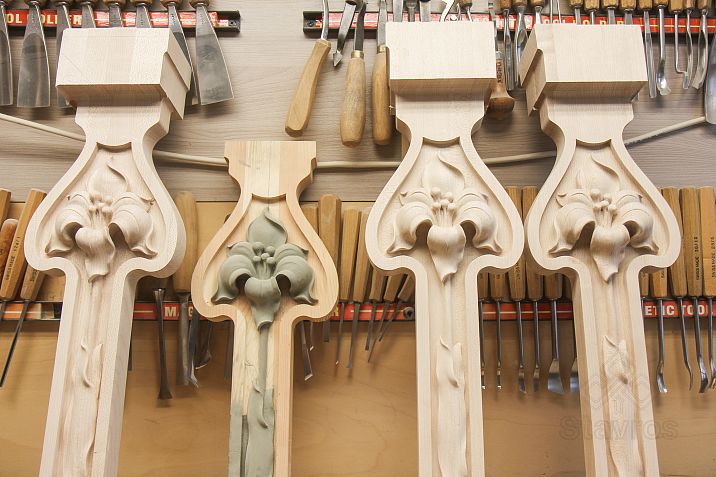
Artistic building design is the process of imparting aesthetic expressiveness to architectural objects using decorative elements. It not only enhances the visual perception of façades but also highlights the stylistic features of the building, its historical or cultural affiliation.
In modern construction, decorative and artistic design is actively used to create unique architectural solutions. It may include classical elements such as capitals, pilasters, columns, carved casings, as well as modern decorative forms.
STAVROS offers a wide range of architectural elements made from solid natural wood and other materials, which will help design buildings in various styles. In this article, we will examine which elements are used in architectural artistic design and how they affect the exterior appearance of buildings.


What Does Architectural Artistic Design Include?
Architectural artistic design is a comprehensive process involving the use of various decorative elements intended to highlight the uniqueness and style of a building.
Main Directions of Artistic Design:
● Façade Design – use of columns, pilasters, capitals, decorative casings, reliefs.
● Window and Door Opening Decoration – use of carved casings, cornices, decorative overlays.
● Fronton and Cornice Decoration – installation of sculptural ornaments, architectural ornaments.
● Entrance Group Decoration – use of columns, arches, decorative panels.
● Balcony and Terrace Decoration – use of balustrades, decorative railings, artistic panels.
Properly executed artistic building design allows creating an aesthetically attractive and expressive appearance for any architectural object.




Decorative Elements for Façade Design
The façade is the building's calling card, so its design requires special attention. Decorative elements help emphasize the architectural style, create a unique appearance, and make the object expressive and memorable.
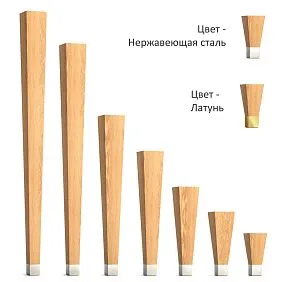
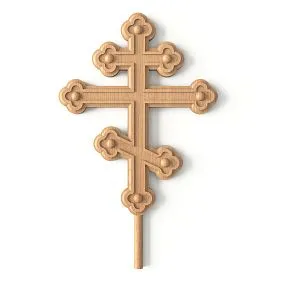
Our factory also produces:


Main Elements of Façade Artistic Design
● Columns and Pilasters – used to impart monumentality and visually divide façade surfaces.
● Capitals – complete the design of columns and pilasters, emphasizing the building's style.
● Carved trim – decorates window and door openings, giving the building a distinctive character.
● Cornices and moldings – structure the facade, create harmonious lines, and emphasize transitions between building levels.
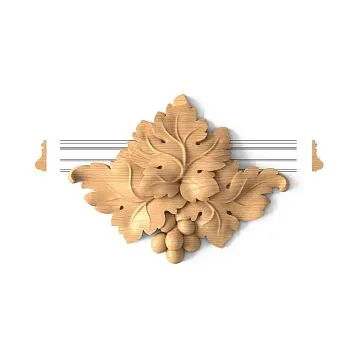
● Decorative appliqués – add volume and expressiveness to facade cladding.
● Reliefs and ornaments – used to create artistic compositions on building walls.
Using decorative elements allows creating a stylish and expressive facade that will stand out against surrounding buildings.
Get Consultation
Window and door openings decoration: detail and expressiveness
Windows and doors – important architectural elements that require decorative treatment. Their artistic treatment helps emphasize the building’s style and create a harmonious exterior appearance.
● Carved trim – a traditional element used to decorate windows and doors in classical and ethnic styles.
● Capitals and pilasters – add expressiveness to door and window openings, making them more monumental.
● Arched elements – used to decorate entrance zones, giving the building elegance.
● Framing moldings – help create decorative frames, visually enlarging window and door structures.
Decorating window and door openings makes the facade complete, adding expressive architectural accents.
Decorative elements for balconies and terraces
Balconies and terraces can also become central elements of architectural decoration. Their decoration gives the building an elegant and harmonious appearance.
● Balustrades and decorative railings – create an elegant exterior appearance, adding refinement to the building.
● Columns and arches – used to decorate open terraces and verandas.
● Carved panels – help decorate the balcony facade, creating artistic compositions.
Proper decoration of balconies and terraces allows making them visually attractive and functional.
Advantages of artistic building decoration
Artistic building decoration is not just decorative embellishment, but an important architectural tool that allows not only to transform the appearance of a structure, but also to enhance its functional and operational characteristics. Using decorative architectural elements provides numerous advantages, making the facade aesthetically attractive, protected, and durable. Let’s consider the main benefits of applying artistic building decoration.
1. Creating a unique appearance of the building
Each building has its own individuality, and it is precisely artistic decoration that helps emphasize its character. Decorative elements can visually highlight architectural features, emphasize historical value, or, conversely, add modern design accents.
✔ Carved trim and moldings make the facade more expressive, adding elegance and depth.
✔ Cornices and pilasters help create a monumental and harmonious exterior appearance.
✔ Decorative appliqués and rosettes give the building elegance and completeness, helping to connect all facade decoration elements.
Using unique design solutions allows creating an exclusive architectural style that will distinguish the building from others.
2. Emphasizing the building’s style
Each architectural style requires appropriate decoration. Decorative elements allow clearly indicating the building’s affiliation with a particular direction:
✔ Classical style – stucco, capitals, columns, cornices, decorative ornaments.
✔ Baroque – complex relief patterns, arched elements, three-dimensional carved ornaments.
✔ Gothic – pointed arch windows, decorative braces, expressive facade elements.
✔ Modern styles – minimalist forms, strict lines, combination of various textures.
Proper selection of artistic finishing helps harmoniously unite all elements, making the building expressive, stylish, and recognizable.
3. Adding expressiveness and visual depth to the facade
Without using architectural ornaments, the facade may appear monotonous and lifeless. Decorative elements add relief, volume, and make the building visually more complex and interesting.
✔ Eaves and moldings help create a clear facade structure, dividing it into aesthetically justified zones.
✔ Columns and pilasters give the building strictness and grandeur, emphasizing its monumentality.
✔ Gables and balustrades allow decorating entrance groups, balconies, terraces, creating a unified harmonious image.
✔ Decorative rosettes and appliqués can be used for detailed decoration of individual facade parts, adding elegance and charm.
Thanks to such finishing, the building looks more refined, expensive, and expressive.
4. Additional protection of facade surfaces
Architectural elements perform not only decorative, but also practical functions. They help protect the facade from negative external factors:
✔ Eaves and decorative moldings prevent moisture accumulation and protect walls from damage.
✔ Window casings protect frames from temperature fluctuations and precipitation.
✔ Facade panels and appliqués can conceal minor wall defects, preventing further deterioration.
✔ Balustrades and columns provide additional structural strength, making them more resilient.
Artistic finishing not only makes the building more beautiful, but also increases its service life, preserving its aesthetic appearance for many years.
5. Increased market value and prestige of real estate
Beautifully finished buildings always look more expensive than simple structures without decoration. This is especially important for residential buildings, hotels, commercial properties, and other buildings that must attract attention and clients.
✔ Aesthetically finished facade makes real estate more attractive to buyers and tenants.
✔ Decorative elements help distinguish the property among similar offers, increasing its market value.
✔ High-quality facade finishing indicates the owner’s status and serious attitude towards design and construction.
Investments in architectural finishing pay off through increased interest in the property and the possibility of its profitable sale or rental.
6. Wide selection of decorative elements from STAVROS
STAVROS company offers a variety of decorative elements that will help create stylish and expressive facades and interiors. The assortment includes:
● Columns and pilasters for classical and modern buildings.
● Capitals and eaves for stylish facade finishing.
● Carved casings for windows and door openings.
● Decorative balustrades and architectural panels.
● Moldings and appliqués for creating accent zones.
STAVROS products are made from high-quality natural materials, ensuring their durability and aesthetic appeal.
Conclusion
Architectural decoration is not just decoration, but a way to give an object style, expressiveness, and uniqueness. Thanks to the use of decorative architectural elements, you can:
✔ Create a unique building appearance.
✔ Emphasize its architectural style.
✔ Add expressiveness and depth to the facade.
✔ Protect surfaces from negative factors.
✔ Increase the market value and prestige of the property.
STAVROS company offers a wide range of architectural ornaments that will help you decorate a building in any style—from classic to modern.
STAVROS products are available for order throughout Russia, including Moscow, Saint Petersburg, Kazan, Yekaterinburg, Nizhny Novgorod, Samara, Rostov-on-Don, Chelyabinsk, Ufa, Perm, Volgograd, and other cities.
Create beautiful, elegant, and expressive facades with STAVROS decorative elements! Place your order today and give your building style, status, and a unique architectural look.