Article Contents:
- 1. Introduction to Wooden Planks
- 1.1. History and Significance of the Material
- 1.2. Main Advantages of Wooden Planks
- 2.1. Classic Plank
- 2.2. European Plank
- 2.3. Board House
- 2.4. Beam Imprint
- 3.1. Spruce
- 3.2. Fir
- 3.3. Larch
- 3.4. Oak
- 3.5. Cedar
- 4.1. Aesthetic Aspects
- 4.2. Operational Characteristics
- 4.3. Price and Availability
- 5.1. Surface Preparation
- 5.2. Tools and Fasteners
- 5.3. Installation Stages
- 5.4. Tips for Professionals
- 6.1. Interior Styles and Concepts
- 6.2. Combination with Other Finishing Materials
- 6.3. Accent Walls and Zoning
- 7.1. Protective Coating
- 7.2. Cleaning and Maintenance
- 7.3. Repair and Renewal
- 8.1. Pricing
- 8.2. Reliable Suppliers
- 8.3. Seasonal Promotions and Discounts
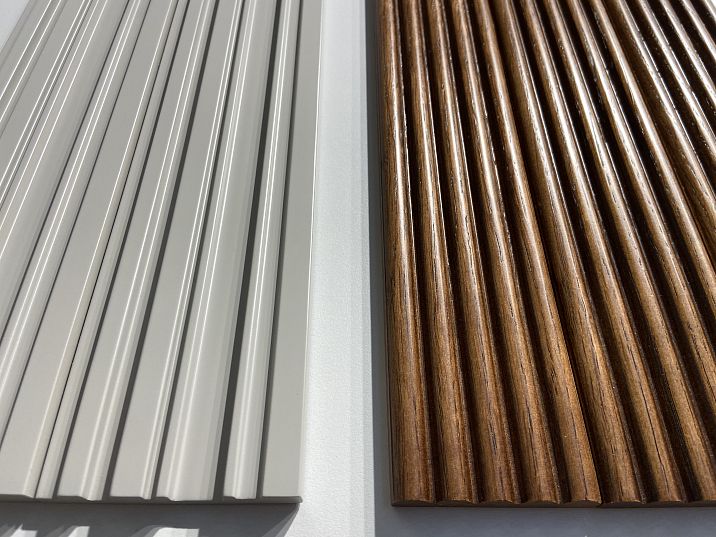
Wooden Planks — one of the most popular natural finishing materials, which has not lost its relevance over decades. This material is used for wall, ceiling, and sometimes building facade cladding, thanks to its unique aesthetic and functional properties. In this article, we will thoroughly examine the types of wooden planks, discuss their main varieties, manufacturing features, and applications, as well as provide recommendations for selection and care. In doing so, we will refer to quality offers for this material, for example, on %swooden plankto familiarize yourself with the assortment and characteristics on verified resources.


1. Introduction to Wooden Planks




1.1. History and Significance of the Material
The history of wooden planks dates back to previous centuries, when wood was the primary construction material. Initially, planks were used to clad walls of wooden wagons and buildings, and later became a popular finishing material both in private and commercial construction. It is valued for its naturalness, durability, ability to create coziness, and to maintain a favorable microclimate in rooms.
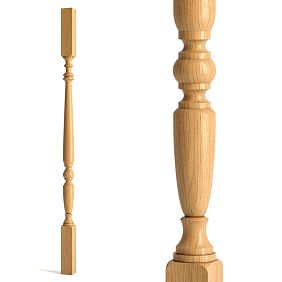
Our factory also produces:



1.2. Main Advantages of Wooden Planks
● Ecological and Natural Properties. Wood is a fully natural material that does not emit harmful substances, which is especially important for living spaces.
● Thermal and Sound Insulation. The structure of wood provides excellent thermal insulation properties and helps dampen noise.
● Aesthetic Appeal. The variety of textures, shades, and natural patterns makes planks a universal design element capable of fitting into any interior.
● Durability. With proper care, wooden planks can serve for decades, retaining their original qualities.
● Ease of Installation. Thanks to the special tongue-and-groove system, installing planks is not complicated and can be performed by both professionals and experienced DIY enthusiasts.
These qualities make wooden planks not only practical but also aesthetically valuable materials for finishing various rooms.
Get Consultation
2. Types of Wooden Planks
There are several main types of wooden planks, which differ by profile, connection method, thickness, and application. Let's examine them in detail.
2.1. Classic Plank
Classic plank is the most common type, characterized by the presence of a standard tongue and groove. When boards are joined, characteristic seams are formed, creating a "railroad" surface effect. This type of plank is often used in interiors where one wishes to emphasize the naturalness and traditionalism of the finish. It is suitable for:
● Cladding walls in living rooms and hallways.
● Ceiling finishing.
● Creating decorative panels.
The main advantage of classic plank is its versatility and compatibility with other finishing materials.
2.2. European Plank
European plank differs from classic plank by having a deeper groove, wider tongue, and additional ventilation channels on the back side. These features ensure:
● Best fixation and stable connection.
Increased moisture resistance.
Improved air circulation behind panels.
Thanks to these qualities, euro siding is popular for finishing rooms with high humidity, such as kitchens and bathrooms, as well as for cladding the facades of wooden houses.
2.3. Block House
Block house is a type of siding that imitates the appearance of a round log. Its distinctive feature is the rounded shape of the boards, creating an effect of a solid wooden wall. Block house is used:
● For creating exterior finishes of houses and saunas.
● In interiors in country, rustic, or village styles.
● For decorating verandas, gazebos, and terraces.
This material gives the room a special, slightly 'rural' charm, emphasizing the naturalness and warmth of wood.
2.4. Beam imitation
Beam imitation consists of boards that visually resemble planed beams. This type of siding is often used to create striking accent walls, where it is important to give the interior a visual solidity and grandeur. Beam imitation is applied in:
● In the interiors of suburban houses.
● For facade cladding.
● In restoration work, where it is necessary to preserve the traditional appearance.
The advantage of beam imitation is that it allows creating the effect of 'real' wooden beams without the need to use solid material, which reduces costs and simplifies installation.
3. Materials and wood species
The choice of wood species directly affects the appearance, performance characteristics, and durability of siding. Let's consider the main species used for manufacturing wooden siding.
3.1. Pine
Pine is one of the most popular and affordable options for finishing. This material has the following features:
● Light, pleasant shade.
● Easy to process.
● Natural pine aroma.
● Relatively low cost.
Pine siding is often used for interior work, but requires additional treatment to protect against moisture and UV exposure.
3.2. Spruce
Spruce has a more even texture compared to pine and has a neutral shade, making it a universal choice for various interiors. Main advantages of spruce:
● Uniform structure.
● Good thermal insulation.
● Suitable for finishing residential and commercial spaces.
Spruce siding is popular in modern interiors due to its simplicity and aesthetics.
Larch
Larch features:
● Rich texture and warm, saturated tones.
● High density and durability.
● Ideal for rooms with high humidity, as well as for exterior finishes.
Larch siding is often chosen for saunas, baths, and other spaces where material eco-friendliness and strength are important.
3.4. Oak
Oak — premium material, possessing exceptional strength, expressive texture, and noble appearance. Advantages of oak:
● Rich palette of tones — from light to dark.
● High durability and resistance to external influences.
● Stunning appearance that adds status and luxury to interiors.
Oak siding is used in luxury interiors where flawless aesthetics and long-lasting finish are essential.
3.5. Cedar
Cedar is valued for its distinctive aroma and resistance to rot. Cedar siding has the following qualities:
● Pleasant, calming aroma.
● Natural resistance to insects and mold.
● Beautiful appearance with distinct wood grain texture.
Cedar is often used in bathroom, sauna, and other room finishes where material durability and therapeutic properties are important.
4. Comparison of wooden siding types
4.1. Aesthetic aspects
Each type of wooden siding has its own unique aesthetic, allowing you to select the material for any interior:
● Classic siding gives interiors a neat and traditional look, perfectly suited for family homes and apartments where simplicity and coziness are important.
● European siding is popular in rooms with high humidity and modern-style interiors, thanks to improved ventilation and moisture resistance.
● Board siding creates the effect of a solid wooden wall, adding a rustic charm and coziness to interiors, especially suitable for cottages and saunas.
● Beam imitation allows achieving visual massiveness and strict lines, giving the space a solid and elegant appearance.
4.2. Operational characteristics
In addition to aesthetics, operational properties of siding are also important:
● Moisture resistance. European siding and larch have enhanced resistance to moisture, making them optimal for use in kitchens, bathrooms, and saunas.
● Strength and durability. Oak siding, due to its high density, will last longer and retain its properties even under intensive use.
● Resistance to mechanical damage. Materials with high density, such as oak and larch, better resist scratches and impacts.
4.3. Price and Availability
Pricing of wooden planks depends on the type of wood, grade, and processing technology:
● Spruce and pine are the most affordable options, but they require more frequent treatment for protection.
● Larch, cedar, and oak are more expensive materials, but they provide high-quality finish and long service life.
Material selection depends on budget and interior requirements: for economical projects, spruce and pine are suitable, while for premium interiors, oak or larch is recommended.
5. Installation Technology of Wooden Planks
5.1. Surface Preparation
Before starting work, carefully prepare the surface:
● Clean walls of old coatings, dust, and contaminants.
● If the surface has unevenness, level it using plaster or putty.
● Ensure a ventilation gap if installing planks on a substructure.
5.2. Tools and Fasteners
The following tools are required for installation:
● Tape measure, level, and square for marking and checking flatness.
● Electric jigsaw or saw for trimming boards.
● Screwdriver or hammer depending on the type of fasteners.
● Screws, nails, or clips for fixing planks to substructure or wall.
● Wood glue (if additional fastening is required).
5.3. Installation Stages
- Marking. Mark the surface level to determine the plank installation line. This is especially important for horizontal or vertical installation.
- Substructure Installation. If walls are uneven, install a substructure using wooden battens or metal profiles with even spacing.
- Installing the First Board. Start from the corner or center of the wall. The first board sets the direction of the entire finish, so it must be installed as flat as possible.
- Board Joints. Each subsequent board is inserted into the groove of the previous one. It is important to ensure tight fitting without visible gaps.
- Finishing Work. After completing installation, check the flatness of the line, cover fasteners, and if necessary, sand and treat with a protective coating.
5.4. Tips for Professionals
● Check the installation level at each stage to avoid unevenness.
● Allow the material to acclimate in the room for several days before installation.
● When installing on a substructure, remember to leave a ventilation gap.
● If performing repairs yourself, purchase spare boards in advance in case of measurement inaccuracies.
6. Design Solutions with Wooden Planks
6.1. Interior styles and concepts
Wooden planks are versatile and can be used in interiors of different styles:
● Classic style. Smooth planks made from high-quality wood create a traditional atmosphere of comfort and elegance.
● Modern minimalism. Light, single-tone planks without unnecessary decorative elements give the room a sense of strictness and clean lines.
● Loft and industrial style. Planks left in their natural state or with minimal processing combine well with elements made of concrete, metal, and brick.
● Eco-style. Natural wood treated with eco-friendly compounds creates a healthy microclimate and emphasizes the connection with nature.
6.2. Combination with other finishing materials
Wooden planks can harmoniously combine with various materials:
● With stone or brick to create contrasting compositions.
● With metallic elements in modern interiors.
● With wallpaper or decorative plaster when planks are used as accent walls.
6.3. Accent walls and zoning
It is not always necessary to clad all walls with planks. Often, designers highlight one or several walls to create a focal space that visually divides the room into functional zones. Such zoning is especially relevant for studios and open-space rooms.
7. Maintenance and care of wooden planks
7.1. Protective coating
To maintain the original appearance of wooden planks, it is important to regularly renew the protective coating. This may be:
● Lacquer (glossy, semi-matte, or matte).
● Oil (natural or with additives).
● Wax, which gives the surface a velvet texture.
● Special stains that allow you to achieve the desired shade for the wood.
The choice depends on the conditions of use: in rooms with high humidity, moisture-resistant compounds are recommended.
7.2. Cleaning and prevention
Regularly clean the surface with a soft cloth or brush, avoiding aggressive cleaning agents. For heavy soiling, simply dampen the cloth slightly and then wipe the surface dry. Monitor the humidity level in the room to avoid deformation of the wood.
7.3. Repair and renewal
Over time, even high-quality planks may lose their luster or acquire minor damage. In such cases:
● Fill small cracks and chips.
● If necessary, sand the surface and apply a new layer of protective coating.
● In complex cases, replace damaged elements to maintain the integrity of the finish.
8. Economic aspects and supplier selection
8.1. Pricing
The cost of wooden planks depends on several factors:
● Wood species (pine and spruce are cheaper, oak and larch are more expensive).
● Material grade (higher-grade materials cost more but have flawless appearance).
● Profile type and processing technology.
● Production region and transportation costs.
When selecting material, it is important to balance its cost with quality and durability. Economical options are suitable for interior work where aesthetics are not a priority, while more expensive materials are recommended for "grand" rooms.
8.2. Reliable suppliers
When choosing a supplier, pay attention to:
● Company reputation and presence of quality certificates.
● Customer reviews and experience in the market.
● Wide product range, allowing you to select the optimal solution for your project.
● Delivery terms and warranty service.
Using trusted suppliers guarantees that you will receive high-quality material that will last for many years.
8.3. Seasonal promotions and discounts
The construction market is subject to seasonal fluctuations. During off-seasons, you can find advantageous offers and discounts, allowing you to reduce expenses without compromising quality. Planning purchases in advance will help optimize your project budget.
9. Conclusion
Wooden planks are a universal, eco-friendly, and aesthetically pleasing material used in various interiors. In this article, we examine the types of wooden planks, their varieties, wood species used, and provide practical recommendations for installation, maintenance, and combining the material with other finishing elements.
Pay attention to wooden planks on trusted resources to obtain additional information, technical specifications, and current offers from leading manufacturers. Choosing quality material and proper installation will ensure the longevity and beauty of the finish, creating a warm, cozy, and natural elegant atmosphere in your home.
Remember that a successful interior begins with quality materials. Carefully consider your wooden plank selection, taking into account all nuances: from wood species and grade to profile type and installation method. Regular maintenance, timely renewal of protective coatings, and proper combination with other finishing materials will help preserve the material's original beauty and functionality for many years.
Regardless of whether you are creating a new interior or updating an existing one, quality finishing using natural planks is an investment in your home's health, comfort, and aesthetic appeal. Let your home be filled with the light and warmth of natural wood, and every detail, from walls to baseboards, contribute to creating a harmonious and stylish space.
This article is intended to be your detailed guide to wooden planks, helping you make an informed choice and bring your boldest design ideas to life. Enjoy the process of creating an interior where every detail is thoughtfully considered, and natural wood becomes not just a finishing material, but a symbol of coziness, durability, and timeless beauty.