Article Contents:
- Overview of Methods for Installing Staircase Posts
- Foundation Preparation and Material Selection
- Methods of Securing Posts
- Using Anchors and Fastening Systems
- Welding as a Fixation Method
- Combined mounting systems
- Tools and equipment
- Installation Stages of a Staircase Post
- 1. Preparation Stage
- 2. Marking and Drilling Holes
- 3. Installing the Support Structure
- 4. Securing the Post
- 5. Fixation and Final Inspection
- 6. Finishing Work
- Even load distribution
- Use of Certified Fastening Elements
- Regular Inspection and Maintenance
- Combining with Other Structural Elements
- Aesthetics of Fastening Solutions
- Impact of Installation on Spatial Perception
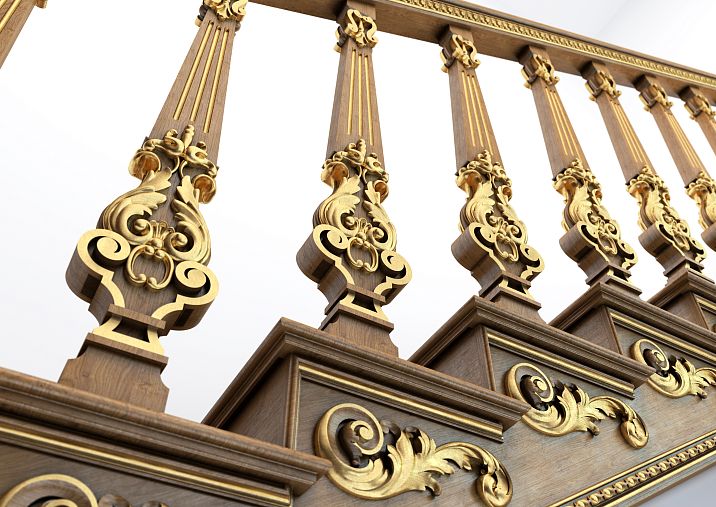
A staircase is not just a functional element connecting floors, but a true work of engineering and design art. One of the key elements of the structure is the staircase post, which serves as a support, determines the stability of the entire flight, and sets the tone of the interior. In this article, we will thoroughly examine installation methods and fastening solutions, as well as provide practical recommendations for securely fastening posts. We will discuss the specifics of foundation preparation, material selection, use of anchors, welding, combined fastening systems, and much more. Reading this material, you will learn how to properly secure a staircase post to ensure its durability, safety, and aesthetic appeal.
To view the product range, visit the websitePosts for staircase.
Introduction
When discussing staircase construction, attention is often given to the appearance of steps, handrails, or decorative elements. However, reliable fastening of posts is the foundation upon which the entire system rests. The functionality and safety of the staircase depend on proper installation. Any error during installation may lead to deformations, weakening of the structure, and even hazardous situations.
This article is intended for homeowners, designers, and builders who wish to delve into the intricacies of installing staircase posts. We will examine in detail fastening methods, technological nuances, and practical installation tips. Attention will be given to both traditional and modern installation methods, allowing you to select the optimal solution for any conditions and requirements.


Overview of Methods for Installing Staircase Posts
Before moving on to specific fastening methods, it is important to understand that reliable fastening of the post begins with proper foundation preparation and correct material selection. Each installation stage requires careful adherence to technology and use of specialized tools.




Foundation Preparation and Material Selection
Before installing the post, an assessment of the foundation's condition must be conducted, on which the structure will be mounted. It must be level, strong, and capable of withstanding significant mechanical loads. Irregularities, cracks, or insufficient strength of the foundation may cause uneven load distribution, which ultimately affects the safety of the staircase.
When selecting materials for post fabrication, pay attention to their operational characteristics. Posts can be made of natural wood, metal, or composite materials. Each of these options has its advantages:
● Natural wood adds warmth and coziness to the interior, possesses a unique texture and ecological purity. However, wood requires regular maintenance and protection from moisture.
● Metal guarantees high strength and durability, especially under intensive use. Metal posts are often used in modern interiors where minimalist aesthetics are important.
● Composite materials combine the best properties of wood and metal, providing resistance to external factors and high operational reliability.
The choice of material must correspond to the overall design concept and technical requirements of the project. A quality post is an investment in the safety and longevity of the entire structure.
Our factory also produces:


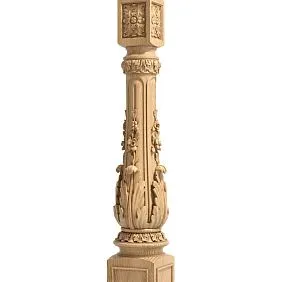
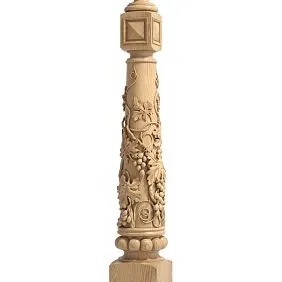

Post Mounting Methods
There are several main methods for mounting posts for a staircase, each with its own features and application areas. Below are the most popular methods:
Use of Anchors and Fastening Systems
One of the most common mounting methods is using anchors. This method involves securing the post to the foundation using special fastening elements such as anchors and expansion bolts. The advantages of this method lie in its simplicity and reliability. With proper selection of anchors and adherence to installation technology, even load distribution and structural stability are achieved.
When selecting anchors, it is important to consider the weight of the post, the material of the foundation, and the operating conditions. Use only high-quality fastening elements that meet safety standards.
Welding as a Fixation Method
Welding is primarily used for metal posts. This method ensures the strongest and most durable connection. Welding requires special equipment and qualified specialists, guaranteeing high-quality welds. Welded connections do not allow for play and ensure structural continuity, which is especially important under high mechanical loads.
However, welding requires strict adherence to technology and subsequent treatment of welds to protect against corrosion. This method is often used in commercial and industrial construction, where durability and reliability are priorities.
Combined mounting systems
In some cases, the optimal solution is a combined method, where anchors and welding are used simultaneously. This approach allows for maximum reinforcement of the connection, especially if the structure is subjected to significant loads. Combined fastening systems are used in complex architectural projects and under extreme climatic conditions, where additional protection against external factors is required.
Get Consultation
Practical Recommendations for Installing a Staircase Post
To ensure the post is securely and reliably installed, it is necessary to follow a series of practical recommendations. Below are the main stages of installation and tips for their execution.
Tools and Equipment
Correct selection of tools and equipment plays a key role in post installation. Below is a list of essential tools that may be required:
● Construction level. For checking the verticality and levelness of post installation.
● Drill and screwdriver. For drilling holes and securing fastening elements.
● Hammer, screwdriver, and wrenches. For installing anchors and other fasteners.
● Specialized anchors and expansion bolts. Always use certified fastening elements.
● Welding equipment. If welding is used to secure a metal post.
● Measuring tools. Tape measure, square, and laser level for accurate marking and checking geometry.
Staircase Post Installation Stages
Installing a staircase post can be divided into several sequential stages:
1. Preparation Stage
At this stage, the condition of the foundation is assessed, the installation location is marked, and all necessary materials and tools are prepared. It is important to ensure that the foundation surface is level and strong. If irregularities exist, they must be eliminated using leveling compounds or other construction materials.
2. Marking and preparation of holes
After preparing the base, mark the locations for column mounting according to the project documentation. It is important to accurately determine the position of each fastener to ensure even load distribution. Drilling holes for anchors is performed using appropriate drills and tools.
3. Installation of support structure
If the staircase structure involves additional supports, such as foundation plates or support beams, they must be installed in advance. These elements provide additional protection and ensure even load distribution on the column.
4. Column mounting
Column installation proceeds as follows:
● If the anchor method is used, the column is carefully placed into the prepared holes, and the fasteners are secured using dowels and anchors.
● When using welding, the column is fixed to the base using welded joints.
● In the combined method, first secure with anchors, then reinforce with welding to increase joint strength.
After installing the column, check its verticality using a construction level. If the column is not perfectly vertical, adjustments are made at this stage.
5. Fixation and final inspection
After column installation, finalize fixation of all fasteners and inspect the connection strength. It is recommended to conduct load tests to ensure the reliability of the fastening. Any deviations or loosening of fasteners must be immediately corrected.
6. Finishing work
At the final stage, the column may be treated with decorative finishes: painted, varnished, or coated with other protective materials. This not only improves the appearance but also protects the structure from moisture, temperature fluctuations, and other external factors.
Impact of quality fastening on safety and longevity
Quality fastening of the staircase column is a guarantee of safe operation and long-term durability of the structure. Any installation defects may lead to deformations, loosening of fasteners, and in the worst case, hazardous situations. Let us consider the main factors affecting the reliability of fastening.
Even load distribution
With proper installation, the load is evenly distributed among all structural elements. This is especially important for staircases with high traffic or in buildings with significant height differences. Even load distribution helps avoid localized overloads that may cause damage or deformation of the column.
Use of certified fastening elements
The quality of fastening elements directly affects the strength of the connection. Using only certified and tested materials ensures the column will be securely fastened. Poor-quality anchors or welds may cause gradual weakening of the structure, leading to serious consequences.
Regular inspection and maintenance
Even after quality installation, periodic inspection of fasteners is necessary. Over time, under the influence of vibrations, temperature fluctuations, and other factors, fasteners may loosen. Regular inspection and preventive maintenance will help identify and correct minor defects promptly, extending the service life of the structure.
Design solutions and integration of fastening elements into interior
In addition to technical function, a properly fastened staircase column can become a significant decorative element. Its appearance and style should harmonize with other staircase elements, creating a cohesive and aesthetically pleasing ensemble.
Combination with other structural elements
Modern designers strive to create cohesive compositions where each element plays its role. The initial column, secured using reliable fastening solutions, combines well with elements such as
Posts for staircase,
balusters for staircases,
stair railings and decorative
capitals.
Unity of style and installation technology allows creating not only a strong, but also visually appealing element that highlights the overall character of the interior.
Aesthetics of fastening solutions
Fastening elements can be not only functional but also decorative. For example, modern anchors and decorative plates can imitate traditional ornaments, which is especially relevant for classic interiors. Harmonious combination of functionality and aesthetics makes fastening of columns an integral part of the overall staircase design.
The impact of mounting on the perception of space
A properly installed staircase column visually enhances the sense of scale and harmony of the interior. Such a column, installed in accordance with all technical standards, becomes a central element that not only performs a supporting function but also sets the tone of the entire composition. This is especially important for rooms with high ceilings and spacious halls, where every detail plays a role in creating the overall atmosphere.
Conclusion
Properly executed mounting solutions allow for even load distribution, maintain strength, and ensure aesthetic harmony of the staircase. Regular maintenance and timely inspection of mounting elements are important measures that help extend the service life of the structure and avoid potential accidents.
Integrating the column into the overall design requires consideration of not only technical but also aesthetic aspects. Correctly selected and mounted elements, such as
newel posts – create a cohesive, thoughtfully designed composition capable of transforming the interior and highlighting its individuality.
Posts for staircase,
balusters for staircases,
stair railings и
We urge you to pay special attention to the selection of quality materials and mounting solutions, not to compromise on safety, and to entrust the installation only to qualified professionals. After all, a securely mounted column is not only a guarantee of aesthetics and longevity, but also confidence that your staircase will serve you for many years.
May every stage of installation be performed with professionalism, and the result exceed all expectations, bringing your home beauty, safety, and comfort.
Let each installation stage be performed with professionalism, and the result will exceed all expectations, bringing your home beauty, safety, and comfort.