Article Contents:
- General characteristics of a classic console
- Purpose and functions
- Constructive features
- Materials and finishing
- Placement in interior
- Baroque console: gold and luxury in interior
- Philosophy of Baroque console
- Characteristic features
- Constructive features
- Color palette
- Modern application
- Compositional solutions
- Psychological Impact
- Rococo console: elegance and romance
- Philosophy of Rococo
- Characteristic features
- Decorative motifs
- Color Palette
- Constructive features
- Modern application
- Variants of placement
- Decorative finishing
- Psychological Impact
- Empire console: strictness and grandeur
- Philosophy of Empire
- Characteristic elements
- Materials and finishing
- Constructive features
- Sizes and proportions
- Color palette
- Modern application
- Application areas
- Decorative finishing
- Psychological Impact
- Modern console: smooth lines and harmony
- Philosophy of Modernism
- Characteristic features
- Decorative elements
- Materials and techniques
- Color Palette
- Constructive features
- Modern application
- Usage options
- Psychological Impact
- Comparative characteristics of styles
- Baroque vs Rococo vs Empire vs Modern
- Selection by room purpose
- Practical tips for selection
- Style defined by lifestyle
- Coordination with interior
- Placement in room
- Technical aspects of selection
- Sizes and proportions
- Materials and quality
- Maintenance and care
- Conclusion: console as interior accent
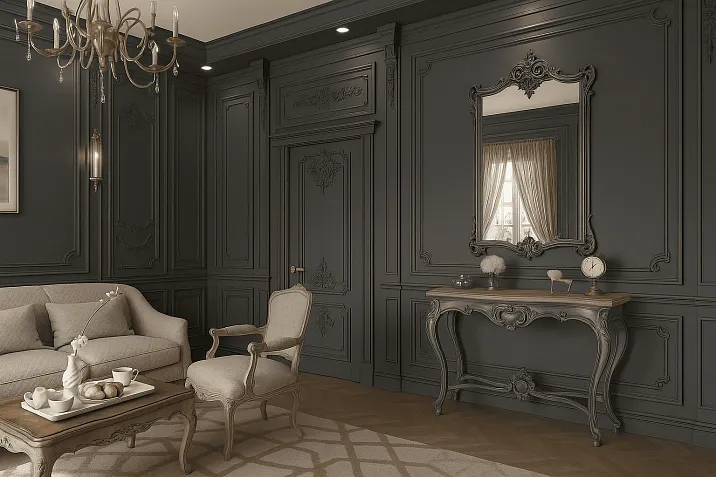
A console in classic style is not just furniture, but a decorative accent capable of radically changing the perception of space. In classic interiors of the 18th-19th centuries, the console played a special role: it stood against the wall as a work of art, supported elegant vases, mirrors in gilded frames, candelabras, and sculptures. It was furniture-decor, furniture-status, furniture-demonstration of taste.
Today, a Baroque console, a Rococo console, an Empire console, or a Modern console can become the key detail that transforms an ordinary hallway into a grand hall, and a simple living room into an exquisite salon. A console is a bridge between functionality and beauty, between necessity and luxury.
Choosing the style of the console determines not only its appearance, but also the character of the entire interior. A Baroque console will bring palace luxury into the home, Rococo will add romantic refinement, Empire will emphasize status and power, and Modern will create harmony with nature. Each style has its own philosophy, its own area of application, its own secrets of placement in a modern interior.


General characteristics of a classic console
Before delving into the specifics of each style, it is important to understand the general principles that distinguish a console in classic style from modern furniture. These principles were formed in an era when furniture was created not only for utility, but also for beauty.




Purpose and functions
The console was originally designed as decorative furniture. Its main function is not storage, but decorating the interior. At the same time, it can perform practical tasks:
- Stand for decorative items: vases, figurines, clocks
- Base for mirror, creating a compositional center
- Place for lamps: candelabras, table lamps
- Surface for keys, mail, small items in the hallway
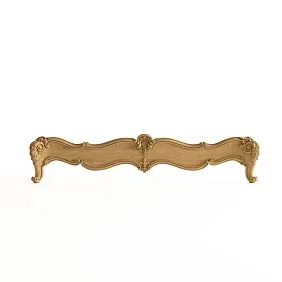
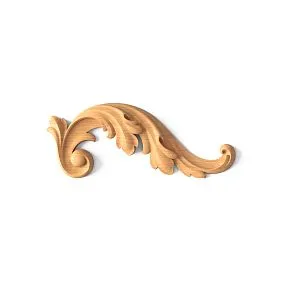
Our factory also produces:

Constructive features
Proportions and Dimensions
Classic consoles usually have a height of 75-85 cm, width of 80-150 cm, and depth of 30-45 cm. These proportions ensure the elegance of the silhouette and functionality of use.
Tabletop
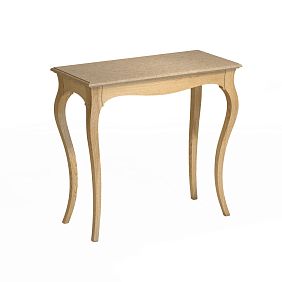
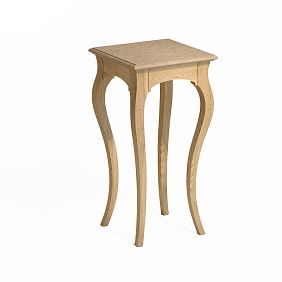
The console may have 2, 3, or 4 legs, a central support, or a combined system. Legs are the most decorative part of the console, showcasing the craftsmanship of the carver.
Support system
The console may have 2, 3, or 4 legs, a central support, or a combined system. Legs are the most decorative part of the console, showcasing the skill of the carver.
Get Consultation
Materials and Finishing
Wood
Furniture and interior items Luxury grade is made from solid noble woods: oak, walnut, mahogany, rosewood. Each species has its own character and suits certain styles better.
Decorative Finishing
- Carving: from delicate floral ornaments to complex sculptural compositions
- Gilding: 24-karat gold on carved elements
- Patina: artificial aging of the surface
- Inlay: inserts of other wood species, mother-of-pearl, metal
Hardware
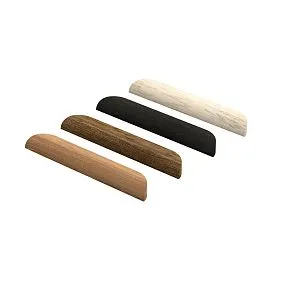
Bronze appliqués, rosettes, decorative elements are executed in accordance with the style of the era.
Placement in the Interior
Entryway
The console at the entrance door creates the first impression of the house. It is complemented by a mirror and wall-mounted lights.
Living room
Placed between windows along the wall, it serves as a base for decorative compositions.
Bedroom
An elegant console can replace a vanity table or serve as a stand for ornaments.
Hallway
A narrow console saves space but adds elegance to long corridors.
Baroque Console: Gold and Luxury in the Interior
The baroque console is the peak of decorative art in furniture. The style, originating in the 17th century in royal palaces, has no sense of measure in displaying luxury and artistic skill. Each baroque console is a small theater where the drama of beauty and wealth unfolds.
Philosophy of the Baroque Console
Baroque regarded furniture as an extension of architecture, as an element of palace decoration. A baroque console was meant to astonish the imagination, demonstrate the owner's power, and create an atmosphere of solemnity. It is not merely a stand, but a pedestal for displaying treasures.
Characteristic Features
Monumentality and massiveness
Despite relatively small dimensions, a baroque console creates the impression of a monumental structure. Massive legs, thick top, and abundance of decorative elements create a sense of immovability and grandeur.
Curvilinear forms
Straight lines in baroque are rare. Legs are curved in complex S-shaped curves, cornices are wavy, decorative elements spiral. This dynamic form creates a sense of movement in static furniture.
Abundance of Decoration
Every square centimeter of the surface is covered with carving. Floral ornaments with acanthus leaves, grape clusters, roses intertwine with mythological creatures, angels, and coats of arms. Special attention is paid to the apron — the space between the legs, which becomes a true sculptural composition.
Gilding as a Signature Feature
Gilded elements create a precious effect. Gilding can be full or selective, highlighting the most important decorative details.
Our factory also produces:
Constructive features
Tabletop
Usually made of colored marble — red, green, black. The shape can be rectangular, oval, or shaped with curved edges. The edge is often decorated with bronze inlays or carving.
Supports
The most spectacular part of a baroque console. Legs can be made in the form of:
- Caryatids — female figures supporting the tabletop
- Lion paws with powerful muscles
- Interwoven plant stems
- Ancient columns with ornate capitals
- Mythological creatures: dolphins, griffins, dragons
Connecting elements
Cantilevers and aprons are no less decorative than legs. They may depict garlands of flowers, ribbons, musical instruments, or military trophies.
Color palette
Baroque prefers contrasting, rich combinations:
- Dark wood with gold: a classic luxury combination
- Black with silver: a more restrained, yet no less striking option
- Red wood with bronze: a warm, cozy palette
- White with gold: suitable for light-toned interiors
Modern application
Baroque console is ideal for:
- Grand entry halls in country houses
- Living rooms of 25 sq. m or larger
- Interiors with high ceilings (3 meters or more)
- Rooms where the console is the main focal point
- Homes where guests are regularly hosted
Compositional solutions
With a mirror
A baroque console is often complemented by a mirror in a gilded frame. Such a composition creates an illusion of space and adds light.
With candelabras
Bronze or crystal candelabras on the console create a festive atmosphere, especially in the evening.
With decorative vases
Porcelain or bronze vases with flowers emphasize the festive atmosphere.
Psychological impact
A baroque console creates a special atmosphere:
- Sense of luxury and exclusivity
- Respect for traditions and culture
- Aspiration for grandeur in everyday life
- Desire to impress guests
- Understanding furniture as a work of art
Rococo console: elegance and romance
Rococo is the antithesis of Baroque heaviness. While Baroque shouts about grandeur, Rococo whispers about beauty. The style of the 18th century brought lightness, playfulness, intimacy into interiors, transforming furniture from a symbol of power into an object of aesthetic pleasure.
Philosophy of Rococo
Rococo is the art of enjoying life, a cult of elegance and sensuality. A Rococo console was created not for state receptions, but for private rooms, boudoirs, intimate salons. It is furniture for contemplating beauty, for quiet conversations by candlelight, for morning toilettes.
Characteristic Features
Asymmetry and naturalness
Unlike the strict symmetry of Baroque, Rococo consoles allow for asymmetrical decorative elements. Ornaments may be unevenly distributed, creating a sense of naturalness, as in nature.
Refined proportions
All elements strive for elegance. Legs are slender and curved, the tabletop is not heavy, decorative elements are delicate. The overall impression is lightness and airiness.
Intimate scale
Rococo was created for private rooms, so consoles in this style are usually more compact than Baroque ones. They are designed to create an intimate atmosphere.
Decorative motifs
Rocaille
The main motif of the style — stylized shells and stones (rocaille). These elements often decorate the legs and aprons of consoles.
Floral ornaments
Roses, lilies, leaves, branches — but interpreted lightly, without Baroque heaviness. Flowers may be scattered asymmetrically across the surface.
Love motifs
Amours, hearts, doves, arrows — everything associated with the theme of love. These motifs often appear in carving.
Musical instruments
Lutes, flutes, musical notes — symbols of refined aristocratic leisure.
Color palette
Rococo prefers soft, pastel tones:
- Pink-gold combinations: romantic classicism
- Blue with silver: cool elegance
- Cream with gold: warm and cozy option
- Lavender with white: refined femininity
- Peach tones: soft and pleasant palette
Our factory also produces:
Constructive features
Tabletop
Often oval or shaped, with softly curved edges. Light-colored marble or wood with delicate inlay. Moderate thickness, not creating a sense of heaviness.
Legs
Elegant, curved, often in the shape of cabriole. Decorated with carving featuring floral motifs. Connected by slender, curved aprons or not connected at all.
Sizes
Rococo console is more compact:
- Width: 80-120 cm
- Depth: 30-40 cm
- Height: 75-80 cm
Modern application
Rococo console is suitable for:
- Bedrooms of 15 sq.m. and larger
- Women's boudoirs and closets
- Romantic interiors
- Apartments with eclectic design
- People who value elegance over grandeur
Placement options
In the bedroom by the window
Creates a cozy nook for morning coffee or evening reading.
In the boudoir
Serves as a stand for toiletries, jewelry, and perfume.
In the living room
Adds femininity to a strict interior, creating romantic accents.
In the hallway
A small rococo console does not clutter the space, but adds elegance.
Decorative styling
With a mirror in an elegant frame
Oval or shaped mirror in a gilded frame with floral motifs.
With porcelain figurines
Shepherds, ladies in crinolines, amours — classic ornaments of rococo interiors.
With live flowers
Bouquets in elegant vases emphasize the connection with nature and beauty.
Psychological impact
Rococo creates a special atmosphere:
- A sense of refinement and elegance
- A pursuit of beauty in everyday life
- The value of intimate communication
- A romantic perception of the world
- The culture of femininity and grace
Empire Console: Rigor and Grandeur
The Empire console embodies imperial power and state grandeur. The style, formed during the Napoleonic era, turned furniture into a tool of political propaganda, a material expression of the idea of empire. Every detail was meant to inspire respect and emphasize the connection to ancient greatness.
Empire is the style of victors, the style of people who govern and make historical decisions. An Empire-style chair should inspire respect, demonstrate strength, emphasize the status of the owner. This is furniture for those accustomed to being at the center of attention and making important decisions.
Empire is the style of victors, of people who govern states and make historical decisions. An Empire-style console should inspire respect, demonstrate strength, and underscore the owner’s status. It is furniture for those accustomed to being at the center of attention.
Characteristic elements
Geometric strictness
Ampire returns to ancient principles of harmony. Straight lines, sharp angles, mathematically precise proportions. No random curves — only deliberate geometry.
Architectural Elements
Empire consoles often include columns, pilasters, pediments, and capitals. Supports may resemble Doric or Ionic columns.
Military and state symbolism
Eagles, laurel wreaths, fasces, swords, shields, trophies — symbols of military victory and state power.
Egyptian motifs
Sphinxes, pyramids, lotuses, hieroglyphs — tribute to Napoleon’s Egyptian campaign.
Get Consultation
Materials and Finishing
Wood
Bronze hardware
Bronze
Massive gilded bronze hardware. Each element is a work of foundry art.
Marble
Countertops made of noble marble — black, dark green, red.
Our factory also produces:
Constructive features
Tabletop
Strictly rectangular or semicircular. Edges may be decorated with bronze inlays in the form of meanders, palmettes, laurel wreaths.
Supports
Massive columns, often fluted. May be executed as bundles of fasces, ancient herms, or Egyptian columns with lotus capitals.
The lower part of the frame is often designed as an architectural base with appropriate proportions.
Supports are mounted on massive bases of strict geometric form.
Dimensions and proportions
The Empire console corresponds to its ceremonial purpose:
- Width: 100-150 cm
- Depth: 35-45 cm
- Height: 80-85 cm
Proportions are imposing, emphasizing the significance of the furniture.
Color palette
Neoclassicism prefers a strict, 'imperial' palette:
- Dark red with bronze: solemnity
- Dark red with bronze: solemnity and richness
- Dark green with gold: nobility and stability
- The Empire chair is chosen by:
Modern application
Choose an Empire console:
- Leaders and Entrepreneurs
- People holding high positions
- Owners of reception rooms
- Fans of grandiose aesthetics
- Antique collectors
Areas of application
Head of department's office
Emphasizes status, creates an atmosphere of seriousness and responsibility.
Office hallway
Makes an impression on clients and partners.
Grand Entrance Hall
Sets the tone for the entire house, demonstrating the homeowner’s status.
Negotiation Room
Facilitates making important decisions.
Decorative styling
With ancient busts
Marble or bronze busts of emperors, generals, philosophers.
Clocks in the Empire style
Wall clocks with military or antique symbolism.
With bronze candelabras
Strictly styled antique lamps.
Psychological impact
Neoclassicism creates an atmosphere:
- Sense of personal dignity
- Confidence in decisions made
- Sense of historical significance
- Respect from those around
- Connection with traditions of power and success
Modern console: smooth lines and harmony
Modernism sought to create a fundamentally new art, free from historical imitation. The style of the turn of the 19th-20th centuries aimed to unite beauty and functionality, art and nature, tradition and innovation.
Philosophy of Modernism
Modernism proclaimed the unity of art and life, beauty and utility. A console in the modern style is not just furniture, but a work of art that should harmonize with the person and the surrounding environment. The main principle — beauty arises from function.
Characteristic Features
Natural Motifs
Flora and fauna are the main sources of inspiration. Consoles are decorated with stylized flowers, leaves, branches, sometimes — silhouettes of birds, butterflies, dragonflies.
Smooth Lines
Sharp angles are rarely encountered. All forms are fluid, organic, resembling natural contours. Transitions between elements are soft and natural.
Asymmetry as a Principle
Modernism avoids classical symmetry, preferring dynamic balance. This creates a sense of liveliness, growth.
New materials
Bent wood, artistic glass, wrought metal, ceramics.
Decorative elements
Floral ornaments
Iris, lilies, poppies, grapevines — favorite motifs of modernism. Ornaments are executed in marquetry or carving techniques.
Female figures
Stylized female figures with flowing hair, often merging with plant forms.
Stylized animals
Swans, peacocks, dragonflies — creatures symbolizing beauty and grace.
Materials and Techniques
Wood
Light-colored woods — beech, oak, maple. Bent wood is often used to create smooth forms.
Metal
Wrought iron, bronze. Metal is processed as a sculptural material.
Glass
Stained glass inserts, frosted glass with floral patterns.
Color palette
Modernism prefers 'natural' colors:
- Green shades: from salad to emerald
- Brown tones: all shades of wood and earth
- Golden-yellow tones: sunny, honey-colored
- Blue and purple: colors of water and twilight
- Beige tones: sandy, cream
Our factory also produces:
Constructive features
Tabletop
Can be any shape — round, oval, irregular. Often includes inserts of glass or ceramics.
Supports
Stylized as tree trunks, plant stems, female figures. Often asymmetrical.
Sizes
Modern console is democratic in size:
- Width: 80-140 cm
- Depth: 30-40 cm
- Height: 75-80 cm
Modern application
Modern console is suitable for:
- Creative people
- Nature and eco-consciousness lovers
- Owners of non-standard spaces
- Those seeking a compromise between classic and modern
Usage options
In the living room
Creates an atmosphere of harmony with nature.
Bedroom
Adds romance and naturalness.
In the office
Stimulates creative thinking.
In the hallway
Creates a welcoming atmosphere.
Psychological impact
Modern forms an atmosphere:
- Harmony with nature
- Creative inspiration
- Aspiration for beauty
- Individuality and originality
- Connections with the living world
Comparative characteristics of styles
Baroque vs Rococo vs Empire vs Modern
|
Characteristic |
Baroque |
Rococo |
Empire |
Modern |
|
Atmosphere |
Palatial luxury |
Romantic intimacy |
Imperial grandeur |
Natural Harmony |
|
Size |
Monumental |
Elegant |
Grand |
Organic |
|
Colors |
Dark with Gold |
Pastel |
Strict, Contrasting |
Natural, Warm |
|
Decor |
Abundant, Luxurious |
Delicate, Playful |
Geometric, Symbolic |
Botanical, Smooth |
|
Room |
From 20 sq. m |
From 12 sq. m |
From 18 sq.m |
From 10 sq.m |
|
Owner's Character |
Luxury Lover |
Romantic |
Leader |
Creative Personality |
|
Cost |
MDF with film |
Medium-High |
High |
Medium |
Selection by Room Purpose
Grand Entrance Hall
Baroque and Empire create the desired first impression.
Living room
Rococo and modern styles ensure comfort and coziness.
Work Office
Empire emphasizes status, modern style stimulates creativity.
Bedroom
Rococo creates romance, modern style — harmony.
Practical tips for selection
Defining style by lifestyle
For lovers of receptions
Baroque will leave an indelible impression on guests.
For romantic souls
Rococo will create an atmosphere of elegance and beauty.
For business people
Empire will emphasize status and seriousness.
For creative personalities
Modern style resonates with unconventional thinking.
Combination with interior
Classic interiors
Any style is appropriate with the right surroundings.
Modern interiors
Modern style integrates more easily; other styles require support.
Eclectic interiors
A console can become a unifying element.
Placement in the room
By the entrance door
The console should create the desired first impression.
Between windows
The ideal place to showcase the beauty of the console.
Against the wall in the living room
The console becomes the center of the decorative composition.
In the hallway
A narrow console saves space but adds style.
Technical aspects of selection
Dimensions and proportions
Console height
75-85 cm — standard height, convenient for most people.
Depth
30-45 cm — optimal depth for placing decor.
Width
Depends on the size of the room and console style.
Materials and quality
Tabletop
Solid wood or natural marble — signs of quality.
Legs and supports
No play, quality carving.
Hardware
Style compatibility, coating quality.
corner trim
Wooden surfaces
Regular polishing, protection from moisture and sun.
Marble countertops
Special care for natural stone.
Gilded elements
Gentle cleaning with a soft brush.
Conclusion: console as an interior accent
Choosing a console in a classical style is an opportunity to add the very accent that will transform an ordinary room into a stylish space. A Baroque console brings palace luxury, a Rococo console adds romantic elegance, an Empire console emphasizes status and seriousness, a Modern console creates harmony with nature.
Each style has its own area of application:
- Want to emphasize grandeur — choose Baroque
- For a romantic bedroom — Rococo is ideal
- For a prestigious office — Empire is indispensable
- For harmony in a modern apartment — Modern is optimal
Remember: classical furniture for entryways or living rooms is not just a functional item, but an investment in the beauty and style of your home. A console creates the first impression, sets the tone for the entire interior, and demonstrates the taste of the owners.
Classic Furniture from STAVROS — is an opportunity to realize your ideas of beauty and style. Each console is crafted by masters who understand the subtleties of classical styles and the requirements of modern life.