Article Contents:
- Preparation for installation
- 1. Planning and Design
- 2. Required materials and tools
- Materials
- Tools
- 3. Preparing the Work Area
- Step 1. Marking and surface preparation
- 1.1. Marking Mounting Locations
- 1.2. Surface preparation
- Step 2. Pre-drilling holes
- 2.1. Drilling Holes
- Step 3. Installing Balusters
- 3.1. Attaching Balusters with Screws
- 3.2. Installing Metal Angle Brackets and Fasteners
- 3.3. Using Construction Adhesive
- Step 4. Installing Handrails and Additional Elements
- 4.1. Installing Handrails
- 4.2. Installing Posts and Newels
- Step 5. Final inspection and finishing
- 5.1. Quality Control of Installation
- 5.2. Finishing and Maintenance
- Thorough Preparation – Key to Success
- Experience and Practice
- Ensuring Safety
- Error 1: Inaccurate marking and measurements
- Error 2: Absence of pilot drilling
- Error 3: Use of low-quality fasteners
- Error 4: Incorrect combination of fastening methods
- Error 5: Ignoring material specifications
- Example 1: Classic Wooden Staircase
- Example 2: Installing Handrails and Balusters in a Modern Style
- Example 3: DIY Project for Beginners
- Regular Inspection and Maintenance
- Technical Maintenance
- Main Conclusions
- Call to Action
- Final Thoughts
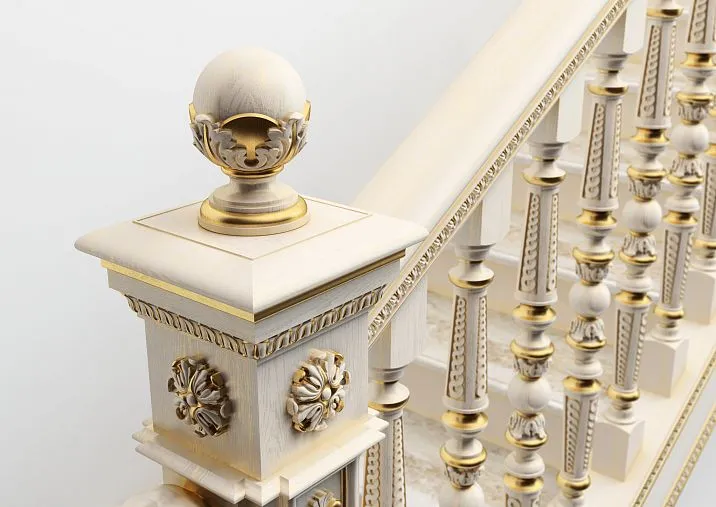
A staircase is not just a means of moving between floors, but a true work of art that sets the tone for the home’s interior. A properly installed staircase can transform the space, add warmth, and create an atmosphere of safety and style. One of the key elements of this structure are balusters and handrails. Their quality installation is a guarantee of safety and longevity, and also plays an important role in the aesthetic design of the interior. In this article, we will share practical tips and recommendations from professionals, describe the step-by-step process of installing balusters and handrails on a wooden staircase by yourself, and help you avoid common mistakes.
If you plan to update your staircase,buy balusters , which will help you implement your project.staircase components, which will help you implement your project.
In this article, we will thoroughly examine:
● Preparing for the installation of balusters and handrails;
● Step-by-step installation process on a wooden staircase;
● Choosing the right fasteners and mounting methods;
● Installation specifics for different types of balusters;
● Professional tips and common mistakes to avoid.
Let's start with preparation for installation.


Pre-installation preparation




1. Planning and design
Before beginning installation, carefully plan the work. Decide on the overall design of your staircase, select the type of balusters and handrails that will harmonize with the interior. Perhaps you prefer a classic style, whereWooden balustersor modern minimalism withflat balustersIt is important to create a detailed plan and sketch, indicating the dimensions, proportions, and placement of each element.
Suggestion: If you wantbalusters for staircase to buybe sure to study modern trends so your project is not only reliable but also stylish.
Our factory also produces:


2. Required Materials and Tools
Materials
For installing balusters and handrails on a wooden staircase, you will need:
● Wood: Choose high-quality solid wood (e.g., oak, beech, or ash) for makingWooden balustersIf you plan toBuy wooden balustersensure the material has no knots or defects.
● Fastening elements: Screws (preferably stainless steel), anchors, metal brackets, construction adhesive. Goodstaircase components will ensure secure fastening.
● Protective compounds: Lacquers, oils, and antiseptics for treating wood. If you plan tobuy wooden balustersensure the finished product is treated with protective compounds.
Tools
● Circular or band saw for cutting wood.
● Sander and sandpaper.
● Drill and screwdriver.
● Tape measure, level, and pencil for accurate marking.
● Clamps for holding elements during gluing.
● Safety goggles, gloves, and helmet.
Suggestion: Check all tools for proper function before starting work and ensure your workspace is well-organized.
Get Consultation
3. Preparing the workspace
Organize a clean, well-lit, and spacious workspace. If installation is performed directly on the staircase, protect the surface from damage using special film or fabric.
Suggestion: Plan the placement of all tools and materials to avoid distractions during work.
Step-by-step installation instructions
Step 1. Marking and Surface Preparation
1.1. Marking mounting locations
The first and most important step is accurate marking. The quality of installation depends on the accuracy of measurements:
● Use a tape measure and level to determine the ideal placement ofbalusters for staircase.
● Mark the mounting locations on each step, maintaining the standard distance that ensures safety.
Tip: Use a template or guide to ensure all mounting holes are identical.
1.2. Surface Preparation
Clean and prepare the stair surface for baluster mounting:
● If the surface is wooden, remove old finish, sand it, and treat with a wood preservative.
● Check the surface for unevenness or cracks and repair them before installation. Tip: Apply primer or protective varnish to ensure better adhesion of fasteners.
Step 2. Pre-drilling Holes
2.1. Drilling holes
Pre-drilling is a mandatory step to prevent wood cracking and ensure accurate fastening:
● Drill holes at the locations marked during the marking stage. Select the appropriate drill bit size depending on the screws or anchors being used.
● ForWooden balusters pre-drilling – the key to careful installation. Tip: Check the depth and diameter of the holes to ensure they match the fasteners.
Step 3. Installing balusters
3.1. Mounting balusters with screws
Screw mounting – one of the most common installation methods:
● Install balusters at prepared locations and secure them with screws. Use a drill driver for precise and even fastening.
● Ensure that eachbaluster for staircase purchase is installed level and without misalignment. Tip: If the structure starts to wobble, additionally reinforce the joint with construction adhesive.
3.2. Installing metal brackets and fastening clips
Metal brackets and clips help strengthen joints, especially on wooden structures:
● Secure metal brackets at the junctions between balusters and the main stair structure. This provides additional support and prevents shifting.
● Use fastening clips for additional reinforcement, especially if youbalusters from wood by hand. Tip: Pay attention to the quality of the brackets used – they must be resistant to corrosion and mechanical damage.
3.3. Applying construction adhesive
Construction adhesive is an excellent complement to mechanical fastening:
● Apply adhesive to the surfaces to be joined before securing with screws or brackets.
● Allow the adhesive to fully dry according to the manufacturer's instructions to ensure reliable bonding. Tip: Use adhesives specifically designed for bonding wood, metal, and concrete if planning a mixed installation.
Step 4. Installing handrails and additional elements
After installing balusters, proceed to mounting handrails, which will complete the overall stair structure.
4.1. Installing handrails
Handrails play at least as important a role as the balusters themselves:
● Mark the locations for handrail mounting using a level and tape measure. Handrails should be installed so they harmonize with the balusters.
● Secure the handrails with screws or special fastening elements. It is important to follow the recommendations forInstalling balusters and handrails on a wooden staircaseto ensure the safety and aesthetics of the structure. Tip: If you want to do it yourself, follow the instructions for precise marking and assembly to avoid misalignment.Handrails and balusters to avoid misalignment.
4.2. Installing Posts and Handrail Caps
Posts and handrail caps complete the overall ensemble of the staircase structure:
● Mark and installPosts for staircasewhich will serve as support elements for balusters and handrails.
● SecureNewel posts on the upper parts of the posts. Handrail caps not only enhance the appearance of the staircase but also increase its stability. Tip: Use high-quality fasteners to ensure a secure connection of all structural components.
Step 5. Final inspection and finishing
5.1. Quality Control of Installation
After completing all installation stages, conduct a thorough inspection:
● Check the verticality and stability of eachStaircase Baluster.
● Ensure that all fasteners are securely attached and there are no gaps or misalignments.
● If minor imperfections are detected, correct them using additional fastening or corrective treatment.
5.2. Finishing and Maintenance
The final stage is finishing the installed elements:
● If necessary, perform final sanding, remove dust and contaminants.
Apply protective coatings (varnish, oil, or wax) onWooden balustersto protect them from moisture and mechanical damage.
Check thatHandrails and balusters look aesthetically pleasing and harmoniously fit into the overall staircase design.
Tip: Regular maintenance of installed elements will help preserve their original appearance and performance characteristics for many years.
Professional Tips
Thorough Preparation – Key to Success
Professionals agree that success in installation begins with thorough preparation. Here are the main recommendations:
Planning: Create a detailed work plan, mark all installation stages, and determine the sequence of actions. Usebalusters for staircase to buyif you want to ensure the quality of the work.
● Marking: Accurate marking is key to success. Use a laser level and templates for pre-drilling to ensure all mounting holes are identical.
● Material Preparation: Ensure high-quality processing of all materials before installation — from sanding wood to checking metal brackets for corrosion.
Experience and Practice
Beginners should not be afraid to experiment, but must carefully follow the installation technology:
● Training Projects: If you are installing for the first time, try making and installing several elements on a small area to master the technique.
● Videos and Instructions: Study educational materials and video lessons onInstalling balusters and handrails on a wooden staircase. This will help avoid mistakes and learn proper working techniques.
● Consultation with Professionals: Do not hesitate to seek advice from specialists, especially if you have questions at any stage of installation. Their experience will help you resolve issues more quickly.
Ensuring Safety
It cannot be forgotten that safety is the top priority when installing staircase structures:
● Checking Fasteners: Regularly inspect all fastener connections, especially if the staircase is actively used. Even slight loosening can lead to injuries.
● Use Personal Protective Equipment: Work with safety glasses, gloves, and a helmet. This will protect you from accidental damage during installation.
● Strict Adherence to Technology: Follow all installation recommendations, without skipping pre-drilling or quality control of fasteners. This is especially important forbuying wooden balusters for the staircase.
Common Mistakes and Ways to Fix Them
Error 1: Inaccurate Marking and Measurements
Incorrect marking can lead to misalignment, uneven load distribution, and reduced aesthetics.
● Solution: Always use high-precision tools, check measurements multiple times, and use templates for drilling.
Error 2: Lack of Pre-drilling
Without pre-drilling, wood may crack, and fasteners may install unevenly.
● Solution: Drill holes according to the marking, select drill bits of the correct diameter and depth.
Error 3: Use of Low-Quality Fasteners
Low-quality fasteners can lead to weakened connections and risk of accidents.
● Solution: Use only testedstaircase componentspreferably made of stainless steel and with anti-corrosion coating.
Error 4: Incorrect Combination of Fastening Methods
One fastening method may be insufficiently reliable for a particular structure.
● Solution: Combine fastening methods, using screws, mounting adhesive, and additional brackets to strengthen connections.
Error 5: Ignoring Material Specifics
When installing combined balusters, it is important to consider differences between materials — wood, metal, and concrete have different properties.
● Solution: Use combined fastening systems designed for different materials, and monitor temperature and humidity conditions.
Practical Installation Examples
Example 1: Classic Wooden Staircase
In one private home project, the owners decided to update the old wooden staircase by installing newBalusters for staircase. Work began with precise marking and pre-drilling holes in the solid wood. Balusters were installed using screws and metal brackets for additional fixation. After mounting, each element was checked for stability and then treated with protective varnish. Result — a safe and beautiful staircase that became the centerpiece of the interior.
Example 2: Installing Railing and Balusters in a Modern Style
. Wooden balusters were combined with metal elements, creating an eye-catching contrast. Special attention was paid to concealed mounting, where fasteners were not visible, ensuring clean lines and a modern look of the structure. The result was a stylish and functional staircase that perfectly integrated into the apartment’s overall design.Handrails and balustersBalusters made of wood combined with metal elements, creating an eye-catching contrast. Special attention was paid to concealed mounting, where fasteners were not visible, ensuring clean lines and a modern look of the structure. The result was a stylish and functional staircase that seamlessly integrated into the overall apartment design.
Example 3: DIY Project for Beginners
For an enthusiast wishing to try installingwooden balusters by hand, a self-installation project was implemented. The homeowner conducted thorough preparation: marking, pre-drilling, treating wood with protective coatings, and installing balusters using screws and brackets. After installation, all connections were inspected and surfaces were finished. The final result exceeded expectations — the staircase turned out not only reliable but also aesthetically pleasing, and the experience of self-installation inspired the homeowner to undertake further projects.
Care Recommendations for Installed Balusters and Railing
Regular Inspection and Maintenance
After completing installation, it is necessary to periodically check the condition of fastener connections:
● Regularly inspect all elements —buy wooden balusters for the staircase, Handrails and balusters, Posts for staircase andNewel posts. If fasteners loosen, tighten them immediately.
● Regularly treat wooden elements with protective coatings — varnish, oil, or wax.
● Renew anti-corrosion coating on metal elements to prevent rust.
● Use mild cleaning agents for cleaning concrete and wooden surfaces.
Technical Maintenance
Monitor the condition of fasteners and promptly address any malfunctions. This will preserve not only the aesthetic appearance but also ensure the safety of the structure for many years.
Conclusion
Main Conclusions
Installing balusters and railings on a wooden staircase is a complex but engaging process that requires careful preparation, precision, and adherence to all technological stages. Key points to consider:
● Accurate marking and pre-drilling: This is the key to precise and safe installation.
● Selection of quality fasteners: Use reliablestaircase componentssuch as screws, brackets, anchors, and mounting adhesive.
● Adherence to installation technology: Combined use of fastening methods (screws + adhesive + brackets) ensures a secure and long-lasting connection.
● Regular maintenance: Periodic inspection and care of installed elements guarantee preservation of their performance characteristics and aesthetic appearance.
Call to Action
If you want to create a safe, reliable, and stylish staircase, do not be afraid to experiment and installbalusters for staircase to buyUse the tips and recommendations provided in this guide, and be sure to seek help from quality {count} {name} %s.staircase componentsThanks to proper installationHandrails and balusters your staircase will not only be a functional element but also a true work of art, reflecting your impeccable taste.
Final Thoughts
Installing balusters and handrails on a wooden staircase by yourself is not only an opportunity to save money, but also a chance to demonstrate your creativity and skill. Each stage of the work requires attention to detail: from accurate marking to quality fastening and proper finishing. Following our detailed guide, you will be able to create a staircase that will serve you for many years, delight your eyes, and become a central element of your interior.
Do not be afraid to experiment, learn from your mistakes, and improve your skills. After all, a properly installed staircase is a guarantee of safety, comfort, and aesthetic appeal of your home. Invest in quality, use only proven {count} {name} %s.Handrails and balusters, Wooden balusters, as well asPosts for staircaseLet every detail, every {count} {name} %sStaircase Balusterbecome a manifestation of your pursuit of perfection.
Follow our recommendations, apply the knowledge you've gained, and create an interior that will delight you and your loved ones every day. Installing balusters is not just a job, it's a form of creativity that allows you to make your home unique and irreplaceable. We wish you success and inspiration in your projects!