Article Contents:
- 1. Define the Goal and Concept
- 2. Gather Sources of Inspiration
- 3. Selection and Organization of Materials
- 4. Creating the Moodboard Composition
- 4.1 Format selection
- 4.2 Composition principles
- 5. Final Refinement and Evaluation of the Result
- 6. Practical Tips for Success
- Conclusion
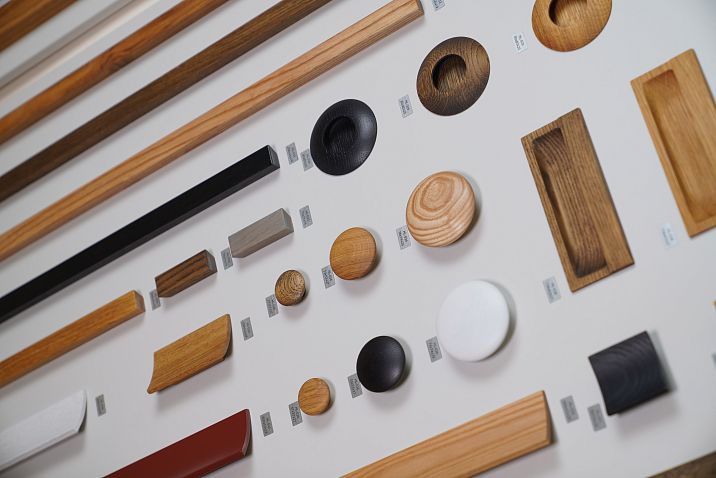
A moodboard is not just a collage of images and textures, but a true visual plan reflecting your ideas, emotions, and project concept. It is a tool that helps translate abstract thoughts into tangible form and serves as a starting point for realizing creative visions. If you want to learn how to create moodboards that inspire, structure your workflow, and impress with their harmony, this article is for you. We will thoroughly examine how to create a moodboard step by step, with examples and useful tips.




1. Define the Goal and Concept
Before starting to gather materials, it is important to answer several key questions:
● What idea or mood do you want to convey?
Think about the atmosphere your project should create. This could be calmness, dynamism, minimalism, or eclecticism. A clear understanding of the task will help you select the right elements.
● For which audience is your project intended?
Determine who will interact with your final product: these could be clients, colleagues, or personal creativity. The audience influences the style and choice of visual solutions.
● What key elements should be present?
Decide which main images, colors, textures, and fonts are essential for conveying the idea. Create a brief description of the concept — it will serve as your guide moving forward.
Write down all thoughts in a notebook or on an electronic device. A clearly formulated concept is the foundation for creating a successful moodboard.




2. Gather Sources of Inspiration
True creativity begins with seeking inspiration. Here are several effective ways to gather materials for your moodboard:
Online resources:
Use platforms such as Pinterest, Behance, Instagram, and specialized design blogs. Create digital boards with selected images that resonate with your idea.
● Printed publications:
Design magazines, art books, and catalogs can provide you with unique solutions and stylistic ideas. Cutouts and scanned elements can be used in digital or physical moodboards.
● Personal observations:
Walks through the city, visits to exhibitions, museums, or even random moments in daily life can provide unforgettable images. Take photos of interesting details that evoke the associations you need.
● Tactile Materials:
If you are working on interior design or space decoration, collect samples of fabrics, paper, wood, or other materials. They will help create a tactile perception of your future project.
Do not be afraid to experiment and record everything that catches your attention. Every small detail can become an important element of the composition.
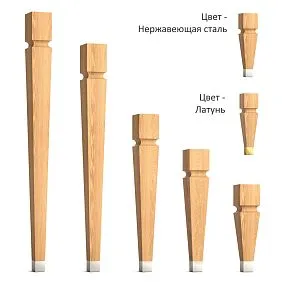
Our factory also produces:



3. Selection and Organization of Materials
After gathering numerous sources of inspiration, it is time for organization:
● Categorization:
Divide all materials into groups — colors, textures, images, graphic elements, fonts, and quotes. This structure will help you quickly find what you need and see the overall picture.
● Prioritization:
Select the elements that most accurately convey your concept. Choose the 'stars' of your collection and keep them at the center of attention. Other elements can be used as accents or additions.
● Eliminating the unnecessary:
The mood board should be concise and purposeful. If any element does not evoke the desired emotions or does not fit the overall theme, it’s better to remove it. Remember: less is more.
This stage will help you create 'raw material' from which a harmonious composition will later be assembled.
Get Consultation
4. Creating the mood board composition
4.1 Format Selection
Decide on the format you will work in:
● Digital mood board:
Use programs and online services such as Canva, Milanote, Adobe Spark, or even PowerPoint. Digital format is convenient for quick editing, moving elements, and exchanging ideas with your team.
● Physical mood board:
If tactile sensations are important to you, create a mood board on a large sheet of paper or in a special album. Use cutouts, fabric swatches, adhesive materials, and other real elements. A physical mood board can become a beautiful art object reflecting your idea.
4.2 Composition Principles
When creating a composition, it is important to follow several basic principles:
● Balance and harmony:
Arrange elements so they do not overload the composition. Leave free space ('white zones') for breathing room and better readability.
● Focal Points:
Identify the main elements that will attract the viewer's attention. These may be bright images or key colors that set the tone for the entire mood board.
● Contrast and unity:
Play with contrasts: combine bright and muted tones, textured and smooth surfaces. However, ensure all elements work within a unified stylistic key.
● Iterative approach:
Do not be afraid to experiment. Try different layout options, rearrange elements, and make changes until you feel the composition perfectly conveys the intended mood.
5. Final refinement and evaluation of the result
After the composition is ready, take a break. Return to the mood board several hours or the next day to evaluate it with a fresh perspective:
● Analyze alignment with the concept:
Check whether the final mood board reflects the original idea and evokes the desired emotions. If any details seem unnecessary or, conversely, insufficiently developed, make adjustments.
● Get feedback:
Show the mood board to colleagues, friends, or clients. Discussion with others will help identify shortcomings and reveal new ideas that may improve the final result.
● Document changes:
Record your observations and adjustments. This will help you in future projects and become valuable experience for developing your creative process.
6. Practical tips for success
● Be authentic.
Your mood board is a reflection of your inner world. Do not hesitate to include elements that evoke strong emotions in you. They will give your work uniqueness and depth.
● Experiment and make mistakes.
Creativity is a process of trial and error. Do not be afraid to take wrong steps: each attempt brings you closer to the ideal result.
● Update your mood board.
A mood board is a living document that can change as the project develops. Regularly return to it and add new ideas to keep it current.
● Use high-quality materials.
Regardless of whether you work in digital or physical format, the quality of source materials plays a crucial role in the final impression. Carefully select images, textures, and fonts.
Conclusion
How to create a mood board? It is an art that allows you to translate abstract ideas into a concrete visual plan. A mood board is not just a collage — it is a whole world where every detail matters, and every thought finds its reflection. It helps structure the creative process, align communication with clients and the team, and above all — inspires you to achieve new accomplishments.
Create mood boards that reflect your individuality, experiment with formats and elements, and let each of your projects be a step toward realizing the dream of a beautiful and harmonious world.
If you aim to bring your bold ideas to life and create a space that is not only functional but also inspiring, turn to professionals. STAVROS is your reliable partner in the world of design, helping to turn even the most abstract ideas into reality.
STAVROS offers comprehensive solutions for interior design, branding, and implementation of projects of any complexity. With their help, every mood board becomes a foundation upon which a true design masterpiece is built.
Create, experiment, and remember: every mood board is a reflection of your soul, the beginning of a new path, and a step toward realizing your brightest ideas!