Article Contents:
- 1. Project Planning
- 2. Material Selection
- 3. Tools and equipment
- 4. Table Assembly Stages
- 4.1. Frame Construction
- 4.2. Top Construction
- 4.3. Assembly and Final Finishing
Making a wooden table by hand is not only a way to create a unique and functional item, but also an opportunity to express your creative vision, infuse your soul into every detail, and create furniture that will become the heart of the interior. In this article, we will thoroughly explain how to make a beautiful wooden table, from the planning stage to the final finishing, paying attention to material selection, tools, and technical nuances.


1. Project Planning
Before starting work, it is important to clearly formulate your ideas and determine exactly what kind of table you want to create. Planning is the foundation of a successful project, so spend time on the following aspects:
● Define the table's purpose. Decide whether it will be a dining table, a work surface, or a decorative element. Functional requirements influence the size, shape, and structural features.
● Choose the style and design. A beautiful wooden table can be made in a classic, modern, or eclectic style. Consider which decorative elements (carving, inlay, moldings) you want to use to give the item uniqueness.
● Create drawings and sketches. Draw preliminary sketches, determine dimensions, proportions, and possible decorative solutions. This will help avoid mistakes during work and provide a clear vision of the final result.




2. Material Selection
The quality of the final product depends directly on the chosen raw material. For making a beautiful wooden table, it is important to use natural, first-grade wood:
● Wood species. Optimal options include oak, beech, ash, or maple. Oak is renowned for its strength and expressive texture, beech for its lightness and elegance, while ash and maple offer uniform color.
● Wood preparation. Before starting work, the wood must be properly dried and treated. Sanding and antiseptic treatment will help prevent warping, rotting, and insect infestation.
● Additional materials. For fastening and connections, you will need high-quality adhesives, screws, and metal brackets that will ensure the structural integrity.
Our factory also produces:





3. Tools and Equipment
To make a quality table by hand, you will need the following tools:
● Saw. Hand saw or electric circular saw for cutting wood into required parts.
● Hand plane and sander. For surface processing, leveling, and creating a smooth texture.
● Drill with attachments. For drilling holes for fasteners and assembling the structure.
● Tape measure, square, level. For precise measurements and checking the straightness of parts.
● Protective gear. Safety glasses, gloves, and mask will help ensure safety while working with wood.
Get Consultation
4. Table Assembly Stages
4.1. Frame Construction
The frame is the foundation of the table, determining its strength and stability.
● Wood cutting. Cut the wood according to the drawings. Ensure all parts have identical dimensions and smooth edges.
● Frame assembly. Connect the cut pieces into a single structure using glue, screws, or metal brackets. Pay special attention to the accuracy of joints — this is the key to the table's longevity.
● Installation of legs and supports. Strong and stylish legs for the table (for example,furniture legs) and additional supports ensure even load distribution and structural stability.
4.2. Making the tabletop
The tabletop is the main working surface, which should not only be beautiful but also functional.
● Choosing the method of manufacture. You can use a single piece of wood or assemble the tabletop from multiple layers (laminate tabletop). The latter option allows avoiding deformation issues and evenly distributing the load.
● Sanding and finishing. After assembling the tabletop, perform thorough sanding to remove irregularities. Then apply primer and a final finish — varnish, stain, or oil — to highlight the natural wood texture and protect the surface.
4.3. Assembly and final finishing
When all main components are ready, proceed to assemble the table.
● Connecting the frame to the tabletop. Attach the tabletop to the frame, ensuring the structure is stable and level. If necessary, use additional fasteners to increase strength.
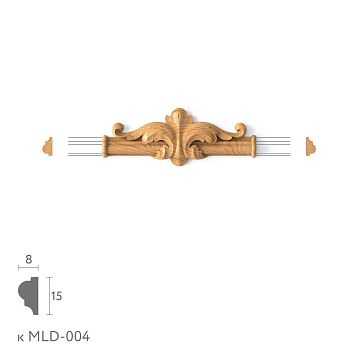
● Edge finishing. To give the table a finished look, you can treat the edges with decorative moldings or carved appliqués. This not only improves the appearance but also protects the table from mechanical damage.
● Final sanding. After assembly, perform final sanding to make all surfaces perfectly smooth and ready for the final finish layer.
5. Decorative solutions: How to decorate the table
To make your table truly unique, you can add decorative elements that highlight its individuality:
● Carved elements and appliqués. Wood carving is an excellent way to add artistic value to the item. Masters can create exquisite patterns that emphasize traditions and your creativity.
● Moldings and cornices. Decorative moldings and cornices (you can find various options, for example, on specialized websites) help create smooth transitions between table elements, giving it a finished look.
● Inlay. Adding elements made of other materials (for example, stone or metal) allows creating interesting contrasts and making the table a central element of the interior.
6. Care for a wooden table
To ensure your table retains its beauty and longevity, proper care is essential:
● Regular cleaning. Wipe the table with a soft cloth, avoiding aggressive chemical cleaners.
● Surface protection. Regularly renew the protective coating — varnish or oil — to preserve the natural wood texture and prevent cracking.
● Periodic inspection of fasteners. Over time, check the condition of fasteners to promptly address minor damage and maintain structural integrity.
Conclusion: Creativity, quality, and individuality
Creating a beautiful wooden table by hand is an engaging journey in which you not only acquire new skills but also create something truly unique. From careful planning and selecting quality materials to meticulous assembly and decoration — each stage of work allows you to infuse a piece of your soul into the item.
Your table will delight the eye and serve for many years, becoming a central element of the interior that reflects your taste, pursuit of perfection, and love for natural materials. Let your creativity inspire, and let the manufacturing process bring you joy. Create, experiment, and enjoy every moment of work, for it is in the details that the true beauty of a wooden table lies.