Article Contents:
- Front door DIY: from idea to finished product
- Step 1: Selecting materials
- Step 2: Measuring the door frame
- Step 3: Making the door panel
- Step 4: Installing the door frame
- Step 5: Installing hinges and locks
- Step 6: Decorating the door
- Step 1: Choosing materials for an interior door
- Step 2: Measuring the door frame
- Step 3: Cutting and assembling the door panel
- Step 4: Installing hardware
- Step 5: Decorating and installing door casings
- Step 1: Selecting materials and hardware
- Step 2: Measuring the opening and preparing the door panel
- Step 3: Installing guides and rollers
- Step 4: Final finishing and decorative elements
- Decor and styles of doors: Design options
- Classic style
- Carved door casings
- Decorative moldings for doors
- Decor from wood and polyurethane
- Modern style
- PVC door casings
- Moldings for edge protection of doors
- Door cornices
- Scandinavian Style
- White door casings
- Cornices for balcony doors and other rooms
- Wood and polyurethane overlays
- Creative ideas for door decoration
- 1. Use contrasting colors
- 2. Using decorative overlays
- 3. Adding glass inserts
- 4. Geometric decoration
- 5. Use of natural materials
- 6. Curtain valance above the door
- 7. Creating a door gallery
- Conclusion
A door is not just a functional interior detail, but an element that helps set the tone for the entire home space. Depending on the style and type of door, it can be used as a way to express the individuality of your interior. Making a door yourself allows not only to create a strong and reliable product, but also to make it unique by adding decorative elements such as door casings, door moldings, and door valances.
Do-it-yourself entrance door: from idea to finished product




Step 1: Selecting materials
An entrance door should combine both strength and aesthetic appeal. The best material for such a door is solid wood, such as oak, beech, or ash. These wood species are durable, resistant to environmental influences, and give the product a solid appearance. You can also consider composite materials, such as metal and wood, which will improve the door's protective functions.
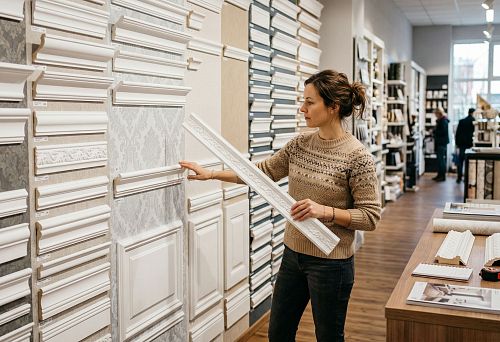
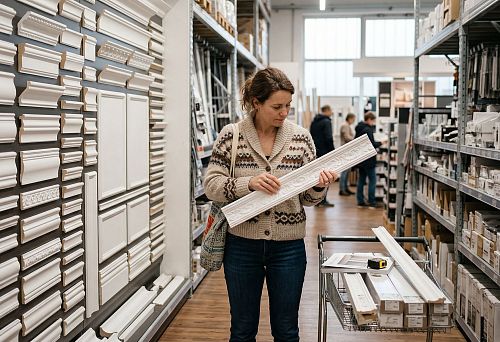
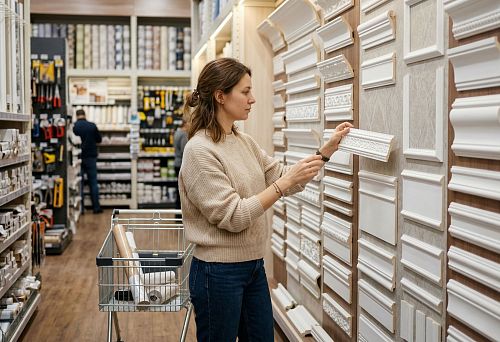
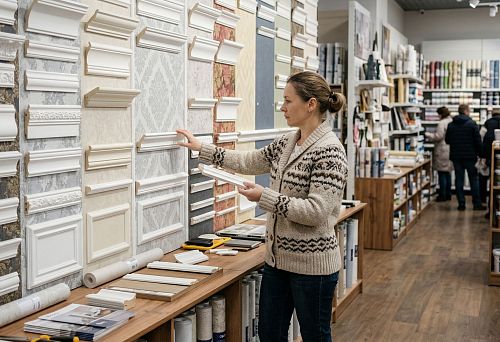
door casings Door casings and choose the appropriate style for your project.
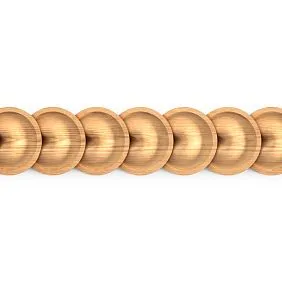
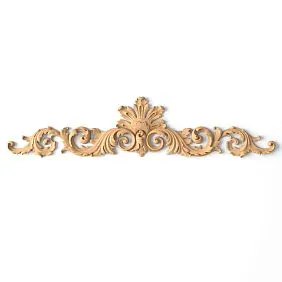
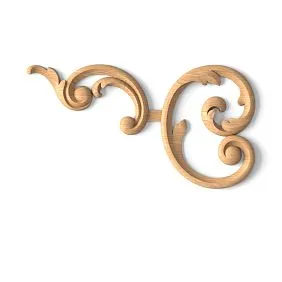
Our factory also produces:
Step 2: Measuring the door opening
The first step in making a door is accurately measuring the door opening. Standard dimensions for an entrance door are approximately 200 cm in height and 90 cm in width, but it is important to consider the individual dimensions of your opening. Leave a small gap (about 5 mm) on each side for installing the door frame and hardware.
Get Consultation
Step 3: Making the door panel
To make the door panel, use several boards 10-15 cm wide, which must be joined using dowels and wood glue. Cross elements will help strengthen the door structure. It is important that the door panel is strong, as it must withstand both the weight of the door and the loads from locks and hinges.
Step 4: Installing the door frame
The door frame is an important element that ensures the stability of the door in the opening. It is made from strong wood species capable of supporting the weight of an entrance door. Measure and cut the side stiles and top rail to the size of the door opening, then join them using wood glue and screws.
Step 5: Installing hinges and locks
Hardware for an entrance door should be strong and reliable. Install hinges at a height of about 20 cm from the top and bottom of the door, and also add a third hinge in the middle to increase the structural strength. Choose multi-point locks for maximum security.
Step 6: Decorating the door
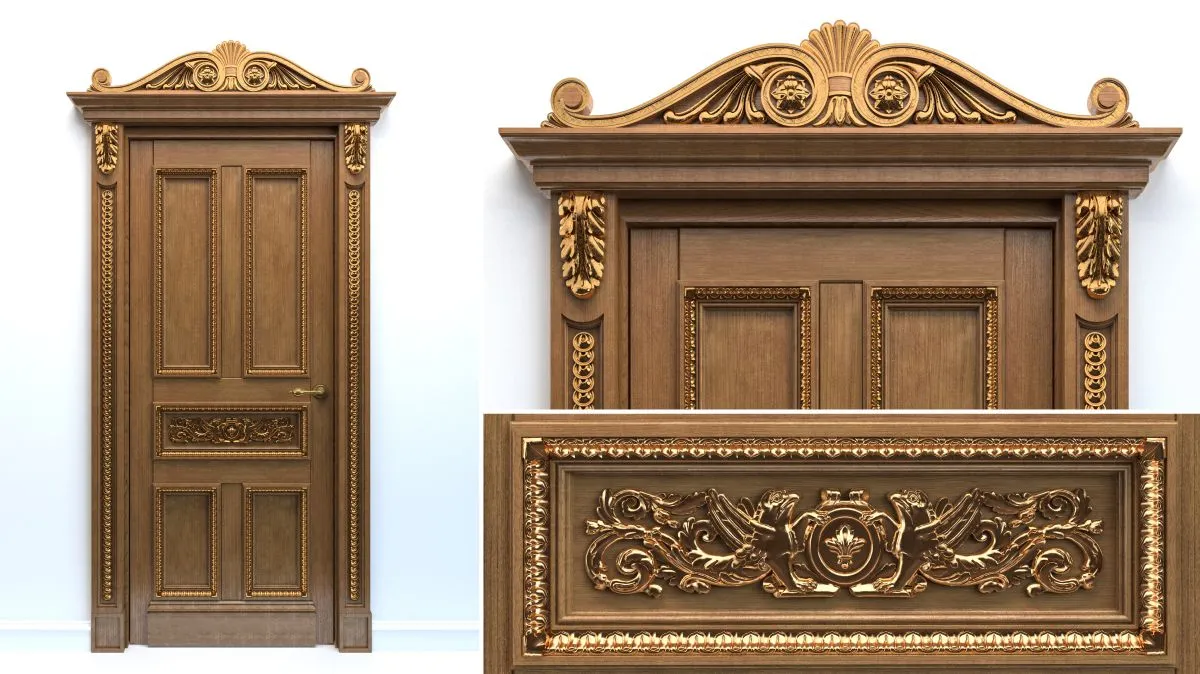
After completing the installation, move on to decorating the door. It is important to use quality door casings, which will add elegance and completeness. These are decorative elements that frame the door and conceal the joints between the door frame and the wall. You may buy door casings for the entrance doorby choosing a classic or modern design depending on your style.
Do not forget about the entrance door valance. A valance will add elegance and completeness to the door. You can use valances as a functional element protecting the top of the door from weather, or purely as a decorative detail. Explore options valances for entrance doorsto choose a style that perfectly complements the exterior of your home.
How to make an interior door yourself
Interior doors serve the function of dividing space within a home and adding coziness to each room. It is important that interior doors are not only functional but also harmonize with the overall interior style.
Step 1: Choosing materials for an interior door
For making interior doors, lighter wood such as pine or spruce is often used. These types of wood are easy to process and have sufficient strength for indoor use.
Special attention should be paid to elements such as interior door casings, which help conceal the joints between the door frame and the wall. To create a harmonious interior, it is important to choose the right style of casings. It is recommended buy casings for interior doors from a verified manufacturer.
Our factory also produces:
Step 2: Measuring the door opening
Measure the door opening to the millimeter. For interior doors, it is important to leave gaps for installing hardware and the door frame. The opening for an interior door is usually 80 cm wide and 200 cm high, but dimensions may vary depending on the specific conditions of your home.
Step 3: Cutting and assembling the door panel
To make a door panel from pine or spruce wood, cut boards to the required length and width. Join them together using wood glue and dowel joints. You can add glass inserts or decorative elements if they match your interior style.
Step 4: Installing hardware
After the door panel is assembled, install hinges and locks. For interior doors, lighter locks can be used, as they do not require the same high level of security as exterior doors. Hinges are installed on the side stiles of the door frame.
Step 5: Decorating and installing casings
To give the door a finished look and harmony with the interior, use casings for interior doors. They will conceal joints and add aesthetic appeal. Depending on the style of your home, you can choose carved or simple casings. You can buy casings for interior doors according to your preferences and style.
Pay special attention to details such as door moldings, which can become a striking accent in the design. Familiarize yourself with decorative moldings for doors, to select exactly those that suit your interior.
How to make sliding doors yourself
Sliding doors are an excellent option for saving space in small rooms. They help optimize usable area while simultaneously giving the interior a light and modern feel.
Step 1: Selecting materials and hardware
Light materials such as plywood or solid pine are suitable for making sliding doors. It is important to choose quality guide rails so that the door slides smoothly along them. You will also need hardware: rollers and mounting hardware for the door panel.
Step 2: Measuring the opening and preparing the door panel
Measure the width and height of the opening where the sliding doors will be installed. The door panel should be slightly wider than the opening to fully cover it when moving. Cut boards or plywood to the required dimensions.
Step 3: Installing guides and rollers
Guides are installed above the door opening, strictly level. Rollers are attached to the top of the door panel, then the panel is installed into the guides. Ensure that the door slides smoothly and easily along the rails.
Step 4: Final finishing and decorative elements
To complete the design of a sliding door, you can use elements such as a sliding door valance, which will give the door an elegant and finished look. You can buy valances for doors and install them to give your interior a stylish accent.
Decor and door styles: Design options
When it comes to decorating doors, it is important to understand that every detail matters. Decorative elements such as door casings, moldings, and even hardware can transform a simple door into part of an interior design solution. From classic to modern styles, each requires its own approach to decoration. Decor, whether carved appliqués or refined moldings, adds elegance, while polyurethane decor allows experimenting with shapes, creating original solutions.
Classic style
Classic style in door design is an eternal embodiment of elegance and luxury. In this style, emphasis is placed on details, and every decorative line reflects the sophistication and high status of the room. For a classic interior, carved door casings and decorative moldings are characteristic, adding grandeur and refinement to the doors. Classic doors are often adorned with exquisite wooden details, such as carved appliqués.
Carved door casings
One of the key elements of a classic door are carved door casings. They play an important role in creating an ornate frame around the door panel and emphasize its status. Choosing carved door casings for a classic style allows you to add elements of historical heritage inspired by architectural traditions. Carved door casings can be adorned with baroque ornamentation, floral motifs, or geometric patterns characteristic of the classic style.
To make the door a true 'calling card' of the house, we recommend choosing and buy door casings with rich carving. They will help create an impressive and majestic image that harmoniously complements a luxurious interior.
Decorative moldings for doors
Classic doors do not do without decorative moldings for doors, which decorate the surface and give the door volume. Moldings can be used both on the door panel and on the door frame to create a visually complex and multi-layered structure. Often, in classic interiors, carved moldings are used, which add even more elegance and make the door a central element of the space.
When choosing decorative moldings, pay attention to moldings for doors with carving. They are perfectly suited for a classic interior, creating a unique and expensive look.
Wood and polyurethane decor
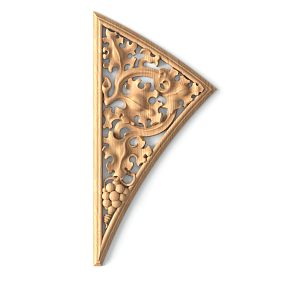
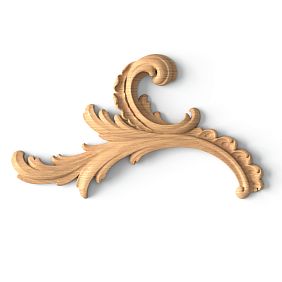
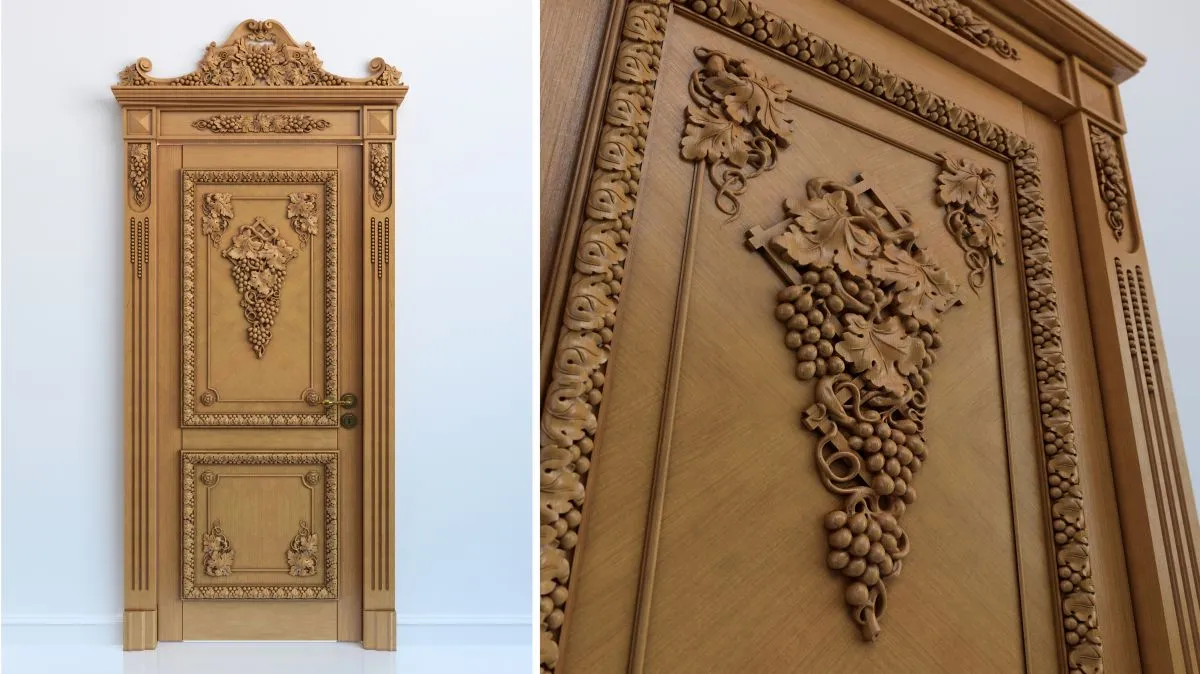
Classic style implies the use of traditional materials such as wood. Wooden appliqués allow you to add majestic decorative elements to doors, such as columns, arches, and pilasters. Such details give doors solidity and status. You can choose wooden appliqués with delicate carving, which will become the main accent of the door panel.
However, for lighter and more modern interpretations of classic style, you can use decor made of polyurethane. This material, lightweight and durable, allows you to create complex decorative forms, imitating wood carving, but at the same time it has greater durability and resistance to external influences. Polyurethane decorative elements are ideal for decorating doors in a classic style, without adding weight to the structure. You can familiarize yourself with polyurethane decor and choose suitable elements for your project.
Modern Style
Modern doors are characterized by minimalism, clear lines, and the use of functional materials. Here, it is important to avoid unnecessary decoration, leaving the door simple and elegant. Modern solutions for door design often focus on practicality, where simplicity and functionality go hand in hand with aesthetics.
PVC door casings
For modern style, materials that combine durability and lightness are used. PVC door casings are an ideal choice for those who aim to create a neat and modern frame. These casings require no complex maintenance, are resistant to mechanical damage, and are easy to install. They can be used both for interior doors and for entrance doors.
Plastic door casings can be made in various colors, allowing you to match them with the overall style of the room. White door casings are especially popular, as they highlight bright and spacious interiors. You can buy PVC door casings and create a harmonious frame for the door, in line with modern trends.
Moldings for protecting door edges
In modern style, moldings for protecting door edges are often used. These elements not only add decorative appeal but also serve a practical function — protecting the edges of the door panel from damage. This is especially important in cases of active door use, where increased mechanical load may cause edge wear. Such moldings can be made of PVC or other durable materials that are easy to clean and maintain their aesthetic appearance.
Choosing molding for protecting door edges, pay attention to simple and minimalist options that match modern design trends.
Door cornices
In a modern interior, cornices serve not only a functional but also a decorative purpose. A door cornice can be used to create a finished look. For example, for an entrance door, a cornice can serve as protection from weather, and for interior doors — add architectural flair. A cornice for sliding doors allows hiding the opening mechanism, creating a clean and minimalist appearance.
To create a finished modern interior, consider purchasing door cornicesScandinavian style combines functionality and simplicity. It features natural materials and light tones, giving interiors spaciousness and lightness. Doors in Scandinavian style are made from light wood species such as pine or birch, with minimal decorative elements.
Scandinavian style
White door casings
White door casings
White door casings play an important role in Scandinavian style. They emphasize clean lines and add neatness to light interiors. White casings visually expand the space, making rooms brighter and more spacious. These elements can be simple and minimalist, or feature minimal decorative patterns.
Choosing white door casingsWhen considering the overall room style, choose casings without unnecessary carving, which highlight the lightness and simplicity of the design.
Crown mouldings for balcony doors and other rooms
Crown mouldings can be used not only for entrance and interior doors, but also for balcony doors. A crown moulding for a balcony door will help create a more cozy space while simultaneously protecting the door from external influences. In Scandinavian style, crown mouldings should be simple and functional. They should not distract from the overall interior concept.
For decorating sliding or balcony doors, use crown moulding for sliding doors or balcony doors, to complement the space in a minimalist and natural style.
Wood and polyurethane appliqués
Scandinavian style allows for the use of minimal decorative elements, such as wooden appliqués or polyurethane decor. These elements can be used to create accents on doors or doorways. For example, wooden appliqués can be used to add texture, while polyurethane elements will allow you to add lightness and elegance to the design without adding weight to the structure.
Choosing Polyurethane DecorBy choosing these elements, you can get an elegant and durable solution for Scandinavian style that combines lightness and strength.
Creative ideas for decorating doors
If standard solutions seem boring to you, you can always apply a creative approach and turn your door into not just a functional element, but a true work of art. Regardless of whether you are creating an entrance door, interior door, or sliding door, there are many ways to give it a unique look. Here are some ideas on how to do it:
1. Use contrasting colors
The simplest, yet most effective way to add individuality to a door is to play with colors. Paint the door in a contrasting color relative to the walls. For example, if the walls are white or neutral, choose a rich tone such as dark blue, deep green, or burgundy. This will create a striking accent in the interior.
By adding white door casings, you can create a clean and stylish contrast. White casings will highlight the bright door and give it a neat, finished look. You can buy white door casings to achieve such an effect.
2. Use decorative appliqués
Carved wooden appliqués or decorative polyurethane appliqués can completely transform the appearance of a door. For classic-style interior doors, you can use appliqués in the form of columns, geometric patterns, or floral motifs. These elements are easy to attach to the door surface and add elegance.
Wooden appliqués are ideal for creating doors in traditional or classic styles. For more modern interiors, pay attention to polyurethane decor. It allows you to create an elegant look without adding weight to the structure. Explore the options polyurethane decorto select the ideal solutions for your home.
3. Add glass inserts
If you want to add lightness and visual lightness, use glass inserts in doors. This can be clear glass or frosted glass, creating a sense of privacy. Inserts made of colored or stained glass will give the door originality and become a striking accent in the interior.
Glass elements look especially good when combined with classic door casings and decorative mouldings for doors. By combining wood and glass, you can create a door that is both traditional and modern.
4. Geometric decor
For modern doors, you can use geometric shapes as a decorative element. Use straight lines, squares, or rhombuses to create a modern and minimalist look. Geometric patterns can be created using polyurethane appliqués, which are easy to install and create a three-dimensional effect.
Such geometric decor will look great against a smooth, monochromatic door surface, creating an interesting contrast between texture and form. To add clarity and vibrancy, use contrasting door moldings.
5. Use of Natural Materials
Another creative approach is using natural materials such as wood, stone, or metal. Wooden decor will give the door warmth and coziness. You can use wooden panels of different textures and colors to create unique patterns and textures.
By using door casings and decorative elements, you can create a door that harmonizes with the surrounding natural landscape or the "eco" style in interior design. Such solutions look especially good in homes using natural materials and in Scandinavian minimalist style.
6. Curtain Rod Above the Door
If you need additional decoration for a door in a living room or on a balcony, try using a curtain rod above the door. This is not only an original solution but also practical: curtains above the door can serve as additional sun protection or create an extra sense of coziness in the room. Such a curtain rod can be used as part of the window and door decoration simultaneously, creating a cohesive and harmonious look.
You can choose and buy a curtain rod for a balcony doorwhich will perfectly complement your interior and give it individuality.
7. Creating a Door Gallery
Another unconventional idea is creating a gallery on the doors. Hang several frames with photographs, paintings, or illustrations on the door. This will add additional value to the door and make it an interesting interior detail. Such an idea is especially suitable for hallway or living room interior doors. Frames can be combined with decorative door moldings to create a harmonious look.
Conclusion
Door decoration is not just a technical process, but an important element in creating a harmonious and stylish interior. Regardless of whether you prefer classic, modern, or Scandinavian style, every detail matters. Door casings, door moldings, wooden and polyurethane decor — all these elements help create a unique door that will become a striking feature of your home.
When choosing between different styles and decorative solutions, don't forget to experiment. A creative approach to door decoration allows you to make it not just a functional element, but a true work of art that will delight you and your guests.
To select all necessary elements for door decoration, such as casings, moldings, wooden overlays, or polyurethane decor, pay attention to the products Stavros.