Article Contents:
- Introduction
- Why is decor needed?
- Step 1: Defining interior style
- Step 2: Choosing a color palette
- Step 3: Working with textures
- Step 4: Lighting as a decorative element
- Step 5: Selecting decorative accessories
- Step 6: Decorative elements from Stavros for unique styling
- Step 7: Space zoning




Introduction
Interior decor is the finishing touch in space design, capable of changing its atmosphere, giving it individuality, and highlighting the stylistic direction. Decor serves not only an aesthetic but also a functional role, helping to create comfort and harmony in the home. However, selecting decorative elements requires understanding the basics of style, knowledge of color and texture combinations, and attention to detail. Let’s consider the main stages and aspects that will help you choose the perfect decor and make the space unique.




Why is decor needed?
Decor helps fully reveal the potential of a room, performing the following functions:
-
Visual zoning: Decor helps to distinguish different zones in a room, which is especially important for open-plan spaces.
-
Creating mood and atmosphere: The color, shape, and texture of decorative elements influence the perception of space.
-
Reflecting style and character of the inhabitants: Decorative elements can tell about the preferences, interests, and lifestyle of the people living in the house.
Our factory also produces:




Main stages of decor selection
Get Consultation
Step 1: Defining the interior style
Before selecting decor, it is important to define the interior style to create harmony and balanced design. There are many interior styles, each requiring specific decorative elements and approaches to details.
-
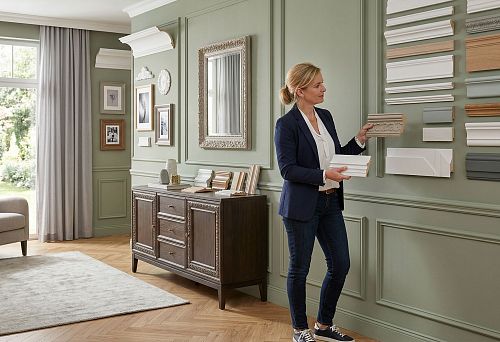
Classic style: Characterized by the use of decorative elements such as moldings, cornices, and stucco. These elements add elegance and a touch of luxury to the interior. For example, to create a classic look, you can use polyurethane moldingwhich will create accents and highlight zones on walls and ceilings.
-
Minimalism: Minimalism implies the use of simple forms and neutral shades. In such interiors, often used wall skirting with simple lines, as well as decorative elements in limited quantity.
-
Scandinavian style: Natural materials and textures, such as wood and textiles, play an important role in this style. This style suits Wooden planks and light shades, which add warmth and coziness.
-
Loft: Loft implies the use of rough textures and industrial elements, such as metal and concrete. In this style, decor can be minimalist and functional, with an emphasis on large details, for example, polymer decorative elements.
Step 2: Choosing a color palette
Color plays a key role in creating mood and atmosphere in interior design. When choosing a color palette for decor, it is important to consider the color scheme of furniture and walls to create harmony.
-
Neutral tones: White, beige, gray create a sense of calmness and serve as a background for bright accents. Neutral colors are often used for ceiling skirting boardsas they complement the main interior and highlight its elements.
-
Vibrant colors: Red, blue, and green add energy and draw attention to decorative elements. Use bright cushions, rugs, and paintings to add dynamism.
-
Pastel shades: Suitable for creating a calm and relaxing atmosphere. Especially appropriate in bedrooms and living rooms, where a cozy ambiance is important.
Tip: Use plaster cornices to create boundaries between zones. This helps harmoniously combine colors and create visual accents.
Step 3: Working with textures
Variety of textures in decor adds depth and makes the interior more interesting. Combining different textures creates a sense of dimension and allows you to create a unique design.
-
Wooden textures: Wooden elements, such as natural wood skirting boards, add warmth and naturalness. Wood suits various styles, from classic to Scandinavian.
-
Metal: Metallic elements add modernity and emphasize an industrial style. They can be used as accents on walls or in furniture.
-
Textiles: Using textile elements such as rugs, cushions, and throws adds coziness. To create contrast and interest, combine different fabrics, for example, wool and velvet.
Step 4: Lighting as a decorative element
Properly selected lighting can completely change the perception of the interior and create a comfortable atmosphere.
-
Main lighting: Chandeliers or ceiling fixtures provide primary lighting. For a classic interior, choose chandeliers with decorative elements that complement the overall style.
-
Additional lighting: Wall sconces, floor lamps, and table lamps add coziness and help define zones. Use fixtures with adjustable light to change the intensity according to the time of day.
-
Accent lighting: Lighting up paintings, mirrors, and decorative elements helps create focal points. Built-in fixtures or LED strips are suitable for this purpose.
Tip: Use Decorative Inserts and polyurethane decorative elements for creating bright accents on walls and ceilings to emphasize the room's style.
Step 5: Selecting decorative accessories
Decorative accessories are the finishing touch that helps make the interior complete and stylish.
-
Paintings and posters: Choose them based on the color scheme and interior style. They help create focal points and add individuality.
-
Decorative cushions and throws: Use textile elements to create coziness. The variety of textures and colors of cushions and throws will enliven the interior.
-
Green plants: Plants refresh the interior and create a sense of natural harmony.
-
Mirrors: Mirrors visually enlarge the space and make it brighter.
Step 6: Decorative elements from Stavros for unique styling
Stavros products allow you to diversify the interior and add unique decorative elements:
-
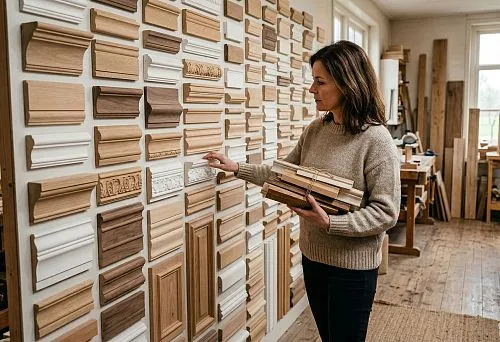
Moldings and cornices — ideal for creating stylish accents on walls. They help structure the space, adding depth and completeness to the room.
-
Ceiling skirting boards look great in any interior and hide joints, making the transition between walls and ceiling smooth and neat.
-
Polyurethane moldings add decorative appeal, especially in classic interiors. With them, you can create three-dimensional accents and decorate walls or ceilings.
-
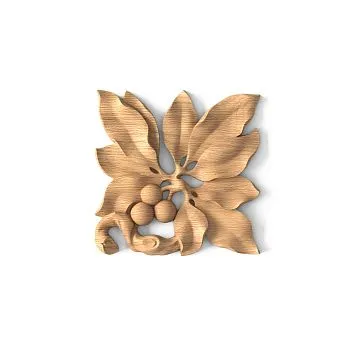
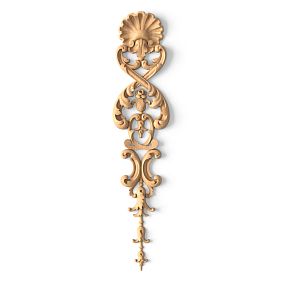
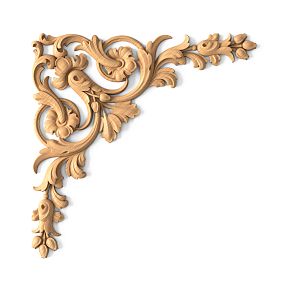
Decorative Inserts This element is perfect for doors and furniture, adding detail and making the interior unique.
Step 7: Zoning the space
Zoning allows you to properly organize space and create a logical division between zones. Use rugs, curtains, and furniture to create different zones:
-
Rugs help define specific zones, such as the living room or dining area.
-
Curtains allow you to separate a workspace or create a cozy nook.
-
Partitions and rails are used for visual division of space while maintaining its unity.