Article Contents:
- Conceptual foundations of furniture furnishing
- Psychology of Perceiving Furniture Forms
- Color solutions in furniture furnishing
- Influence of lighting on color perception
- Materials and textures in furniture design
- Innovative materials in modern furniture
- Decorative Elements and Their Role in Decoration
- Textile furnishing of furniture
- Ergonomics and functionality in furnishing
- Storage systems and their furnishing
- Stylistic directions in furniture furnishing
- Ethnic motifs in furniture design
- Production technologies and their influence on furnishing
- Digital technologies in furniture design
- Ecological aspects of furniture furnishing
- Biophilic design in furniture
- Individuality in mass production
Furnishing furniture is a complex creative process where every detail matters, and every decision affects the overall atmosphere of the space. How to furnish furniture So that it not only performs its functions but also becomes the central element of the interior, a source of aesthetic pleasure and practical comfort? In the modern world of interior design, furniture has long ceased to be merely a utilitarian object — it has become a tool of self-expression, a means of creating a unique atmosphere in the home.
Proper furniture furnishing requires understanding not only aesthetic principles but also deep knowledge of materials, technologies, and ergonomic features. Each piece of furniture must seamlessly fit into the overall interior concept, maintain stylistic unity, while preserving its individuality and functional value.
The process of furnishing furniture begins with a deep analysis of the space's needs and its inhabitants. This is not merely choosing a color or decorative elements — it is a comprehensive approach to creating a harmonious living environment, where every element contributes to the overall concept.


Conceptual foundations of furniture furnishing
Creating a cohesive furnishing concept for furniture is the foundation upon which the entire design project is built. Without a clear understanding of the overall idea, stylistic direction, and functional tasks, it is impossible to achieve a harmonious result. The concept determines not only the appearance of the furniture but also the principles of its placement and interaction with other interior elements.
Stylistic coherence becomes the first criterion of successful furnishing. Modern design allows for mixing different styles, but such eclecticism requires a deep understanding of compatibility principles. Classic furniture with carved elements harmonizes beautifully with modern minimalist forms, provided there is a unifying thread — color, material, proportions, or functional purpose.
The functional purpose of each item must clearly correspond to its furnishing. A work desk requires strict, professional lines that promote concentration. Furniture for relaxation, on the contrary, should invite relaxation with its soft forms, warm colors, and comfortable materials. Children's furniture requires bright, cheerful solutions that stimulate creative development.
Ergonomic principles determine not only ease of use but also the visual harmony of furniture. Correct proportions, alignment with anthropometric data, and logical construction solutions create a sense of naturalness and comfort. Furniture must not only look beautiful but also be intuitively perceived correctly at the subconscious level.




Psychology of perception of furniture forms
The shape of furniture exerts a powerful subconscious influence on a person's psyche. Rounded, smooth lines create a sense of safety and comfort, angular geometric forms set a professional tone, and asymmetrical compositions add dynamism and modernity.
The height of furniture affects the perception of space and the creation of a certain atmosphere. Low furniture visually expands the room, creating a sense of spaciousness and freedom. Tall items, on the contrary, add grandeur, emphasize vertical architectural lines, but may create a sense of pressure in small rooms.
The heaviness and lightness of furniture should correspond to the character of the room and its functional purpose. Heavy, substantial forms are suitable for formal interiors, creating a sense of stability and respectability. Light, airy constructions are ideal for modern spaces, where freedom and mobility are valued.
Surface textures add a tactile dimension to visual perception. Smooth polished surfaces create a sense of elegance and modernity, while rough natural textures add warmth and authenticity. Contrasting different textures within a single piece can create interesting visual effects.
Our factory also produces:


Color solutions in furniture design
Color is one of the most powerful tools in a furniture designer's arsenal. A well-chosen color palette can radically alter the perception of an object, its role in the interior, and its emotional impact on those around it. Color solutions must consider not only aesthetic preferences but also psychological aspects of perception, functional purpose of the furniture, and the characteristics of room lighting.
Monochromatic solutions create elegant restraint and universality. Various shades of one color, from the lightest to deep saturated tones, allow creating a rich palette without the risk of color discord. White furniture remains a classic choice for creating a sense of cleanliness and spaciousness, while black adds drama and sophistication.
Contrasting combinations attract attention and create dynamic compositions. The black-and-white contrast never goes out of style; combining dark wood with light accents creates noble elegance. Color contrasts should be balanced — one color dominates, the other is used for accents.
Natural palettes are based on natural color combinations and create a harmonious, calming atmosphere. Shades of wood, stone, water, and vegetation are intuitively perceived as correct and comfortable. Such solutions are especially effective in interiors oriented toward creating a connection with nature.
Get Consultation
The influence of lighting on color perception
Lighting dramatically affects the perception of furniture color and can completely alter the character of the interior. A professional approach to furniture design necessarily considers all types of lighting — natural, general artificial, and localized decorative lighting.
Natural lighting changes throughout the day, creating different moods and accents. Morning light has a cool tone, emphasizing blue and green tones in furniture finishes. Daylight is most neutral and accurately conveys colors. Evening lighting adds warmth, enhancing yellow and red tones.
Artificial lighting should complement natural lighting, supporting the desired color palette. Warm incandescent light highlights warm tones in furniture finishes, while cool LED light better conveys modern chrome and glass surfaces. The ability to adjust lighting color temperature allows adapting furniture perception to different situations.
Directional lighting can create dramatic effects, highlight material textures, and emphasize individual furniture pieces. Built-in lighting in furniture creates additional visual effects, transforming utilitarian items into decorative elements.
Materials and textures in furniture design
The choice of materials for furniture design determines not only its appearance but also tactile sensations, durability, and ecological characteristics. Modern technologies offer a wide range of materials — from traditional natural to innovative composites, each with unique properties and applications.
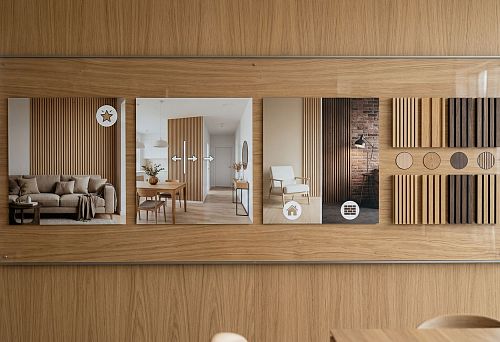
Natural wood remains a classic material for furniture due to its beauty, eco-friendliness, and ability to create a warm, cozy atmosphere. Different wood species offer a rich palette of colors and textures — from light birch to deep wenge, from calm beech to expressive oak. Wood finishing techniques — brushing, thermo-treatment, staining — allow creating unique decorative effects.
Metallic elements add modernity and technology to furniture. Stainless steel creates a sense of cleanliness and functionality, copper and brass add warmth and luxury, aluminum emphasizes lightness and mobility. Various metal finishing techniques — polishing, patination, sandblasting — create diverse visual and tactile effects.
Glass in furniture creates a sense of lightness and transparency, visually expanding space, adding light and air. Modern glass processing technologies allow creating matte, tinted, and patterned surfaces. Tempered glass ensures safe use in furniture.
Innovative materials in modern furniture
Technological development constantly offers new materials for furniture design. Composite materials combine the best properties of various components, creating unique characteristics of strength, lightness, and decorativeness.
Acrylic materials allow creating bright, saturated colors with a glossy surface. These materials are easily molded, enabling the creation of complex curved shapes. Resistance to ultraviolet radiation and ease of maintenance make acrylic a popular choice for modern furniture.
Ceramic surfaces in furniture provide exceptional strength and hygiene. Modern ceramics can imitate various materials — wood, stone, metal — while surpassing them in performance characteristics. Thin ceramic tiles allow creating elegant countertops and facades.
Eco-friendly materials made from recycled raw materials are becoming increasingly popular. Panels made from recycled wood, plastic, even textiles allow creating beautiful and functional furniture with minimal environmental impact.
Decorative elements and their role in design
Decorative elements transform utilitarian furniture into works of art, add individuality to mass-produced items, create accents, and attract attention. Proper use of decoration requires a sense of proportion and understanding of the overall stylistic concept.
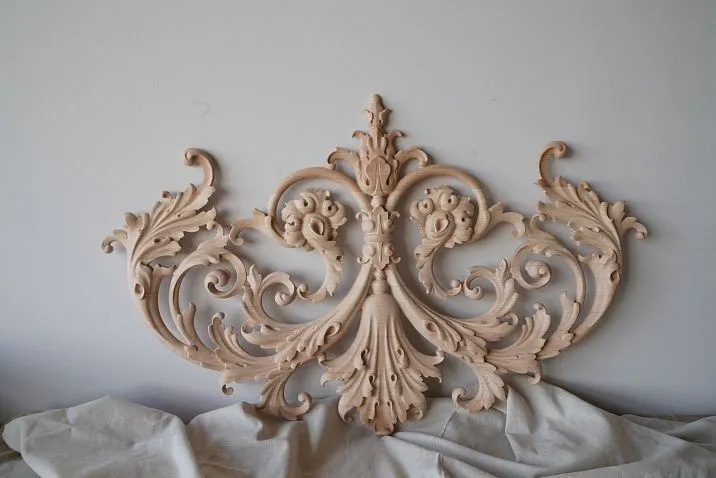
Wood carving is a traditional way to decorate furniture, never losing its relevance. Modern CNC technologies allow creating complex carved patterns with high precision and repeatability. Hand carving remains a symbol of exclusivity and craftsmanship.
Inlay and marquetry create exquisite decorative panels on furniture surfaces. Combining different wood species, using metal inserts, mother-of-pearl, and stone allows creating unique artistic compositions. Such techniques require high skill, but the result justifies the effort.
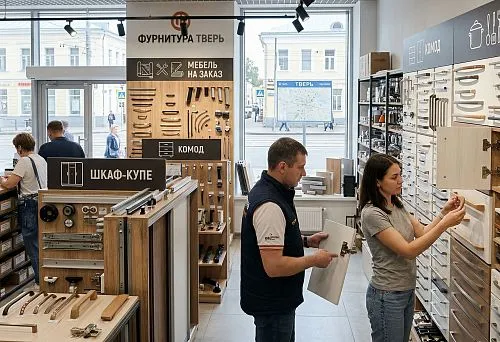
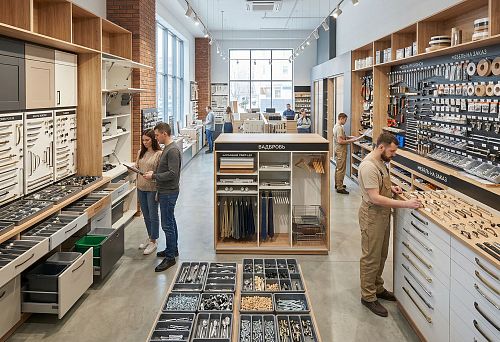
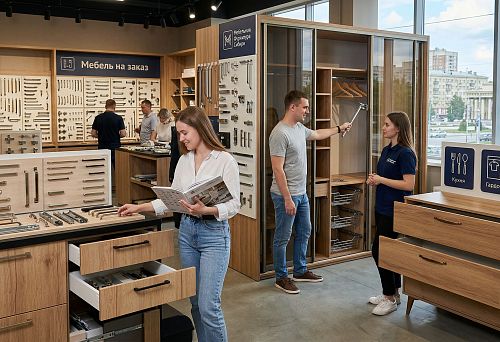
Hardware can play not only a functional but also a decorative role. Designer handles, hinges, and locks become important elements of the overall furniture style. Contrast between the main material and hardware creates interesting visual effects.
Textile upholstery of furniture
Textiles in furniture create comfort, add color and texture, and ensure ease of use. Choosing textile materials should consider not only aesthetic but also practical considerations — durability, ease of care, hypoallergenicity.
Upholstery fabrics determine the character of soft furniture. Natural materials — linen, cotton, wool — create a sense of naturalness and comfort. Synthetic fabrics may surpass natural ones in durability and ease of care. Blended compositions combine the advantages of different fibers.
Leather upholstery remains a symbol of luxury and status. Natural leather develops a noble patina with age, becoming even more beautiful and distinctive. High-quality artificial leather can successfully imitate natural leather at significantly lower cost.
Decorative cushions and throws allow easily changing the appearance of furniture, adapting it to seasonal changes, creating various moods. Removable covers for furniture are practical and allow experimenting with style without replacing the furniture itself.
Ergonomics and functionality in design
The beauty of furniture should not contradict its functionality. The most exquisite design loses meaning if the furniture is inconvenient to use. Ergonomic principles must be incorporated into the design, defining proportions, dimensions, and structural solutions.
The height of seats determines seating comfort and should correspond to anthropometric data of users. The standard height of 42-45 cm suits most people, but may be adjusted depending on specific usage conditions. Bar stools require a height of 65-75 cm, children's furniture — correspondingly smaller dimensions.
The depth of seats affects support for legs and back. The optimal depth of 50-55 cm ensures comfort for people of average height. Too deep seats do not provide back support, while too shallow ones cause discomfort for legs.
The angle of the backrest determines the degree of relaxation. Office chairs require a more vertical position (90-105°), while furniture for relaxation may have a greater incline (105-120°). The ability to adjust the incline allows adapting furniture to different activities.
Storage systems and their design
Modern furniture should not only look beautiful but also effectively solve storage tasks. Designing storage systems requires a balance between aesthetics and functionality.
The internal organization of cabinets and chests should be logical and convenient. Adjustable shelves, drawers, and specialized compartments for various items enhance furniture functionality. Internal lighting not only improves visibility but also creates additional decorative effects.
The facades of storage systems determine the appearance of furniture. Solid facades conceal contents, creating a calm, orderly look. Glass doors allow displaying beautiful items but require maintaining perfect order. Combined solutions combine the advantages of both approaches.
Opening mechanisms affect usability and the appearance of furniture. Hidden hinges create clean facade lines, soft-close mechanisms ensure smooth door closure. Push-to-open systems allow omitting visible handles, creating a minimalist appearance.
Stylistic directions in furniture design
Each stylistic direction has its characteristic features in furniture design. Understanding these features allows creating authentic interiors or appropriately adapting historical styles to modern needs.
Classic style in furniture design implies using traditional materials, proportions, decorative elements. Natural wood of noble species, carved details, gilding, quality upholstery create an atmosphere of luxury and respectability. Symmetry and correct proportions are the foundation of classic design.
Modern style welcomes clean lines, minimal decoration, innovative materials. Functionality dominates over decorative elements, each item has a practical purpose. Contrasting material combinations — wood and metal, glass and stone — create dynamic compositions.
Scandinavian style combines functionality with coziness. Light wood tones, simple forms, natural materials create a sense of connection with nature. Textiles play an important role in creating comfort and warmth.
Ethnic motifs in furniture design
Using ethnic motifs in furniture design allows creating unique, distinctive interiors. Each culture has contributed to world furniture art.
Eastern style is characterized by refined proportions, delicate decoration, use of lacquer and inlays. Japanese minimalism implies simple forms and natural materials, while Chinese style — rich decoration and symbolism.
African motifs introduce exoticism and natural energy. Using dark wood species, natural materials, ethnic patterns creates a vivid, memorable style.
Mediterranean style combines simplicity and elegance. Light tones, natural materials, nautical motifs create a sense of relaxation and rest.
Production technologies and their influence on design
Modern furniture production technologies open new possibilities for designers, allowing to realize the most daring ideas. Understanding production capabilities helps create not only beautiful but also technologically advanced furniture.
CNC machining ensures high precision in manufacturing complex shapes. Milling, cutting, drilling under computer control allow creating details with complex geometry with repeatability down to fractions of a millimeter. This opens opportunities for creating complex decorative elements, precise connections, innovative constructions.
Laser cutting allows creating delicate lace-like patterns, complex cutouts, perfectly precise details. The technology is applicable to various materials — wood, metal, acrylic — creating unlimited possibilities for decorative design.
3D printing in furniture production is still in development, but already allows creating unique decorative elements, hardware, even entire furniture items. The technology is especially effective for prototyping and small-batch production.
Digital technologies in furniture design
Computer modeling allows thoroughly developing furniture design even before production begins. Three-dimensional models enable evaluating appearance, proportions, ergonomics, and identifying potential issues.
Virtual reality allows "trying on" furniture in a real interior, assessing its perception in a specific space. This is especially important when developing custom furniture.
Parametric design allows creating furniture that automatically adapts to various sizes and configurations. Changing one parameter automatically adjusts the entire construction.
Environmental aspects of furniture design
Environmental responsibility is becoming an increasingly important factor in furniture design. Consumers are paying more attention to the origin of materials, production methods, and recyclability.
Using certified wood from sustainably managed forests ensures environmental responsibility. FSC certification guarantees that the wood is harvested without harm to ecosystems.
Recycled materials allow creating beautiful furniture with minimal environmental impact. Plywood made from recycled wood, plastic, and metal does not fall short in quality compared to primary materials.
Design longevity is no less important than material longevity. Furniture should remain relevant and attractive for many years, without requiring replacement due to aesthetic obsolescence.
Biophilic design in furniture
Biophilic design uses natural forms, materials, and colors to create a connection between people and nature in interiors. This approach is especially relevant in urban environments.
Organic shapes in furniture mimic natural structures — tree branches, river stones, plant leaves. Such shapes create a sense of naturalness and harmony.
Living plants as furniture elements create a literal connection with nature. Built-in planters, automatic watering systems, and special lighting for plants transform furniture into living ecosystems.
Natural colors and textures — shades of earth, water, vegetation — create a calming, harmonious atmosphere. Such solutions are especially effective in bedrooms and relaxation zones.
Individuality in mass production
Modern consumers seek individuality and uniqueness in their living spaces. Mass-produced furniture adapts to these needs by offering various personalization options.
Modular systems allow creating unique configurations from standard elements. Different sizes, colors, and materials of modules enable creating furniture perfectly suited to a specific space and needs.
Customizing individual elements — choosing color, material, hardware — allows adapting mass-produced furniture to personal preferences. Modern production systems make such customization economically accessible.
Co-designing with the client creates fully individual solutions. The client participates in the design process, selects materials, approves decisions, and receives a unique piece of furniture as a result.
The mastery of How to furnish furnitureBrings experience, knowledge of classical design principles, understanding of modern trends and technologies. Each furniture design project is unique and requires an individual approach, taking into account the characteristics of the space, user needs, and stylistic preferences.
Modern technologies and materials open up boundless creative possibilities in furniture design. It is important not to get lost in the variety of options, but to find the right balance between innovation and classical principles, between beauty and functionality, between individuality and universality.
Well-designed furniture becomes not just an interior item, but a tool for creating a comfortable, harmonious living environment. It affects mood, behavior, and quality of life, so the designer’s responsibility extends far beyond aesthetic considerations.
For many years, STAVROS has been creating high-quality furniture that combines classical craftsmanship traditions with modern technologies and design solutions. Deep understanding of furniture design principles, use of premium materials and technologies, attention to detail, and focus on individual client needs make STAVROS a reliable partner in creating unique interior solutions.