Article Contents:
- Philosophy of Furniture Transformation
- Diagnosis of Furniture Condition
- Modern Materials for Restoration
- Restorer's Toolkit
- Decorative Finishing Techniques
- Surface Texturing
- Color Solutions in Furniture Renewal
- Influence of Lighting on Color Perception
- Restoration of Various Types of Furniture
- Working with Antique Furniture
- Workshop Layout
- Waste disposal from restoration
- Economic Benefits of DIY Restoration
- Budget Planning for Restoration
- Creative Aspects of Furniture Restoration
- Documenting the Creative Process
- Future Technologies in Furniture Restoration
- Digital Assistants for Restorers
- Psychological Aspects of the Creative Process
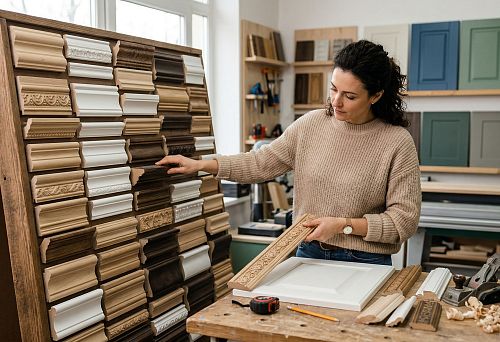
Old furniture is not a death sentence, but an opportunity! When a beloved dresser loses its former luster, and the commode's tabletop is covered with scratches from time, many rush to send their faithful companions to the landfill. But true connoisseurs of beauty know: how to update furniture so that it shines with new colors and will serve for another decade. Furniture restoration is not just repair work, it is a creative process of rebirth, where every scratch tells a story, and every brushstroke writes a new chapter in the life of the object.
In the era of mass production and rapid consumption, the art of updating furniture acquires special value. This is a resistance to disposable culture, a return to mindful relationships with objects, an understanding that quality furniture can serve for generations, only occasionally requiring cosmetic updates or radical transformation.


Philosophy of Furniture Transformation
Every piece of furniture is not just a functional object, but a keeper of family history, a witness to important moments, a silent participant in daily life. Grandma's chest remembers childhood secrets, Grandpa's armchair holds the warmth of long evening readings, the dining table has witnessed holidays and the daily routines of several generations. That is why the process of updating furniture requires a special, almost sacred approach.
Modern restoration goes far beyond simple repair. It is an art of transformation, where the old acquires new life, and tradition combines with innovation. Professional masters and home craftsmen open up boundless opportunities for creativity, using the latest materials and time-tested techniques.
The psychology of updating furniture is closely linked to the human need for change. By changing the interior, we change the energy of the space, create a new mood, open fresh horizons for perceiving the familiar surroundings. Updated furniture becomes a source of inspiration, an object of pride, proof that beauty can be created by one's own hands.




Diagnosis of Furniture Condition
Before beginning the update, it is necessary to conduct a thorough diagnosis of the furniture's condition. This is a critically important stage, determining the choice of restoration methods and predicting the final result. An experienced eye can see hidden defects, assess structural integrity, and determine the prospects for restoration.
Structural integrity is a fundamental factor in deciding whether restoration is worthwhile. Loose joints, cracks in load-bearing elements, frame deformations — all these defects require immediate attention. Sometimes, visually attractive furniture hides serious structural problems, the elimination of which may prove economically unjustified.
The condition of surfaces determines the volume and complexity of upcoming work. Deep scratches, faded areas, flaking coatings, water stains — each defect requires an individual approach. Some damage can be repaired locally, while others require complete removal of the old coating and application of a new one.
The functionality of mechanisms also requires assessment. Sticking drawers, squeaky hinges, broken handles can significantly reduce the consumer quality of furniture even after external updating. Often, replacing hardware becomes an indispensable part of the restoration process.
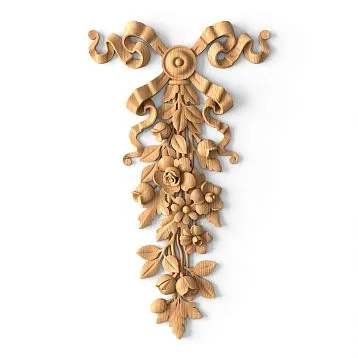
Our factory also produces:


Modern Materials for Restoration
Technological progress has provided restorers with an entire arsenal of innovative materials, significantly expanding the possibilities for updating furniture. Modern compositions combine high efficiency, ecological safety, and ease of application, making the restoration process accessible even to beginners.
Acrylic paints have revolutionized approaches to furniture painting. These compositions have excellent adhesion to various surfaces, dry quickly, have no strong odor, and are available in an extensive color range. Matte, semi-gloss, glossy, with various effects — acrylic paints open up boundless opportunities for creativity.
Chalk paints have gained special popularity among lovers of vintage style. Their unique texture creates a noble matte surface with barely noticeable roughness, ideally suited for creating an aged effect. Chalk paints do not require priming most surfaces and are easily adaptable to various decorative techniques.
Polyurethane varnishes provide excellent protection for renewed surfaces. Modern water-based formulations eliminate the drawbacks of traditional solvent-based varnishes — they do not yellow, have no odor, dry quickly, form a strong elastic coating resistant to mechanical damage and household chemicals.
Get Consultation
Restorer's Tool Kit
Quality tools are the guarantee of successful restoration. The modern market offers specialized tools designed with the specifics of various furniture renewal operations in mind. The right choice of tools not only simplifies work but also significantly affects the quality of the final result.
Sanding equipment occupies a central place in the restorer's arsenal. Eccentric sanders provide even processing of flat surfaces, delta sanders are indispensable for work in corners and hard-to-reach areas, multi-functional tools allow for precise processing of complex profiles.
Painting tools require special attention when selecting. High-quality brushes made of natural bristles are ideal for applying oil-based compositions, synthetic brushes are optimal for water-based paints. Rollers of various structures allow creating diverse textural effects, while professional spray guns ensure perfectly even coverage of large surfaces.
Measuring and marking tools guarantee precision in all operations. Modern laser levels, accurate rulers, squares, compasses — all these tools help achieve professional quality even in home conditions.
Decorative finishing techniques
Modern furniture restoration offers numerous decorative finishing techniques, allowing to create unique works of art from ordinary furniture items. Each technique has its own characteristics and area of application, and their proper combination opens up boundless creative possibilities.
Patination is the art of creating a noble aged patina. This technique imitates the natural darkening of metal and wood that occurs during prolonged use. Modern patination compounds allow creating various effects — from a light patina to deep aging with characteristic wear and color changes.
Crackle creates an effect of a surface cracked by time. Special compounds cause controlled cracking of the top paint layer, through which a contrasting lower layer is visible. The size and character of cracks can be adjusted by selecting the compound and application technique.
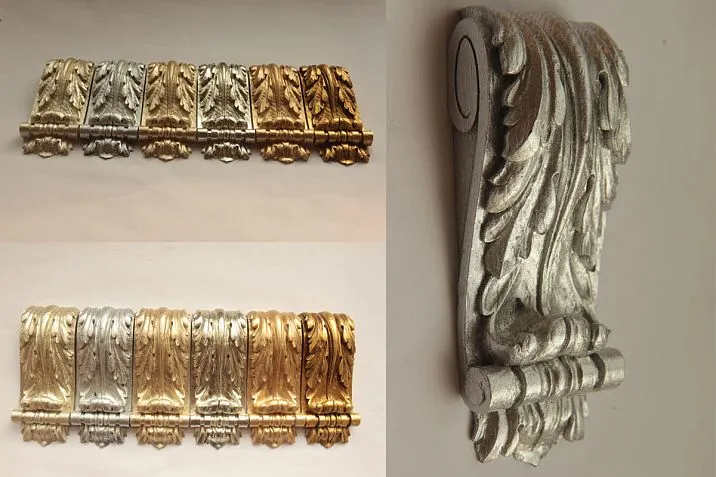
Gilding and silvering give furniture a luxurious aristocratic look. Modern compounds based on bronze powders allow imitating precious metals with remarkable accuracy. Various shades of gold, silver, and copper open up wide possibilities for creating refined decorative effects.
Surface Texturing
Creating various textures on furniture surfaces allows to radically change its appearance and tactile sensations. Modern texturing techniques offer numerous options — from imitating natural materials to creating entirely fantastical surfaces.
Wood brushing highlights the natural texture, removing soft fibers and emphasizing hard annual rings. This technique creates a relief surface with a clearly defined texture, especially effective after toning with contrasting compounds. Various attachments allow creating brushing of different intensity — from barely noticeable to deep relief.
Stencil techniques allow creating repeating ornaments and patterns. Modern self-adhesive stencils provide clear contours and prevent paint bleeding. Multi-layer stenciling creates complex multi-colored compositions with a three-dimensional effect.
Decoupage opens up boundless possibilities for decorating furniture with images. Special papers, napkins, fabrics with various motifs allow creating unique compositions. Modern adhesives and varnishes ensure the longevity of decoupage work and protection against mechanical damage.
Color Solutions in Furniture Restoration
Choosing a color palette is one of the most important aspects of furniture restoration. Color can radically change the perception of an object, its role in the interior, and its emotional impact on those around it. A professional approach to color theory requires understanding of color psychology, principles of color harmony, and the influence of lighting on color perception.
Monochromatic solutions create elegant restraint. Various shades of one color, play of light and dark tones, transitions from saturated to pastel — all this allows creating refined compositions without the risk of color discord. Monochromatic interiors never go out of fashion and easily adapt to changing trends.
Contrasting combinations attract attention and create dynamic compositions. Complementary colors — opposite on the color wheel — create maximum contrast and energy. However, working with contrasts requires a delicate sense of proportion, as excessive contrast may cause discomfort.
Natural palettes are inspired by natural color combinations and create harmonious, soothing compositions. Shades of earth, water, vegetation, sky — these colors are intuitively perceived as harmonious and comfortable. Natural palettes are especially effective in interiors aimed at creating an atmosphere of coziness and relaxation.
The influence of lighting on color perception
Lighting dramatically affects the perception of furniture color. What looks perfect under one type of lighting may be perceived entirely differently under another. Professional designers always take this factor into account when choosing color solutions.
Natural lighting changes throughout the day, creating various shades and moods. Morning light has a cool tint, daylight is maximally neutral, evening light is warm and golden. Furniture that perfectly blends into the interior during the day may look completely different in the evening.
Artificial lighting also significantly affects color perception. Incandescent lamps create warm yellowish light, fluorescent lamps — cool bluish light, LED lamps can have various color temperatures. Modern lighting systems allow adjusting color temperature depending on time of day and mood.
Direction and intensity of lighting also play an important role. Direct light reveals texture and emphasizes contrasts, diffused light softens transitions and creates even illumination. Side lighting emphasizes relief and volume, backlighting creates silhouette effects.
Restoration of Different Types of Furniture
Each type of furniture has its own structural features that must be considered when planning restoration work. Understanding these features allows selecting optimal renewal methods and avoiding typical mistakes.
Cabinet furniture — wardrobes, chests, drawers — is often made of particleboard with decorative finish. Restoring such furniture requires a special approach, as traditional sanding methods may damage the thin decorative layer. Modern primers for complex surfaces allow applying a new coating without completely removing the old one.
Solid wood furniture offers maximum restoration possibilities. Such furniture can be sanded to bare wood, repainted, toned, and complex decorative effects can be created. Quality solid wood furniture can withstand multiple restoration cycles, each time gaining a new life.
Soft furniture requires a comprehensive approach, including not only frame renewal but also upholstery replacement, spring mechanism repair, and cushion renewal. Modern upholstery materials offer a wide range of textures, colors, and performance characteristics.
Working with antique furniture requires a particularly delicate approach to restoration. Here, it is important to preserve the historical value of the item and its authenticity, while ensuring functionality and an attractive appearance.
Conservation of original finishes is often a priority. Even worn or damaged original finishes may have greater historical value than a perfectly executed modern restoration. Special conservation compounds allow stabilization of authentic finishes.
Reconstructing lost elements requires deep knowledge of historical styles, traditional techniques, and authentic materials. Modern craftsmen use specialized catalogs of historical hardware, study museum samples, and consult art historians.
Documenting the restoration process is becoming an increasingly important aspect of working with antique furniture. Photodocumentation of the original condition, intermediate stages, materials, and techniques creates a restoration history that may be valuable for future generations.
Documenting the restoration process is becoming an increasingly important aspect of working with antique furniture. Photodocumentation of the original condition, intermediate stages, materials, and techniques used creates a restoration history that may be valuable for future generations.
Environmental aspects of furniture refurbishment
Modern society is increasingly paying attention to environmental aspects of production and consumption. Refurbishing furniture instead of replacing it is not only an economic solution, but also an important contribution to environmental preservation.
Waste reduction is one of the main environmental advantages of furniture restoration. Each refurbished item represents tons of saved timber, kilograms of plastic and metal not ending up in landfills, hundreds of liters of water not used in manufacturing processes.
The use of eco-friendly materials is becoming increasingly accessible due to the development of 'green' technologies. Water-based paints and varnishes, natural waxes, eco-friendly solvents allow restoration to be conducted without harm to health or the environment.
The energy efficiency of restoration processes is significantly higher than that of producing new furniture. Local recycling of existing items requires minimal energy compared to the full production cycle from raw material to delivery of the finished product to the consumer.
Waste disposal from restoration
A responsible approach to furniture refurbishment includes proper disposal of generated waste. Modern technologies allow recycling of most materials used in restoration processes.
Wood waste — sawdust, shavings, offcuts — can be used to produce fuel briquettes, compost, as mulch for gardening. Large pieces of wood are suitable for creating small architectural forms, decorative elements, children's toys.
Paint and varnish waste requires special disposal in accordance with environmental requirements. Many municipalities organize special collection points for hazardous household waste, where leftover paints, solvents, used brushes and rollers can be deposited.
Metal hardware is recyclable into secondary raw materials. Brass, bronze, steel — all these materials have high value for scrap metal recyclers. Proper sorting of metal waste ensures their efficient recycling.
Economic advantages of DIY restoration
Refurbishing furniture by hand can bring significant economic benefits. The cost of restoration materials constitutes only a small portion of the price of new furniture of similar quality, and the result often surpasses mass-produced items in individuality and craftsmanship quality.
Cost analysis shows that even with the purchase of tools and materials, restoration costs 3-5 times less than buying new furniture. Moreover, the quality of the refurbished item often exceeds factory equivalents, as restoration eliminates structural flaws and uses higher-quality materials.
Developing restoration skills opens additional income sources. Many enthusiasts turn their hobby into a profitable business, specializing in antique furniture restoration, creating unique designer pieces, and teaching other craftsmen.
The investment attractiveness of quality restored furniture is constantly growing. Unique items made using traditional techniques and quality materials can significantly increase in value over time.
Budget planning for restoration
Proper budget planning is key to successful restoration. Experienced craftsmen recommend setting aside a reserve of 20-30% of the initial estimate for unforeseen expenses, which inevitably arise during the work.
Step-by-step planning allows spreading expenses over time and avoiding significant financial burdens. Initially, basic tools and materials for preparatory work are purchased, then materials for main operations, and finally, materials for finishing touches.
Group purchasing of materials can significantly reduce costs. Many craftsmen unite to jointly purchase paints, varnishes, abrasive materials, receiving substantial discounts for bulk purchases.
Renting specialized equipment is often more economically advantageous than purchasing it, especially for one-time jobs. Professional sanders, spray guns, compressors — this is expensive equipment that may not always be rational to buy for home use.
Creative aspects of furniture restoration
Refurbishing furniture is not only a technical process, but also a creative self-expression. Each item can become a canvas for realizing artistic ideas, experimenting with color, form, texture.
An author's style is formed through the accumulation of experience and experimentation. Each craftsman gradually finds their own style, preferred techniques, characteristic color solutions. Developing an individual style makes works recognizable and valuable.
Synthesis of styles opens unlimited creative possibilities. Combining classical and modern elements, Eastern and Western motifs, traditional and avant-garde techniques creates unique works that do not fit within existing stylistic directions.
Experimental techniques allow creating completely new decorative effects. Combining different materials, unconventional use of tools, original paint and varnish formulations — all this opens the path to creating truly unique works.
Documenting the creative process
Maintaining a creative journal helps systematize experience, record successful solutions, and analyze mistakes. Photos of the process, notes on materials and techniques used, personal impressions and ideas create a valuable knowledge base for future projects.
A portfolio of works becomes a master's business card. High-quality before-and-after restoration photos, detailed shots of interesting elements, and documentation of complex operations all contribute to a professional image and can serve as a foundation for commercial activity.
Exchanging experience with colleagues enriches the creative arsenal. Participation in professional forums, workshops, and exhibitions allows one to study new techniques, learn about modern materials, and find inspiration in the works of other masters.
Future technologies in furniture restoration
The development of technologies opens new horizons for the art of furniture restoration. Digital tools, new materials, and innovative surface treatment methods expand the possibilities for craftsmen and improve the quality of their work.
3D scanning and printing allow for the recreation of lost elements with millimeter precision. Complex carved details, unique inlays, rare hardware — all of this can be restored using modern technologies.
Laser technologies open new possibilities for surface decoration. Laser engraving allows creating the finest ornaments, textures, and images with previously unattainable precision and detail.
Nanotechnologies in coatings provide unique protective and decorative properties. Self-cleaning surfaces, antibacterial coatings, thermochromic paints that change color depending on temperature — all of this is already becoming reality.
Digital assistants for restorers
Specialized software helps plan and control the restoration process. Programs for color selection, material consumption calculation, and creation of virtual mockups of future projects have become indispensable tools for modern craftsmen.
Augmented reality allows one to see the result of work even before it begins. Special applications overlay a virtual image of the restored furniture onto the real environment, helping to make correct decisions regarding color, style, and decorative elements.
The Internet of Things opens opportunities for creating 'smart' furniture. Built-in sensors for humidity, temperature, and lighting can monitor the condition of restored items and signal the need for preventive maintenance.
Psychological aspects of the creative process
The furniture restoration process has a profound psychological impact on the craftsman. It is a meditative activity that allows one to detach from daily problems, immerse in a creative flow, and achieve a state of inner harmony.
The therapeutic effect of manual labor is recognized by modern psychology. Working with materials, creating beauty with one's own hands, visible results of effort — all of this contributes to increased self-esteem, reduced stress levels, and the development of creative abilities.
The social aspect of restoration is also important. Exchanging experience with like-minded individuals, participation in creative communities, and recognition of one's work create a sense of belonging to a professional community and increase motivation for further development.
The philosophical meaning of furniture restoration goes beyond simple handicraft. It is a resistance to the principles of disposable consumption, affirmation of the value of quality and longevity, and preservation of cultural heritage for future generations.
Skill in the field of how to update furnitureIt comes only with experience and constant practice. Each project enriches knowledge, develops skills, and opens new creative opportunities. It is important not to fear experiments, learn from mistakes, and strive for continuous improvement. Only such an approach allows one to achieve true mastery in the art of furniture restoration.
The modern era provides restorers with unique opportunities. Accessibility of quality materials, variety of tools, abundance of educational resources make the art of furniture restoration accessible to anyone willing to invest their time and energy into it. The result is not just restored furniture items, but unique works of art bearing the imprint of their creator.
For many years, the company STAVROS has supported furniture restorers by offering a wide range of high-quality materials, tools, and accessories for furniture restoration. Professional consultations from STAVROS specialists, regular training events, and continuous expansion of innovative product lines make the company a reliable partner for anyone dedicated to the art of furniture restoration.