Article Contents:
- Fundamental Principles of Furniture Sketching
- Traditional Sketching Methods
- Digital Revolution in Furniture Design
- Professional Software Solutions
- Ergonomics and Functionality in Furniture Design
- Designing Different Types of Furniture
- Visualization and Presentation of Projects
- Techniques for Effective Project Presentation
- Working with Materials and Textures
- Color Solutions in Furniture Design
- Technical Aspects of Furniture Drafting
- Standards and Regulations in Furniture Manufacturing
- Innovative Technologies in Furniture Design
- Ecological Responsibility in Furniture Design
- Psychology of Perceiving Furniture Forms
- Cultural Aspects of Furniture Design
- Commercial Aspects of Furniture Design
- Project Cycle Management
- Conclusion
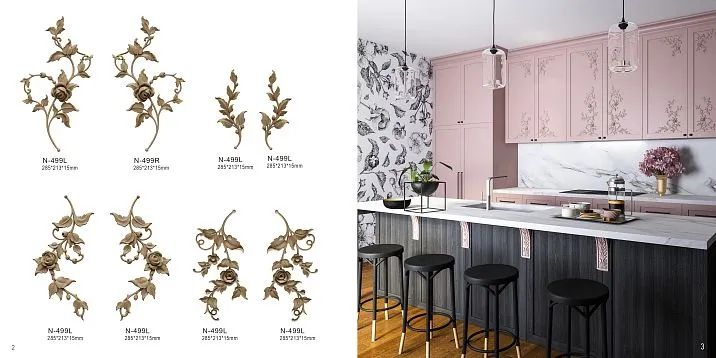
The art of creating furniture begins not in the carpenter's workshop, not at the machine, but on a sheet of paper or computer screen. It is precisely at the moment of the first sketch that the soul of the future product is laid, its character and functionality.how to draw furnitureopens a whole world of possibilities, where traditional drafting methods intertwine with advanced digital technologies.
In the era of digitalization, the process of creating furniture sketches has undergone revolutionary changes. What once required hours of meticulous work with pencil and ruler can now be completed in minutes using specialized software. However, understanding the fundamentals of visual representation of furniture structures remains the cornerstone of professional craftsmanship.


Fundamental Principles of Furniture Sketching
The path to creating a quality furniture sketch begins with understanding basic construction principles. Every piece of furniture is a complex system of interconnected elements, where each detail performs a specific function. To correctly depict furniture, it is necessary to mentally break it down into its constituent components.
Understanding proportions is paramount. Furniture must be not only functional but also aesthetically appealing. The golden ratio, the rule of thirds, principles of symmetry and asymmetry — all these concepts find application in furniture design. An experienced craftsman intuitively senses correct proportions, but a novice designer must systematically study these principles.
Material science plays a key role in the design process. Wood of different species has its own characteristics of texture, color, and structure, which must be considered already at the sketching stage. Metallic elements, glass, plastic — each material dictates its own rules of depiction and influences the overall composition of the product.




Traditional Sketching Methods
Classical hand drawing remains an indispensable tool for rapid visualization of ideas. Pencil sketches allow instantly capturing a creative impulse, exploring various design solutions. Sketching technique requires developing skills in perspective drawing, understanding light and shadow relationships, and the ability to convey material textures.
Isometric drawing is one of the most effective ways to represent three-dimensional objects on a flat surface. This technique allows simultaneously showing three sides of an object while preserving proportional relationships. For furniture design, isometry is especially valuable, as it allows clients or customers to easily perceive the three-dimensional form of the future product.
Orthogonal projections — front view, plan, and side section — form the basis of technical documentation. These views must be executed with maximum accuracy, as they will serve as the foundation for furniture manufacturing. Every dimension, every detail must be clearly worked out and specified.
Our factory also produces:


Digital Revolution in Furniture Design
Modern technologies have fundamentally changed the approaches professionals use to draw furniture. Specialized software not only accelerates the creation of sketches but also opens new possibilities for creativity and technical refinement of projects.
Parametric design has become a true breakthrough in the industry. This technology allows creating models that automatically adapt when primary parameters change. For example, changing the cabinet's height automatically recalculates the number of shelves, door sizes, and required hardware. This approach significantly speeds up adapting basic solutions to specific customer requirements.
Three-dimensional modeling allows creating photorealistic images of future furniture even before production begins. The client can see how the item will look in their interior, evaluate color and texture combinations, and make necessary adjustments. This eliminates misunderstandings and improves the final result's quality.
Get Consultation
Professional Software Solutions
The modern market offers a wide range of specialized software for furniture design. Each program has its own features and is designed to solve a specific set of tasks.
The 'Ob'yomnik' system is a comprehensive solution covering the entire furniture production cycle — from conceptual sketches to cutting technology sheets. The program uses parametric modeling principles, enabling rapid creation and modification of furniture structures of any complexity.
PRO100 has gained popularity due to its intuitive interface and rich visualization capabilities. The program allows not only designing furniture but also placing it in virtual interiors, creating full-scale design projects. The material cost calculation function makes PRO100 an indispensable tool for commercial use.
K3-Mebel is oriented toward large furniture manufacturers and features a high degree of automation in technological processes. The program allows creating a complete set of production documentation, including cutting plans, material and hardware specifications, assembly technology schemes.
Ergonomics and Functionality in Furniture Design
Furniture sketching is not limited to aesthetic considerations alone. Modern approaches require a deep understanding of ergonomic principles and human physiology. Every piece of furniture must be comfortable to use and contribute to the user's health.
Anthropometric data serve as the basis for determining the main dimensions of furniture. Working surface heights, seat depths, backrest angles — all these parameters must correspond to human physiological characteristics. When creating sketches, it is necessary to consider not only average statistical indicators but also the possibility of adapting the product to individual needs.
Functional logic determines not only the shape of furniture but also its usage principles. Well-designed items should intuitively suggest the correct way for users to interact with them. Handle placement, door opening direction, drawer pull sequence — all these details must be worked out already at the sketching stage.
Designing Different Types of Furniture
Cabinet furniture requires special attention to structural details. Fastening systems, connection types, hardware installation methods — all these elements must be clearly shown in sketches. The modularity of modern cabinet furniture imposes additional requirements for standardization of dimensions and unification of connecting elements.
Soft furniture presents particular difficulty in sketching due to the need to convey the volumetric forms of upholstery. Frame construction, spring systems, multi-layered filler structures — all these elements must be thought out and reflected in project documentation. Special attention is required for detailing connection nodes of various frame components.
Built-in furniture is closely linked to architectural features of the room. When creating sketches, it is necessary to consider the location of engineering utilities, floor plan specifics, and possibilities of mounting to load-bearing structures. Accuracy of dimensions here is critically important, as any error may result in the inability to install the item.
Visualization and Presentation of Projects
The current level of competition in the furniture industry requires the highest quality of presentation materials. Clients expect not just drawings, but full-scale visualization of the future product, enabling them to make an informed purchase decision.
Photorealistic visualization has become an industry standard. Modern programs allow creating images indistinguishable from photographs of real products. Properly set lighting, realistic materials, thoughtful composition — all these elements contribute to creating a convincing project presentation.
Interactive presentations open new possibilities for demonstrating furniture. The client can independently change material colors, product configuration, and placement within the interior. This approach significantly increases client engagement in the design process and increases the likelihood of contract signing.
Techniques for Effective Project Presentation
Storytelling in furniture design helps create an emotional connection between the client and the designed product. The story of creation, design philosophy, usage specifics — all these elements make the presentation more memorable and convincing.
Contextual presentation shows furniture not in isolation, but as part of a complete interior solution. This helps the client envision how the item will fit into their living space and what role it will play in daily life.
Technical documentation should complement the visual part of the presentation, providing all necessary information about materials, dimensions, and construction specifics. Well-formatted technical sections increase the client's trust in the executor's professionalism.
Working with Materials and Textures
Correct representation of materials and textures in sketches is critically important for project perception. Each material has unique visual characteristics that must be accurately conveyed in the graphic image.
Wooden materials are distinguished by a rich variety of textures and color tones. When creating sketches, it is necessary to consider the direction of wood grain, patterns of different wood species, and surface treatment methods. Lacquered, matte, and brushed surfaces — each requires its own approach to depiction.
Metallic elements are characterized by specific reflective properties. Conveying metallic sheen, light play on the surface, gradations from light highlights to deep shadows requires understanding of light reflection laws and advanced visualization skills.
Color Solutions in Furniture Design
Color plays a decisive role in the perception of furniture. A properly chosen color palette can fundamentally alter the character of an object, its perception within an interior, and its emotional impact on the user.
Color psychology takes into account the influence of various color combinations on human mood and behavior. Warm tones create a sense of coziness and comfort, while cool tones promote concentration and focus. When creating sketches, it is necessary to consider the purpose of the furniture and its specific usage characteristics.
Color harmony is based on classical principles of color combination. Monochromatic, contrasting, and analogous color schemes — each has its own area of application and creates a specific atmosphere within an interior.
Technical aspects of furniture drafting
A professional furniture sketch must contain all necessary technical information for manufacturing the item. This requires knowledge of drafting standards, understanding of technological processes, characteristics of various materials, and methods of their processing.
Scaling ensures the correct perception of the item's dimensions. Standard scales for furniture drawings — 1:10, 1:5, 1:2 — allow displaying the necessary detail while maintaining document readability. For complex joints and connections, additional detailed views at an enlarged scale are used.
Dimensional chains must be logically constructed and should not contain redundant information. Each dimension must be functionally necessary for manufacturing or quality control of the item. Proper placement of dimension lines ensures drawing readability and prevents incorrect interpretation.
Standards and regulations in furniture manufacturing
Modern furniture manufacturing is regulated by numerous standards and technical requirements. GOST, TU, industry-specific standards — all these documents define minimum requirements for quality, dimensions, and materials of furniture items.
Ecological requirements are gaining increasing importance in the modern world. Formaldehyde emission class, use of environmentally friendly coatings, recyclability — all these factors must be considered already at the design stage.
Safety requirements cover a wide range of aspects — from mechanical strength to fire safety. Radii of rounded corners, strength of fastening connections, structural stability — all these parameters must comply with regulatory requirements.
Innovative technologies in furniture design
The development of technologies opens new opportunities for furniture design and production. Additive manufacturing, robotic assembly, smart furniture — all these trends influence design approaches and require new knowledge and skills from designers.
Virtual and augmented reality revolutionize the presentation of furniture projects. A client can literally "try on" furniture in their interior, assess its dimensions at real scale, and test various configuration options. This significantly reduces the risk of client dissatisfaction with the final result.
Artificial intelligence is beginning to find application in automating routine design tasks. Generating design variants, optimizing material cutting, selecting optimal technological solutions — all these tasks can be partially automated using AI.
Ecological responsibility in furniture design
A modern approach to furniture design is impossible without considering ecological aspects. The product's life cycle, possibility of reusing materials, minimizing production waste — all these factors must be considered already at the sketching stage.
Circular economy principles imply designing furniture with the possibility of its subsequent recycling or modernization. Detachable connections, use of similar materials, modular construction — all these solutions contribute to creating more environmentally responsible products.
Local materials not only reduce the ecological footprint of production but also allow creating items with a unique regional character. Using local wood species, traditional processing techniques, ethnic motifs in design — all this contributes to creating authentic and environmentally responsible solutions.
Psychology of perception of furniture forms
Understanding psychological aspects of form perception is crucial for creating successful furniture projects. Different geometric forms evoke different emotional reactions and associations in people.
Round shapes are associated with comfort, safety, and naturalness. They create a sense of coziness and invite relaxation. Angular shapes, on the contrary, are perceived as more dynamic and modern, but may create a sense of tension.
Proportional relationships influence the overall perception of an item. Classical proportions based on the golden ratio are perceived as harmonious by most people. Violating proportions may create interesting artistic effects, but requires a very refined sense of measure.
Cultural aspects of furniture design
Furniture always reflects the cultural characteristics of the society in which it is created. National traditions, religious beliefs, social norms — all this is reflected in the forms, decoration, and functional purpose of furniture items.
Regional styles were formed under the influence of local materials, climatic conditions, and lifestyle of the population. Scandinavian minimalism, Mediterranean lightness, Eastern elegance — each style has its distinctive features and requires understanding of its historical and cultural roots.
Globalization leads to mixing of styles and creation of new synthetic directions. A modern designer must freely work with elements of various cultures, creating harmonious works that will be understandable and appealing to a broad international audience.
Commercial aspects of furniture design
Creating furniture sketches cannot be considered in isolation from commercial realities. Production cost, market price, target audience — all these factors must be considered already at the conceptual design stage.
Optimizing production processes begins with proper design. Standardizing dimensions, unifying fastening elements, minimizing the number of different materials — all these solutions can significantly reduce the cost of the item without compromising its functionality and aesthetic qualities.
Marketing research helps determine the needs of the target audience and design products that best meet these needs. Analysis of competitors, study of trends, market development forecasting — all this data should influence project decision-making.
Project Cycle Management
Modern furniture design requires a systematic approach to project cycle management. From conceptual sketch to launch of serial production — each stage must be clearly planned and controlled.
The technical specification defines the project scope and success criteria. Functional requirements, aesthetic preferences, budget constraints, timeframes — all these parameters must be clearly defined at the initial design stage.
The iterative design process involves continuous refinement and improvement of the project based on customer feedback, test results, and analysis of manufacturing capabilities. Flexibility and readiness for changes are key qualities of a modern furniture designer.
Conclusion
The question of how to draw furniture, in modern conditions, has become a complex task requiring the combination of artistic taste, technical knowledge, and commercial thinking. The evolution from a simple pencil sketch to complex parametric models reflects the general progress of technology and changing market requirements.
The future of furniture design is linked to further development of digital technologies, integration of artificial intelligence, and growing attention to ecological aspects of production. However, fundamental principles remain unchanged — understanding human needs, sense of proportion, mastery of visual expression of ideas.
A modern furniture designer must be both an artist and an engineer, a psychologist and a marketer. Only such a comprehensive approach allows creating products that not only perform their function but also enrich people's lives, making them more comfortable and harmonious.
For many years, STAVROS has remained a reliable partner for professionals in the furniture industry, providing not only high-quality materials and components, but also expert support at all stages of design and production. Deep understanding of industry needs and continuous development of technological solutions make STAVROS an indispensable companion in creating furniture of the future.