Article Contents:
- Multi-channel furniture sales strategy
- Traditional furniture stores
- Digital platforms and e-commerce
- Corporate sales
- Psychological foundations of successful furniture sales
- Emotional drivers of purchase
- Rational factors in decision-making
- Innovative product presentation methods
- Augmented Reality Technologies
- Virtual showrooms
- Pricing strategies and financial tools
- Psychological aspects of pricing
- Financial Tools for Sales Promotion
- Service solutions as a competitive advantage
- Installation Services
- Logistical solutions
- Working with different target segments
- Young families and first-time buyers
- Established buyers
- Integration of online and offline channels
- Click-and-collect models
- Unified management systems
- Measuring effectiveness and optimizing processes
- Key performance indicators
- Analytical tools
- Reputation management and branding
- Brand-building strategies
- Review and reputation management
- Innovations and development prospects
- Technological Innovations
- Sustainable development
- Frequently Asked Questions
- Conclusion

Question abouthow to sell furnitureMaximizing efficiency is a concern for every entrepreneur in this field. The modern furniture market represents a complex ecosystem of opportunities, where success depends not only on product quality but also on deep understanding of consumer psychology, mastery of modern marketing tools, and the ability to adapt to constantly changing conditions.
The furniture industry is undergoing a period of significant transformations. Digitalization of processes, changing consumer habits, emergence of new materials and technologies create both challenges and unprecedented growth opportunities. Under these conditions, knowledge of multiple ways to sell furniture becomes a critically important competitive advantage.
The variety of sales channels, from traditional stores to innovative digital platforms, opens up a wide range of strategic options for entrepreneurs. However, each channel requires specific knowledge, skills, and approaches, making furniture sales an multifaceted and engaging profession.


Multi-channel furniture sales strategy
Modern reality dictates the need to use multiple sales channels to achieve maximum reach of the target audience. Each channel has unique characteristics, advantages, and limitations; understanding these allows for building an optimal sales strategy.




Traditional furniture showrooms
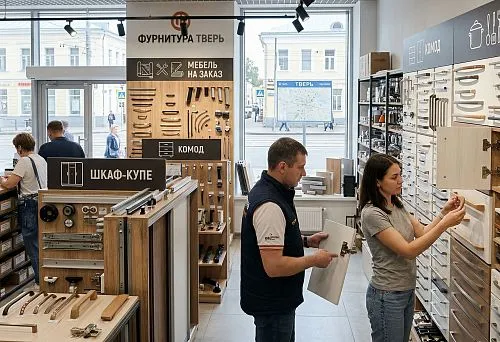
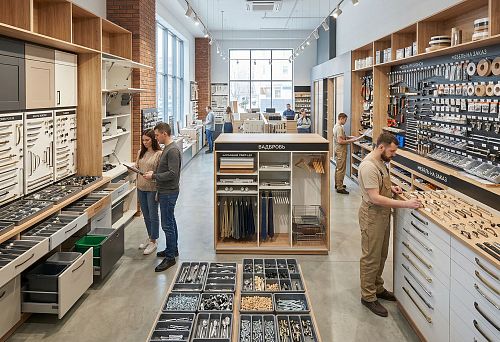
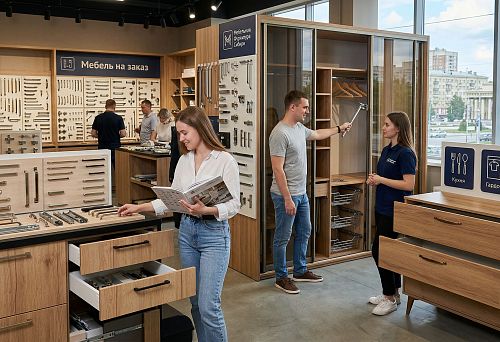
Physical showrooms remain the cornerstone of furniture sales, providing customers with the opportunity to physically interact with products. The ambiance of the showroom, staff expertise, and the ability to see and touch furniture create a unique experience that is difficult to replicate in a digital environment.
Showroom space organization requires a deep understanding of consumer psychology. Zoning by style, creating interior compositions, proper lighting, and navigation influence customer dwell time and likelihood of purchase. Demonstrating thatwhere to buy decorhigh-quality, integrated into ready-made interior solutions, significantly increases the perceived value of the offering.
Professional training of consultants has become a decisive factor in converting visitors into customers. Knowledge of material characteristics, understanding of interior design principles, mastery of sales techniques, and ability to handle objections transform the consultant into a trusted advisor to the client.
Our factory also produces:


Digital platforms and e-commerce
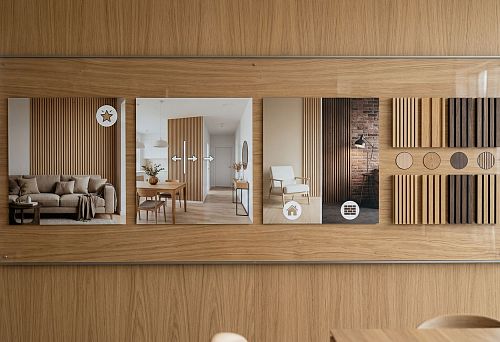
Online furniture sales require a fundamentally different approach to product presentation. High-quality photographs, detailed descriptions, 360-degree views, and video presentations compensate for the lack of physical contact with the product. Augmented reality technologies allow customers to visualize furniture in their own interiors, significantly reducing barriers to purchase decision-making.
Search engine optimization of content becomes critically important for ensuring product visibility online. Proper use of keywords, image optimization, and creation of useful content about thatWhat new-generation furniture is made of — a question customers must receive comprehensive answers to. Eco-friendliness, durability, ease of care — specific advantages speak louder than abstract 'innovation'.increases organic traffic and visitor quality.
Integration of various digital channels — own website, marketplaces, social networks — creates a synergistic effect, multiplying the reach of the target audience. Each platform has its own specifics and requires adapting content to specific features and algorithms.
Get Consultation
Corporate sales
The corporate client segment presents significant opportunities for scaling furniture sales. Offices, hotels, restaurants, educational institutions, and healthcare organizations require large volumes of quality furniture and are willing to work with reliable suppliers on a long-term basis.
Working with corporate clients requires understanding the specifics of procurement processes, decision-making principles within organizations, document requirements, and delivery timelines. Tender documentation, compliance certificates, and warranty obligations become no less important than the quality of the furniture itself.
Developing relationships with architects, interior designers, and decorators opens access to projects for comprehensive object outfitting. Professionals value reliable suppliers, qualityfurniture hardwareand the ability to customize according to project requirements.
Psychological foundations of successful furniture sales
Understanding the motivations that drive furniture buyers opens the path to creating more effective sales strategies. Furniture is not just functional items, but also a means of self-expression, creating a certain atmosphere, demonstrating status and taste.
Emotional drivers of purchase
The decision to purchase furniture is often made on an emotional level and then rationalized with logical arguments. Images of family comfort, visions of a comfortable life, the desire to create an impressive interior become powerful motivators that an experienced salesperson can use to stimulate sales.
Creating an emotional connection between the buyer and the product is achieved through storytelling, demonstrating furniture in real-life situations, appealing to the client's dreams and desires. Stories about families that found happiness in beautiful interiors, visualizing future joyful moments associated with new furniture, create powerful emotional motivation.
The principle of social proof works especially effectively in furniture sales. Reviews from satisfied customers, photos of completed projects, expert recommendations create an atmosphere of trust and reduce the risks associated with expensive purchases.
Rational factors in decision-making
Logical justification of purchase is based on functional advantages, quality characteristics, long-term economic benefits. Information about materials, production technologies, warranty obligations, and service support forms the rational basis for decision-making.
Comparative analysis with competitive offers should demonstrate objective product advantages. Superiority in material quality, innovative structural solutions, additional service options create convincing arguments in favor of choosing a specific offer.
Calculating total cost of ownership, including not only purchase price but also delivery, assembly, maintenance costs, and potential resale value several years later, helps customers make more informed decisions and justifies premium prices for quality furniture.
Innovative product presentation methods
Modern technologies dramatically expand the possibilities of furniture demonstration and create an impressive buyer experience. Interactive solutions, virtual reality, personalized configurators transform the process of choosing furniture into an engaging journey.
Augmented Reality Technologies
AR technologies allow customers to 'try on' preferred furniture in their own interiors using mobile devices. The ability to see how a specific sofa or cabinet will look in real surroundings significantly reduces uncertainty and accelerates decision-making.
Mobile applications with AR features become a powerful sales tool, allowing customers to experiment with different layout options, color schemes, and item combinations. The interactivity of the selection process increases buyer engagement and increases the likelihood of purchase.
Integrating AR technologies into showrooms creates additional value for visitors. The ability to see how demonstrated furniture will look in interiors of various styles, and to receive recommendations on how to combine it with existing decor transforms the consultant into a professional designer.
Virtual showroom rooms
3D tours of showrooms allow potential buyers to explore the assortment without leaving home. Detailed panoramas, zoom capabilities, and interactive information panels create an immersive experience and ensure a comprehensive familiarity with the products.
Virtual presentations are especially effective for showcasing exclusive collections,unique interiorsdesigner furniture. The ability to examine items from various angles, study construction features, and materials creates a deep impression of product quality.
Integrating virtual tours with online consultation systems allows combining the advantages of remote product exploration with personalized service. Virtual consultations conducted by experts during 3D tours create a personalized shopping experience.
Pricing strategies and financial tools
Proper pricing has become a critical factor for success in the highly competitive furniture industry. Understanding price perception psychology, using various pricing models, and offering flexible financial solutions significantly impact sales volumes and business profitability.
Psychological aspects of pricing
Perception of furniture prices is closely linked to perceptions of quality, durability, and status. Proper positioning of products within a specific price category, creating price anchors, and using the contrast principle influence customers' willingness to pay the requested price.
A prestige pricing strategy is effective for exclusive, designer furniture, where a high price is perceived as confirmation of exceptional quality. Limited collections, artist-designed pieces, and furniture from renowned brands justify premium prices through uniqueness and status.
Flexible pricing allows adapting offers to different customer segments. Basic models for young families, premium versions for affluent clients, and corporate solutions with special terms create opportunities for maximizing market coverage.
Sales stimulation financial tools
Installment and financing programs significantly expand the pool of potential buyers for expensive furniture. Partnerships with banks, own interest-free installment programs, and leasing schemes for corporate clients create additional opportunities to stimulate sales.
Seasonal promotions and special offers must be carefully planned to avoid damaging brand perception. Clearance sales of leftover collections, pre-holiday discounts, and loyalty programs for regular customers allow stimulating sales without harming the company's image.
Trade-in programs have become a popular tool for updating furniture. Credit for the value of old furniture when purchasing new items, organization of removal and disposal, and an eco-friendly approach to waste management attract environmentally conscious buyers.
Service solutions as a competitive advantage
Service quality often becomes a decisive factor in choosing a furniture supplier, especially in the premium segment. A comprehensive approach to customer service, from consultation to after-sales support, adds additional value and fosters customer loyalty.
Consultation services
Professional consultations on furniture selection, interior planning, and accessory matching transform the seller into a trusted advisor for the customer. Knowledge of current design trends, understanding ergonomic principles, and the ability to combine functionality with aesthetics create additional value in the purchase.
Design services provided by furniture companies allow creating comprehensive interior solutions. Project development, 3D visualization, and selection of all elements of the decor transform furniture purchase into the creation of a cohesive living space.
Technical consultation regarding placement, assembly, and care of furniture ensures customers confidence in the correct use of purchased items. Detailed instructions, video guides, and telephone support reduce the number of problems and increase customer satisfaction.
Logistical solutions
Organizing furniture delivery requires specialized knowledge and equipment. Careful packaging, professional transportation, and adherence to delivery schedules influence the overall impression of the purchase and readiness for repeat business.
Assembly and installation services for furniture are especially valued by customers purchasing complex, multi-component products. Qualified assemblers, specialized tools, and quality guarantees create additional convenience and peace of mind for customers.
Flexible delivery schemes, including express delivery, delivery at convenient times, and the option to defer delivery, are tailored to individual customer needs and increase the attractiveness of the offer.
Working with different target segments
Sales effectiveness of furniture significantly increases when using a differentiated approach to various customer categories. Each segment has unique needs, preferences, and behavioral patterns that must be considered when developing sales strategies.
Young families and first-time buyers
Young furniture buyers prioritize practicality, multifunctionality, and affordability. Transformable furniture, modular systems, and the ability to gradually build an interior meet this segment's needs for flexibility and cost-effectiveness.
Educational content on furniture selection, care for different materials, and interior design principles is especially valued by first-time buyers. Detailed guides, video tutorials, and expert consultations help make informed decisions and foster brand loyalty.
Programs for young families, including special prices, flexible payment terms, and additional services, create attractive offers for this important segment of future loyal customers.
Established buyers
Middle-aged clients with stable income prioritize quality, durability, and status of purchases. Premium materials, classic forms, and time-tested constructions attract this segment more than trendy novelties.
Personalized service, individual approach, exclusive offers meet the expectations of established buyers when interacting with furniture suppliers. Attention to detail, willingness to customize, high service level justify premium pricing.
Long-term relationships with this segment are built on trust, quality, and consistent service delivery. Loyalty programs, priority service, and exclusive events strengthen ties with the most valuable clients.
Integration of online and offline channels
An omnichannel approach to furniture sales has become necessary in today's environment, where customers freely move between different channels during decision-making. Seamless integration of online and offline experiences creates additional convenience and increases conversion.
Click-and-Collect models
The ability to browse products online, place an order, and pick up furniture at a convenient showroom combines the advantages of digital shopping with the necessity of physically inspecting large items. Product reservation, guaranteed availability, and quick checkout in the showroom create a convenient customer experience.
Online preliminary consultation followed by a showroom visit for final selection optimizes customer time and increases consultant efficiency. A prepared customer, familiar with the assortment and prices, makes decisions and purchases more quickly.
Digital tools in showrooms, including tablets for viewing the full assortment, configurators for customization, and augmented reality systems, expand product demonstration capabilities and create a modern, tech-savvy company image.
Unified management systems
CRM systems that unify all customer interaction channels ensure personalized service regardless of the contact method. Purchase history, preferences, order status, and communication plans become accessible to all company employees.
Integrated inventory management systems synchronize product availability information across all sales channels. Up-to-date stock data, delivery timelines, and reservation capabilities eliminate customer disappointment and enhance sales efficiency.
Unified loyalty programs operating across all channels incentivize customers to use various interaction methods with the company and increase overall relationship value.
knowledge of various ways thathow to sell furnitureopens up entrepreneurs with multiple opportunities for business growth and development. The modern market rewards those who can adapt to changing conditions, leverage innovative technologies, and create exceptional customer experiences.
Measuring effectiveness and optimizing processes
Systematic analysis of the effectiveness of various sales channels and methods becomes the foundation for making informed decisions and continuously improving business processes. Without precise metrics, it is impossible to identify the most effective strategies and optimally allocate resources.
Key performance indicators
Conversion rates across different sales channels allow evaluating the effectiveness of customer acquisition and retention. Comparative analysis of online and offline sales performance, effectiveness of various marketing campaigns, and individual consultant performance reveals best practices for replication.
Average order value and its dynamics characterize the ability to increase the value of each transaction through upselling, order bundling, and premium solutions. Analysis of sales structure by product categories, price segments, and customer types helps optimize assortment policy.
Time from first contact to deal closure indicates the effectiveness of sales processes and reveals bottlenecks in the conversion funnel. Shortening the sales cycle while maintaining service quality directly impacts business turnover and profitability.
Analytical tools
Web analytics systems provide detailed information on visitor behavior, popularity of various product categories, and effectiveness of content marketing. Data on page transition paths, session durations, and bounce rates help optimize the user experience.
CRM analytics provide deep understanding of the customer base, identify the most valuable customers, predict likelihood of repeat purchases, and optimize communication strategies. Segmenting customers by various criteria allows personalizing offers and increasing their relevance.
Sales analytics by product items reveal bestsellers and slow-moving products, optimize inventory management, assist in procurement and production planning. Analysis of profitability across different product categories directs focus toward the most profitable areas.
Reputation management and branding
In the era of social media and online reviews, a furniture company's reputation is formed through multiple channels and requires professional management. A positive brand image becomes a powerful tool for attracting customers and justifying premium pricing.
Brand-building strategies
Positioning the company in a specific market niche creates clear associations in consumers' minds. Specialization in eco-friendly furniture, design solutions, budget offers, or corporate orders forms a unique brand image and simplifies targeting the desired audience.
Content strategy including useful articles on interior design, furniture selection tips, and product creation stories builds an expert company image. Regular publications about theWhat to give a cabinetmakerorcabinetmakerBrand visual identity, expressed in salon design, packaging, advertising materials, and websites, creates recognizability and forms emotional associations with the company. Consistency in applying the brand style enhances the impact of all marketing activities.
Visual identity of the brand, manifested in salon design, packaging, advertising materials, and websites, creates recognizability and forms emotional associations with the company. Consistency in applying the brand style enhances the impact of all marketing activities.
Review and reputation management
Proactive work with customer reviews turns potential threats into opportunities for service improvement and demonstrating customer orientation. Timely responses to negative comments, public problem resolution, and gratitude for constructive criticism form a positive brand perception.
Stimulating positive reviews through quality service, follow-up communications, loyalty programs creates a flow of positive content about the company. Satisfied customers become brand ambassadors, recommending products to their surroundings.
Monitoring brand mentions on social networks, forums, and specialized publications allows for quick responses to emerging questions and managing the information environment. Timely intervention can prevent escalation of problems and preserve the company's reputation.
Innovations and development prospects
The furniture industry stands at the threshold of revolutionary changes related to new materials, production technologies, and ways of interacting with customers. Understanding trends and readiness for innovation determine long-term competitiveness of companies.
Technological Innovations
Additive technologies are beginning to be applied in the production of furniture hardware, decorative elements, and prototypes. 3D printing allows quickly creating customized solutions, testing new designs, and producing small-batch items economically.
The Internet of Things transforms furniture into smart objects capable of interacting with users and their environment. Tables with wireless charging, cabinets with climate control, beds with sleep monitoring create new product categories and additional revenue streams.
Artificial intelligence in personalizing recommendations, forecasting demand, and optimizing logistics opens opportunities for significantly improving operational efficiency. Machine learning analyzes customer behavior and suggests the most relevant products, increasing conversion and average order value.
Sustainable development
Environmental responsibility has become not just a trend, but a mandatory condition for conducting business. Using renewable materials, minimizing production waste, and organizing recycling of old furniture meet the growing demands of environmentally conscious consumers.
Circular economy in the furniture industry implies creating closed-loop material usage cycles. The ability to disassemble, recycle, and reuse furniture components becomes a competitive advantage and opens new business models.
Certification of sustainable production, supply chain transparency, and social responsibility form additional brand value in the eyes of modern consumers. Investments in sustainable practices pay off through premium positioning and customer loyalty.
Frequently asked questions
Which sales channels for furniture are most effective in current conditions?
Maximum efficiency is ensured by an omnichannel approach combining traditional showrooms with digital platforms. Physical sales points remain critically important for product demonstration, online channels expand audience reach, and corporate sales ensure stable volumes. The optimal combination depends on product specifics, target audience, and company resources.
How to determine the optimal pricing strategy for a furniture business?
Pricing should consider brand positioning, product cost, target audience's price expectations, and competitive situation. Premium brands may use prestige pricing, mass segment requires competitive prices, corporate clients value price-to-quality ratio. Flexibility in pricing allows adaptation to different segments.
What role do technologies play in modern furniture sales?
Technologies radically transform the customer experience and operational efficiency. AR/VR solutions help visualize furniture in interiors, CRM systems personalize customer interactions, analytical platforms optimize business processes. Investments in technology become a necessary condition for competitiveness.
How to effectively work with corporate clients in the furniture business?
Corporate sales require understanding of procurement processes, long decision cycles, and documentation requirements. Key success factors include team professionalism, product quality, reliable deliveries, and flexibility in solving non-standard tasks. Developing relationships with architects and designers opens access to large projects.
What trends determine the future of the furniture industry?
Key trends include production personalization, environmental sustainability, integration of smart technologies, and development of service models. Consumers value individualized solutions, eco-friendly materials, technological features, and comprehensive service. Companies must invest in innovation and adapt to changing market expectations.
How to measure the effectiveness of different furniture sales strategies?
Key metrics include conversion rates by channel, average order value, sales cycle time, customer acquisition cost, retention and repeat purchase indicators. Analytical systems must track all stages of the sales funnel, marketing campaign effectiveness, and profitability of different product categories. Regular data analysis allows optimizing strategies and improving results.
Conclusion
The diversity of furniture sales methods in today's market opens unprecedented opportunities for business growth and development. Success is determined not only by product quality but also by the ability to adapt to changing customer needs, utilize innovative technologies, and create an exceptional customer experience at every interaction stage.
Integration of various sales channels, from traditional showrooms to digital platforms, creates a synergistic effect, significantly enhancing customer acquisition and retention capabilities. Understanding the psychological mechanisms behind purchase decisions, mastering modern product presentation technologies, and effectively using pricing strategies and financial tools form the foundation of commercial success.
The future of the furniture industry belongs to companies that can harmoniously combine traditional values of quality and service with innovative approaches to design, production, and sales. Investments in technology, team development, strong brand building, and adherence to sustainable development principles determine long-term competitiveness in a dynamically evolving market.
Company STAVROS, thanks to its long experience in the production ofhigh-quality wooden itemsanddecorative elements, deeply understands all nuances of the furniture business. Our expertise covers the entire spectrum of issues—from material selection to creating effective sales strategies, enabling us to offer partners not only superior products but also valuable knowledge on how to maximize the potential of the furniture business in current conditions.