












































































Article Contents:
- General Principles of Baluster Installation
- Accuracy of Measurements and Marking
- Surface Preparation
- Choosing Fasteners
- Fastening Elements: Screws, Brackets, Anchors, and Construction Adhesives
- 1. Screws
- 2. Brackets and Fastening Clips
- 3. Anchors
- 4. Construction Adhesives
- Choosing Fasteners for Different Types of Balusters
- Wooden Balusters
- Metal Balusters
- Combined Balusters
- Screw Fixation Method
- Bracket Fixation Method
- Anchoring Method
- Adhesive Connection Method
- Hidden Installation
- Planning and Preparation
- Correct Fastener Selection
- Technological Secrets of Fastening
- Errors in Marking and Measurements
- Errors in Fastener Selection
- Errors in Installation and Mounting
- Example 1: Classic Wooden Staircase
- Example 2: Modern Metal Staircase
- Example 3: Loft-Style Combined Staircase
- Example 4: Installing Balusters Yourself
- Regular Fastener Inspection
- Care for Fastener Surfaces
- Structural Reliability
- Aesthetics and Functionality
- Wooden Staircases
- Metal and Combined Staircases
- Recommendations for Preliminary Preparation
- Installation Life Hacks
- Frequently Asked Questions
- Question 1: What is the most reliable fastening method?
- Question 2: Can balusters be installed without pre-drilling?
- Question 3: Which components for staircases are better to use?
- Main Conclusions
- Call to Action
- Final Thoughts
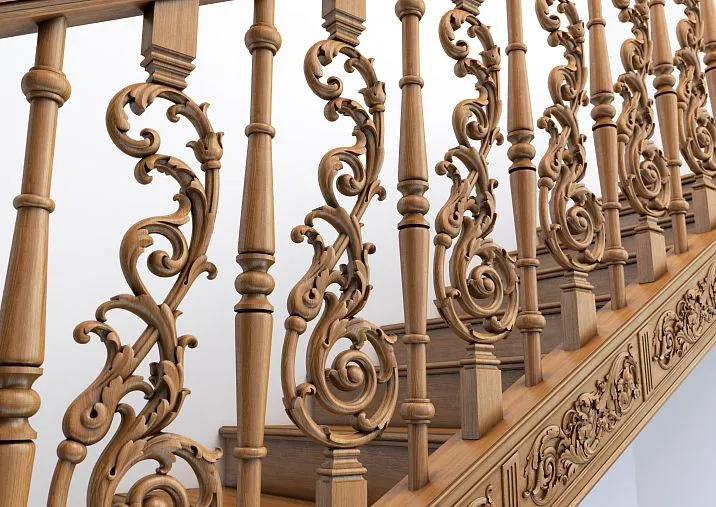
Stairs are not just a means of moving between floors, but a central element of interior design, setting the style and atmosphere of your home. Proper baluster installation is the key to safety, durability, and aesthetics of the structure. In this article, we will thoroughly examine how to properly install balusters, consider fastener selection and fixation methods, and share professional tips. Regardless of whether you plan to installbuy balusters, Balusters for staircase, or preferWooden balusters, this guide will help you make an informed choice and ensure the reliability of your structure. Also, we recommend paying attention tostaircase components, since the quality of fastening affects many aspects.
In this article, we will consider:
● General principles of baluster mounting;
● Selection of appropriate fasteners for different types of balusters;
● Fixation methods suitable for Handrails and balusters;
● Installation recommendations for wooden, metal, and combined balusters;
● Mistakes to avoid and tips for their correction.
Let's move on to a detailed analysis of the baluster mounting process!


General principles of baluster mounting




Accuracy of measurements and marking
The first step in the baluster mounting process is careful marking of installation locations. An error at this stage may lead to misalignment, uneven placement of elements, and consequently, reduced structural reliability.
● Measurements and marking: Use quality measuring tools such as a tape measure, level, and laser level. Mark the mounting locations for buy balusters on each step of the staircase.
● Compliance with standards: The distance between balusters must comply with regulations to ensure safety. If you are unsure about calculations, consult professional standards orbalusters for staircase to buy.
Our factory also produces:


Surface preparation
The surface to which the baluster will be mounted must be flat and clean. This is especially important when installing on wooden and combined structures.
● Cleaning and leveling: Before mounting, remove dust, remnants of old finishes, and contaminants. If the surface is wooden, it is recommended to perform additional sanding to eliminate irregularities.
● Protective treatment: Forwooden balusters for staircase it is mandatory to treat the surface with antiseptics and varnishes to prevent deformation and extend service life.
Get Consultation
Choosing fasteners
Quality fasteners are the foundation of a reliable structure. Safety, durability, and aesthetics of the installed staircase depend on proper selection. Let's examine the main types of fasteners.
Choosing the right fastener for balusters
Fasteners: screws, brackets, anchors, and mounting adhesives
Various types of fasteners are used for mounting balusters. Let's consider the main ones:
1. Screws
Screws are the most common method of mounting balusters. They provide a strong connection between the baluster and the staircase base.
● Pre-drilling: Before tightening screws, drill holes to prevent splitting, especially onWooden balusters.
● Screw material: Use stainless steel screws to prevent corrosion, especially if the staircase is located in humid areas.
● Application: Screws are suitable for mountingwooden balusters for purchase to a wooden base, as well as for installationmetal balusters for stairs buy.
2. Angle brackets and fastening clips
Metal angle brackets and clips are often used to strengthen connections, especially when installing balusters on wooden and combined staircases.
● Bracket mounting: Brackets ensure even load distribution and prevent baluster displacement. They are especially useful when installingwrought iron balusters buy in combination with wooden elements.
● Clips: Metal clips help secure balusters to the main structure, providing additional fixation and stability. They are often used when installingwooden balusters DIY.
3. Anchors
Anchors are used when installing balusters onto concrete or brick surfaces. They provide secure fastening by distributing the load over the entire connection area.
● Anchor application: If your staircase has a concrete base or you wish to installbalusters made of concrete buy, use anchors of the appropriate diameter and length.
● Anchor quality: Prefer anchors with high load-bearing capacity and quality anti-corrosion coating.
4. Mounting adhesives
Mounting adhesives are a good complement to mechanical fastening and can be used to additionally strengthen the connection between balusters and the base.
● Adhesive selection: Use adhesives specifically designed for bonding wood, metal, and concrete. They provide high adhesion and long-lasting connections.
● Application: Adhesive is often used in combination with screws or brackets to ensure maximum fastening strength, especially wheninstalling balusters and railings by hand.
Choosing fasteners for different types of balusters
Mounting methods and fastening elements may vary depending on the type of balusters you are installing. Let's consider the installation features for different materials.
Wooden balusters
When installingwooden balusters for stairs buy Special attention is paid to pre-treatment and drilling holes for screws. Wood is prone to cracking, therefore:
● Use screws with large heads to distribute the load.
● Pre-drilling is a mandatory step that helps avoid damage.
● For additional fixation, you can usebaluster and railing mounting using brackets.
Metal Balusters
When installing metal balusters, accuracy of drilling and use of corrosion-resistant fasteners are crucial:
● Use stainless steel screws.
● For mountingmetal baluster purchase use special mounting systems designed for metal structures.
● Hidden mounting may be used when fasteners are not visible, preserving an aesthetic appearance.
Combined balusters
Combined balusters combining wood, metal, and concrete require a special approach:
● When connecting different materials, always consider their coefficients of thermal expansion.
● Use combined fastening systems that ensure reliable bonding of all elements. This may involve a combination of screws, brackets, and mounting adhesive.
● Pay special attention to the connection point to prevent material delamination due to temperature fluctuations or humidity.
Baluster Fixation Methods
There are several methods of fixing balusters, each with its own characteristics and applicable depending on the material and structure of the staircase.
Screw Fixation Method
Screw fixation is one of the most common methods. It provides quick and reliable connection and is suitable for most types of balusters.
● Advantages: Ease of installation, high strength of connection, adjustability.
● Disadvantages: Risk of damaging the material during improper pre-drilling, visibility of fasteners, which may negatively affect aesthetics.
● Recommendations: Always pre-drill holes, use stainless steel screws, and if necessary, combine them with mounting adhesive for additional fixation. If you planbalusters for staircase to buythis method is optimal for most home conditions.
Bracket Fixation Method
Metal brackets are used to strengthen connections, especially when balusters are mounted to wooden or combined structures.
● Advantages: Even load distribution, additional strengthening of the connection, low cost.
● Disadvantages: Brackets may be visible, requiring additional finishing for an aesthetic appearance.
● Recommendations: When installingHandrails and balusters use high-quality brackets and, if necessary, cover them with decorative plates. This will ensure strength while preserving the aesthetic appearance of the structure.
Anchor Bolt Fixation Method
Anchors are widely used when installing balusters on concrete or brick surfaces. They ensure reliable fixation by distributing the load over a large area.
● Advantages: High reliability of fixation, suitability for hard surfaces.
● Disadvantages: Require careful surface preparation and precise drilling, may be less convenient for DIY installation in home conditions.
● Recommendations: If your staircase has a concrete base or you planbalusters made of concrete buyuse anchors of appropriate diameter and length. Always drill holes according to the manufacturer's recommendations for anchors.
Adhesive bonding method
Adhesive mounting is used as an additional or primary fastening method, especially in cases requiring concealed mounting.
● Advantages: No visible fasteners, high adhesion, even load distribution.
● Disadvantages: Dependence on proper surface preparation, need for long drying time for the adhesive.
● Recommendations: Use special adhesives for joining wood, metal, and concrete, if planning towooden balusters DIYFollow the manufacturer's instructions to ensure a secure connection.
Concealed mounting
Concealed mounting involves placing fasteners in such a way that they are not visible in the finished product. This achieves an ideal aesthetic, especially in modern interiors.
● Advantages: Clean, aesthetically pleasing appearance, no visible fasteners.
● Disadvantages: More complex installation technology requiring high precision.
● Recommendations: When installingbaluster forged buy concealed mounting becomes especially relevant. Use special profiles and fastening systems that will conceal all fasteners.
Professional Tips and Recommendations
Planning and Preparation
Professionals always emphasize that successful mounting begins with careful planning. Here are some important recommendations:
● Accurate marking: Use high-precision measuring tools to determine mounting locations with maximum accuracy. This is especially important for baluster for Leroy ladder, where every detail matters.
● Surface preparation: Clean and prepare the surface to ensure reliable adhesion of fasteners. If the surface is wooden, be sure to sand and treat it with protective compounds.
● Tool selection: Use only high-quality tools. The accuracy of drilling and correct use of screws are critical to the structural reliability.
Correct fastener selection
● Fastener material: When selecting fasteners, prefer materials resistant to corrosion and mechanical damage. For example,metal balusters for stairs buy fasteners should be secured using stainless steel screws.
● Combination of methods: Do not rely solely on one fastening method. Combining screws, brackets, and adhesive will ensure maximum connection reliability. If you plan toinstalling balusters and railings by handcombine methods for the best result.
● Regular inspection: After installation, periodically check the fasteners. This will allow you to detect loosening of connections in time and prevent potential hazardous situations.
Mounting Technology Secrets
Professionals note that every detail matters. Here are some mounting technology secrets:
● Pre-drilling: Never skip the pre-drilling step. This is important forwooden balusters for stairs buyto avoid splitting and ensure even mounting.
● Use of clamps: When gluing parts, always use clamps to hold them until the adhesive fully dries. This ensures a strong connection.
● Temperature and humidity control: During installation, especially on composite structures, monitor environmental conditions. Different materials have different expansion coefficients, which may cause fastener displacement.
Hidden mounting: To achieve a perfect外观, use hidden mounting methods. This will conceal all fasteners and create an aesthetically clean surface.
Common mistakes and how to avoid them
Errors in marking and measurements
Incorrect marking: Incorrectly positioned holes may lead to misalignment and weakening of the structure.
Tip: Carefully check all measurements and markings; use a level and laser level.
Non-compliance with standards: The distances between balusters must comply with safety standards.
Tip: Familiarize yourself with regulatory documents and follow them during installation.
Errors in selecting fasteners
Use of inappropriate fasteners: Low-quality or incompatible fasteners may lead to rapid degradation of the connection.
Tip: Prefer qualitystaircase componentsthat have proven their reliability over time.
Failure to pre-drill: Without pre-drilling, the material may crack or deform.
Tip: Always pre-drill, especially when installingWooden balusters.
Errors in installation and mounting
Incorrect mounting: If balusters are mounted unevenly or against technology, they may become loose.
Tip: After installing each element, check its verticality and stability; use additional fastening if necessary.
Ignoring material specifics: When installing combined balusters, it is important to consider the characteristics of each material.
Tip: When connecting wood, metal, and concrete, use combined fastening systems designed for different materials.
Practical solutions examples
Example 1: Classic Wooden Staircase
In one of the private home projects, the owners decided to install newwooden balusters for stairs buyThe work began with careful marking and pre-drilling holes in the solid wood. Stainless steel screws combined with metal brackets were used for fastening, ensuring even load distribution. The final result — a securely installed staircase, where eachStaircase Baluster harmoniously blends into the overall interior and highlights the classic aesthetic.
Example 2: Modern metal staircase
For the modern interior of an urban apartment, the hidden mounting method was chosenHandrails and balustersHere, the main focus was on drilling accuracy and using high-quality metal fasteners. The balusters were installed using special mounting systems that allowed securing them without visible fasteners. This approach created a minimalist and modern look that perfectly fit the interior. The use ofmetal baluster purchase ensured the durability of the structure even under intensive use.
Example 3: Combined staircase in loft style
In the loft interior, the idea of installing combined balusters was realized, where the main part of the product is made of natural wood, and decorative elements are made of metal and concrete. The installation included the use of hidden fasteners and combined fixing methods. The owners noted that thanks to careful preparation and correct selection ofstaircase components, the installed balusters not only ensure safety but also become the main accent of the interior. This approach allows achieving the perfect combination of traditional and modern elements.
Example 4: Installing balusters yourself
For DIY enthusiasts, an example of self-installation of balusters is important. In one of the house projects, the homeowner decidedwooden balusters DIYRegular inspection of fasteners
Maintenance Recommendations for Fastener Connections
Regular inspection of fasteners
After installing balusters, it is necessary to regularly inspect the fastening elements. Even high-quality materials may weaken over time, especially if the staircase is used daily.
● Check screws and brackets: Periodically check for loosening of screws, especially onbuy wooden balusters for the staircase. If deviations are detected, tighten or replace the fastening elements.
● Inspection of adhesive joints: When using construction adhesive, check for cracks or delamination. Renew the adhesive or add additional fastening if necessary.
Care for fastener surfaces
● Treatment of metal parts: Forwrought iron balusters buy and metal fasteners, regularly polish and apply anti-corrosion coatings.
● Protection of wooden elements: Regularly renew protective coatings onwooden balusters for staircases, to prevent cracking and damage from moisture.
Advantages of proper fastening
Structural reliability
Correct selection of fasteners is the guarantee of the reliability of the entire staircase structure. Strong connections prevent baluster loosening, and secure fastening ensures safety even under intensive use.
● Resistance to loads: Using high-quality fasteners, such asbalusters to buy in Moscow, allows for even load distribution, preventing deformation and damage.
● Durability: Strong fastener connections retain their properties even after repeated use of the staircase, which is especially important for public and commercial buildings.
Aesthetics and Functionality
Proper fastening not only improves operational characteristics but also affects the appearance of the structure. Hidden mounting and neat placement of fastener elements help maintain clean lines, which is especially important for modern interiors.
● Hidden mounting: When using hidden fastening methods, fastener elements remain invisible, achieving ideal aesthetics. This is especially relevant forhandrails and balusters made of wood.
● Functional combination: Combining different fastening methods (screws, brackets, adhesive joints) allows creating a structure that is not only beautiful but also maximally functional.
Features of mounting for different types of staircases
Wooden staircases
When installing balusters on wooden staircases, it is important to consider that wood is a living material and requires careful handling.
● Pre-drilling: Do not save time; pre-drill all holes forWooden balusters. This will help avoid splitting and damage.
● Use of brackets: Apply metal brackets to strengthen joints, which is especially relevant forwooden balusters for staircase.
● Moisture control: Ensure that the wood is treated with special compounds to protect it from moisture and temperature changes.
Metallic and combined staircases
When installing balusters on metal or combined staircases, precision and correct selection of fasteners become especially important.
● Use of anchors: If the staircase base is concrete or brick, use anchors that will ensure secure fasteningbalusters for staircase to buy.
● Hidden mounting: To achieve ideal aesthetics, use hidden mounting methods so that fastener elements are not visible.
Combined fastening: When using combined balusters made of multiple materials, it is important to consider their properties and apply combined fastening systems that will ensure even load distribution.
Tips for Choosing Components
When installing stair structures, it is crucial to choose high-quality components. Pay attention to:
● staircase components – reliable elements that ensure strong connections between balusters, posts, and handrails.
● Posts for staircase – an essential part of the structure that serves as a support for all fastening elements.
● Handrails and balusters – they must match both in style and quality with the rest of the staircase elements.
● NerShia – decorative elements that complete the staircase’s appearance.
Practical recommendations and tips
Preparation recommendations
- Careful marking: Before drilling, mark all fastening points. This will help avoid mistakes and ensure even baluster spacing.
- Use of templates: Create a drilling template, especially if you plan to fasten buy wooden balusters for the staircase. This guarantees identical hole placement on all elements.
- Tool control: Before starting work, ensure all tools are in good condition and properly adjusted.
Installation tips
● Combined methods: Do not hesitate to combine different fastening methods—for example, using screws and mounting adhesive simultaneously. This approach increases the structure’s reliability.
● Fastening check: After installing each element, check with a level. Even a small deviation may affect the safety of the entire staircase.
● Use of temporary clamps: Clamps or clamping devices will help secure elements until the adhesive fully dries or screws are fully tightened, which is especially important when installingInstalling balusters and handrails on a wooden staircase.
Frequently Asked Questions
Question 1: What is the most reliable fastening method?
Answer: The most reliable method is combined fastening using pre-drilling, screws, and mounting adhesive. This method ensures strong connections, even load distribution, and high structural stability. It is suitable for most types of balusters, whetherwooden balusters for staircases or combined constructions.
Question 2: Can balusters be installed without pre-drilling?
Answer: No, pre-drilling is a mandatory step, especially for wooden balusters. It helps prevent material cracking and ensures accurate placement of fastening elements. When installingwooden balusters for purchase always follow this step.
Question 3: What components for stair railings are best to use?
Answer: Choose only high-qualitystaircase components. Pay attention to the material of fasteners: stainless steel screws, corner brackets with anti-corrosion coating, and anchors suitable for your base. This will ensure the reliability and longevity of the structure.
Conclusion
Main Conclusions
Correct railing attachment is a comprehensive process requiring careful planning, proper fastener selection, and adherence to installation technology. The reliability of fastener connections determines the safety of the entire staircase structure. Using high-qualitybalusters for staircase to buy, Handrails and balusters andPosts for staircase, you will create a structure that will serve you for many years. Key points to pay attention to:
● Precise marking and surface preparation.
● Use of high-quality fasteners: screws, corner brackets, anchors, and mounting adhesives.
● Application of combined fastening methods to ensure reliability.
● Regular inspection of fastener connections and timely maintenance.
Call to Action
If you want to create a reliable and long-lasting staircase, do not economize on high-quality materials and fasteners. Follow the recommendations of professionals and use only provenstaircase components. Proper installation is an investment in the safety of your home and the aesthetic perfection of your interior.
We invite you to explore the assortment on the websitebuy balusters and select ideal solutions for your project. Use the advice received, experiment with fastening methods, and create a staircase that will become a true pride of your interior.
Final Thoughts
Installing balusters is not just a technical process, but a true art requiring attention to detail and a professional approach. The correct choice of fasteners and fastening methods allows achieving the ideal combination of aesthetics and functionality. Regardless of whether you plan to installWooden balusters, or combined structures, following all installation stages is the guarantee of reliability and longevity of the structure.
Let your staircase become a manifestation of your impeccable taste and commitment to quality. Follow the recommendations, use high-qualityHandrails and balusters andNewel posts, and your work will pay off handsomely in the form of a safe, stylish, and reliable staircase.
Invest in quality, experiment with fastening methods, and create an interior that will delight you and your loved ones every day. After all, properly installed balusters are not only a guarantee of beauty but also the safety of your home.





