












































































Article Contents:
- Basic principles of decorating wooden furniture
- Preserving natural texture
- Balance of traditions and modern technologies
- Detailing the interior with accessories
- Wood carving: age-old traditions
- Lacquering and oil finish
- Use of decorative inlays
- Decorating tables and chests
- Decorating doors and panels
- Decorating cabinets and display cases
- Accessories and small decorative elements
- Minimalism and Functionality
- Eco-style: naturalness and harmony with nature
- Eclecticism: bold mixing of styles
- Regular cleaning and care
- Periodic treatment with protective compositions
- Control of the surrounding environment
- Finding qualified craftsmen
- Project coordination and budgeting
- Restaurant in eco-style
- Private house in classical style
- Office space with elements of eclecticism
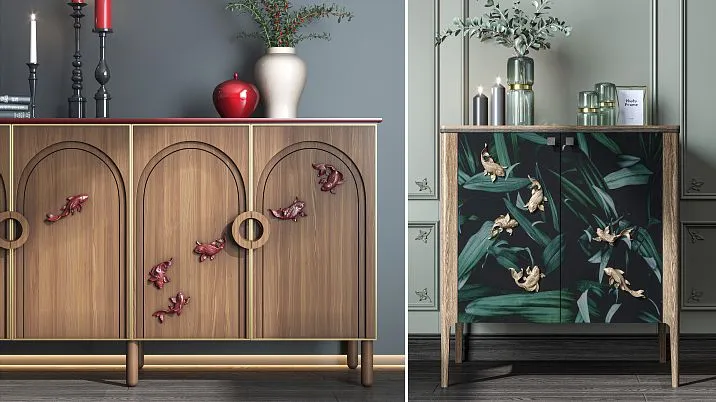
Wooden furniture is not just a functional interior element, but a true work of art capable of giving space a special atmosphere of warmth, coziness, and natural harmony. The question 'how to beautifully decorate wooden furniture' concerns many designers and homeowners who wish to highlight the uniqueness and natural beauty of wood. In this article, we will thoroughly examine ways to decorate wooden furniture, modern trends, processing technologies, and also tell you which decorative elements will help create a truly refined look.






Basic principles of decorating wooden furniture
Our factory also produces:


Preserving natural texture
First and foremost, it is important to remember that the main virtue of wooden furniture is its natural texture. Any decorative method should highlight, not conceal, this feature. Using transparent finishes such as varnish, oil, or wax allows preserving visible wood grain and unique wood patterns. This creates a sense of "liveliness" of the material, which gains even more charm over time.
Get Consultation
Balance of traditions and modern technologies
Decorating wooden furniture is an art that combines centuries-old woodworking carving traditions with modern design solutions. Traditional styles often feature complex hand-carved ornaments, while modern processing methods allow creating more minimalist and streamlined patterns. It is important to find a harmonious blend of classic motifs and contemporary trends to make the furniture stylish and current.
Detailing the interior with accessories
Small decorative elements can dramatically transform the appearance of wooden furniture. For example,Wooden skirting can serve not only for functional detailing of joints but also as an expressive decorative accent. Similarly,Wooden cornices andDecorative Inserts will add elegance and completeness to the overall look.
Technologies for decorating wooden furniture
Wood carving: age-old traditions
Wood carving is one of the oldest and most respected methods of decorating furniture. This technique allows creating detailed patterns that give the item a unique character. Masters working in this technique use both classical ornaments and original designs inspired by nature, architectural forms, and historical motifs. Carving can transform even the simplest furniture into a true masterpiece, conveying the spirit of folk art and centuries-old traditions.
Lacquering and oil finish
After completing decorative work, it is important to protect the finished surface. Lacquering is a classic method to give furniture a shine and protect the wood from external influences. Transparent lacquers preserve the natural wood color, emphasizing its texture. Oil-based finishes, in turn, give furniture a deep, rich tone and additional protection against moisture and dirt. These technologies not only preserve the beauty of carved patterns but also make furniture more durable.
Use of decorative inlays
Another popular method of decoration is using decorative inlays. They can be made from the same wood or contrasting materials and serve to create additional accents on furniture. Inlays can imitate complex raised ornaments or be thin inserts adding lightness and refinement to the interior. Such elements are often combined with carving or lacquer finishes, creating a harmonious and complete look.
Ideas for decorating wooden furniture
Decorating tables and chests of drawers
Tables and chests of drawers are among the central elements of interior design. To give them a special elegance, one can use carved elements made using folk carving techniques. Such patterns can be applied along the perimeter or on the top surface of the item. Additionally, one can useWooden skirtingwhich emphasize the boundaries of the form, creating an effect of completeness and finish.
Decorating doors and panels
Doors are an important accent in any interior. A beautifully decorated wooden door with elegant carving or decorative inlays becomes a true calling card of the home. One can useWooden cornices to finish the upper part of doors, adding notes of luxury and nobility to the interior. Such an approach allows creating a harmonious look where every detail contributes to a unified style.
Decorating cabinets and display cases
Cabinets, as a rule, occupy an important place in residential and commercial interiors. To give them individuality, one can use decorative inlays in the form of carved patterns. This technique not only makes the furniture visually interesting but also emphasizes its uniqueness. Display cases, finished in a unified style using natural wood tones, can create an atmosphere of coziness and elegance, especially if attention is drawn to subtle finishing details.
Accessories and small decorative elements
Sometimes, to transform furniture, it is enough to add a couple of stylish accessories. For example, decorative inserts made of wood can become accents on the fronts of chests of drawers or bedside tables. Such small details, like carved moldings or decorative inlays, can dramatically change the appearance of the item, giving it individuality and character. In this case, it is important not to overload the space with unnecessary elements, but rather to create a harmonious balance.
Modern trends in decorating wooden furniture
Minimalism and functionality
Modern minimalism emphasizes simplicity, functionality, and clean lines. In such an interior, wooden furniture is decorated modestly, without excessive ornamentation. However, even in a minimalist style, one can add a distinctive touch using subtle decorative inlays or elegant carved elements. This approach allows preserving the natural beauty of wood and focusing on the quality of materials.
Eclectic style: naturalness and harmony with nature
Eclectic style in interior design is based on using natural materials, natural tones, and simple forms. Wooden furniture decorated with love for nature becomes the central element of such a space. Here, special attention is paid to natural textures, warm tones, and minimal use of artificial elements. Using natural finishes, eco-friendly lacquers, and minimalist decorative inlays helps create a harmonious space where natural aesthetics dominate.
Eclecticism: bold mixing of styles
An eclectic approach allows combining traditional motifs with modern solutions, creating a unique and multi-layered interior image. In such a space, wooden furniture can be decorated with bright and vivid elements that attract attention. Blending various decorative techniques—from classic carving to modern lacquer finishes—allows creating an interior that reflects the owner's individuality and their desire for self-expression. Here,Wooden skirting, Wooden cornices andDecorative Inserts can be combined with bright accents, creating a dynamic and lively look.
Practical Tips for Caring for Decorative Wooden Furniture
Regular Cleaning and Maintenance
To ensure decorative wooden furniture retains its beauty for many years, it must be regularly maintained. A soft dry cloth and specialized wood care products will help remove dust and dirt without damaging decorative elements. Regular care not only preserves the aesthetic appearance but also prevents premature aging of the material.
Periodic Treatment with Protective Coatings
Over time, decorative finishes may lose their luster. It is recommended to periodically renew the protective coating using oils, varnishes, or wax-based products. This not only restores the original appearance of the wood but also protects it from moisture, sunlight, and mechanical damage. This approach extends the lifespan of the furniture and preserves its unique decorative elements.
Environmental Control
Wood is sensitive to temperature and humidity fluctuations. It is important to maintain a stable microclimate in the room where the furniture is located. This will help avoid cracking, warping, and color changes. This is especially relevant in heated rooms, where the air may become too dry. Maintaining optimal conditions will help preserve the furniture in perfect condition for many years.
Recommendations for Choosing Professionals
Searching for Qualified Craftsmen
Decorating wooden furniture is an art requiring high skill and experience. When selecting specialists, pay attention to portfolios, client reviews, and workshop reputations. Qualified craftsmen not only perform work of high quality but can also offer unique design solutions reflecting the latest trends in wood processing.
Project and Budget Coordination
Before starting work, it is important to thoroughly discuss the project, define its scope, timeline, and budget. This will help avoid misunderstandings during implementation and achieve the optimal result. Clearly formulated owner preferences combined with professional recommendations from craftsmen will help create truly beautiful and functional furniture that becomes the centerpiece of the interior.
Examples of Successful Projects
Eco-Style Restaurant
In one of the modern restaurants designed in an eco-style, wooden furniture became the main element of the interior. The use of natural tones, minimalist decorative inlays, and elegantwooden baseboards accentuated the natural beauty of the material, making the interior lively and memorable.wooden crown moldings Classic-Style Private House
In a private house designed in a classic style, the decoration of wooden furniture was executed using traditional carving techniques and lacquer coatings. Elegant carved patterns on doors, tables, and chests combine with carefully selected
, creating an atmosphere of luxury and refinement. Such an interior not only pleases the eye but also conveys the spirit of centuries-old traditions, being a true work of art.wooden skirting boardsCreating an atmosphere of luxury and elegance. Such an interior not only pleases the eye but also conveys the spirit of centuries-old traditions, being a true work of art.
Office Space with Eclectic Elements
In one of the modern offices, decorative wooden furniture was used to create a unique workspace where traditional motifs met modern technologies. The eclectic combination of classic carved elements with minimalist solutions allowed creating a dynamic and inspiring interior. Decorative inlays and Wooden cornices highlighted the individuality of the space, making it not only functional but also aesthetically appealing.
Conclusion: Create a Space Reflecting Your Soul
Decorating wooden furniture is a creative process in which every detail matters. From selecting quality wood to applying the most refined decorative elements — every stage of work is aimed at creating a unique interior capable of reflecting your taste, personality, and love for natural materials.
Following these recommendations, you can achieve a result where your furniture becomes not just an interior item, but a true work of art. This will be helped by elements such asWooden skirting, Wooden cornices andDecorative Insertsthat combine centuries-old traditions with modern design solutions.
May your wooden furniture, adorned with love and attention to detail, become the centerpiece of your interior, bringing warmth, comfort, and inspiration every day. Create, experiment, do not fear introducing innovative ideas, and your home will transform into a space where beauty and functionality go hand in hand, and every detail speaks of your pursuit of perfection.





