Article Contents:
- Anatomy of successful painting: from diagnosis to planning
- Creating a technical passport for the project
- Paints and coatings: navigating the world of modern technologies
- Special effects and decorative possibilities
- Master's toolkit: from classics to high technologies
- Auxiliary tools and fixtures
- Surface preparation: the foundation of an ideal result
- Priming as a guarantee of quality
- Application techniques: from traditions to innovations
- Decorative techniques and artistic methods
- Color theory in furniture painting practice
- Creating and testing color samples
- Multi-layer coating systems
- Inter-layer treatment and quality control
- Finish coatings and protection
- Special protective solutions
- Defect removal and final finishing
- Polishing and Final Finishing
- Ecological and safety aspects
- Organizing a safe work area
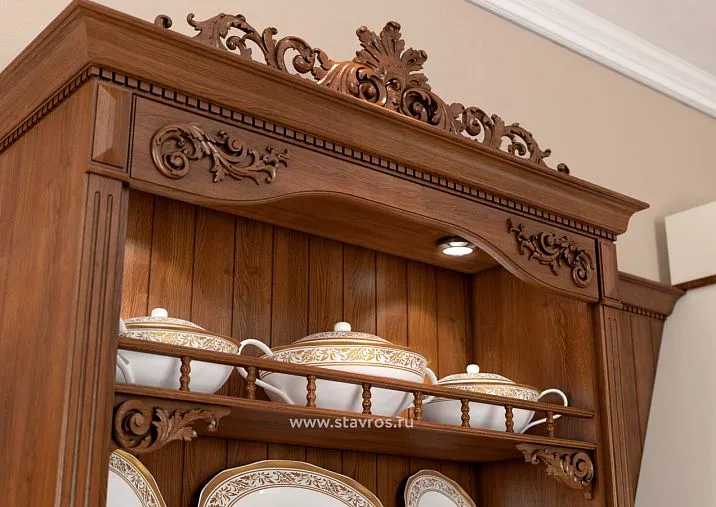
Reviving old furniture is not just painting—it’s true alchemy of space, where a worn dresser transforms into a designer masterpiece, and an unremarkable sideboard becomes an interior highlight. How to paint furniture It’s an art that opens boundless horizons for creative transformation of home space. Painting furniture becomes a bridge between the past and the present, allowing to preserve cherished items, endowing them with new life and modern appeal.
In a world of rapidly changing trends and conscious consumption, the ability to paint furniture becomes a superpower of a home designer. It’s not only saving family budget, but also a way to create a truly unique interior that cannot be replicated or purchased in a store.
Modern furniture painting technologies combine time-tested craftsmanship traditions with innovative materials and tools. Each layer of paint is a layer of history, each color is an emotion, each texture is the character of an item that will serve for generations.


Anatomy of successful painting: from diagnosis to planning
Professional furniture painting begins with a detective investigation of the condition of each item. This is not a cursory inspection, but a deep analysis that determines the transformation strategy. An experienced master reads furniture like an open book — every scratch tells of years lived, every stain hints at usage history, every unevenness suggests the optimal restoration method.
Material science becomes the fundamental basis of success. Solid oak requires a fundamentally different approach than MDF with a film coating. Soviet polished furniture from the 70s requires special preparation techniques, while modern laminated surfaces require adhesive primers. Understanding the material structure determines the choice of paints, primers, and preparation methods.
The functional load of an item dictates requirements for the coating. A kitchen table subjected to daily tests from hot pots and wet cleaning requires ultra-durable enamels. A decorative shelf in the living room can afford delicate chalk paints with refined texture. Children’s furniture requires eco-friendly compositions without toxic vapors.
Climate conditions of the room influence the choice of paint and coating materials. A bathroom with high humidity, a sunlit veranda with ultraviolet radiation, an unheated country house with temperature fluctuations — each environment imposes specific requirements for coating durability.




Creating a technical passport for the project
Documenting the project is a sign of a professional approach that saves time, money, and nerves. A detailed description of the object, its condition, and planned changes becomes a roadmap for transformation.
Photodocumentation of the initial state creates a visual history of transformation. Photos taken from various angles, under different lighting, close-ups of defective areas — all of this will aid in the process and serve as a basis for analyzing results. Modern smartphones allow creating detailed professional-quality photo documentation.
Measurements and sketches precisely define the scope of work and the required amount of materials. The area of surfaces to be painted, linear dimensions of decorative elements, number of doors and drawers — all these data affect paint calculations and time required to complete the work.
The technical specification includes a description of the desired result, selected colors, types of coatings, decorative effects. Clear understanding of the final goal prevents changes to the plan during work, which could lead to inconsistencies and defects.
Our factory also produces:


Paints and coatings: navigating the world of modern technologies
The modern market of lacquer and paint materials is astonishing in its variety of compositions, each solving specific tasks for transforming furniture. The correct choice of paint determines not only the appearance of the finished product, but also its functional characteristics, durability, and safety of use.
Acrylic coating systems have gained leading positions due to their optimal balance of quality, eco-friendliness, and ease of application. Water-based acrylic enamels are practically odorless, dry quickly, and form a strong, elastic film. Modern acrylic modifications can imitate various materials — from silky satin to rough rush.
Alkyd compositions provide maximum hardness and chemical resistance of the coating. These compositions are indispensable for furniture subjected to intensive use. The longer drying time is compensated by exceptional wear resistance and depth of color. Modern alkyd-urethane hybrids combine the strength of alkyds with the elasticity of urethanes.
Polyurethane systems represent the pinnacle of modern furniture coating technologies. Two-component compositions, after curing, form a coating surpassing many plastics in strength. One-component moisture-curing polyurethanes are easier to apply but require humidity control.
Chalk paints open up a unique universe of decorative possibilities. Their unique matte texture with a slight velvet feel creates a sense of noble antiquity. The ability of chalk paints to be applied almost without surface preparation makes them ideal for quick transformations.
Get Consultation
Special effects and decorative possibilities
Metallic systems contain metallic pigments that create an illusion of noble metals. Modern water-based compositions are safe and provide realistic imitation of gold, silver, copper, and bronze. The technique for applying metallic paints requires special skill — any imperfection becomes immediately visible.
Pearl effect coatings create surfaces with shimmering colors that change depending on viewing angle and lighting. These paints contain special pigments — mica flakes coated with metallic oxides. The result resembles natural pearl or butterfly wing.
Textured compositions allow creating relief surfaces that imitate various materials. Crackle systems create an effect of aged, cracked paint, antique glazes — noble patina of centuries, structural pastes — texture of stone or wood bark.
Fluorescent and phosphorescent paints add mystique to interiors. The first glow brightly under ultraviolet light, the second accumulates light and softly phosphoresces in darkness. Such effects are especially popular in children's rooms and youth interiors.
Master's toolset: from classics to advanced technologies
The quality of furniture painting directly depends on the properly selected tool. Each type of paint requires its own application tools, each surface — its own approach. Professional tools not only simplify work, but also affect the quality of the final coating.
Brushes remain an indispensable tool for precise work and complex surfaces. Painting furniture Using high-quality brushes is like using good art materials: the result immediately becomes noticeably better. Natural bristles from Chinese boar are ideal for alkyd enamels, synthetic fibers — for water-based compositions.
Rollers revolutionized painting large surfaces. Velvet rollers create a perfectly smooth surface without texture, foam rollers — suitable for varnishes and primers, fur rollers — create a light decorative texture. The length of the roller's nap is chosen depending on the roughness of the painted surface.
Spray guns open up the world of professional finishing for home craftsmen. Low-pressure (HVLP) electric systems ensure minimal material loss and exceptional coating quality. Pneumatic spray guns require a compressor but provide maximum control over the spraying process.
Aerosol systems offer ready-made solutions in convenient packaging. Modern professional-grade spray cans allow achieving results comparable to spray guns. Proper spraying technique is the key to success when working with aerosols.
Auxiliary tools and equipment
Sanding systems prepare the surface for painting. Orbital sanders provide quality processing of flat surfaces, delta sanders are indispensable for corners and curved details, belt sanders — for rough processing of large areas.
Painters' tapes and films protect surrounding surfaces and create clear painting boundaries. High-quality painter's tape leaves no adhesive residue and easily removes after paint dries. Special tapes for delicate surfaces prevent damage to existing coatings.
Measuring tools ensure accuracy of all operations. Coating thickness gauges control evenness of application, gloss meters measure gloss level, moisture meters determine surface readiness for painting. Professional measuring tools turn an intuitive process into an exact science.
Lighting equipment is critically important for controlling painting quality. Directional LED lamps reveal the slightest coating defects, color-correcting lights allow accurate color assessment under various lighting conditions.
Surface preparation: the foundation of an ideal result
Surface preparation is 70% of any painting project's success. No matter how expensive the paint, it cannot hide defects of poorly prepared surfaces. Quality preparation requires time and patience, but it is precisely this that distinguishes professional results from amateur ones.
Diagnosis of the old coating determines the preparation strategy. Lacquered surfaces require complete removal of the coating or special adhesive primers. Oil-based paints require sanding to create a rough surface. Wax coatings completely block adhesion of new paints and must be removed with chemical strippers.
Mechanical processing is the primary method of preparing wooden surfaces. Start with coarse abrasives (P80-P120) to remove old coatings and level the surface, gradually moving to finer grits (P220-P320) to create an ideal base for painting. The direction of sanding should follow the grain of the wood.
Chemical cleaning is effective for removing complex coatings and embedded contaminants. Special strippers soften multi-layer coatings, allowing them to be removed with a putty knife. Degreasers remove wax, polish, and grease stains that may hinder adhesion of new paint.
Filling defects restores surface integrity. Acrylic putties are universal and easy to apply, polyester putties provide maximum strength, epoxy putties are indispensable for complex repairs. Each type of putty has specific application and sanding characteristics.
Priming as a quality guarantee
Priming creates an optimal base for the final coating. Primer improves paint adhesion, equalizes the surface's absorbency, blocks stain penetration, and saves paint.
Universal primers are suitable for most applications and provide good adhesion to various materials. Modern water-based primers dry quickly, have no odor, and are easy to sand. Alkyd primers provide a stronger base but require good ventilation.
Specialized primers solve specific problems. Adhesion primers ensure bonding to difficult surfaces — plastic, metal, old lacquers. Isolation primers block penetration of tannins, resins, and water stains. Anti-corrosion compounds protect metal furniture components.
Colored primers are matched to the final coating's tone and improve paint coverage. Light primers for light paints, dark primers for dark paints. A properly chosen primer tone can reduce the number of final coating layers.
Application techniques: from tradition to innovation
Paint application mastery combines understanding of material properties with proficiency in various techniques. Each application method yields a specific result, and each technique has its specific use. Knowledge of different methods allows selecting the optimal approach for each specific case.
Brush technique remains fundamental in the master's toolkit. Proper brush hold, optimal paint amount, and blending technique determine coating quality. Long, even strokes create a smooth surface, short cross-hatch movements create an interesting texture.
Roller technique is ideal for large flat surfaces. W-shaped application followed by leveling ensures even paint distribution. Roller pressure must be consistent, and movement speed must be optimal for the specific paint type.
Spray techniques provide perfectly even coverage without tool marks. Distance from spray gun to surface, movement speed, and spray overlap — all these parameters affect coating quality. Proper equipment setup is critical for success.
Tamping with a sponge or cloth creates unique decorative effects. This technique allows imitation of various materials — suede, leather, fabric. Multi-layer tamping with different shades creates rich, deep finishes.
Decorative techniques and artistic methods
Patina creates an effect of noble aging of the material. The technique is based on contrasting highlighting of recessed and raised areas. Dark patina in carved elements and light areas on flat surfaces create a convincing imitation of centuries of use.
Lacquer uses semi-transparent layers to create deep color effects. Each subsequent layer modifies the color of previous ones, creating complex color transitions. The technique requires understanding of color interactions and precise control of layer thickness.
Dry brush technique — a method where minimal paint remains on the brush. Light touches create soft blends, highlight material texture, and mimic natural wear. The method is especially effective for creating vintage effects.
Spray technique creates a distinctive texture of small dots of varying sizes. The technique can imitate granite, create cosmic effects, or add dynamism to monochromatic surfaces. Controlling droplet size and density requires practice.
Color theory in furniture painting practice
Choosing a color scheme is one of the most creative and responsible stages of furniture painting. Color affects not only the aesthetic perception of the item but also the psychological atmosphere of the entire room. Properly chosen colors can visually alter the size of furniture and its role in the interior.
Theory of color harmonies helps create balanced compositions. Monochromatic schemes use various shades of one color, creating calm, elegant solutions. Analogous colors — neighbors on the spectrum — provide soft, natural combinations. Complementary colors — opposites — create energetic, dynamic contrasts.
Color psychology considers the emotional impact of different shades on humans. Red stimulates activity but can be tiring. Blue calms and promotes concentration, but in excess creates a sense of coldness. Green harmonizes, yellow uplifts mood, purple adds mystery.
The influence of lighting on color perception is critically important for selecting the right shades. Natural light most accurately conveys colors, but changes throughout the day. Artificial lighting can drastically distort color perception — warm lamps enhance yellow tones, cool LEDs — blue tones.
Functional purpose of furniture also influences color choice. Work furniture is better perceived in calm, non-distracting tones. Children's furniture can afford bright, cheerful colors. Furniture for relaxation requires soothing, comfortable shades.
Creating and testing color samples
Color mixing requires precision and understanding of pigment behavior. Creating test swatches on samples prevents costly mistakes. Small test panels allow evaluating color under various lighting conditions and different coating thicknesses.
Documenting color mixing recipes ensures reproducibility of results. Exact proportions of base paint and colorants, mixing sequence, and application conditions — all this data may be needed for touch-ups or reusing the color.
Testing material compatibility prevents chemical conflicts between coating layers. Some pigments may interact with each other, changing color over time. Test panels are exposed to various conditions to evaluate long-term color stability.
Lightfastness is an important characteristic for furniture placed near windows. UV radiation can cause some pigments to fade, especially red and purple shades. Accelerated tests under special lamps allow predicting color behavior under real conditions.
Multi-layer coating systems
Professional coating quality is achieved by using multi-layer systems, where each layer performs its own function. A coating system is not just paint, but a complex of materials working together to achieve optimal results.
The base layer creates the color foundation and ensures coverage. The first paint layer is often thinned by 10-15% to improve penetration and adhesion. This layer must completely cover the primer and create a uniform color base.
Intermediate layers increase coating thickness, enhance color, and level minor defects. The number of intermediate layers depends on paint coverage, surface preparation quality, and desired color depth. Each layer must be fully dry before applying the next.
The finish layer determines the final characteristics of the coating — gloss, texture, protective properties. This layer is applied particularly carefully, as any defects will be visible in the finished product. The application technique of the finish layer must ensure perfect uniformity.
Protective coatings extend the service life of decorative layers. Transparent varnishes, waxes, and oils not only protect paint from wear but can also alter its appearance. Matte varnishes preserve paint color, while glossy ones deepen and intensify it.
Inter-layer treatment and quality control
Sanding between layers improves adhesion of subsequent coatings and removes minor defects. Fine-grit abrasives (P320-P400) are used, creating a light surface roughness without deep scratches. Sanding must be uniform across the entire surface.
Dust removal after sanding is critically important for coating quality. Microscopic dust creates surface roughness, reduces gloss, and deteriorates appearance. Sticky cloths, anti-static rags, and air compressors — various dust removal methods are applied depending on working conditions.
Coating thickness control prevents runs and ensures uniformity. Special thickness gauges measure wet and dry film thickness. Excessive thickness may cause cracking, while insufficient thickness leads to uneven color.
Inter-layer drying time is critically important for forming a quality coating. Applying the next layer too early may dissolve the previous one, while applying it too late may cause adhesion problems. Each paint type has its own optimal inter-layer drying time.
Finish coatings and protection
Protective coating is the final note in the symphony of furniture painting. A properly selected and applied protective coating not only extends the service life of decorative layers but can also dramatically change the furniture’s appearance.
Varnish systems provide maximum protection against mechanical damage, moisture, and chemical exposure. Polyurethane varnishes offer hard, durable coatings with various gloss levels. Water-based acrylic varnishes are eco-friendly, dry quickly, and do not yellow over time.
Wax coatings create a natural, breathable protection with unique tactile qualities. Natural waxes highlight material texture and create a warm, matte sheen. Modern wax formulations contain synthetic additives that improve water resistance and longevity.
Oil finishes penetrate deeply into material structure, highlighting the natural beauty of wood. Tung oil, linseed oil, and modern oil blends create various aesthetic effects. Oil coatings require regular reapplication but are easily locally repaired.
Hybrid systems combine the advantages of different coating types. Oil-wax blends combine the penetrating properties of oils with the protective qualities of waxes. Urethane-aliphatic compositions offer the durability of polyurethanes with the ease of application of aliphatics.
Special protective solutions
Antimicrobial coatings contain biocides that prevent bacterial and fungal growth. Such compositions are especially relevant for kitchen furniture, children’s furniture, and bathroom fixtures. Silver-containing additives provide long-lasting protection without toxic effects.
Self-cleaning coatings use photocatalytic reactions to break down organic contaminants under light exposure. Titanium dioxide nanoparticles in the coating composition are activated by UV radiation, converting dirt into easily removable compounds.
Antistatic additives prevent static electricity buildup on furniture surfaces. This is especially important for office furniture, where static electricity can damage electronic equipment, and for furniture in low-humidity environments.
Fire-retardant compositions increase the fire safety of wooden furniture. Intumescent coatings form an insulating foam when heated, slowing fire spread. Such coatings are mandatory for furniture in public buildings.
Defect correction and final finishing
Even with strict adherence to technology, defects may appear on the coating requiring correction. Understanding the causes of defects and mastering methods to correct them is an essential part of a painter’s skill.
Paint runs occur when applying too thick a layer or working under unsuitable conditions. Fresh runs can be corrected by brushing out, while dried runs require mechanical removal followed by touch-up. Preventing runs involves controlling layer thickness and application conditions.
Craters and pinholes form due to surface contamination by substances that interfere with paint spreading. Silicones, waxes, and oils create areas with poor wetting. Removing contaminants with solvents and reapplying paint resolves the issue.
Orange peel — an uneven, orange-peel-like surface — results from improper spray technique or unsuitable conditions. Correction requires sanding the defective area and reapplying paint with adjusted spray parameters.
Flaking appears as a dusty surface that leaves marks on hands. The cause is binder degradation due to UV radiation or atmospheric factors. Restoration requires removing the damaged layer and applying a durable coating.
Polishing and Final Processing
Polishing transforms a good coating into an ideal one. Polishing technique depends on coating type and desired gloss level. Properly executed polishing can achieve mirror gloss even from a matte coating.
Fine abrasive wet sanding (P1000-P2000) removes the smallest defects and creates a perfectly smooth surface. Continuous wetting prevents coating overheating and removes grinding debris. Water quality affects the result — hard water may leave spots.
Polishing pastes of varying abrasiveness allow achieving any level of gloss. Coarse pastes remove scratches from sanding, while fine ones create a mirror finish. Applying pastes in sequence from coarse to fine ensures a professional result.
Machine polishing speeds up the process and ensures uniform treatment. Orbital polishing machines with various attachments allow working on surfaces of any shape. Rotation speed and pressure must match the coating type and polishing paste.
Ecological and Safety Aspects
Modern furniture painting must consider not only aesthetic results but also impact on human health and the environment. An eco-responsible approach to material selection and process organization has become an essential part of professional craftsmanship.
Volatile organic compounds (VOCs) in paints may cause allergic reactions, headaches, and breathing problems. Modern paints with low VOC content or no VOCs at all ensure safe use in residential spaces. "Odorless" labeling does not always mean the absence of harmful substances.
Heavy metals in pigments — lead, cadmium, chromium — pose serious health risks. Modern environmental standards prohibit using such pigments in paints for residential spaces. Certification according to environmental standards guarantees product safety.
Painting waste disposal must comply with environmental requirements. Residual paints, solvents, and contaminated materials cannot be discarded in regular containers. Special hazardous waste collection points ensure their safe recycling or disposal.
Personal protective equipment is mandatory when working with any lacquer and paint materials. Respirators protect the respiratory system, gloves protect the hands, and safety goggles protect the eyes from splashes. Properly selected PPE prevents occupational diseases.
Organizing a safe workplace
Workplace ventilation is a critical safety factor. Natural ventilation is often insufficient, especially when working with solvent-based materials. Forced exhaust with filtration ensures safe conditions and prevents environmental contamination.
Fire safety requires special attention when working with flammable materials. Removing ignition sources, proper material storage, and availability of fire extinguishing equipment are mandatory precautions. Some materials may spontaneously ignite if improperly stored.
Workplace lighting affects not only work quality but also safety. Insufficient lighting may lead to errors, while excessive lighting causes eye strain. Properly arranged lighting ensures comfortable working conditions and accurate assessment of coating quality.
Ergonomics of the workspace prevents occupational diseases of the musculoskeletal system. Correct workstation height, ability to work in various positions, and quality tools reduce physical strain during prolonged work.
Furniture painting mastery develops over years of practice and continuous improvement. Each project brings new experience, each mistake becomes a lesson, and each success serves as motivation for new creative experiments. Painting furniture Professionally — means understanding materials, mastering techniques, feeling color, and being ready for continuous learning.
Modern technologies and materials open boundless opportunities for creative self-expression through furniture painting. It is important not to get lost in the variety of options, but to find one’s own style, develop a personal vision of beauty, and learn to listen to the needs of each specific piece.
Furniture painted by one’s own hands becomes not just an interior item, but a manifestation of creative vision, a source of pride and satisfaction. Each such item carries a piece of its creator’s soul, tells a story of transformation, and inspires new projects.
For decades, STAVROS has supported craftsmen of all levels, offering high-quality lacquer and paint materials, professional tools, and expert consultations. A wide range of paints, primers, protective coatings, and decorative systems enables the realization of any creative vision. STAVROS specialists’ technical support helps avoid mistakes and achieve professional-level results in every furniture painting project.