Article Contents:
- Why is it important to combine elements correctly?
- Basic Principles of Combining Polyurethane Molded Decor Elements
- 1. Proportion and Scale
- How to find the balance:
- 2. Maintaining Stylistic Unity
- Examples of Stylistic Combinations:
- 3. Focal Points and Accents
- How to place accents:
- 4. Combining Textures and Reliefs
- Examples of Combinations:
- 5. Color Combinations and Contrasts
- Recommendations for Choosing Colors:
- 6. Functional Elements
- Examples of Successful Combinations
- How to Properly Combine Polyurethane Molded Decor with Furniture and Textiles
- 1. Color Combinations with Furniture
- Tips for Color Combinations:
- 2. Choosing Textiles
- How to Connect Molded Decor and Textiles:
- 3. Creating Accents Using Molded Decor and Furniture
- Examples of Accents:
- 4. Functional Elements and Furniture
- Ideas for Combining with Furniture:
- 5. Zoning Space Using Decor
- Examples of Zoning:
- Conclusion
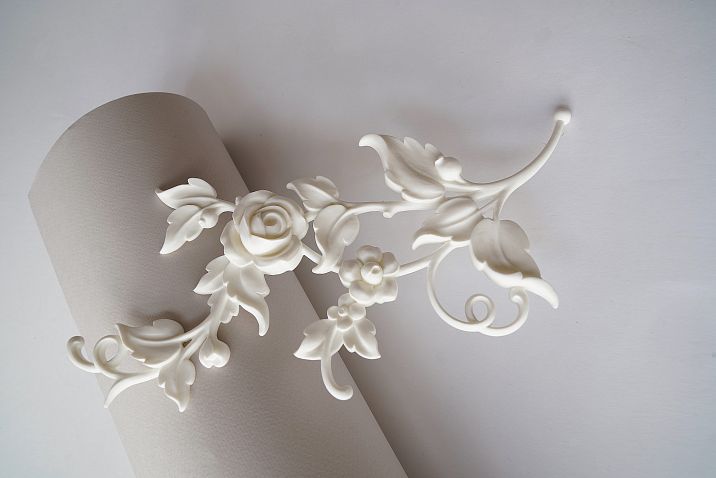
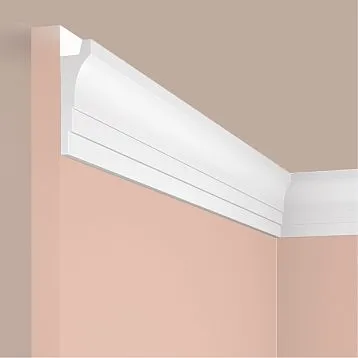
Polyurethane molded decor is not only a way to decorate interiors or facades, but also a tool that allows you to create a cohesive and harmonious look. Proper combination of elements helps avoid excessive clutter or, conversely, lack of detail. But how to combine it properly?elements such as casings and decorative appliqués. They help draw attention to windows, emphasizing their shape and size.To achieve an impressive result? In this article, we will examine the basic principles of combining decorative elements, approaches to styling, and ideas for different styles.


Why is it important to combine elements properly?
Stucco decoration is an art requiring balance and proportionality. Errors in selecting and combining elements can make the interior unbalanced and the facade overloaded. For example, too much ceiling fixtures made of polyurethane in one room creates visual chaos, and their complete absence deprives the ceiling of accents.
A proper combination of elements allows:
● Highlight key zones (e.g., framing chandeliers or window openings).
● Create a finished and stylish look matching the room's architecture.
● Connect different parts of the interior or facade into a unified whole.
Let’s start with basic principles that will help you become a true master in combining stucco decoration.




Basic principles of combining polyurethane stucco decoration elements
Combining polyurethane stucco decoration elements is not just a matter of selecting details, but a true art, where it is important to consider style, space size, proportions, and functional tasks. To create a truly harmonious and stylish interior or facade, it is important to rely on several basic principles. Let’s examine them in detail.
1. Proportionality and scale
First, you need to match the size of decorative elements with the dimensions of the room or facade. Large elements, such aspolyurethane decorative beams or large ceiling rose fixtures, look great in spacious rooms with high ceilings. In small rooms, such details may appear bulky and disrupt the balance.
How to find balance:
● For small rooms, chooseDecor for Molding narrow or medium-width. They will help create an accent without visually reducing the space.
● In large rooms, use a combination of large elements. For example, a ceiling rose framing a chandelier can be complemented by wide cornices and wall panels.
● If ceilings are low, avoid heavy cornices. Better choose flatpolyurethane wall moldings, which visually "raise" the ceiling.
2. Maintaining stylistic unity
Each stucco decoration element must match the overall style of the room or building. This is especially important if you use different types of decoration, such as Polyurethane ceiling rosettes, false beams and panels.
Examples of stylistic combinations:
● Classic style: Use ornamental cornices, large roses with rich decoration, and relief-patterned panels. For example, combining molding with symmetrical wall layout and a large rose in the center of the ceiling will create a luxurious and harmonious look.
● Modern style: Here, the emphasis is on minimalism. Smooth panels andDecor for Molding without ornamentation are suitable. Instead of complex patterns, choose simple lines and shapes.
● Scandinavian style: Combine white cornices, minimalist panels, and decorative beams. This solution will add lightness and brightness to the interior.
It is important to remember that using decorative elements of different styles in one space often leads to visual conflict. For example, combining a classical rose with a minimalist cornice may look inappropriate.
3. Focal points and accents
When combining decorative elements, it is important to create one or several focal points that will attract attention. These can be ceiling roses, fireplace framing, or an accent wall with panels.
How to emphasize:
In the living room, the focal point can bea ceiling rose for a chandelier made of polyurethane. To highlight it, use moldings connecting the rose to the cornices around the ceiling perimeter.
In the bedroom, the focus can be the wall behind the bed. Use a combination of panels anddecoration for moldings to create a relief finish.
On the facade, accents can be window casings and decorative columns. For example,Decorative elements for facades can be used to highlight the entrance area.
4. Combining textures and reliefs
Polyurethane relief decor allows creating interesting combinations of textures and reliefs. For example, smooth moldings can be combined with relief panels or ornamented roses.
Examples of combinations:
● Smooth cornices with wood texture andceiling roses with ornament.
● Panels with geometric relief combined with minimalist beams.
● Decor for moldings with patterns and smooth cornices.
5. Color combinations and contrasts
Polyurethane elements can be painted, which opens up wide creative possibilities. Color solutions play a key role in creating a harmonious interior.
Color selection recommendations:
● For a classic interior, use pastel and neutral tones: white, beige, cream. Accent elements, such asceiling roses made of polyurethane, can be highlighted with gold or silver patina.
● In modern interiors, monochromatic solutions are popular. White moldings on gray or black walls create a striking contrast.
● If you want to add warmth, choose wood tones for decorative polyurethane beams or panels.
6. Functionality of elements
Polyurethane relief decor serves not only an aesthetic but also a practical function. For example,Decor for Molding can be used to conceal joints or hide wires. Ceiling roses not only decorate the space but also help hide the chandelier mounting point.
Our factory also produces:


Examples of successful combinations
- Living room in classic style:
○ Central ceiling rose for a chandelier made of polyurethane.
○ Wide cornices around the ceiling perimeter.
○ Wall panels divided by molding decoration.
- Modern bedroom:
○ Minimalist moldings around the perimeter.
○ Smooth panels on the wall behind the bed.
○ Decorative beams in warm wood tones.
- Facade of a country house:
○ Window casings.
○ Cornices on the roof.
○ Decorative overlays for the facade near the entrance.
Get Consultation
How to properly combine polyurethane moldings with furniture and textiles
When working on creating a harmonious interior, it is important to consider not only architectural elements such asPolyurethane ceiling rosettes orMoldingsbut also how they will coordinate with furniture, textiles, and other decorative elements. In this section, we will discuss how to create a cohesive look in which the molding becomes a harmonious part of the interior.
1. Color combinations with furniture
The color of the furniture should either accent or harmoniously contrast with the molding. For example, white or creamMoldings for walls look great with dark wooden furniture, creating a striking contrast.
Color combination tips:
● If the molding is painted in neutral tones (white, beige, gray), choose furniture with rich texture: dark oak, walnut, or mahogany. This will highlight molding details such asmolding decorative elements.
● If the furniture is bright, for example, emerald or burgundy upholstery, use molding in soft pastel shades to avoid overloading.
● For modern interiors with minimalist furniture, plain smoothcornices and panels made of polyurethane.
2. Textile selection
Textiles are one of the most important elements that connect molding with the rest of the interior. Curtains, rugs, cushions, and upholstery should be chosen to support the overall room style.
How to connect molding and textiles:
● Classic interior: Use textiles with rich patterns that echo the molding ornament. For example, if thepolyurethane ceiling rose features floral motifs, curtains or upholstery may contain a similar pattern.
● Modern style: Choose textiles in solid colors. For example, gray curtains or rug will pair well with smoothwall moldings.
cornices made of polyurethanecornices made of polyurethane.
3. Creating accents with molding and furniture
Molding decoration can not only highlight furniture, but also become an accent in the interior.
Examples of accents:
● Surrounding the fireplace area. If you have a fireplace, usepolyurethane moldings and decorative appliqués to create an accent zone. Around the fireplace, place furniture with neutral-toned upholstery to avoid distracting from the molding decoration.
● Central chandelier. Usea polyurethane chandelier fixtureto highlight the chandelier in the center of the room. Choose furniture and accessories that support this central accent, for example, a round rug or a coffee table.
● Bedroom zone decoration. InstallPolyurethane panels molding behind the headboard to create a striking backdrop. Choose bedding and curtains in a similar color palette.
4. Functional elements and furniture
Polyurethane molding decoration can be used not only for decoration but also for functional purposes.
Ideas for combining with furniture:
● Concealing imperfections. If there are unevenness or joints on a wall with furniture, they can be masked using polyurethane moldingsa. This will make the overall room appearance neat.
● Integration with furniture. You can decorate cabinets or shelves using polyurethane decorative overlaysmoldings. They will add individuality and unique style to the furniture.
● Molding lighting. Use built-in lighting to highlight decorative elements such as cornices and panels. Lighting will emphasize the beauty of the molding decoration and create a cozy atmosphere.
5. Zoning space with decor
Molding decoration helps zone space, especially in large rooms or studios.
Examples of zoning:
● Living room-dining area. Divide zones using polyurethane panels on walls or ceilings. Furniture matching each zone will emphasize the division.
● Work corner. Create an accent zone for work using a combination of moldings and minimalist appliqués. This will help visually highlight the workspace, even if it is located in an open space.
Conclusion
Interior harmony is composed of many details, and combining molding decoration with furniture and textiles plays a key role in this. Following the above principles, you will be able to create a stylish and functional space where each element complements the other.