Article Contents:
- Introduction: Why It's Important to Make a Wooden Shelf by Hand?
- The Art of Handcrafting
- Final reflections: Home as a reflection of the soul
- Selecting Wood
- Tools and equipment
- Defining Goals and Functionality
- Creating Drawings and Planning
- Stage 1: Cutting and Preparing Blank Materials
- Stage 2: Milling and Profiling
- Stage 3: Sanding and Surface Preparation
- Stage 4: Assembling the Structure
- Stage 5: Final Finishing and Protecting the Item
- Decorative Interior Design
- Functional Solutions for Home and Office
- Advantages of Ready-Made Items
- Choosing Style and Form Factor
- Playing with Shape and Texture
- Color Solutions and Finishing
- Innovative Solutions in Woodworking
- The Role of the Craftsman in the Creation Process
- Installation and mounting
- Regular Care and Prevention
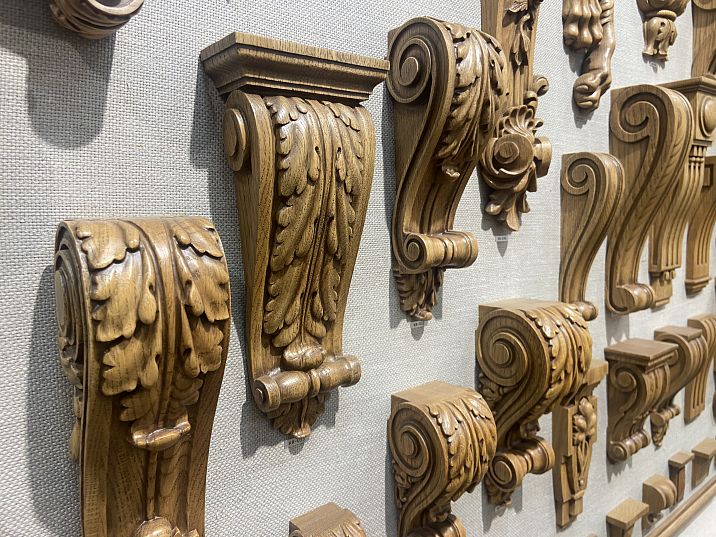
Wood is a material that combines the warmth of nature, the strength of tradition, and limitless possibilities for creativity. In today’s world, where functionality and aesthetics go hand in hand, more and more people are striving to bring handmade elements into their interiors, possessing unique charm and longevity. One such solution is an item that can become a true highlight of any interior — a wooden shelf. In this article, we will thoroughly examine how to make a wooden shelf, discuss the subtleties of material selection, technological stages, processing nuances, and finishing methods, as well as share practical tips for caring for finished items. The entire production process, from concept to realization, will become a source of inspiration and useful knowledge, allowing you not only to independently realize your ideas but also to appreciate the professionalism of the STAVROS company’s craftsmen, whose work deserves special attention. You can view the assortment in the section Carved Shelves.


Introduction: Why is it important to make a wooden shelf by hand?




Handcrafted Art
In the era of mass production and standardized solutions, the ability to make a wooden shelf becomes not only a way to realize creative potential, but also an opportunity to create a unique interior element. Handmade work allows taking into account the individual characteristics of the space, selecting optimal dimensions, shape, and style that match your preferences exactly. Each shelf made in this way is a work of craftsmanship, infused with the master's soul, personal experience, and years of practice.
Our factory also produces:


Practicality and durability
Wooden shelves have several advantages over items made from other materials. First, wood is an eco-friendly and natural material that creates a cozy and warm atmosphere in the home. Second, a properly made wooden shelf lasts for decades without losing its aesthetic and functional qualities. Third, the possibility of self-manufacturing allows optimizing costs without compromising on quality compared to factory-produced items. That is why many artisans and interior designers recommend handmade shelves as a way to highlight the uniqueness of the space.
Get Consultation
Preparation Stage: Choosing Materials and Tools
Wood Selection
The first and one of the most important steps on the path to creating a quality item is selecting the wood. When planning how to make a wooden shelf, it is necessary to consider not only aesthetic preferences but also the technical properties of the material. The most popular wood species used for making shelves include:
● Oak – has high hardness, noble grain, and durability. Ideal for creating premium-class items that will serve for many years without losing their appeal.
● Ash – distinguished by ease of processing, beautiful texture, and moderate hardness. Often used for making shelves in modern and minimalist styles.
● Beech – a universal solution combining strength and aesthetic appeal. Perfect for creating functional items that can withstand significant loads.
● Pine – softer and more affordable wood, easily processed and looks great after finishing. Suitable for items where the emphasis is on decorative appeal and the warmth of natural material.
The choice of wood species depends on the task you set for yourself: do you want to create a shelf for storing books, for displaying decorative elements, or for showcasing art exhibits. In each case, wood selection plays a decisive role, as it affects the appearance, strength, and longevity of the item.
Tools and Equipment
To make a wooden shelf at a high level, you need to have the appropriate set of tools at hand. Depending on the complexity of the project, you may need the following tools:
● Circular saw or band saw – for precise and neat cutting of wood.
● Router – for creating decorative elements, profiling edges, and processing grooves.
● Sander – for achieving a perfectly smooth surface, free of burrs and irregularities.
● Tape measure, level, and square – for accurate measurements and controlling the geometry of the item.
● Chisels, hammer, and sandpaper – for manual finishing of details and eliminating minor defects.
● Adhesives, screws, and corner brackets – for assembling the item and ensuring reliable connections.
Using modern tools in combination with manual labor allows achieving the highest quality of the finished product, giving it individuality and an elegant appearance.
Designing: From Idea to Drawing
Defining Goals and Functionality
Before starting to manufacture, it is important to clearly define the project's goal. Think about what exactly you need the shelf for: books, decorative elements, photos, or for specialized use. Each type of shelf has its own features in terms of construction and design. For example:
● A bookshelf must be strong enough to support the weight of books, have optimal depth, and provide easy access to its contents.
● A decorative shelf can be made as a carved element or have an elegant, minimalist shape, primarily serving as a decoration for the interior.
● A functional shelf for storing small items requires a thoughtfully designed mounting system and a reliable frame that prevents sagging and deformation.
Understanding the final purpose of the item will help determine its dimensions, shape, and necessary technological solutions.
Creating drawings and planning
Design is the foundation of success for any project. To manufacture a wooden shelf of high quality and without errors, it is necessary to carefully plan and document all stages of work in the form of drawings. The drawing must include:
● Exact dimensions of the shelf: length, width, depth, and material thickness.
● Placement of fasteners, grooves, and decorative elements.
● Wood cut plan, where all necessary details are indicated.
● Sketches of possible finishing and decorative treatments.
A clear and detailed drawing allows avoiding errors during the work process, reducing the number of corrections, and guaranteeing that the finished product will meet all your expectations. If you are unsure of your drawing skills, you can consult professionals or use modeling programs that will help visualize the final result.
Technology for manufacturing a wooden shelf
Stage 1: Cutting and preparing blanks
The first practical stage in creating a shelf is preparing and cutting the blanks. At this stage, it is extremely important to work with precise measurements, since the quality of the cut determines the final geometry of the product. For this purpose, the following tools are used:
● Circular saws – they provide a straight and even cut, which is especially important when working with solid wood.
● Band saws – allow performing both straight and curved cuts, which is useful when making decorative elements.
After cutting, the parts must undergo initial sanding. This helps remove burrs and irregularities, preparing the surface for further processing and finishing. It is important to be careful: do not rush, as this may damage the wood structure.
Stage 2: Routing and profiling
In order to make a wooden shelfTo create a shelf that is not only functional but also aesthetically pleasing, special attention must be paid to edge treatment and decorative elements. Routing is the process of creating relief patterns, rounding edges, and recesses that give the shelf a distinctive character. Using a router, you can achieve the following results:
● Edge profiling – creating smooth, elegant lines that make the product safer and more pleasant to touch.
● Decorative carved elements – patterns, ornaments, and wood carving that give the product individuality and highlight the author’s craftsmanship.
● Forming grooves and joining elements – neat grooves ensure strong connections and allow using adhesive compounds for additional reinforcement of the structure.
When performing routing, it is important to pay attention to the cleanliness and precision of each pattern, as this affects the overall impression of the product.
Stage 3: Sanding and surface preparation
After all mechanical operations, the product must be carefully sanded. Sanding is not just a preparation stage, but a key step that affects the quality of the final finish. It is recommended:
● Start with coarse-grit sandpaper, gradually moving to finer grits.
● Pay special attention to corners and joints, where material residues and small defects often accumulate.
● Sand the surface evenly to avoid unevenness that could negatively affect the adhesion of the final coating.
Thorough sanding allows achieving an ideal smoothness, which ensures even application of varnish or oil and highlights the natural wood texture.
Stage 4: Assembly of the structure
When moving to assembly, it is important not only to correctly connect all parts but also to ensure the stability and strength of the structure. The main assembly methods include:
● Mortise and tenon joint – a classic method that ensures high joint strength due to precise fitting of elements.
● Use of adhesive compounds – modern adhesive technologies allow additional reinforcement of joints, which is especially important for products designed for significant loads.
● Mechanical fastening – using screws, brackets, or special clips for additional fixation of parts. This method is often used in combination with glue to achieve maximum structural stability.
Assembly should be performed under conditions that prevent movement of parts, so it is recommended to use clamps or vices until the glue dries. This approach helps avoid misalignment and ensures a perfect joint connection.
Stage 5: Final finishing and protection of the item
The final stage involves applying a protective coating that not only highlights the beauty of the wood but also protects the item from adverse environmental factors. The following finishing options are possible:
● Lacquering – applying a transparent lacquer (water-based or alkyd) preserves the natural color and texture of the wood, giving it a shine and additional protection.
● Oil treatment – special oils penetrate deep into the wood, protecting it from moisture and mechanical damage, while also emphasizing the material's natural structure.
● Painting – if a color change is required, high-quality paints are used, capable of providing even coverage and long-lasting color stability.
When selecting a finishing coating, it is important to consider the operating conditions of the item. For example, if the shelf will be installed in a kitchen or bathroom, it is better to choose lacquers and oils resistant to moisture and temperature fluctuations.
Practical application: where and how to use the manufactured wooden shelf
Interior decorative design
Wooden shelves, manufactured using technology that allows for the creation of wooden shelves using traditional processing methods and modern technologies, become an exquisite decorative element. They can serve not only as functional elements for storing books, souvenirs, or accessories, but also as works of art themselves. In art galleries, cozy living rooms, and stylish cafes, such items create an atmosphere of warmth and comfort, reminding one of the craftsmanship of artisans and emphasizing the individuality of the interior.
Functional solutions for home and office
The functionality of a wooden shelf lies not only in its decorative potential but also in its practical application. The manufactured items can be used in various zones:
● Bookshelves – ideal for creating a home library or organizing a workspace.
● Accessory shelves – compact and elegant solutions for storing small decorative items, jewelry, or collectibles.
● Kitchen and bathroom shelves – resistant to moisture and temperature fluctuations, they can serve as places to store kitchen utensils, towels, or other necessary small items.
Thanks to its universal design and the possibility of individual customization, a wooden shelf becomes an indispensable element in decorating both residential and commercial spaces.
Advantages of ready-made items
If you do not have the opportunity or desire to go through all the manufacturing stages yourself, you can always have a wooden shelf made by professionals. The masters of the company STAVROS offer a wide range of items manufactured according to the highest quality standards. You can view ready-made solutions in the section Carved Shelves, where numerous options are presented, capable of satisfying even the most discerning taste. Ready-made items differ not only in aesthetics but also in reliability, allowing them to serve for many years without losing their original appearance.
Design features: how to make the shelf truly unique
Style and form factor selection
When developing the design, it is important to consider the overall interior concept. A wooden shelf can be made in various styles:
● Classic style – implies the presence of carved ornaments, smooth lines, and rich wood texture, highlighting the richness of traditions and craftsmanship.
● Modern minimalism – characterized by simplicity, basic forms, and absence of unnecessary decorative elements. This approach allows focus on functionality and the natural beauty of the material.
● Eco-style – emphasizes the use of natural materials and natural tones. In this case, preserving the natural color of the wood is important, and finishing is done with minimal chemical intervention.
● High-tech – combining natural wood with metal and glass elements creates a dynamic and modern look, ideal for office spaces and stylish urban apartments.
Each style has its advantages, and the choice depends on personal preferences and the characteristics of the space.
Playing with shape and texture
One of the key aspects in manufacturing shelves is the proper combination of shape and texture. You can experiment with different edge profiles, vary the width and depth of the shelf, and add decorative elements such as carving or inlay. This approach allows you to create not just a functional piece of furniture, but a true work of art capable of becoming a central element of the interior.
Color solutions and finishing
Final finishing plays an important role in the perception of the item. Natural wood itself possesses a rich palette of shades, ranging from light, almost white tones to deep, rich browns. When selecting a finish, it is necessary to consider not only the aesthetic aspect but also the operating conditions of the item. Lacquering, oil treatment, or painting – each of these methods allows achieving a specific effect and protecting the wood from external influences. A well-applied finish will highlight the wood texture and give the item a finished look.
Modern Technologies and Traditional Methods: Synergy in Production
Innovative Solutions in Woodworking
Modern woodworking offers a wide range of technologies that significantly simplify the manufacturing process and enhance product quality. The use of computer modeling, automated saws, and milling machines allows achieving maximum precision in cutting and processing wood. However, despite all technical achievements, traditional manual methods remain indispensable when it comes to creating unique decorative elements. It is precisely the combination of innovation and craftsmanship that makes it possible to produce a truly unique wooden shelf.
The Role of the Master in the Creation Process
An experienced master is one who understands not only technological nuances but also knows how to sense the soul of the material. He knows how to properly select wood, which tools to use, and how to achieve an ideal smooth surface. That is why ordering a product from professionals, such as the masters of the STAVROS company, guarantees high quality, aesthetic appeal, and durability of the item. If you want not just to purchase a ready-made shelf but to infuse a piece of your soul into every element of your interior, consider entrusting the production to specialists.
Installation and Care Tips for Wooden Shelves
Installation and Mounting
Proper installation of the shelf is the key to its longevity and reliability. When mounting, it is important to consider the following points:
● Location selection. Determine where the shelf will be most functional and aesthetically pleasing. This could be a living room wall, a corner of an office, or even a decorative element in a hallway.
● Fasteners. Use high-quality fastening materials — dowels, screws, or anchors — to ensure secure mounting even under significant loads.
● Leveling. Use a level and measuring tape for precise installation to avoid misalignments that may negatively affect the appearance of the item.
Regular care and prevention
To ensure your wooden shelf continues to delight you with its original appearance for many years, it is important to follow simple care rules:
● Cleaning. Wipe the surface with a soft dry or slightly damp cloth to remove dust and dirt. Avoid using aggressive cleaning agents that may damage the finish.
● Periodic treatment. If necessary, renew the protective coating — varnish or oil — to preserve the natural beauty of the wood and provide additional protection against external factors.
● Humidity control. Try to maintain an optimal humidity level in the room. Excess moisture may cause wood deformation, while overly dry air may lead to coating cracking.
● Damage prevention. Regularly inspect fasteners and surface condition, especially if the shelf is located in high-traffic areas or exposed to sunlight.
Conclusion: Bring Your Dream of a Quality Interior to Life with a Wooden Shelf
Creating a wooden shelf means not just producing a functional piece of furniture, but bringing to life an idea filled with warmth, individuality, and aesthetic perfection. This process requires attention to detail, careful planning, and a deep understanding of working with natural materials. In every detail — from selecting the wood to the final finish — there lies a story of craftsmanship passed down from generation to generation.
If you dream of transforming your home, adding an element to your interior that will not only please the eye but also serve as a reliable support for your favorite books, decorative accessories, or even art exhibits, consider how to make a wooden shelf yourself or order it from professionals. The masters of the STAVROS company offer a wide range of items made in accordance with all technological and aesthetic standards, allowing you to create not just a shelf, but a true art object capable of transforming any space.
In the section Carved Shelves you will find various models, each possessing its own character, style, and functionality. Regardless of the design you choose — classic, modern, minimalism, or high-tech — a quality wooden item will always become a decoration of your interior, highlighting your individuality and sense of beauty.
Modern technologies combined with traditional woodworking methods allow achieving the highest quality and durability of products. That is why deciding to make a wooden shelf becomes not only a creative approach but also a wise choice for those who value naturalness, reliability, and aesthetics in every detail.
In conclusion, it can be confidently stated that a wooden shelf is an investment in the coziness and style of your home. It is capable of transforming any space, adding touches of warmth, comfort, and genuine elegance. May every glance at such a shelf remind you that in the world of handcraft and natural materials, true craftsmanship lives, capable of bringing joy and inspiration for many years.
If you are ready to take a step toward aesthetics, practicality, and durability, do not miss the opportunity to order a product from professionals. You can familiarize yourself with the full range of ready-made solutions and be inspired by ideas by clicking the link: Carved ShelvesHere, you will find not only models for classic interiors, but also innovative options capable of meeting any requirements.
Remember that a quality product is the result of careful work, attention to detail, and deep understanding of the material's nature. By infusing a piece of your soul into creating a wooden shelf, you will receive not just a functional element, but a work of art that will delight you and your loved ones day after day.
Final Recommendations
- Plan in advance. Before starting work, carefully consider the dimensions, shape, and functionality of the future shelf. A clear plan and detailed drawing will help avoid mistakes during manufacturing.
- Choose quality materials. Pay attention to the wood species, its moisture content, and condition. The reliability and durability of the item largely depend on the quality of the raw material.
- Use modern tools. Modern saws, routers, and sanders will allow achieving ideal precision and smoothness, positively affecting the final result.
- Follow the sequence of work stages. Do not rush at any stage — from cutting to final finishing. This will allow you to create an item that will delight you not only with its appearance but also with its functionality.
- Consult professionals. If you're unsure of your abilities or wish to save time, STAVROS company specialists are always ready to offer quality solutions. Their experience and attention to detail ensure that every crafted wooden shelf will become a true decoration of your interior.
Final Thoughts
Crafting a wooden shelf is a challenge that requires not only technical skills but also a creative approach, passion for craftsmanship, and love for natural materials. In this process, every detail matters: from selecting the wood to the method of applying the finish. It is precisely these small elements, combined, that create an item capable of becoming a central element of your interior, conveying an atmosphere of coziness and warmth.
Wood is a material that lives, breathes, and tells a story. Every shelf crafted with soul and attention to detail can become not just a functional element, but a true work of art. Consider how many memories and emotions can be associated with things made by hand — this is not just furniture, but a reflection of your character, taste, and pursuit of beauty.
If you are ready to immerse yourself in the world of natural beauty, creative exploration, and high quality, do not delay the realization of your idea. Deciding to make a wooden shelf is an investment in coziness, style, and longevity of your interior, which will delight you for years. Take advantage of the opportunities offered by modern technologies and proven traditions, and create something truly unique.
In conclusion, it should be noted that every home deserves items that possess soul and character. A wooden shelf is not just a place to store things, but a symbol of warmth, craftsmanship, and respect for nature. May your shelf become an example of how traditions and modern technologies can come together to bring you aesthetic pleasure and comfort.
Thus, the process of making a wooden shelf encompasses a wide range of aspects — from material selection to final finishing. Following the above recommendations, you will not only create a beautiful and reliable item, but also immerse yourself in an engaging world of creativity, where each stage of work brings new knowledge and experience. If you wish to learn more about ready-made solutions or order custom production from professionals, click the link: Carved Shelves.
May your creativity and love for natural materials lead to the creation of items that inspire and delight you every day, reminding you that true quality is born from passion and craftsmanship.