Article Contents:
- 1. History and significance of wood in economic activities
- 2. Selection of material for the wooden stick
- 2.1. Importance of quality raw material
- 2.2. Popular wood species
- 3.1. Determining dimensions and shape
- 3.2. Required tools
- 4.1. Stages of forming the shape
- 4.2. Careful sanding
- 4.3. Final finishing
- 5.1. Interior decoration
- 5.2. Furniture manufacturing
- 5.3. Construction and finishing
- 5.4. Handicrafts and creativity
- 5.5. Culinary and household uses
- 6.1. Protection against external influences
- 6.2. Ecological safety
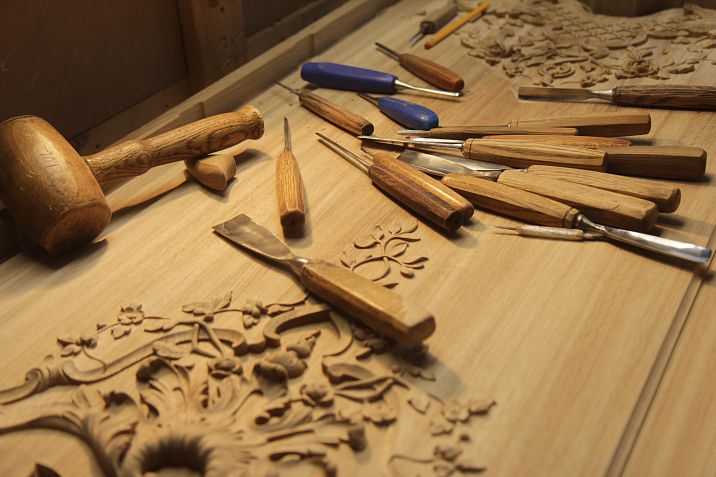
Wood is one of the oldest and most sought-after materials, remaining the foundation for creating various items for centuries. Today, it is used not only as a construction material but also for creating unique decorative, furniture, and even complex structural elements. In this article, we will thoroughly examine how to properlymake a wooden stick, learn about material selection, processing methods, and the wide range of applications of such items in the modern world.


1. History and significance of wood in economic activities
Wood has always been popular due to its unique properties – strength, natural beauty, and eco-friendliness. In the dawn of civilization, wood served as a construction material for creating dwellings, tools, and works of art. With the development of crafts and technologies, wood acquired the status of a material based on traditional handcrafting and innovative processing methods. Even today, when industrial production replaces manual labor, wooden items such aswooden stickappreciated for their durability and aesthetics.




2. Choosing the material for the wooden stick
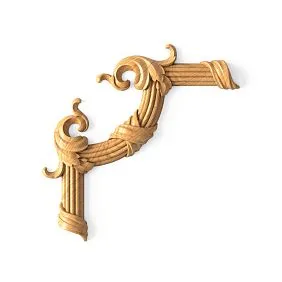
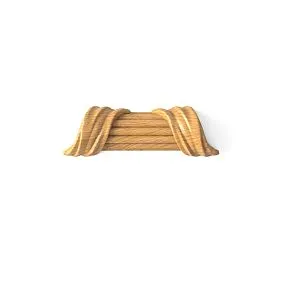
Our factory also produces:




2.1. Importance of high-quality raw material
Before starting work, it is important to pay special attention to the selection of wood. The quality of the material affects not only the appearance of the finished product, but also its strength, durability, and safety during use. The wood must be properly dried, free of defects and cracks, to ensure easy processing and a beautiful texture.
Get Consultation
2.2. Popular wood species
When choosing a type of wood, consider the final purpose of the item. Let's consider several of the most popular options:
● Oak. This type of wood is characterized by high hardness and resistance to mechanical damage. It is often used to create large furniture elements and decorative details where high load-bearing capacity is required.
● Beech. Light and elastic, with a pleasant texture, beech is often used to make items where elegance and soft lines are important.
● Birch. Light and elastic, with a pleasant texture, birch is often used to make items where elegance and soft lines are important.
● Pine. Due to its ease of processing, pine is used to create smooth and even items. It is well-suited for practical decorative and furniture applications.
● Walnut. This is a premium wood species used to make refined decorative items, handles, and small details, where both strength and unique texture are valued.
The choice of a specific species depends on functionality and aesthetic requirements. For example, birch or beech are ideal for delicate details and elegant shapes, while oak or walnut are better suited for more substantial constructions.
3. Preparing the blank and selecting tools
3.1. Determining size and shape
The first step is selecting a wooden block of the required dimensions. It is important to consider that the blank must have extra material for subsequent processing. At the same time, you can determine the future shape of the stick in advance, whether it is a classic cylindrical form or more complex conical or sculpted shapes.
3.2. Required tools
To perform the work, a wide range of tools is required, which will ensure high-quality processing:
● Hand tools. A saw, plane, and file will allow you to manually cut the desired outlines and give the item a unique character.
● Lathe. This equipment allows you to quickly and accurately create a symmetrical shape, which is especially relevant for mass production.
● Milling machine. Used to create complex decorative elements and relief patterns on the surface of the item.
4. Processing methods: from rough cutting to final finishing
4.1. Stages of forming the shape
Manufacturing processwooden stick includes several sequential stages:
- Rough cutting. At this stage, the block is prepared for subsequent processing. The main silhouette of the future stick is cut out.
- Turning. If a lathe is available, it allows achieving perfect symmetry of the item. Using a lathe significantly speeds up the manufacturing process.
- Manual finishing. After mechanical processing, attention must be paid to details: using a saw, plane, and file, you can achieve a unique design that highlights the individuality of the item.
4.2. Careful sanding
After forming the main shape, the item requires sanding, which is divided into several stages:
● Coarse sanding. Start with sandpaper of grit 80-100 to remove large burrs.
Medium grit sanding. Proceed to 150-180 grit sandpaper to level the surface.
Fine sanding. The finishing stage is performed with 220-400 grit sandpaper to achieve a perfectly smooth surface.
4.3. Final Processing
The final stage is protection and decoration of the item:
● Oil treatment. Natural oils (linseed, mineral, beeswax) deeply penetrate wood, protecting it from moisture and biological damage.
● Lacquering. Applying lacquer creates a durable protective film, giving the item a shine and longevity.
● Staining. Allows changing the wood tone and highlighting its natural texture.
● Waxing. Provides additional protection against moisture and dirt, and also gives the item smoothness and elegance.
5. Application of wooden sticks in various fields
5.1. Interior Design
Wooden items have long been popular decorative elements. Applicationwooden stick in interior design has many advantages:
● Textured panels. Compositions made of wooden sticks create an interesting three-dimensional effect on walls, giving the room natural warmth and coziness.
● Decorative lamps. Using thin sticks allows creating exclusive lamps with a unique pattern of cast shadows.
● Furniture trim elements. Carved inlays, inserts, and decorative carved elements give furniture individuality and aesthetic appeal.
5.2. Furniture Manufacturing
In the furniture industry, wooden elements play a key role:
● Frames and structures. Using wooden sticks as rails or balusters ensures the strength and stability of structures.
● Decorative details. Balusters, legs, backs, and other small wooden elements create a harmonious and natural look for furniture.
● Modular systems. Modern technologies allow integrating wooden elements into modular systems, where each part serves not only a decorative but also a functional role.
5.3. Construction and Finishing
Wooden items are also used in the construction industry:
● Window and door framing. Using wooden elements allows creating unique frames that highlight the building's style.
● Façade elements. Sticks can be used to create decorative panels that give the façade individuality and elegance.
● Staircase structures. Wooden balusters and handrails are not only functional but also aesthetically pleasing interior elements.
5.4. Handicrafts and Creativity
For creative enthusiasts, wooden items open up boundless possibilities:
● Modeling. Making miniature models of buildings, ships, cars, and other objects allows realizing the boldest design ideas.
● Decorative crafts. Wood carving, creating panels, photo frames, and souvenirs — all this helps create unique items imbued with individuality.
● Art installations. In contemporary art, wooden sticks are used to create installations where the material becomes an integral part of the artistic concept.
5.5. Culinary and household applications
Do not forget about the more practical aspects of using wooden items:
● Skewers and kebab sticks. Wooden sticks are ideal for preparing kebabs, canapés, and other dishes where ecological and natural qualities are important.
● Kitchen utensils. Wooden spoons, whisks, and handles for kitchen appliances are not only convenient to use but also enhance the interior design.
● Table setting decorations. Wooden elements can be used to decorate tables, create original stands, and decorative accents, emphasizing the natural aesthetic of the kitchen.
6. Finishing treatment nuances
6.1. Protection from external influences
After careful processing, it is necessary to protect wood from moisture, sunlight, and mechanical damage. Depending on the conditions of use, the appropriate treatment method is selected:
● Oil treatment. Due to deep penetration, oils not only protect the wood but also preserve its natural color.
● Lacquering. Modern lacquers create a protective film on the surface, significantly extending the lifespan of the item.
● Wood impregnation. This method not only protects the wood but also gives it a special character, highlighting the texture and natural beauty of the material.
● Waxing. In addition to aesthetic qualities, waxing provides additional protection against water and contamination.
6.2. Ecological safety
Natural wood treatment methods are popular not only for their effectiveness but also for their ecological safety. Using natural oils and waxes allows maintaining the eco-friendliness of the item, which is especially important for items in contact with food or used in children's interiors.
7. Where to buy quality wood?
To successfully work with wood, it is necessary to use only high-quality materials. Reliable suppliers guarantee that the wood meets strict quality standards, which is especially important when manufacturingwooden stick. When choosing a supplier, pay attention to the following criteria:
● Product certification. The presence of appropriate certificates guarantees that the wood has undergone all necessary inspections.
● Experience and reputation. Reliable companies with long-standing experience always strive for high quality standards.
● Wide assortment. The ability to choose wood of different species and sizes allows meeting any requirements for the finished product.
● Consultative support. Professional advice on material selection will help avoid mistakes and ensure a high-quality result.
If you want to purchase high-quality materials for creating unique items or simplymake a wooden stick for home use, pay attention to trusted suppliers such as Stavros.ru.
8. Modern trends and the future of wooden items
Modern technologies and new processing methods allow expanding the boundaries of traditional wood use. Today, wood is not just a material but a design element that combines practicality, eco-friendliness, and aesthetics. Modern designers and artisans experiment with shapes, textures, and finishes, creating unique interior items, furniture, and even art objects. In the near future, new technologies are expected to emerge, allowing even more precise and high-quality wood processing, opening new opportunities for creativity and business.
9. Conclusion
Making a wooden stick is not just a craft, but an art requiring attention to detail, patience, and knowledge of working with natural materials. In this article, we reviewed the entire process from selecting wood to the final finishing of the item, as well as discussed various application areas—from decorative elements to functional details of furniture and construction structures.
Each stage of work—from preparing the blank to the final polishing—plays an important role in creating a quality and durable item. Modern technologies allow automating many processes, but manual labor remains the guarantee of individuality and uniqueness of each item. If your goal is to create not just a product, but a true masterpiece from natural wood, do not forget to pay attention to every detail.
For those who want to work with quality materials, it is recommended to contact trusted suppliers such as Stavros.ru. Here you will find everything necessary to create items that will become a decoration for your home, office, or production workshop.
By studying modern trends and the experience of masters, one can confidently assert that the future of wooden items lies in innovation, preserving traditions, and continuous striving for perfection. May eachwooden stick become not just an interior detail, but a manifestation of your creativity, love for natural materials, and commitment to quality.