Article Contents:
- Advantages of using natural wood in interior design
- Ecological safety and natural aesthetics
- Thermal and Sound Insulation Properties
- Strength and durability
- What is boarding and beam?
- Naturalness and universality of style
- Aesthetics and decorative possibilities
- Modern processing methods
- Types of treatment and coating
- Ecological safety
- Surface Preparation
- Step-by-step installation guide
- Recommendations for combined finishing
- Classic and modern styles
- Interior accents and decorative elements
- Examples of use in different rooms
- Regular Inspection and Preventive Maintenance
- Restoration of protective coating
- Care tips
- Conclusion
In the modern world, interior design reflects the individuality and taste of its owner. One of the most popular solutions for creating a warm, cozy, and natural atmosphere is the use of natural wood. That is why finishing wooden interiors through the combination of materials such asboarding beam wooden, deserves special attention. In this article, we will consider how to properly select, install, and care for finishing elements, as well as why this design approach deserves trust from both professionals and enthusiasts of quality design.







Advantages of using natural wood in interior design
Our factory also produces:




Ecological safety and natural aesthetics
Natural wood is not just a material, it is part of nature, capable of bringing warmth and coziness into your home. One of the main advantages of wooden finishing is ecological safety: natural wood does not emit harmful substances and contributes to creating a healthy atmosphere inside the room. At the same time, the appearance of items such as boarding beam wooden, delights the eye with its unique texture, natural shades, and distinctive wood grain patterns.
Get Consultation
Thermal and Sound Insulation Properties
Wood has excellent thermal insulation properties. Using boarding and beams in finishing helps retain heat during cold seasons and creates a comfortable atmosphere in the home. Moreover, the dense structure of wood significantly reduces noise levels, which is especially important for city apartments and country houses, where it is necessary to create the most comfortable living space.
Strength and durability
With proper care and adherence to installation technology, wooden finishing can last for decades. High-quality wood treatment ensures its resistance to mechanical damage, temperature fluctuations, and moisture. Materials made from selected wood, as well as modern protective coatings, guarantee that items will retain their original appearance and functional characteristics for many years.
Structural features: boarding, beam, wooden style
What is boarding and beam?
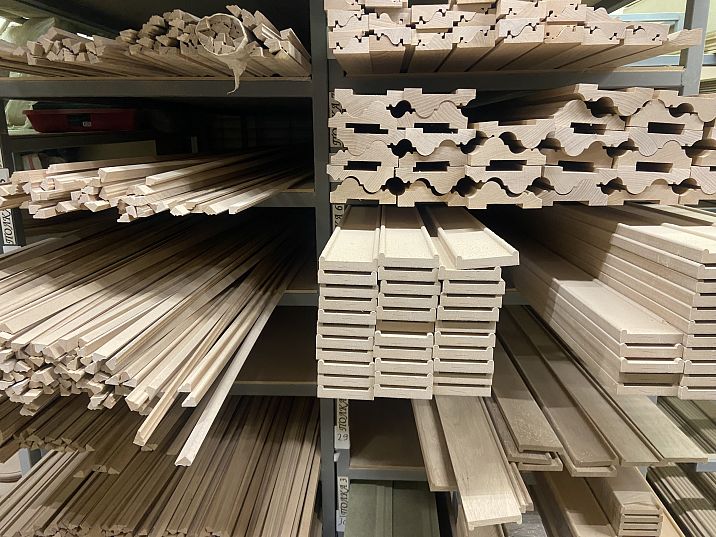
Boarding consists of narrow boards installed horizontally or vertically, forming an attractive pattern on walls. This material is ideal for creating original interiors, whether it's a house, sauna, or cottage. Beam, on the other hand, is a more substantial element, often used to create frames, wall and ceiling finishes, as well as exterior structures. The combination of boarding and beams allows achieving a harmonious blend of decorative elements and functionality.
Naturalness and universality of style
Wooden style remains always relevant, as it naturally fits into any interior — from classic to modern minimalism. Natural shades, emphasized by wood texture, create an atmosphere of coziness and tranquility. Using materials such as boarding beam wooden, achieves the effect of a 'living wall', which not only pleases the eye but also brings a touch of nature into the interior.
Aesthetics and decorative possibilities
Special attention is paid to the appearance of wooden elements. Thanks to modern wood processing technologies, various decorative effects can be achieved on siding and beams: from classic painting to imitation of aged wood. Such solutions not only highlight the individuality of the interior but also create an eye-catching play of light and shadow, giving the room a unique depth and dimension.
Wood production and processing technologies
Modern processing methods
A wide range of technologies is used to obtain high-quality material. At every stage of production, special attention is paid to wood processing: from strict drying to special protective treatments. This is necessary to minimize the risk of cracks, deformations, or rot.
Modern enterprises producing solid wood products use innovative methods that allow achieving the perfect combination of strength and aesthetics. For example, siding and beams use ultrasonic treatment, laser cutting, and special antiseptic coatings. Such technologies ensure even distribution of protective substances and preserve the natural beauty of the material.
Types of Treatment and Finishing
- Lacquering. Lacquers create a shiny, smooth surface that protects wood from moisture and mechanical damage. Lacquers come in various types: from matte to glossy, allowing you to choose the optimal option for each interior.
- Oil Treatment. Oil highlights the natural texture of wood, giving the surface a natural matte sheen. This method of treatment allows preserving the "breathable" properties of wood and creates a sense of warmth.
- Sanding and Final Treatment. After initial processing, wood is subjected to careful sanding, which removes all irregularities and gives the surface a perfectly smooth appearance. Final treatment helps secure the result and extend the lifespan of the products.
Ecological Safety
Natural wood is an eco-friendly material, but to enhance its durability, special impregnations and lacquers are used. It is important that the substances used are safe for health, do not emit harmful vapors, and do not negatively affect the environment. Modern technologies allow using water-based and eco-friendly coatings, making wooden products safe even for children's rooms.
Installation and Installation Tips
Surface preparation
Before starting installation, it is important to carefully prepare the surface. Walls or ceilings must be flat, clean, and dry. If it involves reconstructing old buildings, all irregularities, cracks, and damage must be eliminated. Proper preparation is the key to the longevity and aesthetic appearance of wooden finishes.
Step-by-Step Installation Guide
- Marking and Planning. Start by marking the installation locations for siding and beams. Ensure all lines are straight and gaps between elements are uniform. Use a level and tape measure for precise measurements.
- Fastening. Special fastening systems are used to secure elements, including screws, nails, and mounting clips. It is recommended to use fasteners that do not damage the wood and remain invisible after installation.
- Installing Siding. When installing siding, follow the sequence: first install the initial rows, then gradually add subsequent rows, monitoring the uniformity of gaps.
- Installing Beams. If combined use is planned, first install siding, then beams, which are used for corner finishing or decorative inserts.
- Final Treatment. After installation, perform final sanding and apply a protective coating. This can be lacquer, oil, or paint, depending on the chosen design.
Recommendations for Combined Finishing
Combining siding and beams allows creating interesting design solutions. For example, you can emphasize corners or highlight specific wall sections using decorative beams. This approach adds dynamism and depth to the interior, making it more lively and vibrant. It is important to remember that each element must harmonize with the overall style of the room, so the choice of color, texture, and finish should be carefully planned in advance.
Design Solutions and Application Options
Classic and Modern Styles
Wooden finishes are versatile: they suit both classic interiors and modern minimalist spaces. In a classic style, emphasis is placed on rich textures and warm wood tones, creating an atmosphere of coziness and tradition. In modern design, natural materials are used to create sleek yet stylish interiors, where clean lines and minimalism combine with the natural beauty of wood.
Interior Accents and Decorative Elements
Siding and beams can serve not only as wall cladding but also as decorative elements. For example:
● Structural Frameworks. Wooden beams and frames can be used to create original ceilings and partitions.
● Decorative Panels. Combining various textures and shades allows creating unique decorative panels that become the focal point in any room.
● Window and Door Trim. Using wooden beams for window and door trim gives the interior a sense of completeness and harmony.
Examples of Use in Different Rooms
- House and Apartment. In residential spaces, wooden finishes create an atmosphere of warmth and coziness. Siding can be used for wall cladding or to create decorative inserts on ceilings.
- Bathhouses and Saunas. Natural wood has high moisture resistance, especially if properly treated. In such spaces, attention should be paid not only to aesthetics but also to functionality: wooden finishes help regulate humidity and create a pleasant microclimate.
- Country Houses and Cottages. In such structures, exterior and interior designs are often combined. An exterior clad with siding harmoniously blends with wooden facade elements, creating a sense of natural harmony and eco-friendliness.
Wooden Finishing Care and Longevity
Regular Inspection and Maintenance
To maintain the original appearance of wooden elements, regular inspection and care are necessary. It is recommended to periodically check the condition of the coating, inspect joints and seams, and renew protective layers as needed. Simple cleaning with a soft cloth or dry brush will help prevent dust and dirt accumulation, while timely renewal of the lacquer coating will extend the lifespan of the item.
Restoring Protective Coating
Over time, even the highest quality coating may begin to lose its properties. Lacquers, paints, or oils require regular renewal, especially in rooms with high temperature fluctuations or increased humidity. Use only proven and eco-friendly products to preserve the natural appearance of the wood and protect it from external influences.
Care Tips
● Avoid aggressive cleaning agents. Use gentle cleaning products specifically designed for wood care.
● Monitor humidity levels. A stable microclimate will help prevent warping and cracking of the wood.
● Periodically sand the surface. This not only refreshes the appearance but also ensures even distribution of the protective coating when reapplied.
● Keep an eye out for scratches and scuffs. Small defects, if repaired promptly, will not escalate into serious damage.
Conclusion
Interior finishing with natural wood, using combinations of materials such as boarding beam wooden— is not merely a modern design solution. It is a true art capable of bringing warmth, comfort, and the atmosphere of living nature to your home. Thanks to the eco-friendliness, durability, and aesthetic appeal of wood, such finishing becomes a guarantee of longevity and high-quality interior design.
Choosing natural wood for wall, ceiling, or even facade cladding is a choice in favor of health, comfort, and harmony. The advantages of natural materials are obvious: natural texture, unique shades, insulation, and soundproofing — all of which help create a space where you want to live and relax. Processing technologies and modern installation methods allow not only to highlight the beauty of wood but also to ensure its protection for many years.
Each element of wooden finishing, whether board or solid timber, requires special attention during selection, installation, and subsequent care. A professional approach at every stage of work — from surface preparation to final finishing — ensures that the interior will delight you with its aesthetics and functionality.
May your home become a place where traditional methods and modern technologies merge, creating a harmonious and cozy space. By investing your soul and time into quality finishing, you will achieve a result that will delight your eyes and inspire new achievements every day.
We hope this article has served as a useful guide in the world of wooden interiors. Using materials such as boarding beam woodenhelps create a unique space where every detail contributes to an atmosphere of comfort and well-being. Remember that quality finishing is an investment in the future, and natural wood will always be a relevant choice for those who value eco-friendliness, durability, and beauty.
May your interior reflect your individuality and love for nature. Experiment with textures, colors, and decorative elements, combine traditional and modern solutions, and your home will delight you with its unique style and atmosphere for many years.
Thus, interior finishing with natural wood is not merely a trend, but a time-tested philosophy of creating comfort and coziness. Materials such asboarding beam woodenare an essential part of this philosophy, allowing you to realize the dream of a home where every detail is filled with life, warmth, and natural beauty. Choose quality materials, follow modern installation technologies, and do not forget regular care — and your interior will serve you faithfully for many years.