Article Contents:
- Historical Traditions and Cultural Heritage
- Roots of craftsmanship
- Symbolism of Natural Materials
- Wood species
- Ecology and sustainability
- Wood preparation
- Cutting and Shaping
- Assembly of the Structure
- Decorative Finishing
- Final Inspection and Packaging
- Automation and Computer Modeling
- Laser Cutting and Digital Printing
- Innovative Finishing Formulations
- Classic Interiors
- Modern Minimalist Spaces
- Eco-style and Natural Decor
- Commercial and Public Spaces
- Art Spaces and Installations
- Concept Definition
- Choosing a Reliable Manufacturer
- Order Details and Specifications
- Regular Maintenance
- Restoration and Professional Care
- Home interiors
- Office and Commercial Spaces
- Public and Cultural Spaces
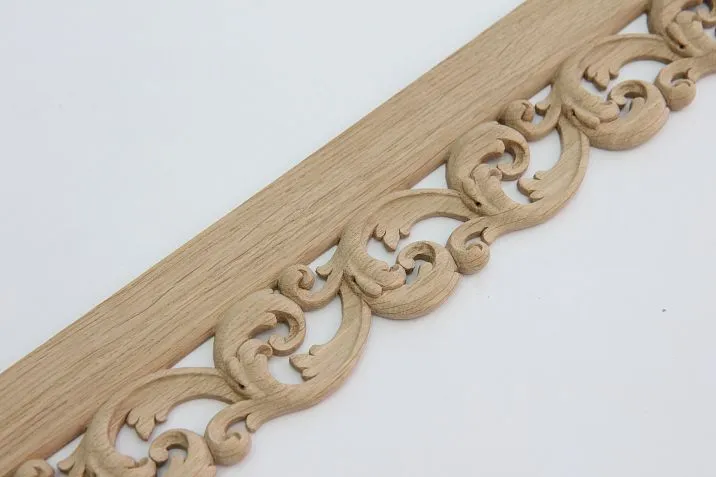
Wooden frame making is an art rooted in deep antiquity, which has maintained its relevance and evolved over centuries under the influence of technological progress and changing aesthetic demands of society. Today, natural wood remains one of the most sought-after materials for frame production, as it not only possesses unique texture and natural warmth but also aligns with principles of ecological safety and durability. In this article, we will thoroughly examine the process of wooden frame production, covering historical traditions, material selection, processing stages, and modern technologies. To view the range of quality products, please follow the link: wooden frame manufacturing.


Historical Traditions and Cultural Heritage




Roots of craftsmanship
The use of wood for creating frames has deep historical roots stretching back to ancient times. Initially, wooden frames were handcrafted, and each element—from selecting the wood to final finishing—was executed with great attention to detail. Ancient artisans employed traditional techniques of carving, lacquering, and painting to imbue their works with both utilitarian and artistic value. Frames served to protect and highlight works of art and symbolized respect for cultural heritage and craftsmanship.
Our factory also produces:


Symbolism of natural material
Natural wood has long been associated with strength, warmth, and longevity. Each handcrafted wooden frame not only frames a piece but also conveys part of the craftsman's soul. Traditional patterns, carved elements, and decorative motifs carry deep symbolic meaning—they reflect a connection to nature, history, and cultural traditions. That is why the process of making wooden frames becomes an indispensable part of preserving cultural heritage.
Get Consultation
Material Selection: Natural Wood as the Base
Wood Species
The quality and durability of frames depend directly on the selected wood species. Among the most popular materials are:
● Oak: This material is known for its heaviness, strength, and noble tone. Oak frames impart status and solidity to interiors. Heavy and stable, oak is used to create classic and luxurious items.
● Ash: Light ash has a uniform texture and minimalist aesthetics. It is ideal for modern interiors where lightness and purity of form are important.
● Walnut: Walnut frames feature rich, deep tones and expressive texture. They give items an elegant and refined appearance, especially valued in premium-class interiors.
● Beech: Due to its neutrality and versatility, beech combines easily with other materials and colors, making it an ideal choice for various design solutions.
● Cherry: Cherry products are characterized by warm coloring and beautiful grain patterns, giving frames refinement and individuality.
Ecological and Sustainable
When selecting wood, it is important to consider not only aesthetic qualities but also the ecological safety of the material. Using wood from sustainably managed forests ensures that the products will meet high ecological standards. Natural wood is an eco-friendly material that contains no synthetic components and undergoes minimal chemical treatment, which is especially important for those concerned about health and the environment.
Stages of Wooden Frame Production
Wood Preparation
The first stage in the production of wooden frames is careful selection and preparation of wood. This stage includes:
● Drying: The wood undergoes a prolonged drying process, which helps reduce material moisture, prevent future deformations and cracking. Careful drying is a guarantee of frame stability and longevity.
● Sanding: After drying, the wood is sanded to perfect smoothness. This is necessary to prepare the surface for further processing and application of decorative coatings.
Cutting and Forming
After preparing the wood, it is sawn into blanks of required sizes and shapes. Modern machines allow performing this work with high precision, which is especially important for large frames. At this stage, special attention is paid to cutting accuracy, as smooth and neat edges affect the overall appearance of the finished product.
Assembly of the structure
The next stage is assembling the blanks into a single frame structure. Masters use special adhesives and fasteners to ensure secure connection of all parts. This process requires care and attention, as the correctness of assembly determines the longevity of the product.
Decorative finishing
After assembly, the decorative finishing stage begins, which gives the frame a unique look and character. Decorative finishing may include:
● Carving: Hand carving is one of the most expressive ways to decorate wooden frames. Masters create refined patterns and ornaments that highlight the uniqueness of the product.
● Painting and varnishing: The final coating helps emphasize the natural beauty of wood and provides protection against external influences. Eco-friendly varnishes and enamels preserve the natural luster of the material and prevent fading.
Final inspection and packaging
After completing all manufacturing stages, each frame undergoes strict quality control. Only after inspection are the items packaged and prepared for shipment to the customer. This approach ensures that the final product meets the highest standards of quality and durability.
Modern technologies in wooden frame manufacturing
Automation and computer modeling
Combining traditional craftsmanship methods with modern technologies allows creating wooden frames with a unique blend of aesthetics and functionality. Using computer modeling helps optimize design, while automated production lines ensure precision and consistency in each item. This enables manufacturing frames in large quantities without losing individuality or quality.
Laser cutting and digital printing
Laser cutting has become an indispensable tool in manufacturing decorative frame elements. This technology allows creating complex patterns and detailed carved elements with high precision. Modern digital printing methods are also used to apply decorative motifs onto the frame surface, expanding design possibilities and enabling experimentation with color and texture.
Innovative finishing compounds
Using innovative compounds for painting and varnishing ensures the longevity of products and allows preserving the natural beauty of wood for many years. Eco-friendly varnishes, stains, and enamels not only protect the surface but also highlight the material's texture, making each element unique.
Application of wooden frames in interior design
Classic interiors
In classical interiors, large wooden frames occupy a central role in space design. They emphasize the status and significance of the framed artworks, creating an atmosphere of solemnity and elegance.
● Framing paintings and mirrors:
Large wooden frames with intricate carving and decorative elements are ideal for framing monumental paintings, portraits, and mirrors. Such items create a sense of richness and historical depth, especially when used in antique interiors.
● Family galleries:
In traditional homes, large wooden frames are often used to create galleries where family photos, portraits, and artworks are displayed on the walls. This helps preserve history and traditions, bridging the past and present.
Modern minimalist spaces
Modern minimalism requires decorative elements to be simple and functional. In such interiors, large wooden frames with minimal decorative elements become a striking accent, adding naturalness and warmth to the space.
● Minimalist design:
Simple, clean lines, preservation of the natural wood texture, and use of light shades make such frames an ideal choice for modern apartments, offices, and studios. They visually expand the space and enhance natural lighting.
● Contrast with modern materials:
Natural wood combines beautifully with glass, metal, and concrete. Such contrasts create interesting compositional solutions, allowing the integration of traditional and modern design elements.
Eco-style and natural decor
Eco-style focuses on using natural materials and creating interiors close to nature. Large wooden frames with minimal processing preserve the natural beauty of wood and create an atmosphere of coziness and harmony.
● Natural tones:
Preserving the natural texture and color of wood highlights the material's ecological purity, which is especially important for eco-interiors.
● Combination with natural elements:
Such frames naturally fit into interiors where live plants, natural fabrics, and stone elements are used. This helps create a space filled with the feeling of natural beauty and tranquility.
Commercial and public spaces
Large wooden frames find wide application not only in residential spaces but also in commercial and public interiors. They contribute to creating a corporate style, branding, and forming an overall space concept.
● Office interiors:
In offices, large wooden frames are used to decorate photo galleries, commemorative exhibits, and company histories. They add prestige to the space, making it warmer and more appealing to employees and visitors.
● Hotels and restaurants:
In hotels and restaurants, large frames can serve as decorative elements in lobbies, waiting areas, or individual rooms, creating an atmosphere of luxury and comfort.
● Exhibition and cultural spaces:
Museums, galleries, and exhibition halls often display exhibits using large wooden frames, which emphasize the cultural value of the presented objects and create a unified stylistic concept.
Art spaces and installations
In modern art spaces, large wooden frames have become an integral part of artistic installations. They can function as independent works of art or be integrated into more complex compositional solutions.
● Experimental projects:
Artists actively experiment with various materials, combining traditional wooden frames with modern elements such as digital graphics, lighting effects, or unconventional compositional solutions.
● Interactive installations:
Mirrors, paintings, and other objects framed in large wooden frames can become the focal point of interactive exhibitions, where the viewer becomes a participant in the artistic process.
Practical recommendations for selection and purchase
Concept definition
Before purchasing large wooden frames (more details:wooden frame manufacturing), it is important to clearly define their intended use:
● Function: Determine whether you need to frame a painting, mirror, photo gallery, or use frames as a standalone decorative element.
● Interior style: Choose frames that harmoniously fit into the overall design of the room — whether classic, minimalist, eco, or corporate style.
● Dimensions: Consider the proportions and size of the item to ensure it does not overwhelm the interior, but rather highlights its uniqueness.
Choose a reliable manufacturer
The quality of large wooden frames largely depends on the manufacturer's reputation. Pay attention to:
● Customer reviews and portfolio. Study the works implemented by the company and reviews from previous buyers. This will help assess the quality of the product and the reliability of the supplier.
● Custom order. If you have specific design or size preferences, choose a manufacturer offering customization options.
● Delivery terms and warranties. Review payment terms, delivery timelines, and warranty services to avoid unpleasant surprises.
To view the product range, visit the link:large wooden frames.
Order details and specifications
When placing an order, ensure you have carefully reviewed all technical specifications:
● Materials and finish. Check that the selected wood matches your expectations, and decorative elements (carving, painting, varnishing) are of high quality.
● Dimensions and proportions. Ensure the frame sizes are suitable for the framed objects and harmonize with the interior design.
● Additional options. Find out whether it is possible to add individual decorative elements or modify the standard frame design to make the item truly unique.
Care for large wooden frames
Regular maintenance
To preserve the natural beauty and longevity of wooden frames, it is necessary to follow several simple care rules:
● Cleaning: Wipe frames with a soft, dry, or slightly damp cloth to remove dust and dirt. Avoid using aggressive cleaning agents that may damage the finish.
● Protection from sunlight and temperature fluctuations: Place frames in rooms with stable climate conditions, avoiding direct sunlight and sharp temperature changes that may cause fading and deformation of the wood.
● Treatment with protective compounds: Periodically treat wooden frames with specialized products designed for natural wood care to maintain their luster and protect the surface from moisture.
Restoration and professional care
Over time, even high-quality wooden frames may require restoration work:
● Minor damage: If scratches or scuffs appear, it is recommended to consult restoration specialists to remove them and restore the item to its original appearance.
● Comprehensive treatment: If the frame requires a complete refresh of its decorative finish, professional workshops will perform comprehensive treatment, preserving the original design and longevity of the item.
Examples of successful application in interior design
Home interiors
Large wooden frames are capable of transforming any home interior, adding elegance and individuality:
● Living rooms:
In a spacious living room, a large mirror or painting framed in a substantial wooden frame becomes the focal point. Such items visually expand the space, enhance natural lighting, and create an atmosphere of coziness and warmth.
● Hallways and corridors:
Placing large frames in hallways adds depth and dynamism to the space. This helps create a sense of openness and organizes visual accents, making the interior more harmonious.
● Family galleries:
Organizing walls with photographs, paintings, and memories in large wooden frames creates a unique family gallery that becomes not only decoration but also a keeper of family history.
Office and commercial spaces
In business interiors, large wooden frames play an important role in forming a corporate style and creating a comfortable working atmosphere:
● Lobbies and waiting areas:
In offices and business centers, large frames are used to decorate photo galleries, commemorative exhibits, and brand stories, creating a friendly and professional impression.
● Conference rooms and negotiation rooms:
Decorating walls with large frames helps create a cozy yet formal atmosphere conducive to productive work and creative thinking.
● Branding and corporate exhibitions:
Photos, paintings, and other exhibits framed in large wooden frames contribute to forming a strong visual image of the company, highlighting its achievements and values.
Public and cultural spaces
Large wooden frames are also used in public and cultural interiors:
● Museums and exhibition halls:
In museums and exhibitions, large wooden frames help display collections of artworks, emphasizing their historical and cultural value.
● Hotels and restaurants:
In public areas of hotels and restaurants, such frames create an atmosphere of luxury and sophistication, making the interior more stylish and memorable.
● Art spaces:
Artists and designers use large wooden frames to create unique installations, where every detail highlights the creative concept and individuality of the space.
Conclusion
Manufacturing wooden frames is a complex and multifaceted process that combines traditional craftsmanship, modern technologies, and a pursuit of aesthetic perfection. Large wooden frames made from natural wood are an essential part of interior design, capable of transforming any space, giving it status and individuality.
When selecting items, it is important to consider not only technical characteristics and decorative elements, but also their functional purpose. Frames can be used to frame paintings, mirrors, photo galleries, or as standalone decorative elements in offices, homes, and public spaces. Their versatility, eco-friendliness, and durability make them an ideal choice for the most discerning connoisseurs of beauty and quality.
If you wantwooden frame manufacturing high-quality items, contact proven manufacturers who combine traditional craftsmanship with innovative technologies. Such items will not only protect and adorn your artworks but also become an important element capable of highlighting the individuality and style of your interior.
Investing in large wooden frames creates a space filled with harmony, warmth, and aesthetic expressiveness that will delight you and your loved ones for many years. May your art, reflected in natural wood, become a source of inspiration and a symbol of striving for perfection.