Article Contents:
- Historical and Cultural Foundations of Wooden Stairs
- Ancient Traditions and the Significance of Stairs in Culture
- Evolution of Woodworking Technologies
- Material Selection and Preparation of Raw Stock
- Construction and Design: Individual Approach to Each Staircase
- Staircase Components
- Staircase posts
- Staircase balusters
- Assembly and Installation of Stairs
- Harmony of Natural Materials and Architectural Forms
- Effect of Nature's Presence in Interior Design
- Examples of Successful Projects and Inspirational Solutions
- Introduction of Innovative Technologies and Quality Enhancement
- Environmental and social responsibility
- Market for Custom and Exclusive Production
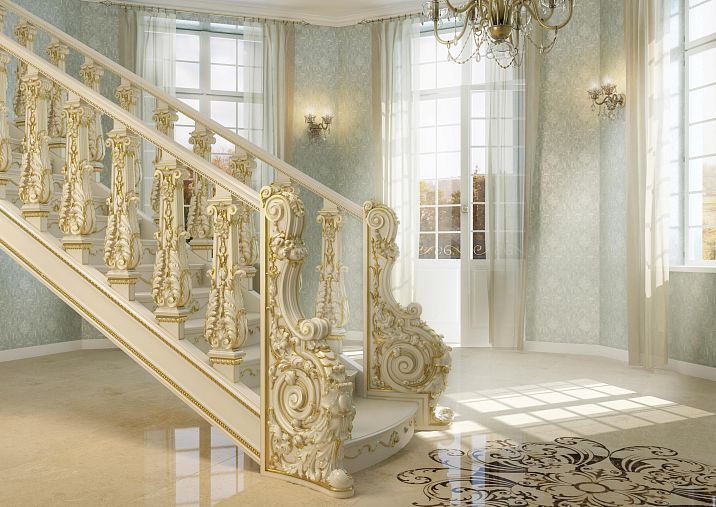
Wooden stairs occupy a special place in interior design, both in residential and commercial spaces. They not only serve a practical function, connecting floors, but also become a central design element, imparting elegance, warmth, and a unique character to the space. Masters, possessing deep knowledge of traditional crafts, continuously refine their skills to create items that embody centuries-old traditions and modern technological achievements. This article thoroughly examines the stages of manufacturing wooden stairs, their aesthetic and functional features, as well as the role of each component in creating a unique architectural solution.


Historical and Cultural Foundations of Wooden Stairs




Ancient Traditions and the Significance of Stairs in Culture
A staircase is not merely a structural solution but a symbol of ascent, development, and continuity. Since ancient times, staircases have been architectural elements uniting different levels of homes, palaces, and temples. Ancient masters paid special attention not only to the structural strength but also to its aesthetic component. Carved patterns, complex ornaments, and refined balustrades adorned staircases, transforming them into works of art capable of conveying the spirit of the era and national self-awareness.
In every culture, whether ancient Greek, Roman, or Eastern, staircases held deep symbolic meaning. They were perceived as a path to the divine, symbolizing the transition from earthly to heavenly realms. Modern wooden staircases continue this tradition, bridging the past and present, and becoming an indispensable part of interior design, capable of inspiring and evoking a sense of harmony.
Our factory also produces:


Evolution of Woodworking Technologies
With the development of technology, the techniques for manufacturing wooden staircases have also changed. From the earliest primitive constructions to modern complex compositions, masters have always strived to preserve the natural beauty of wood, emphasizing its unique texture and natural hues. The manual labor of craftsmen, passed down from generation to generation, allows for the creation of items with individual character, where each detail has its own history.
crafting wooden stairsWe manufacture wooden staircasesbecause they know how to harmoniously combine innovative technologies with centuries-old traditions.
Get Consultation
Technological Process of Manufacturing Wooden Stairs
Material Selection and Preparation of Raw Stock
A key stage in creating a high-quality wooden staircase is selecting the raw material. For staircase production, preference is given to tested wood species possessing high strength and resistance to mechanical impacts. Often used are oak, beech, ash, and other heavy species capable of ensuring a long service life of the structure.
Before production begins, the blank is carefully checked for uniformity, absence of cracks and defects. Masters pay special attention to material selection, as its quality directly affects not only the appearance but also the functionality of the future staircase. The preparation process includes preliminary planing, drying, and sanding, which allows achieving an ideal base for further processing.
Construction and Design: Individual Approach to Each Staircase
Each wooden staircase is a unique architectural solution developed taking into account the specifics of the room, functional requirements, and aesthetic preferences of the client. The staircase design includes not only the selection of step and landing shapes but also the development of decorative elements such as handrails, balustrades, and cornices.
Masters work closely with designers to ensure that each staircase harmoniously integrates into the overall interior. Modern trends require not only practicality but also visual expressiveness. That is why, when developing the design, proportions, wood texture, and color are taken into account, allowing to create an item with high aesthetic value.
Important role in creating a beautiful and functional staircase is played by components and finishing elements. For example, special technologies are used to manufacture handrails and balusters, allowing to achieve ideal shape and surface smoothness. For balustrades, both traditional and modern solutions can be used, highlighting the uniqueness of each structure.
Staircase Components
To create a cohesive image of a wooden staircase, various components are used that ensure not only aesthetic appeal but also safe operation.
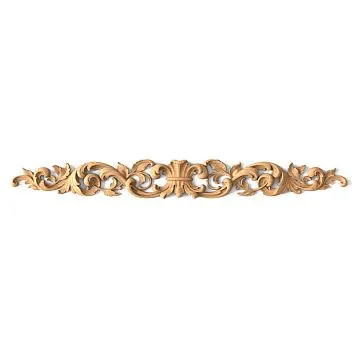
● Staircase Components and Finishing Elements This is a complex set of details including all necessary elements for creating a strong and beautiful structure.
Each detail is developed taking into account functional features and aesthetic requirements, allowing to create an item that withstands the test of time.
Staircase Posts
Special attention is paid to the manufacture of posts, which serve as the basis for attaching handrails and balusters. These elements must be not only strong but also aesthetically pleasing, to harmoniously fit into the overall staircase design.
● Stair Posts They are manufactured using traditional wood processing methods and modern technologies, ensuring their durability and high-quality execution.
Balusters for Staircases
Balusters play a key role in decorating a wooden staircase, ensuring its safety and adding an additional decorative accent. Masters create balusters using intricate carving, allowing to achieve refined and elegant forms.
● Balusters for staircases Become an integral part of the structure, emphasizing the uniqueness and style of the item.
Staircase Assembly and Installation
After completing the preparation and processing of all elements, the assembly of the wooden staircase begins. This stage requires special precision and care, as the quality of installation affects not only aesthetics but also the safety of operation.
Masters assemble the structure using fastening elements that ensure strong connection of all parts. Special attention is paid to joints to avoid gaps that could lead to deformation of the item. Each staircase is assembled strictly according to project documentation, ensuring its durability and stability.
The final installation stage includes mounting the staircase on-site, where final adjustments and checks of all connections are performed. This comprehensive approach ensures flawless product quality, which will serve its owner for many years.
Aesthetic Value of Wooden Staircases in Interior Design
Harmony of Natural Materials and Architectural Forms
A wooden staircase can dramatically transform an interior, adding naturalness and warmth. The natural texture of wood, its variety of shades and unique patterns create an incomparable atmosphere of coziness and elegance. Each staircase crafted by masters becomes a compositional center, unifying various interior elements into a harmonious whole.
In modern interiors, wooden staircases are used in both classic and contemporary designs. They perfectly complement minimalist and eclectic solutions, adding depth and individuality to the space. That is why designers often recommend using handcrafted items, and masters confidently state:We manufacture wooden staircasesbecause they are able to highlight the style and character of any room.
Effect of Nature's Presence in Interior Design
Natural wood possesses a unique ability to create a sense of closeness to nature even in urban conditions. A wooden staircase, crafted with all technologies and artistic traditions, can bring a special harmony into the interior, offering warmth and tranquility. Such items become a kind of bridge between nature and modern lifestyle, reflecting values of sustainable development and eco-friendliness.
Items made from natural solid wood do not require additional artificial embellishments — their natural beauty speaks for itself. Each texture, each grain on the wood surface tells its own story, making the item unique. That is why many interior owners who value naturalness and ecological purity prefer wooden staircases crafted with love and attention to detail.
Examples of Successful Projects and Inspiring Solutions
In recent years, there has been growing interest in unique design solutions based on natural materials. Many projects using wooden staircases demonstrate how traditional craftsmanship can harmoniously combine with modern trends. Such solutions not only decorate interiors but also become true works of art capable of inspiring and delighting the eye.
For example, in private residences, wooden staircases often become a central element, connecting different levels of the dwelling and creating an open-space effect. In commercial spaces such as restaurants, offices, and hotels, wooden staircases convey prestige and status, highlighting the uniqueness of the establishment and its commitment to quality.
Prospects for the development of craftsmanship in the field of wooden staircases
Introduction of innovative technologies and improvement of quality
Modern trends in wood processing and furniture manufacturing dictate the need for continuous technological refinement. The latest developments in materials science, digital modeling, and production automation enable artisans to achieve previously unattainable levels of craftsmanship. As a result, wooden staircases become even stronger, more aesthetically pleasing, and more functional.
The integration of innovative methods not only enhances manufacturing precision but also significantly expands the creative possibilities for artisans. New tools and software allow for the development of intricate decorative elements, transforming each staircase into a unique work of art. In the face of fierce market competition, specialists confidently assertWe manufacture wooden staircases, continuing traditions while simultaneously opening new horizons for artisanal creativity.
Ecological and social responsibility
One of the key directions for the development of modern craftsmanship is ecological responsibility. Using wood from sustainable sources, minimizing production waste, and implementing eco-friendly technologies have become primary criteria defining product quality. This approach not only contributes to preserving natural resources but also enhances consumer trust in the product.
Moreover, artisans’ social responsibility is demonstrated through support for traditional methods and preservation of cultural heritage. Masters working with natural materials pass on their knowledge to new generations, promoting the development of crafts and ensuring the continuity of experience. This is especially important in the context of globalization, where mass production often displaces individual approaches and unique traditions. Therefore, specialists confidently assertWe manufacture wooden staircases, demonstrating their commitment to both innovation and the preservation of cultural heritage.
Market for custom-made and exclusive products
Modern consumers increasingly prefer exclusive items crafted with a personalized approach. Handmade wooden staircases become not only functional interior elements but also reflections of the owner’s personal style. Custom orders allow for consideration of all design nuances, dimensions, and room-specific features, making each item unique.
This approach contributes to the growth of niche markets, where quality, durability, and originality are valued. Exclusive items gain particular significance, becoming objects of collection and family pride passed down from generation to generation. In this context, artisans continue confidently assertingWe manufacture wooden staircases, offering solutions capable of meeting the demands of the most discerning clients.
Conclusion: Eternal pursuit of perfection and harmony
Manufacturing wooden staircases is a unique blend of ancient traditions and modern technologies, enabling the creation of items that not only serve a utilitarian function but also become focal points of interior aesthetic perception. Masters, possessing deep knowledge, skill, and creative vision, infuse each project with soul, transforming ordinary wood into a work of art capable of conveying warmth, comfort, and character.
Modern craftsmanship is oriented toward quality, ecological safety, and individualized approaches, enabling the creation of items meeting the highest standards. Each wooden staircase is the result of meticulous work, careful material selection, thoughtful design, and innovative technologies. That is why specialists proudly assertWe manufacture wooden staircases, confident that their work can transform any interior, infusing it with the spirit of tradition and the latest achievements in modern wood processing.
The future of craftsmanship based on natural wood depends on continuous technological development, preservation of cultural heritage, and creative exploration. In today’s dynamic market, where every detail and the uniqueness of the item are valued, wooden staircases continue to occupy a central place in interior design, symbolizing quality, durability, and aesthetic perfection.
May this tradition, uniting centuries of knowledge, craftsmanship, and innovation, continue to inspire and delight, offering people the feeling of warmth, comfort, and harmony in every home. Artisans tirelessly work to ensure that each item becomes a reflection of their love for natural materials and their pursuit of perfection, and their voice resounds loudly and confidently:We manufacture wooden staircases.
Thus, the art of crafting wooden staircases remains alive and dynamic, capable of uniting tradition and innovation, functionality and aesthetics, creating unique solutions that will delight the eye and serve faithfully for generations. Every project, every new collection — is the result of an unyielding pursuit of perfection, where every detail holds significance, and each item tells a story filled with the spirit of the times, respect for nature, and a deep appreciation for beauty.