Article Contents:
- Genetics of the Material: What Makes Wood Alive
- Cellular Structure as the Basis of Beauty
- Uniqueness of Natural Grain
- Psychophysics of Perception: How Wood Affects Humans
- Tactile Therapy
- Visual Impact
- Variety of Species: Character in Every Ring
- Broadleaf Species: Nobility of Broadleaf Trees
- Coniferous Species: Fragrance of Northern Forests
- Technological Revolutions in Wood Processing
- Modern Drying Methods
- Innovative Surface Treatment Methods
- Aesthetic Directions: From Classicism to Futurism
- Neoclassicism: Traditions in Modern Interpretation
- Organic Modernism: Biomorphic Forms
- Scandinavian Functionalism: Philosophy of Simplicity
- Functional Classification of Wooden Products
- Furniture: Symphony of Form and Function
- Decorative Elements: Art in Details
- Architectural elements
- Technical specifications and quality standards
- Physical and Mechanical Properties
- Humidity Regime
- Ecological aspects and sustainable development
- Carbon Cycle
- Certification Programs
- Innovations in Design and Production
- Hybrid Technologies
- Integration of electronic systems
- Russian traditions of wooden architecture
- European School
- Eastern Traditions
- Maintenance and Durability
- Preventive maintenance
- Restoration and renewal
- Psychological aspects of selection
- Status component
- Emotional attachment
- Investment attractiveness
- Market Value
- Liquidity
- Trends of the Future
- Biotechnologies
- Digital technologies
- Personalization
- Conclusion: the choice that defines your lifestyle
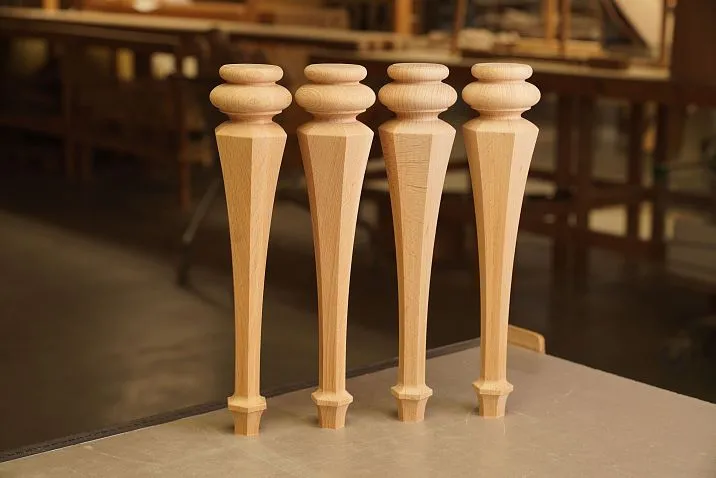
There are materials that speak to us in the language of millennia. There are creations that carry the breath of living nature. Wooden Products They embody the magic of transformation — from seed in the earth to a work of art in your home. Each strand of wood carries the memory of growth years, of seasonal changes, of the strength of roots reaching for water, and of crowns striving toward the sun.
In our rapidly changing world, where synthetics often replace authenticity and mass production undermines individuality, natural wood remains an unchanging symbol of authenticity. It is a material that doesn't merely exist in space, but shapes it, forms the atmosphere, defines the character of interiors, and, most importantly, influences our inner state.
Why does a person instinctively reach for wood? Why does touching a wooden surface simultaneously soothe and inspire? The answers lie deep within our genetic code, in memories of a time when the forest was our home, protector, and provider.


Material Genetics: What Makes Wood Alive




Cellular Structure as the Basis of Beauty
The uniqueness of natural wood lies in its cellular structure — millions of microscopic tubes that once transported sap from roots to leaves. This structure determines not only the mechanical properties of wood but also its aesthetic qualities.
Annual rings tell the story of each year of the tree's life. Wide rings indicate favorable growth conditions, while narrow rings signify dry years or harsh winters. This chronicle of time, captured in the wood, makes each piece unique — it is impossible to find two absolutely identical pieces of wood.
Our factory also produces:


Energy of Living Material
Modern science confirms what our ancestors intuitively understood: wood retains the energy of life even after being cut down. The crystalline structure of cellulose continues to interact with the surrounding environment, regulating humidity, absorbing sound, and creating a special microclimate.
Phytoncides — volatile organic compounds released by wood — possess antibacterial and antiviral properties. This is a natural defense mechanism that nature has built into the structure of wood. Coniferous species — cedar, pine, larch — are especially rich in phytoncides.
Get Consultation
Psychophysics of Perception: How Wood Affects Humans
Tactile Therapy
Touching a natural wooden surface activates numerous nerve endings in the skin. These signals are transmitted to the brain and stimulate the production of serotonin — a neurotransmitter responsible for good mood and a sense of well-being.
The temperature of a wooden surface is always close to human body temperature, creating a sense of comfort. Unlike metal or plastic, wood feels "warm" to the touch even in a cool room. This feature makes wooden items especially pleasant to use.
Visual Impact
The texture of natural wood possesses special optical properties. Natural patterns soothe the nervous system, reduce stress levels, and improve attention concentration. The fractal structure of wood fibers activates the same brain regions as viewing natural landscapes.
The color palette of natural wood falls within the spectrum most favorable to the human eye. Warm tones — from light beige to deep brown — create a sense of coziness and security.
Variety of Species: Character in Every Ring
Broadleaf Species: The Grandeur of Broadleaf Trees
Oak stands apart among broadleaf species. Its density reaches 700 kg/m³, ensuring exceptional strength and durability. High tannin content gives oak wood a distinctive aroma and natural resistance to decay. Radial rays create a characteristic "tiger-striped" pattern, especially pronounced with certain cutting methods.
American Black Walnut is an aristocrat among wood species. Its unique feature is a gradient transition from light sapwood to dark heartwood. This natural play of tones creates unique decorative effects. Average density (around 650 kg/m³) ensures excellent workability with high strength.
Ash is attracted by its contrasting texture and high mechanical properties. The wood exhibits high impact resistance and the ability to bend without losing strength. Light ash tones visually expand space, creating a sense of lightness.
Coniferous Species: The Aroma of Northern Forests
Siberian Larch is rightfully considered the queen among coniferous species for producing durable items. High density (up to 800 kg/m³ when dry) combines with exceptional resistance to atmospheric effects. Natural resins and gums make larch practically immune to biological damage.
Siberian Cedar possesses unique aromatic properties. Essential oils contained in the wood create natural protection against insects and have a sedative effect. Relatively low density is compensated by high natural preservative content.
Technological Revolutions in Wood Processing
Modern Drying Methods
Vacuum drying allows reducing wood moisture to the required level several times faster than traditional methods. At the same time, the natural structure of the wood is preserved, preventing cracking and warping. The temperature regime is controlled to the degree, ensuring uniformity of the process.
High-frequency drying uses electromagnetic field energy to heat wood from within. This method is especially effective for thick logs, where traditional convective drying may lead to internal stresses.
Innovative Surface Treatment Methods
Thermal modification at 160-230°C radically changes wood properties. The process occurs in a steam environment without oxygen access, preventing combustion. The result is a 50-80% increase in dimensional stability, a dramatic increase in biostability, and the acquisition of noble chocolate tones.
Impregnation with natural oils and waxes under pressure ensures deep penetration of protective substances into the wood. Modern formulations based on linseed oil, beeswax, and carnauba wax create a breathable coating that highlights the natural beauty of the wood.
Combine the strictness of classical proportions with modern technological solutions. The golden ratio determines the main dimensions, while computer modeling ensures mathematical precision of forms.
Neoclassicism: traditions in modern interpretation
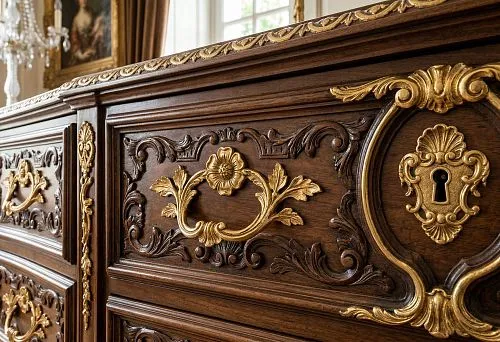
Neoclassical Wooden Products Decorative elements are machined on CNC routers, enabling the reproduction of the most complex classical ornaments with perfect accuracy. The final finishing is done manually by master restorers.
Organic Modernism: Biomorphic Forms
Organic modernism draws inspiration from natural forms — the bends of branches, the structure of leaves, the flow of water. Parametric design allows creating complex curved surfaces that cannot be manufactured using traditional methods.
Layered milling technology allows creating volumetric compositions from multiple thin layers of wood. Each layer is milled separately, then glued together to form a monolithic structure of complex shape.
Scandinavian Functionalism: Philosophy of Simplicity
The Scandinavian approach to design emphasizes functionality and the natural beauty of the material. Simple forms, light tones, minimal decoration — these principles create products that harmoniously fit into any modern interior.
A distinctive feature of Scandinavian style is the use of texture contrasts. Smooth polished surfaces combine with rough ones, creating tactile variety. Oil finishes preserve the natural properties of wood, allowing it to 'breathe'.
A distinctive feature of Scandinavian style is the use of contrasting textures. Smooth, polished surfaces combine with rough-hewn ones, creating tactile variety. Oil-based finishes preserve the natural properties of wood, allowing it to 'breathe'.
Functional Classification of Wooden Products
Furniture: Symphony of Form and Function
Solid wood cabinetry represents complex engineering structures, where each detail serves a specific function. Modern cabinets, chests, and shelves combine classical joinery with innovative hardware.
Wooden tables are not just work surfaces — they are centers of social activity. Family discussions, business negotiations, and creative processes take place around wooden tables. A solid tabletop creates a sense of stability and solidity.
Chairs and armchairs require special attention to ergonomics. Curved backs replicate the natural curves of the spine, ensuring comfort during prolonged sitting. Traditional mortise-and-tenon joints withstand dynamic loads for decades.
Decorative Elements: Art in Details
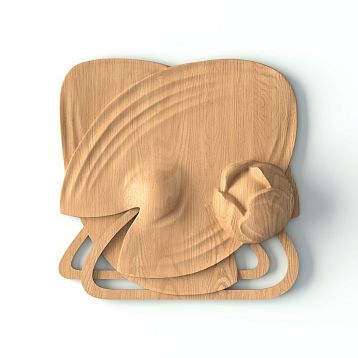
Carved panels transform walls into works of art. Modern technologies allow creating volumetric compositions of any complexity — from geometric ornaments to realistic images. Multi-level carving creates play of light and shadow, adding dynamism to the interior.
Shelves are not only functional storage elements but also a way to organize space. Console shelves create a floating effect, while built-in shelves integrate into the room’s architecture. Different shelf thicknesses and depths allow creating expressive compositions.
Architectural elements
Solid wood staircases are engineering structures requiring precise calculations and high craftsmanship. Each step must withstand a load of up to 400 kg, while handrails ensure safety during ascent and descent.
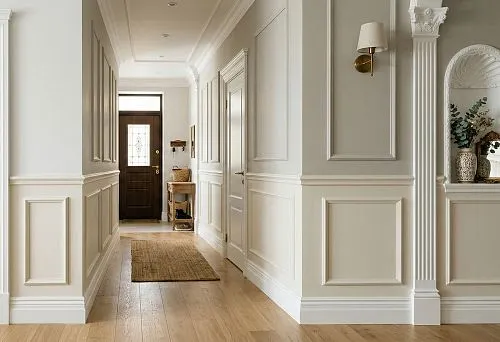
Solid wood doors create the first impression of a home. Massive paneled constructions emphasize the solidity and status of the owner. Modern hardware — hidden hinges, silent locks, and door closers — ensures comfortable use while preserving classic aesthetics.
Technical Specifications and Quality Standards
Physical and mechanical properties
The compressive strength of wood along the grain ranges from 40-60 MPa for most species, comparable to some concrete grades. Tensile strength reaches 100-140 MPa, exceeding many metals' values while being significantly lighter.
The modulus of elasticity of wood varies from 8000 to 15000 MPa depending on species and direction of load. This property determines the material's ability to resist deformation under load.
Moisture Regime
Equilibrium moisture content of wood in heated rooms is 8-12%. Maintaining this level is critically important for product stability. Moisture fluctuations exceeding 2% may lead to cracking or deformation.
The swelling coefficients of different species vary significantly. The most stable are oak, walnut, and cherry. Less stable are beech, maple, and birch. These differences are taken into account during product design and selection of jointing methods.
Ecological aspects and sustainable development
Carbon Cycle
Wood is the only building material that absorbs carbon dioxide during growth. Each cubic meter of wood contains approximately 0.9 tons of CO2 extracted from the atmosphere. Using wooden products contributes to long-term carbon sequestration.
The lifespan of wooden products significantly exceeds synthetic analogs. Quality solid wood furniture lasts 50-100 years, whereas products made of MDF or plastic require replacement every 10-15 years.
Certification Programs
The FSC (Forest Stewardship Council) system ensures traceability of wood from forest to finished product. Strict standards include preserving biodiversity, respecting indigenous peoples' rights, and ensuring the economic viability of forestry.
PEFC (Programme for the Endorsement of Forest Certification) — an alternative certification system, especially popular in Europe. It is based on national standards for sustainable forestry, adapted to local conditions.
Innovations in design and production
Hybrid Technologies
Combining traditional joinery techniques with modern technologies opens up new possibilities. Details machined on CNC machines are hand-finished, giving them uniqueness while preserving geometric precision.
Laminated timber allows creating large-scale constructions without limitations imposed by the size of solid wood. Different species are used depending on the functional requirements of each part of the item.
Integration of Electronic Systems
Modern wooden items may include electronic components — lighting, charging devices, sensors. Hidden wiring is integrated into the structure during manufacturing, without compromising the aesthetics of the natural material.
Smart home systems can control lighting of wooden furniture, create lighting scenes, and respond to human presence. Meanwhile, all electronics are concealed within the structure and do not affect the exterior appearance.
Regional characteristics and cultural traditions
European School
German woodworking tradition is renowned for precision and reliability of construction. Use of advanced technologies combines with attention to detail. Special attention is paid to eco-friendly production — only water-based varnishes and adhesives are used.
Italian masters bring artistic refinement and elegance to wooden items. Rich decorative traditions find expression in intricate carved compositions, inlays, and patinas. Each item is a work of art.
Scandinavian school emphasizes functionality and connection with nature. Simple forms, light-colored woods, and minimal surface treatment create an authentic Nordic style.
Eastern traditions
Japanese wabi-sabi aesthetics find beauty in imperfection and naturalness. Traditional joinery techniques without nails (sashimono) create structures of exceptional strength and beauty.
Chinese school is known for using exotic species and complex multi-component constructions. Traditional furniture includes numerous hidden compartments and transformable elements.
Care and longevity
Preventive Maintenance
Regular care for wooden items includes maintaining optimal climate in the room. Air humidity should be 40-60%, temperature — 18-25°C. Sudden changes in these parameters may cause deformation.
Surface cleaning is performed with a soft dry cloth. Occasionally, a slightly damp cloth can be used, followed by drying thoroughly. Use of aggressive cleaning agents is not permitted.
Restoration and renewal
Restoration capability is one of the main advantages of natural wood. Minor scratches and scuffs can be removed by local sanding and applying a protective coating. More serious damage requires professional intervention.
Complete re-coating is recommended every 10-15 years depending on usage intensity. The process includes removing old coating, sanding, and applying new protective finishes.
Psychological Aspects of Choice
Status component
Wooden Products Traditionally associated with prosperity and refined taste. This perception formed historically, when high-quality wooden furniture was accessible only to the aristocracy.
In the modern world, choosing natural wood demonstrates ecological awareness and understanding of true values. It is a choice made by people who prefer quality over quantity, longevity over short-term savings.
Emotional attachment
Wooden items are capable of creating a deep emotional connection with their owner. Each item has its own history and character. The possibility of inheritance makes wooden furniture a symbol of family traditions and continuity.
Patina of time does not damage wooden items, but enhances them. Minor scratches and wear tell the story of use, making the item even more valuable to the owner.
Investment Appeal
Market Value
Quality items made from rare wood species demonstrate steady growth in value. Antique furniture from the 18th-19th centuries is traded at auctions for sums many times exceeding the original cost.
Modern furniture by renowned masters also shows investment attractiveness. Limited editions, unique craftsmanship techniques, rare wood species — all these are factors contributing to value growth.
Liquidity
The market for quality wooden furniture is characterized by high liquidity. Demand consistently exceeds supply, especially for items made from valuable wood species. Auction houses specialize in selling antique and designer furniture.
Future trends
Biotechnology
Genetic modification of trees will allow obtaining wood with specified properties — increased density, resistance to pests, unique colors. This will open new opportunities for designers and craftsmen.
Accelerated tree growth using biostimulants will reduce the cycle from planting to harvesting from decades to several years. At the same time, the quality of the wood will not be inferior to traditionally grown wood.
Digital technologies
Blockchain technologies will ensure full traceability of wood origin. Each tree will receive a digital passport that will accompany it from planting to finished product.
Artificial intelligence optimizes cutting processes, minimizing waste and maximizing use of each cubic meter of wood. Machine learning will help predict material behavior and adjust technological processes.
Personalization
3D scanning will allow creating items precisely matching the user's anatomical features. Custom furniture will ensure maximum comfort and ergonomics.
Augmented reality technologies will allow customers to 'try on' furniture in their interiors before production. The client will be able to see how the item will look in their home and make necessary adjustments.
Conclusion: The Choice That Defines Lifestyle
In a world where artificial is often mistaken for natural, and mass-produced for unique, the choice of items made from natural wood becomes a philosophical statement. It is a choice in favor of authenticity over imitation, quality over quantity, durability over disposability.
Each item made from natural wood carries a particle of living nature — the memory of growth years, the energy of earth and sun, the wisdom of time. This is not just furniture or decor, but companions of our lives, silent witnesses of important moments, keepers of family traditions.
Modern technologies do not replace traditional craftsmanship, but enhance it. CNC machines perform precise rough shaping, but the soul of the item is infused by the hands of the craftsman. Innovative finishes protect the wood without hiding its natural beauty. Scientific research confirms what our ancestors intuitively knew — wood positively affects humans.
The ecological aspect of choosing natural wood gains special relevance in the context of global climate change. Each item made from certified wood is a contribution to forest conservation, support for sustainable development, and care for future generations.
The investment attractiveness of quality wooden items is confirmed by centuries of practice. They do not merely preserve, but also increase their value. Antique furniture is traded for sums many times exceeding its original cost, indicating recognition of them as works of art.
The psychological impact of natural wood on humans is difficult to overestimate. It creates a special atmosphere in the home — warm, cozy, harmonious. In such a home, one wants to spend time, entertain guests, raise children. Wood does not merely surround us — it cares for our emotional well-being.
The future of wooden items is linked to the synthesis of traditions and innovations. Biotechnology will allow growing trees with desired properties. Digital technologies optimize production processes. Personalization will make each item a unique reflection of the owner's personality.
Regional traditions do not disappear, but enrich themselves through global exchange of knowledge and techniques. Japanese precision combines with Italian artistry, Scandinavian functionality with Eastern philosophy. The result — items embodying the best achievements of global craftsmanship.
Caring for wooden items is not a burdensome obligation, but a ritual connecting us with the material. Regular attention to wooden items extends their lifespan and deepens the emotional bond with them.
The company STAVROS embodies the philosophy of quality and craftsmanship in every created item. By combining traditional techniques with modern technologies, STAVROS creates items that become a source of pride for owners and objects of admiration for guests.
STAVROS masters understand that working with natural wood is not merely a profession, but a calling. Every detail is created with love and care, and each item carries a piece of the master's soul. The result — items that serve not just years, but generations.
Choosing STAVROS means choosing not just a furniture manufacturer, but a keeper of traditions and a creator of the future. STAVROS is a guarantee that your wooden items will become not just functional objects, but works of art that will delight you and your descendants for many years.