Article Contents:
- Solid wood: eternal classic of furniture art
- Wood species and their characteristics
- Advantages of solid wood
- Disadvantages and limitations
- MDF: modern material with outstanding properties
- Production technology and composition
- Universality of application
- Production Technologies
- Laminated particle board: optimal price-to-quality ratio
- Structure and production of Laminated Particle Board
- Advantages of Laminated Particle Board in furniture production
- Usage specifics
- Specifics of choosing materials for kitchen furniture
- Requirements for kitchen materials
- Optimal solutions for the kitchen
- Innovative composite materials in furniture production
- Plastics and acrylic materials
- Metal elements in furniture
- Ecological aspects of choosing furniture materials
- Classification by ecological safety
- Impact on Health
- Decorative elements and hardware: finishing touches
- Furniture Legs and Supports
- Moldings and decorative inserts
- Technological aspects of material processing
- Surface Treatment
- Joints and Fasteners
- Material selection depending on furniture type
- Cabinet Furniture
- Tables and Work Surfaces
- Soft furniture
- Stylistic specifics of material selection
- Classical styles
- Modern styles
- Eco-styles
- Economic Aspects of Material Selection
- Budget-friendly solutions
- Mid-price segment
- Premium segment
- Care and use of furniture made from different materials
- Care for Wooden Furniture
- Care for composite materials
- Trends in furniture materials development
- Ecology as a priority
- Technological Innovations
- Personalization and customization
- Practical recommendations for choosing materials
- Operating conditions analysis
- Budget Compatibility
- Aesthetic Preferences
- Conclusion
- Frequently Asked Questions
The question of What is better for making furnitureConcerns everyone who contemplates creating a quality and long-lasting interior. In the modern world of furniture production, there are many materials, each with its own unique characteristics, advantages, and disadvantages. The right choice of material determines not only the appearance of the future product, but also its functionality, durability, ecological safety, and, of course, cost.
The modern furniture industry offers a wide range of solutions – from traditional solid wood to innovative composite materials. Each material has its own area of application and specific usage characteristics. Understanding these nuances will help make an informed choice and create furniture that will delight its owners for many years.


Tree Array: Eternal Classic of Furniture Art
When the topic comes up, what materials are used to make wooden furniturethe first thing that comes to mind is solid wood. This material has served humanity for millennia in furniture making, and remains the benchmark of quality and prestige.




Tree species and their characteristics
Different types of wood have unique properties that determine their use in furniture production. Oak is renowned for its incredible strength and durability; its dense structure resists mechanical damage, and its noble wood grain makes each piece unique. Beech stands out for its high density and excellent workability, allowing the creation of items with complex shapes.
Coniferous species, such as pine and spruce, are attractive for their accessibility and ease of processing. They are ideal for creating furniture in Scandinavian style or for cottages and country homes. Ash impresses with its elasticity and beautiful texture, while walnut creates an atmosphere of luxury due to its noble dark tone.
Our factory also produces:


Advantages of solid wood
Solid wood possesses several indisputable advantages. First, it is absolutely eco-friendly — the material does not emit harmful substances; moreover, it can regulate humidity in a room, creating a comfortable microclimate. Second, furniture made of solid wood has exceptional strength and longevity — well-made wooden furniture can last for centuries, passing from generation to generation.
The aesthetic qualities of solid wood are unique. Each item is unique due to the distinctive wood grain pattern that formed over years of tree growth. Natural texture creates a sense of warmth and coziness that cannot be replicated with artificial materials.
Get Consultation
Disadvantages and limitations
However, solid wood has its drawbacks. The main one is the high cost of quality wood and its processing. Natural wood requires special care, is sensitive to changes in humidity and temperature, and may warp or crack under improper usage conditions.
MDF: a modern material with outstanding characteristics
MDF (fine particle board) is rightfully considered one of the best materials for modern furniture. This material is created by pressing the finest wood fibers using environmentally safe binders, such as lignin and paraffin.
Production technology and composition
MDF production is based on advanced wood processing technologies. Wood fibers are ground into the finest particles, then mixed with natural binders and pressed under high temperature and pressure. The result is a uniform material with outstanding performance characteristics.
Universality of Application
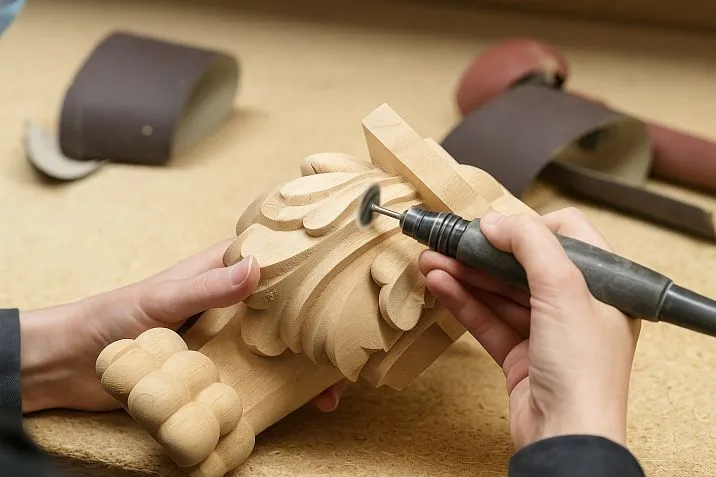
MDF demonstrates exceptional versatility in application. The question of whether, What furniture fronts are made ofis often resolved in favor of MDF due to its ability to undergo complex processing. The material is excellent for milling, allowing the creation of elegant carved elements, decorative profiles, and intricate decorative details.
It is especially important to note the eco-friendliness of MDF. Unlike some other composite materials, quality MDF contains virtually no formaldehyde or other harmful substances, making it safe for use in children’s rooms and bedrooms.
Operational characteristics
MDF has high moisture resistance, which is especially important when manufacturing kitchen furniture. The material is resistant to mold and fungi, does not deform under changes in air humidity. The MDF surface is perfectly smooth, allowing for various finishes — from PVC film to natural veneer or paint.
Laminated particle board (Laminated Particle Board, LDP) remains one of the most popular materials in the furniture industry due to its optimal price-to-quality ratio. Especially often, the question of whether,
arises, and LDP takes the leading position here. What is cabinet furniture made of?, and MDF here holds the leading position.
Structure and production of LDP
LDP is created by pressing wood particles with the addition of binding resins, followed by applying a laminating coating. This coating can imitate various types of wood, stone, or have a solid color.
Advantages of LDP in furniture production
The main advantage of LDP is its affordable cost while maintaining relatively high performance characteristics. The material has good strength, is resistant to scratches and abrasion due to the laminated coating. A wide range of decorative options allows creating furniture in any style — from classic to ultra-modern.
LDP is easy to process and holds fasteners well, which is important when assembling cabinet furniture. The material is practically immune to thermal deformation and retains its shape even under significant loads.
Features of use
When working with LDP, special attention should be paid to proper end treatment. Correct edge banding not only improves the appearance of the item but also protects the material from moisture. Modern edge banding materials provide reliable protection and an attractive appearance.
Features of choosing materials for kitchen furniture
The kitchen imposes special requirements on furniture materials. Constant temperature fluctuations, high humidity, exposure to steam and various chemicals require a special approach to material selection. The question of whether, kitchen furniture is made ofhas its specific nuances.
Requirements for kitchen materials
Kitchen furniture materials must have increased moisture resistance, resistance to temperature fluctuations, ease of maintenance, and hygiene. They must not absorb odors, not deform under steam exposure, and withstand frequent wet cleaning with cleaning agents.
Optimal solutions for the kitchen
For kitchen furniture cabinets, the optimal choice will be moisture-resistant MDF or laminate. These materials provide the necessary structural strength at an affordable cost. For facades, it is better to choose MDF with enamel or PVC film coating — such surfaces are easy to clean and retain their original appearance for a long time.
The countertop requires special attention. Here, you can use artificial stone, natural stone, special high-strength laminate, or solid wood with appropriate protective treatment.
Innovative composite materials in furniture manufacturing
The modern furniture industry is actively developing, offering new materials and technologies. Composite materials open up wide possibilities for creating furniture with unique characteristics.
Plastics and acrylic materials
High-quality plastics and acrylic materials are increasingly used in the production of modern furniture. They possess excellent aesthetic qualities, are resistant to moisture, do not fade in sunlight, and are easy to maintain. Glossy acrylic surfaces create a sense of depth and visually expand the space.
Metallic elements in furniture
Metal in furniture manufacturing is used not only for creating frames but also as a decorative element. Modern technologies allow creating metallic parts of any shape and size, with various coatings — from classic chrome to trendy matte black.
Ecological aspects of choosing furniture materials
In the modern world, the ecological nature of materials is becoming an increasingly important factor in selection. Consumers are increasingly asking about the impact of furniture on health and the environment.
Classification by ecological safety
Materials can be divided into several categories based on their ecological safety. The safest materials are solid wood and quality MDF produced without formaldehyde resins. Laminate may contain some formaldehyde, so it is important to choose materials with appropriate safety certifications.
Impact on Health
Quality furniture materials should not emit harmful substances during use. This is especially important when selecting materials for children's rooms and bedrooms. Natural materials are not only safe but also contribute to creating a healthy microclimate in the room.
Decorative elements and hardware: finishing touches
Choosing the main material is only the beginning. Decorative elements and hardware play an equally important role in creating quality and beautiful furniture. For those interested, where to buy furniture decor, it is important to understand that high-quality decorative elements can dramatically change the appearance of the item.
Furniture legs and supports
Furniture legs They play not only a functional but also an aesthetic role. Properly selected legs can turn simple furniture into a work of art. Wooden legs of various shapes — from simple cylindrical to intricately carved — allow creating furniture in any style.
The role of legs is especially important in soft furniture. They not only raise the sofa or chair above the floor, ensuring better ventilation and easier cleaning, but also give the item a finished look. The height and shape of the legs affect the perception of furniture proportions and the overall interior style.
Moldings and decorative appliqués
The question of where to buy moldings for decoration, relevant for those who want to add elegance to their furniture. Moldings allow creating complex decorative compositions, visually separating surfaces, and adding depth to the design.
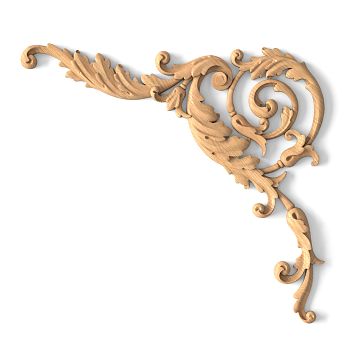
Decorative appliqués made of natural wood can transform a simple cabinet into an elegant piece in a classic style. Hand-carved elements make each item unique and irreplaceable.
Technological aspects of material processing
The quality of finished furniture depends not only on the choice of material but also on the technology of its processing. Modern technologies allow fully realizing the potential of each material.
Surface processing
Proper surface treatment ensures not only an aesthetic appearance but also the longevity of the item. Sanding, priming, and applying protective coatings — each stage is important for achieving the ideal result.
MDF allows creating perfectly smooth surfaces that can be covered with any materials — from natural veneer to modern 3D-effect films. Laminate requires special attention to end grain processing to prevent moisture ingress.
Joints and fasteners
The strength of furniture largely depends on the quality of joints. Different materials require different approaches to fastening. Solid wood is traditionally joined using carpentry joints — dowels, grooves, and glue. Composite materials are more often joined using special fasteners.
Material Selection Depending on Furniture Type
Different types of furniture require different material specifications. Understanding these characteristics will help make the right choice.
Cabinet Furniture
For built-in furniture—cabinets, chests, and sideboards—compressive and bending strength are crucial. 16-18 mm thick MDF provides the necessary strength at an affordable price. MDF is also used to create more refined facades with routed details and decorative elements.
Tables and work surfaces
Countertops require special strength and resistance to mechanical impacts. Solid wood with appropriate finishing, artificial stone, or special types of MDF—each material has its advantages for specific tasks.
Soft furniture
The frame of soft furniture must ensure structural reliability while maintaining minimal weight. Traditionally, birch or beech solid wood is used; modern technologies offer composite materials with improved properties.
Stylistic Features of Material Selection
Material selection is largely determined by interior design style. Each style has its own preferences regarding materials and their finishing.
Classic styles
Classic interiors require the use of natural materials or their high-quality imitations. Solid wood of premium species, MDF with natural veneer finish, and wooden decorative elements—all create an atmosphere of luxury and sophistication.
Modern Styles
Modern styles—minimalism, high-tech, loft—allow for extensive use of composite materials. Glossy surfaces, metallic elements, and unusual textures help create a current, modern interior.
Eco-Styles
Eco-styles require maximum use of natural materials. Solid wood with minimal processing, natural textures and colors create a sense of closeness to nature.
Economic aspects of material selection
Material costs significantly affect the final price of furniture. Understanding the price-to-quality ratio will help make the optimal choice.
Budget Solutions
MDF remains the optimal choice for budget furniture. With proper design and quality finishing, it is possible to create attractive and functional furniture at minimal cost.
Mid-price segment
MDF occupies a mid-price segment, offering significantly better properties compared to MDF at a moderate price increase. This is the optimal choice for quality mid-range furniture.
Premium Segment
Solid wood of premium species remains a material for premium furniture. High cost is offset by exceptional aesthetic and functional properties, as well as the prestige of ownership.
Care and Maintenance of Furniture Made from Different Materials
Proper care extends the life of furniture and preserves its original appearance. Different materials require different care approaches.
Care for wooden furniture
Furniture made from solid wood requires special attention. Regular treatment with specialized products, maintaining optimal air humidity, and protection from direct sunlight help preserve the beauty of natural wood for many years.
Care for Composite Materials
MDF and MDF are less demanding in care. Regular wet cleaning, use of mild detergents, and timely removal of stains ensure a long service life.
Trends in furniture materials development
The furniture industry is constantly evolving, offering new materials and technologies. Understanding key trends will help make choices aligned with future development.
Ecological priority
Growing attention to ecology stimulates the development of new eco-friendly materials. Manufacturers actively work on creating materials free of harmful substances, using renewable raw materials.
Technological Innovations
New processing technologies allow creating materials with improved properties. Nanotechnologies, new types of coatings, and innovative processing methods open up new possibilities.
Personalization and Customization
Modern consumers increasingly demand customized solutions. Materials and technologies are developing in the direction of maximum customization while maintaining economic efficiency.
Practical Recommendations for Material Selection
Material selection for furniture should be based on a comprehensive analysis of multiple factors. Let’s consider the main criteria that will help make the right choice.
Analysis of operating conditions
The first step should be analyzing the conditions in which the furniture will be used. For kitchens and bathrooms, moisture resistance is critical; for children’s rooms, ecological safety is essential; for hallways, resistance to mechanical impacts is key.
Budget Compatibility
Defining a budget will help narrow down possible options. It is important to consider not only the cost of the material, but also expenses for processing, hardware, and installation.
Aesthetic Preferences
The material should match the overall interior style and personal preferences. It is important to consider not only current trends but also the long-term relevance of the chosen solution.
Conclusion
The question of which material is better for furniture does not have a universal answer. The choice of material depends on many factors: the purpose of the furniture, usage conditions, budget, aesthetic preferences, and personal priorities. Each material has its advantages and disadvantages, its area of application, and specific usage characteristics.
Solid wood remains the benchmark of quality and prestige, but requires significant investment and special care. MDF offers an excellent combination of quality, eco-friendliness, and design possibilities at a moderate cost. Laminate particleboard ensures accessible quality furniture for a wide range of consumers.
It is important to remember that the quality of finished furniture depends not only on the choice of material, but also on the manufacturer's professionalism, the quality of hardware, and adherence to production technologies. The right choice of material, combined with thoughtful design and quality execution, creates furniture that will delight its owners for many years.
The company STAVROS has been specializing for many years in producing high-quality decorative elements and furniture components from various materials. Rich experience and deep understanding of the characteristics of different materials allow us to offer solutions for any task — from budget projects to exclusive premium items.
Frequently asked questions
Which material is better to choose for kitchen furniture?
For kitchen furniture, the optimal choice will be moisture-resistant MDF or laminate particleboard with quality edge treatment. These materials provide the necessary resistance to moisture and temperature fluctuations at an affordable cost.
Is MDF safe for children's furniture?
Quality MDF, produced without formaldehyde resins, is absolutely safe for children's furniture. When choosing, it is important to pay attention to environmental safety certificates.
Is it worth paying more for solid wood?
Solid wood justifies its high cost through exceptional durability, eco-friendliness, and prestige. If the budget allows, it is an investment for decades.
Can furniture made of composite materials be repaired?
MDF and quality laminate particleboard can be repaired, although to a lesser extent than solid wood. Minor damages can be fixed using special repair compounds.
How to choose quality laminate particleboard?
When choosing laminate particleboard, pay attention to the formaldehyde emission class (preferably E1 or E0), board thickness, quality of the laminate coating, and the manufacturer's reputation.
Which decorative elements are better to use for classic furniture?
For classic furniture, carved wooden appliqués, complex-profile moldings, ornate legs, and other elements that emphasize the traditional style are ideal.