Article Contents:
- Anatomy of the Italian Living Room: Components of Perfection
- Soft Furnishings as the Foundation of Comfort
- Solid Furniture: Functionality in Beauty
- Tables: Centers of Attraction
- Stylistic Palette: From Classicism to Futurism
- Classic Traditions in Modern Interpretation
- Neoclassicism: Balance of Tradition and Modernity
- Modern Italian Minimalism
- Eclecticism: bold mixing of styles
- Color Symphony of the Italian Living Room
- Warm Palette: Embraces of the Sun
- Cool Palette: Elegance of Restraint
- Monochromatic Solutions: Elegance of Simplicity
- Italian Material Science: Quality in Details
- Wood: The Living Soul of Furniture
- Leather: Touch of Luxury
- Fabrics: Textile Art
- Hardware: the invisible foundation of quality
- Ergonomics of Italian Comfort
- Soft Furnishings: The Science of Comfort
- Solid Furniture: Functionality in Details
- Lighting as an Ergonomic Element
- Technologies of the Future in Italian Furniture
- Smart Furniture: Integration with Home Automation
- Ecological technologies
- Personalization and customization
- Conclusion: Choosing Between Import and Quality

Entering a living room decorated with Italian living room furnitureYou instantly feel that elusive charm which Italians call 'bella vita' — beautiful life. Here, every sofa invites you to a leisurely conversation, every coffee table tells a story of craftsmanship, and every armchair becomes a throne for moments of inner peace.
The living room is the theater of our lives, the place where the most important scenes unfold: family celebrations, friendly gatherings, romantic evenings. And what decor we choose for this theater not only determines the external impression but also the inner mood of each day. The Italian tradition of creating living room furniture transforms an ordinary space into an arena of aesthetic enjoyment.
But what makes the Italian living room special? Why is this style winning the hearts of connoisseurs around the world? The secret lies in the remarkable ability of Italian craftsmen to combine functionality with beauty, turning every item into a work of art that can not only be admired but also comfortably used every day.


Anatomy of the Italian Living Room: Components of Perfection
Creating the ideal living room in the Italian style requires understanding how different elements interact with each other, creating a harmonious symphony of forms, colors, and textures. This is not merely a collection of beautiful items, but a carefully designed composition where each element plays its unique role.




Soft Furnishings as the Foundation of Comfort
Sofas and chairs in the Italian living room are not merely places to sit, but architectural dominants that define the character of the entire space. Classic Furniture Italian craftsmen approach soft furniture creation with a unique method: here, every cushion and every curve of the backrest is designed not only for aesthetic effect but also for maximum comfort.
Italian sofas are constructed using a multi-layered filling system. The base of natural latex ensures elasticity and durability, the layer of down and feathers adds softness, and the top layer of high-quality foam creates ideal body support. This construction guarantees that the sofa will retain its shape and comfort for decades.
Soft furnishings upholstery deserves special attention. Italian manufacturers use only top-quality natural leather or exclusive fabrics from leading European producers. Leather upholstery undergoes special treatment, making it not only beautiful but also practical: it is resistant to stains, easy to clean, and only becomes more beautiful over time.
Modular systems allow creating unique configurations perfectly suited to the size and specific features of a particular living room. Corner elements, additional sections, and benches can be combined in various ways, creating individual solutions for every home.
Our factory also produces:


Solid Furniture: Functionality in Beauty
Cabinets, chests, and wall units in the Italian living room are not merely storage systems, but elements that shape the architecture of the space. Solid wood furniture Finishes in noble wood species create a sense of solidity, reliability, and connection to nature.
Modern Italian wall units are high-tech systems capable of housing all necessary equipment, books, decorative items, while maintaining an elegant appearance. Hidden cable channels, special compartments for equipment, ventilation systems — everything is thought out in detail.
Lighted display cases transform collections into museum exhibits. LED lighting with adjustable brightness and color temperature allows creating ideal conditions for displaying valuable items, whether antique porcelain or contemporary sculpture.
Chests and sideboards serve not only for storage but also as surfaces for placing decorative elements. Wide countertops made of natural stone or wood become podiums for vases, lamps, paintings, creating multi-level compositions.
Get Consultation
Tables: Centers of Attraction
Coffee tables in the Italian living room are works of art capable of becoming the center of composition. The variety of shapes, materials, and styles allows finding the ideal solution for any interior.
Glass tabletops create a sense of lightness and airiness, especially in small spaces. Tempered glass 12-15 mm thick is safe and practical, and various surface treatments — matte, tinted, decorative patterns — add individuality.
Wooden tables showcase the beauty of natural materials. Tabletops made from a single piece of wood, preserving the natural grain pattern, become unique art objects. Combined solutions, where wood is combined with metal or stone, create interesting visual contrasts.
Transformable tables — the ultimate word in Italian design. They can change height, size, and configuration, transforming from a coffee table to a dining table or work surface. This is especially relevant for modern studio apartments, where the living room serves multiple functions.
Stylistic Palette: From Classicism to Futurism
Italian living room furniture It is impressive in its variety of stylistic directions. Each has its own philosophy, its own aesthetics, its own admirers.
Classic Traditions in Modern Form
The classic style in Italian furniture is not a museum copy of the past, but a living tradition adapted to modern needs. Furniture in Baroque style Today, it retains the opulence and theatricality of historical style, but becomes more practical and functional.
Carved elements are created using modern technologies, allowing for perfect repetition of details and the highest quality of execution. Meanwhile, the final finishing is done by hand by craftsmen, giving each piece individuality.
Gold leaf in modern classic furniture is not only a decorative element but also a protective coating. Modern gilding technologies ensure durability and resistance to external influences, while preserving the noble luster of the metal.
Upholstery fabrics for classic furniture are works of textile art. Jacquard weaves, gold thread embroidery, use of natural silk create luxurious surfaces worthy of palace interiors.
Neoclassicism: Balance of Tradition and Modernity
The neoclassical direction in Italian living room furniture represents an ideal compromise between historical beauty and modern functionality. Here, classical proportions and noble materials are preserved, but decoration is simplified and modern conveniences are added.
The color palette of neoclassicism is more restrained than in historical classicism. Natural wood tones, cream and beige shades, noble gray nuances dominate. Bright accents are used sparingly, like precious stones in a setting.
Modern materials are organically integrated into classic forms. LED lighting is embedded in moldings and trim, creating striking illumination. "Smart home" systems discreetly control lighting, multimedia, and climate without compromising interior aesthetics.
Ergonomics in neoclassical furniture reach the highest level. Each chair is designed with anatomical features in mind, table heights are calculated for comfortable use, and storage systems are organized with maximum efficiency.
Modern Italian minimalism
Italian minimalism is not asceticism, but concentrated elegance. Simple forms are compensated by flawless material quality and craftsmanship. Furniture and interior items This style creates a sense of spaciousness, purity, and tranquility.
The color palette of a minimalist living room is built on nuances of white, gray, and beige. Contrasts are created through different textures: glossy and matte surfaces, smooth metal and rough stone, soft leather and cold glass.
Functionality is elevated to an absolute. Each piece of furniture performs multiple functions: a sofa with built-in tables, a coffee table with storage, a transformable wall unit that adapts its configuration according to needs.
Technologies in minimalist furniture are practically invisible but omnipresent. Wireless charging is built into tabletops, acoustic systems are hidden in walls, projection equipment is concealed in ceiling niches.
Eclecticism: bold mixing of styles
The eclectic approach in Italian furniture allows combining elements from different eras and styles, creating unique, personalized interiors. This is an approach for creative individuals who do not wish to limit themselves to one style.
Antique pieces coexist with ultra-modern solutions, creating interesting temporal dialogues. An 18th-century Baroque chest may stand next to a futuristic carbon chair, while a classical chandelier illuminates avant-garde sculpture.
Color combinations in eclectic interiors are bolder and more unexpected. Gold and silver can coexist in one room, vibrant accent colors complement a neutral base, creating dynamic and lively compositions.
Textures and materials mix in the most unexpected combinations. Rough unpolished stone neighbors polished metal, vintage leather is complemented by modern synthetic materials, creating tactile diversity.
Color symphony of the Italian living room
Color in Italian living room furniture is not merely a decorative element, but a powerful tool for creating mood, atmosphere, and emotional impact. Italian designers masterfully handle the psychology of color, crafting interiors capable of influencing the well-being and mood of inhabitants.
Warm palette: embrace of the sun
Warm tones — golden, terracotta, ochre — create in the living room an atmosphere of coziness and security. These are the colors of Tuscan hills, Roman sunsets, Florentine palaces. They remind one of the sun even on cloudy days, warming the soul and encouraging conversation.
Natural walnut, chestnut, cherry wood possesses inherent warmth. Various finishing techniques — toning, patination, brushing — allow enhancing or softening these tones, creating the desired atmosphere.
Golden accents in the warm palette play the role of sun glints. Gilded carving, bronze hardware, golden fabrics create a sense of luxury and celebration. Modern technologies allow creating various shades of gold — from bright yellow to noble antique gold.
Terracotta and ochre tones in upholstery create a connection with earth, nature, and tradition. These colors look especially good combined with natural materials — wood, stone, metal.
Cool palette: elegance of restraint
Cool tones — silver, blue, greenish — create in the living room an atmosphere of elegant restraint. This is the palette of Venetian lagoons, marble sculptures, winter Alps. It promotes concentration, contemplation, and appreciation.
Silver accents in the cool palette play the role of moonlight. Chrome hardware, glass surfaces, metallic details create a sense of modernity and technology.
Blue and turquoise tones in Italian interiors are often associated with maritime themes. From the soft blue of morning skies to the deep blue of night seas — this palette evokes a sense of freshness and spaciousness.
Green nuances in furniture connect the interior with nature. Olive, mint, emerald — each shade of green has its own character and mood. Green upholstery creates a sense of calm and harmony.
Monochromatic solutions: elegance of simplicity
Monochromatic interiors in various shades of one color — this is the pinnacle of design art. Italian masters masterfully handle this technique, creating complex and refined color compositions.
White palette from snowy white to cream creates a sense of purity, freshness, and visually expands space. Different textures — glossy and matte, smooth and textured — create play of light and shadow, making monochromatic interiors volumetric and interesting.
Gray tones — from light gray to graphite — allow creating elegant and stylish interiors. The gray color serves as an ideal backdrop for bright accents, highlights the beauty of natural materials, and creates a sense of stability and reliability.
Beige tones — from sand to brown — create a warm and cozy atmosphere. This is a universal palette suitable for any interior style. Beige furniture easily combines with various color accents, allowing easy changes in the interior's mood.
Material science Italian-style: quality in details
Quality Italian living room furniture It is largely determined by the materials used in production. Italian masters do not compromise in selecting raw materials — only the best materials, capable of ensuring the longevity and beauty of the products, are used.
Wood: the living soul of furniture
Solid natural wood remains the primary material for manufacturing premium solid furniture. Each wood species has its unique characteristics, affecting the appearance and performance of finished products.
Italian walnut is an undisputed leader among furniture woods. Its dense structure, beautiful texture, and rich color palette make it ideal for creating luxury furniture. Walnut wood is easy to process, holds carving well, and polishes beautifully.
Oak symbolizes reliability and longevity. Different oak varieties — European, American, Slavonian — have their own texture and color characteristics. Oak furniture serves for centuries, becoming family heirlooms.
Cherry has a beautiful pinkish hue that darkens over time, acquiring a noble patina. Cherry wood has a fine texture and is well-suited for crafting elegant furniture.
Exotic woods — padauk, ebony, mahogany — are used to create exclusive items. Each exotic wood has unique properties and requires special processing skills.
Leather: touch of luxury
Natural leather for upholstering soft furniture is a material unmatched in beauty, comfort, and durability. Italian leather workshops produce the highest quality leather, valued worldwide.
The leather tanning process for furniture can take up to a year. Vegetable tanning — a traditional method using natural tannins from tree bark — is time-consuming and labor-intensive, but the result exceeds all expectations.
Different types of leather have their own characteristics and applications. Aniline leather retains its natural texture and pores, semi-aniline leather receives an additional protective coating, and pigmented leather has uniform coloring across the entire surface.
Leather color palette for furniture includes classic shades — black, brown, beige — as well as modern colors — white, gray, bright accent tones. Modern dyeing technologies ensure colorfastness and even coverage.
Fabrics: textile art
Upholstery fabrics for Italian furniture are masterpieces of textile art. Top European manufacturers create materials that combine beauty with practicality.
Jacquard fabrics, with their complex weaves and relief patterns, create luxurious surfaces. Modern technologies allow creating jacquards with various effects — metallic sheen, iridescence, three-dimensional patterns.
Velvet and satin create tactile pleasure upon touch. These materials require special care, but their beauty and comfort justify all efforts.
Natural fabrics — linen, cotton, wool — are valued for their eco-friendliness and natural beauty. Blended materials combine the advantages of natural and synthetic fibers, ensuring an optimal balance of beauty and practicality.
Hardware: the invisible foundation of quality
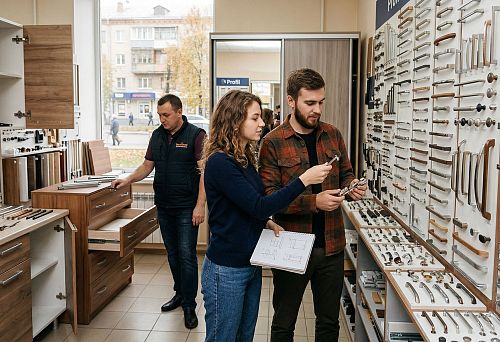
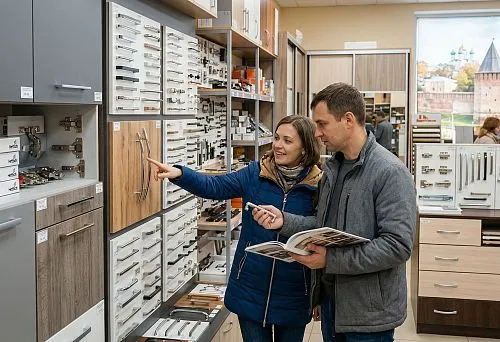
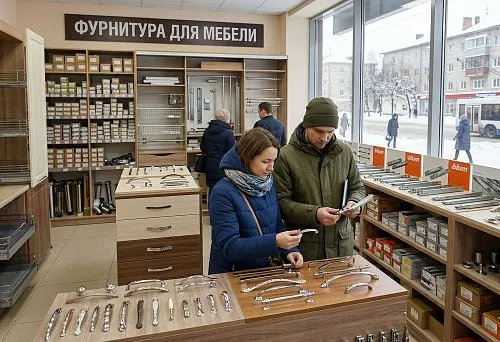
Furniture hardware — is the foundation of functionality and durability. Italian manufacturers use components from leading European brands, guaranteeing flawless operation of mechanisms.
Drawer guides ensure smooth operation and durability. Modern full-extension systems allow using the entire drawer volume, while soft-close mechanisms provide gentle, silent closing.
Hinges for solid furniture doors are adjustable in three planes, allowing perfect alignment of fronts. Soft-close systems prevent door slamming, extending furniture lifespan.
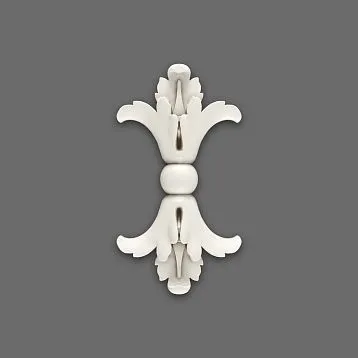
Decorative hardware — handles, appliqués, locks — is made from noble materials: brass, bronze, stainless steel. Various finishes — polishing, matte, patina — allow creating the desired aesthetic effect.
Ergonomics of Italian comfort
Italian furniture design philosophy is based on the principle of unity between beauty and comfort. Italian living room furniture is created taking into account anthropometric data and ergonomic principles, ensuring maximum comfort during use.
Soft furniture: science of comfort
Modern science of seating comfort is based on deep studies of human anatomy and biomechanics of movement. Italian designers use these insights to create furniture that is not only beautiful but also beneficial to health.
Seat height is calculated based on average anthropometric data, but allows for individual adjustment. Optimal height allows feet to rest fully on the floor, while hips remain horizontally aligned.
The seat depth should provide support for the hips without creating pressure under the knees. A seat that is too deep causes slouching, while a shallow seat does not provide sufficient support.
The backrest angle affects the load distribution on the spine. A slight backward tilt (100-110 degrees) is optimal for prolonged sitting, while a more significant tilt is suitable for rest and relaxation.
Armrests should support the arms in a natural position, without raising or lowering the shoulders. The height and width of the armrests are designed to ensure maximum comfort.
Solid furniture: functionality in detail
The ergonomics of solid furniture is aimed at ensuring convenient use of storage systems. The height of shelves, depth of drawers, and width of passageways are all calculated for maximum convenience.
The height at which various items are placed is determined by their frequency of use. Frequently used items are placed at arm level (60-160 cm from the floor), while rarely used items may be stored higher or lower.
The depth of shelves and drawers is calculated based on the size of stored items. Too deep shelves make it difficult to access rear items, while too shallow ones do not allow rational use of space.
The internal filling of storage systems is thought out in detail. Dividers for drawers, swivel shelves in corners, pull-out hangers — all are aimed at maximum convenience and rational use of space.
Lighting as an ergonomic element
Lighting plays a crucial role in creating a comfortable environment in the living room. Italian designers create multi-level lighting systems that take into account various usage scenarios of the space.
General lighting provides even illumination throughout the room. Modern LED technologies allow creating systems with adjustable brightness and color temperature.
Local lighting creates comfortable conditions for reading, working, and crafting. Floor lamps, table lamps, and wall sconces are placed according to functional zones in the living room.
Decorative lighting highlights the beauty of furniture and interior design. Backlit display cases, LED strips in moldings, and spotlights create striking lighting accents.
Smart lighting with automatic control adapts to various situations. Motion sensors, timers, and scene settings ensure maximum comfort with minimal user effort.
Technologies of the future in Italian furniture
Modern Italian living room furniture Actively integrates advanced technologies without losing its authenticity and beauty. Smart solutions make furniture not only beautiful but also intelligent.
Smart furniture: integration with home automation
Tables with wireless charging for mobile devices are becoming standard in modern living rooms. Charging panels are seamlessly integrated into tabletops without compromising the aesthetic of the piece.
Chairs and sofas with massage and heating systems provide additional comfort. Modern massage systems operate almost silently and can be programmed to various modes of action.
Multimedia systems are integrated into furniture in a way that is not noticeable to the eye. Audio systems are embedded in sofa frames, projectors are hidden in ceiling structures, and screens retract from special niches.
Climate control systems in cabinets and display cases maintain optimal conditions for storing valuable items. Automatic temperature and humidity regulation protects collections from damage.
Ecological technologies
The use of environmentally friendly materials has become a priority for leading Italian manufacturers. Certified wood from sustainably managed forests, formaldehyde-free adhesives, water-based varnishes — all are part of the ecological philosophy.
Recycling programs allow environmentally safe disposal of old furniture. Some manufacturers accept old furniture as credit toward new purchases, ensuring proper material recycling.
Energy-efficient technologies reduce the energy consumption of built-in systems. LED lighting, energy-saving motors, optimized control algorithms — all are aimed at reducing the ecological footprint.
Local production reduces transportation costs and CO2 emissions. Many Italian manufacturers strive to use local materials and suppliers, supporting regional economies and reducing environmental impact.
Personalization and Customization
Modern 3D modeling technologies allow creating custom furniture projects tailored to the specific features of a particular interior. Customers can see how the furniture will look in their home even before manufacturing begins.
Configurators on manufacturers' websites allow users to independently choose materials, colors, and sizes, creating unique variations of standard models. Customization possibilities are virtually limitless.
Augmented reality technologies allow users to "try on" furniture in their real interior using mobile apps. This helps avoid selection errors and guarantees customer satisfaction.
Users' biometric data can be used to create furniture that is maximally personalized. Body scanning allows creating chairs and sofas that are ideally suited to a specific individual.
remains a symbol of luxury, quality, and refined taste. It can transform any space into an oasis of beauty and comfort, creating an atmosphere that will delight and inspire daily.
Italian living room furniture remains a symbol of luxury, quality, and refined taste. It can transform any space into an oasis of beauty and comfort, creating an atmosphere that will delight and inspire daily.
When choosing furniture for the living room, it is important to remember that this is an investment for many years. Quality furniture not only lasts longer but also retains its relevance, becoming not only more expensive but also more valuable over time. This is a choice in favor of sustainable development, ecological responsibility, and support for traditional craftsmanship.
The modern market offers wide opportunities for those who appreciate Italian aesthetics but seek more affordable solutions. Russian manufacturers have learned to embody the best principles of Italian design, creating furniture that does not fall short of foreign analogs in quality, yet is better adapted to local conditions and needs.
STAVROS is a bright example of successfully embodying Italian furniture philosophy in Russian realities. Every item created by STAVROS masters embodies the best traditions of Italian design: attention to detail, quality of materials, flawless execution.
STAVROS does not just produce furniture — the company creates a lifestyle where beauty and functionality go hand in hand. Its own production allows controlling quality at every stage, from material selection to final assembly, guaranteeing compliance with the highest standards.
STAVROS designers have deeply studied Italian furniture craftsmanship traditions, but creatively reinterpreted them, creating collections ideally suited for Russian homes. This is furniture that takes into account the specifics of climate, room sizes, and the lifestyle of Russian families.
The technological equipment of STAVROS production meets the best global standards, but the company's greatest wealth is its people. Each master invests in their work not only professional skills but also love for beauty and a striving for perfection.
Choosing STAVROS, you get not only quality furniture in the Italian style, but also a full range of services: from interior design to after-sales service. This guarantees that your living room will become the true heart of the home, a place where the warmest memories are born and the most important family events take place.