Article Contents:
- Why a Wooden Table is More Than Just Furniture
- Ecological safety and health
- Durability and practicality
- Aesthetics and Universality of Style
- Energy and Psychological Comfort
- Variety of Wooden Tables: Which One to Choose for Your Interior
- Dining Tables: The Center of Family Gathering
- Kitchen Tables: Functionality Comes First
- Coffee and Cocktail Tables: Elegance of the Living Room
- Desk and Computer Tables: Space for Work and Creativity
- Wood Species for Tables: How to Make the Right Choice
- Oak: Classic, Time-Tested
- Beech: Elegance and Practicality
- Ash: strength and expressive texture
- Spruce: accessibility and eco-friendliness
- Exotic Species: For Enthusiasts of Uniqueness
- Where to Buy a Wooden Table: Overview of Top Options
- Specialized Furniture Stores: Quality and Service
- Online Stores: Convenience and Wide Selection
- Furniture Factories: Direct Contact with the Manufacturer
- Master Woodworkers: Exclusivity and Handcrafted Work
- Furniture Marketplaces: Variety and Competition
- How to Avoid Mistakes When Choosing a Wooden Table: Practical Tips
- Measure the Space and Determine the Optimal Size
- Check the Quality of Materials and Manufacturing
- Consider the Interior Style and Compatibility with Other Furniture
- Pay Attention to Functionality and Practicality
- Research Reviews and Reputation of the Seller or Manufacturer
- Caring for a Wooden Table: How to Preserve Its Beauty for Years
- Daily Care and Cleaning
- Periodic Care and Refreshing
- Protection from Negative Factors
- Trends in Wooden Table Design: What’s Current Today
- Ecological and natural properties
- Mixing Materials and Styles
- Functionality and Transformation
- Individualization and uniqueness
- Conclusion: Investment in Comfort and Beauty

In the world of modern interior design, a wooden table holds a special place. It is not just furniture—it is the center of home coziness, a witness to family conversations, celebrations, and everyday meals. But Where to buy a wooden tableThis question deserves special attention, because the right choice affects not only the aesthetics of your home, but also the comfort of your entire family.
A wooden table is an investment in the future. A quality piece made from natural solid wood can serve for decades, preserving its beauty and functionality. It becomes a witness to family history, acquiring a unique character and soul. But to make the right choice, you must consider many factors: from the type of wood to the style of execution, from dimensions to structural features.
In this article, we will guide you through all stages of choosing the perfect wooden table, tell you about the best places to purchase it, and share secrets that will help you avoid mistakes. Ready to embark on an exciting journey into the world of wooden furniture? Then get comfortable — we’re starting!


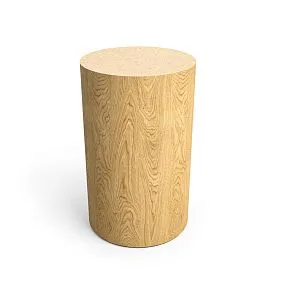
Why a wooden table is more than just furniture
Have you ever wondered why wooden tables have never gone out of fashion for centuries? Why, even in the age of plastic, glass, and metal, do we still gravitate toward the warmth and coziness of natural wood? The answer lies in the unique properties of this material and the special atmosphere it creates in the home.




Ecological safety and health
In the age of synthetic materials and chemical compounds, a wooden table becomes an ecological oasis in your home. Natural wood, treated with high-quality water-based protective coatings, does not emit harmful substances, does not cause allergic reactions, and contributes to creating a healthy microclimate in the room.
This aspect is especially important for families with children. Children explore the world through all their senses, and contact with natural materials positively affects their tactile sensations and overall development. A child can safely play, draw, or mold clay at a wooden table, without exposure to potentially hazardous chemical compounds.
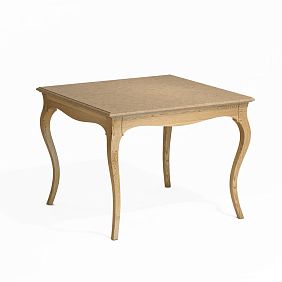
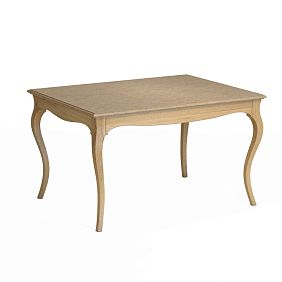
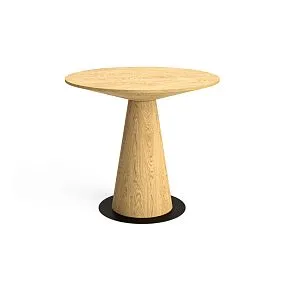
Our factory also produces:


Durability and practicality
A quality wooden table is not just a purchase — it is an inheritance for future generations. With proper care, such furniture can serve for decades, maintaining its functionality and aesthetic appeal. Unlike particleboard or MDF products, solid wood does not delaminate over time, does not lose its shape, and does not fade.
Moreover, a wooden table acquires a special charm and character over the years. Minor scratches and signs of use do not detract from its beauty but make it more cozy and alive. And if the surface is seriously damaged, it can always be restored — sanded and re-coated with a protective finish, returning the table to its original appearance.
Get Consultation
Aesthetics and versatility of style
Wood is an amazingly versatile material from a design perspective. It integrates organically into almost any interior style: from classic and Provence to Scandinavian minimalism and modern loft. The variety of wood species, shades, and textures allows you to select a table perfectly matching your aesthetic preferences.
A wooden table can be a striking accent in the interior or a neutral base for more expressive decorative elements. It combines beautifully with other materials — glass, metal, stone, fabric — creating interesting textural contrasts.
Energy and psychological comfort
Do not underestimate the psychological aspect of choosing a wooden table. Wood is a living material that retains the energy of nature. Touching a warm wooden surface calms the nervous system, reduces stress levels, and creates a sense of connection with nature, even in the most modern urban interiors.
It is no coincidence that in the traditions of many peoples, the wooden table was considered the heart of the home, a place of power and family unity. This cultural memory lives within us on a subconscious level, making us prefer natural wood even in the age of advanced technology.
Variety of wooden tables: which one to choose for your interior
Before deciding, Where to buy a wooden tableIt is important to determine its type and purpose. The modern market offers a vast variety of models, each with its own features and designed to solve specific tasks.
Dining tables: the center of family gathering
A dining table is, perhaps, the most important piece of furniture in the home. The whole family gathers around it, guests are received here, holidays are celebrated, and everyday meals are enjoyed. When choosing a dining table, consider the following key factors:
Size and shape. The table's size should correspond to the room's area and the number of family members. Compact square or round models are suitable for small kitchens, while spacious rectangular or oval tables are ideal for large dining rooms. The optimal tabletop width is 80 to 100 cm, allowing comfortable placement of dishes and plates.
Functionality. If the room's area is limited, consider extendable or foldable models that can be expanded as needed. Such an option will be especially practical for large families or those who frequently entertain guests.
Height. The standard height of a dining table is 75–80 cm. This parameter is crucial for comfortable seating and should match the height of the chairs.
Kitchen tables: functionality is the priority
A kitchen table differs from a dining table in its multifunctionality. It serves not only for eating but also for preparing meals, storing kitchenware, and even as an additional work surface. When choosing a kitchen table, pay attention to:
Resistance to moisture and temperature changes. The kitchen is a space with high humidity and temperature fluctuations, so the tabletop must be treated with special protective coatings.
Practical surface. For the kitchen, it is better to choose tables with smooth, easy-to-clean surfaces. Some models have additional protective coatings resistant to stains and scratches.
Presence of additional features. Many kitchen tables are equipped with pull-out drawers, shelves, or hooks for storing kitchen utensils, significantly saving space.
Coffee and end tables: elegance of the living room
Coffee or end table - an indispensable element of the living room or relaxation zone. Its main function is to create a comfortable space for tea, reading, or casual conversation. When choosing such a table, consider:
Style match. A coffee table often becomes an accent element in the living room, so its design should harmonize with the overall style of the room.
Proportions and size. The height of a coffee table is usually 40-50 cm, which is lower than a standard dining table. The tabletop size depends on the living room's area and the configuration of the soft furniture.
Mobility. In small rooms, lightweight mobile tables are convenient, as they can be moved around the room depending on the situation.
Writing and computer desks: space for work and creativity
In the era of remote work and online education, a writing or computer desk becomes a necessary element of home interior. It should provide comfortable conditions for work, study, or creativity. Key selection parameters:
Ergonomics. The working surface should be spacious enough to accommodate a computer, documents, and other necessary items. The optimal tabletop depth is 60 to 80 cm.
Functionality. The presence of drawers, shelves, and organizers for stationery significantly increases usability.
Cable management. Modern computer desks often come with cable organization systems, which help avoid tangling and create a neat workspace appearance.
Wood species for tables: how to make the right choice
One of the key factors affecting the quality, durability, and appearance of a wooden table is the wood species from which it is made. Each species has its unique characteristics, advantages, and usage specifics.
Oak: classic, tested over centuries
Oak is rightfully considered one of the most popular wood species for furniture making. Oak tables are distinguished by exceptional strength, resistance to mechanical damage, and longevity. Oak wood has a beautiful, distinct grain with characteristic growth rings and a honey-golden hue that develops a noble patina over time.
Advantages of oak tables:
- High strength and resistance to deformation
- Resistance to moisture (with proper treatment)
- Noble appearance that only improves over time
- Style versatility - suitable for both classic and modern interiors
Disadvantages:
- High cost
- Significant weight, which may make moving furniture difficult
- Requires regular care to maintain an attractive appearance
Oak: elegance and practicality
Beech is another popular wood species for making tables. Beech wood has a uniform structure, a pleasant light pinkish hue, and a silky texture. Beech tables look elegant and modern, are lighter than oak, yet sufficiently strong and durable.
Advantages of beech tables:
- Uniform wood structure, minimal knots and defects
- Easy to work with, allowing the creation of tables with complex shapes
- Pleasant light tone, visually expanding the space
- Affordable price compared to oak or ash
Disadvantages:
- Less moisture-resistant than oak
- May deform under sudden temperature and humidity changes
- Requires more careful protective treatment
Ash: strength and expressive texture
Resistance to deformation with proper drying
High strength and resistance to impact loads
- High strength and resistance to impact loads
- Beautiful, expressive grain
- Easy to process and polish
- Resistance to deformation with proper drying
Disadvantages:
- Moderate resistance to moisture
- Requires high-quality protective treatment
- Higher price compared to pine or birch
Pine: accessibility and eco-friendliness
Pine is the most accessible and widely used wood species for furniture making. Pine tables are characterized by their light weight, pleasant light color, and distinctive pine aroma. This species is especially popular for creating furniture in country, Provence, or Scandinavian styles.
Advantages of pine tables:
- Affordable price
- Light weight, making furniture easier to move
- Pleasant light color and distinctive aroma
- Ecological and hypoallergenic
Disadvantages:
- Relatively soft wood, susceptible to mechanical damage
- Presence of resin pockets that may show through the finish
- Less durable compared to hardwoods
Exotic species: for connoisseurs of uniqueness
For those seeking truly unique tables, consider exotic wood species: walnut, cherry, teak, rosewood, wenge, and others. Such tables become true works of art and focal points in interior design.
Advantages of exotic wood tables:
- Unique, one-of-a-kind appearance
- High Strength and Durability
- Status and exclusivity
Disadvantages:
- High cost
- Difficulty in selecting other furniture that harmonizes with the unusual color or texture
- Often require special care
Where to buy a wooden table: overview of the best options
When the type of table, wood species, and stylistic preferences are defined, the main question arises: Where to buy a wooden tableWhich one will meet all requirements? The modern market offers many options, each with its own advantages and features.
Specialized furniture stores: quality and service
Furniture stores specializing in wooden furniture are likely the most reliable option for those who value quality and are willing to invest in durable furniture. Such stores typically offer furniture from reputable manufacturers, often handmade, using high-quality materials.
Advantages of buying in a furniture store:
- Opportunity to personally assess the quality of the item, touch it, and check mechanisms
- Professional consultation from specialists
- Warranty on furniture and after-sales service
- Opportunity to order custom sizes or configurations
- Often offer designer services to help integrate the table into the existing interior
Disadvantages:
- High cost compared to other options
- Limited selection within a single store
- Need to visit in person to choose
Online stores: convenience and wide selection
In the era of digital technology, online stores are becoming an increasingly popular place to buy furniture. They offer a vast selection of wooden tables in various styles, sizes, and price categories.
Advantages of buying from an online store:
- Ability to choose from thousands of models without leaving home
- Convenient search and filtering by parameters (size, material, price, style)
- Often lower prices due to the absence of costs for maintaining exhibition halls
- Delivery to your door
- Ability to compare prices and features of different models
Disadvantages:
- Inability to personally assess the quality of the item before purchase
- Risk of the actual color or wood texture not matching the photos
- Difficulties with returns if defects are discovered
Furniture factories: direct contact with the manufacturer
Many furniture factories today operate directly with customers, bypassing intermediaries. This allows you to purchase quality furniture at more affordable prices and often provides the option for custom orders.
Advantages of buying at a factory:
- Lower prices due to the absence of intermediary markup
- Ability to order a table to custom dimensions and design
- Manufacturer's warranty
- Often the opportunity to visit the production facility and see the manufacturing process
Disadvantages:
- Limited selection within the style and specialization of a specific factory
- Not always convenient location (factories are often located outside the city)
- Longer production times for custom orders
Master woodworkers: exclusive and handmade
For those seeking truly unique tables, consider the works of master woodworkers. Such tables are handmade, often using traditional woodworking techniques, and become true works of art.
Advantages of working with a master:
- Creation of a unique, exclusive table according to your preferences
- Highest quality of handcrafted work
- Personal communication with the master, opportunity to participate in the creation process
- Use of rare wood species or unique processing techniques
Disadvantages:
- High cost
- Long production times
- Need to clearly articulate your preferences
Furniture marketplaces: variety and competition
Furniture marketplaces bring together offers from multiple manufacturers and sellers on a single platform, allowing you to quickly compare prices and features of different models.
Advantages of buying on a marketplace:
- Vast selection of models from different manufacturers
- Convenient filtering and search system
- Reviews from real customers
- Seller competition leading to lower prices
- Unified delivery and warranty service system
Disadvantages:
- Different quality of goods from different sellers
- Difficulty verifying reputation of each seller
- Standardized descriptions, not always reflecting specific model features
How to choose a wooden table without mistakes: practical tips
Regardless of the fact, Where to buy a wooden tableIt is important to approach the selection process responsibly and carefully. Here are several practical tips to help you avoid mistakes when purchasing.
Measure the space and determine the optimal size
Before purchasing a table, you must accurately measure the space where it will be placed. Consider not only the room's dimensions but also the distance needed for comfortable movement around the table and pulling out chairs.
For a dining table, it is recommended to leave at least 90-100 cm of free space from the edge of the table to the wall or other furniture. To determine the optimal table length, use this simple rule: each person should have approximately 60-70 cm of tabletop length.
Check the quality of materials and manufacturing
When choosing a wooden table, pay attention to the following quality aspects:
Wood. A quality table should be made from well-dried wood (moisture content 8-12%). Pay attention to uniform color and texture, absence of cracks, chips, and other defects.
Joints. Check the strength of the table parts' connections. Quality furniture uses traditional joinery (dovetail, mortise and tenon) or modern technologies ensuring secure fastening.
Finish. The table surface should be smooth, without burrs or roughness. The lacquer coating should be even, without drips, bubbles, or other defects.
Hardware. If the table has drawers, a sliding mechanism, or other movable parts, check the quality and reliability of the hardware.
Consider interior style and compatibility with other furniture
A wooden table should harmoniously fit into the overall interior style and match existing furniture. Pay attention to the following aspects:
Wood color and tone. It should match the interior color scheme and coordinate with other wooden elements. It is not necessary to achieve a complete match in tone, but they should harmonize with each other.
Style and design. The table's shape, leg style, presence of decorative elements — all should match the overall room style. For example, a table with carved elements and curved legs suits a classic interior, a minimalist table on straight legs suits Scandinavian style, and a heavy table with metal elements suits loft style.
Proportions. The table size should be proportional to the room size and other furniture. An overly large table in a small room will look out of place, as will a miniature table in a spacious hall.
Pay attention to functionality and practicality
When choosing a table, it is important to consider not only its appearance but also its functionality:
Ease of use. The table height should meet standards (75-80 cm for dining tables, 40-50 cm for coffee tables, 70-75 cm for writing tables) and be comfortable for all family members.
Ease of maintenance. The table surface should be resistant to stains and easy to clean. A quality protective coating prevents water, food, and drink stains.
Additional features. Depending on the table's purpose, features such as a sliding mechanism, drawers, storage shelves, protective pads, etc., may be useful.
Review customer feedback and seller or manufacturer reputation
Before purchasing, it is advisable to review feedback from other customers regarding the specific table model and the seller or manufacturer in general. Pay attention to the following points:
Quality and durability. Reviews from customers who have been using the table for some time can give an idea of its longevity and resistance to everyday use.
Accuracy to description. It's important to understand whether the actual product matches the description and photos, especially when purchasing from an online store.
Service and warranty. Find out whether the seller provides a warranty for the product, how the service is organized, and whether returns or exchanges are possible if defects are found.
Caring for a wooden table: how to preserve its beauty for years
Purchasing a quality wooden table is only the beginning. To ensure it continues to delight you with its appearance and functionality for many years, proper care is necessary.
Daily care and cleaning
Regular care for a wooden table does not require much effort, but helps maintain its attractive appearance:
Daily cleaning. Wipe the table surface with a soft, slightly damp cloth to remove dust and light stains. Avoid abrasive materials that may scratch the protective coating.
Removing stains. Fresh stains from food, drinks, or other substances should be removed immediately to prevent them from soaking into the wood. Use a soft cloth dampened with warm water and a small amount of mild detergent.
Protection from moisture. Always use coasters under hot items and drink mats to prevent moisture stains and rings.
Periodic care and refreshment
In addition to daily care, a wooden table requires periodic, more thorough care:
Polishing. It is recommended to polish the table surface with special wooden furniture care products every few months. This helps refresh the appearance, highlight the beauty of the wood texture, and provide additional protection.
Refreshing protective coating. Depending on the intensity of use and the type of protective coating, it may be necessary to refresh it every few years. This may include light sanding of the surface and applying a new layer of varnish, oil, or wax.
Restoration. In case of serious damage (deep scratches, chips, cracks), professional restoration may be required. Many furniture workshops offer such services, allowing the table to be restored to its original appearance.
Protection from negative factors
To extend the lifespan of a wooden table, it is important to protect it from negative factors:
Direct sunlight. Prolonged exposure to direct sunlight may cause fading and cracking of the wood. It is recommended to place the table away from windows or use curtains and blinds to protect it from intense sunlight.
Temperature and humidity fluctuations. Sudden changes in temperature and humidity may cause wood deformation. Try to maintain a stable microclimate in the room, especially during the heating season when the air becomes dry.
Mechanical damage. Avoid impacts, scratches, and other mechanical damage that may harm the table surface. Use protective pads on chair legs, and do not place heavy items with sharp edges on the table.
Trends in wooden table design: what is current today
The world of furniture design is constantly evolving, and wooden tables are no exception. Modern trends reflect both technological innovations and changes in consumer aesthetic preferences.
Ecological and natural
In an era of growing environmental awareness, more people are favoring natural materials and eco-friendly production technologies. This is reflected in the following trends:
Minimal processing. Tables with minimal wood processing, preserving the natural texture and grain of the material, are becoming popular. Such tables often have uneven edges, visible growth rings, and other natural wood characteristics.
Eco-friendly finishes. Natural oils and waxes are increasingly used instead of synthetic varnishes, allowing the natural "breathable" structure of the wood to be preserved and its beauty to be highlighted.
Use of reclaimed wood. Tables made from reclaimed or "aged" wood are not only eco-friendly but also stylish, adding character and history to the interior.
Mixing materials and styles
Modern design is characterized by bold experimentation with materials and styles:
Wood and metal. The combination of warm wood texture with cool metal sheen creates an interesting contrast. Especially popular are tables with wooden tops and metal bases in loft or industrial styles.
Wood and glass. The transparency of glass combined with the naturalness of wood creates a light, airy effect. Such tables often have glass tops with wooden bases or glass inserts in wooden tops.
Eclectic styles. Mixing elements of different styles in one piece is another current trend. For example, traditional wood carving techniques can be combined with modern minimalist forms.
Functionality and transformation
In the context of limited space in modern apartments, furniture capable of adapting to various situations becomes particularly valuable:
Multi-functional tables. Popular models that can perform several functions: for example, a dining table that easily transforms into a work surface, or a coffee table with adjustable height.
Modular systems. Tables consisting of multiple modules that can be combined in various ways depending on needs are becoming increasingly in demand.
Compact solutions. Special compact models are developed for small spaces: foldable, sliding, or integrated into other furniture or walls.
Individualization and Uniqueness
Modern consumers are increasingly seeking individuality and uniqueness in interior design:
Slab tables. Tables made from a single solid wood slab (slab), preserving the natural shape of the trunk with or without bark, are gaining particular popularity. Each such table is unique and one-of-a-kind.
Handcrafted work. Interest is being revived in handcrafted furniture created by master carpenters using traditional woodworking techniques.
Personalization. Many manufacturers offer the option to customize standard models: choice of wood species, finish color, leg type, dimensions, and other parameters.
Conclusion: Investment in comfort and beauty
Choosing a wooden table is not just purchasing a piece of furniture — it is an investment in comfort, beauty, and quality of life. A properly selected table will become the focal point in your home, a place where the family gathers, ideas are born, and memories are created.
Regardless of the fact, Where to buy a wooden table Whether in a specialized store, online shop, or directly from the craftsman, it is important to approach the selection thoughtfully, considering not only aesthetic preferences but also practical aspects: material quality, functionality, compatibility with interior design and lifestyle.
Remember that a wooden table is not just a functional item — it is part of your home that will accompany you for many years, perhaps even decades. It will witness family celebrations, everyday meals, workdays, and moments of rest. Therefore, it is worth paying proper attention to its selection so that you can enjoy its beauty and comfort every day.
May your wooden table become not just a piece of furniture, but also a symbol of coziness, family traditions, and harmony in your home. After all, it is precisely such things that make a home truly yours, filling it with warmth and individuality.