Article Contents:
- A Little from History
- Construction of Pilasters
- Features of Using Pilasters in Interior Design
The history of architectural elements is rich with amazing details, one of which are pilasters. These vertical supports, visually resembling columns, give interiors a special grandeur and luxury. Familiarity with pilasters opens up to us a world of elegance and classicism, resonant with the epochs of great architectural masterpieces.
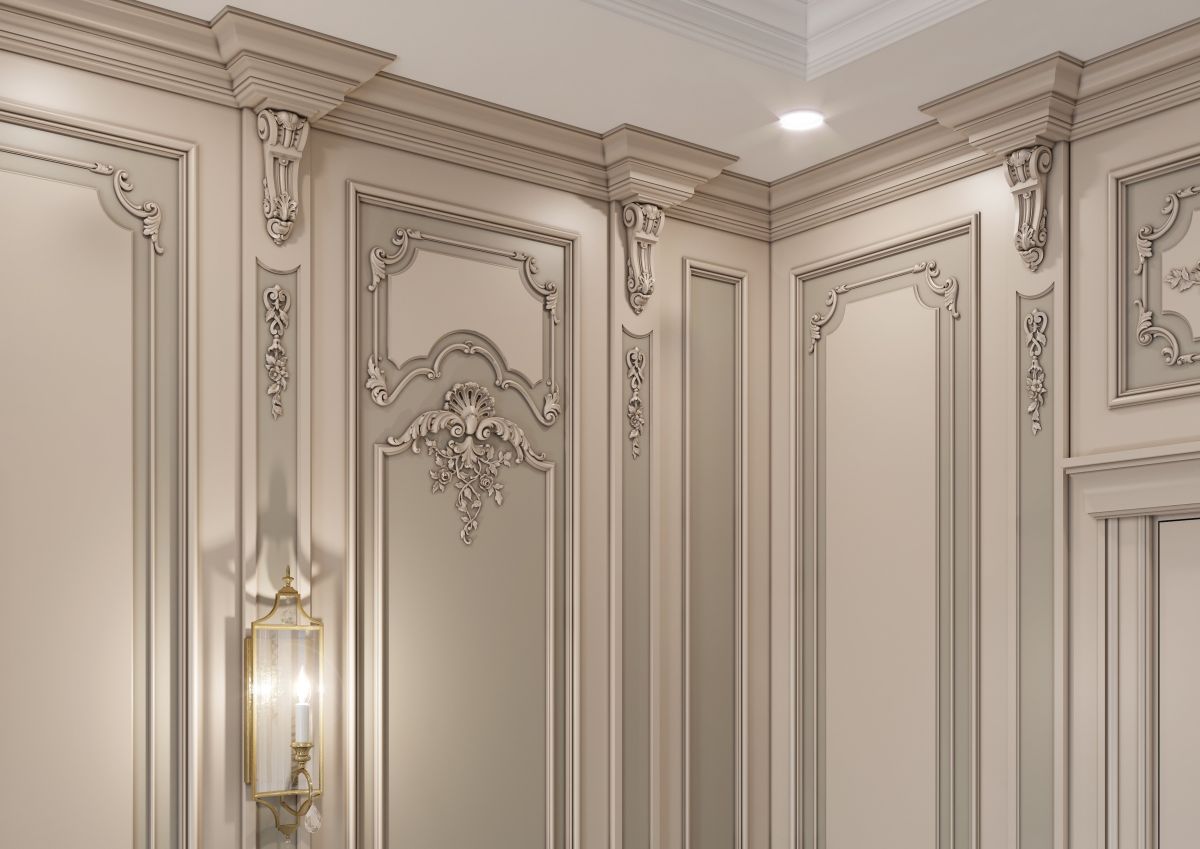
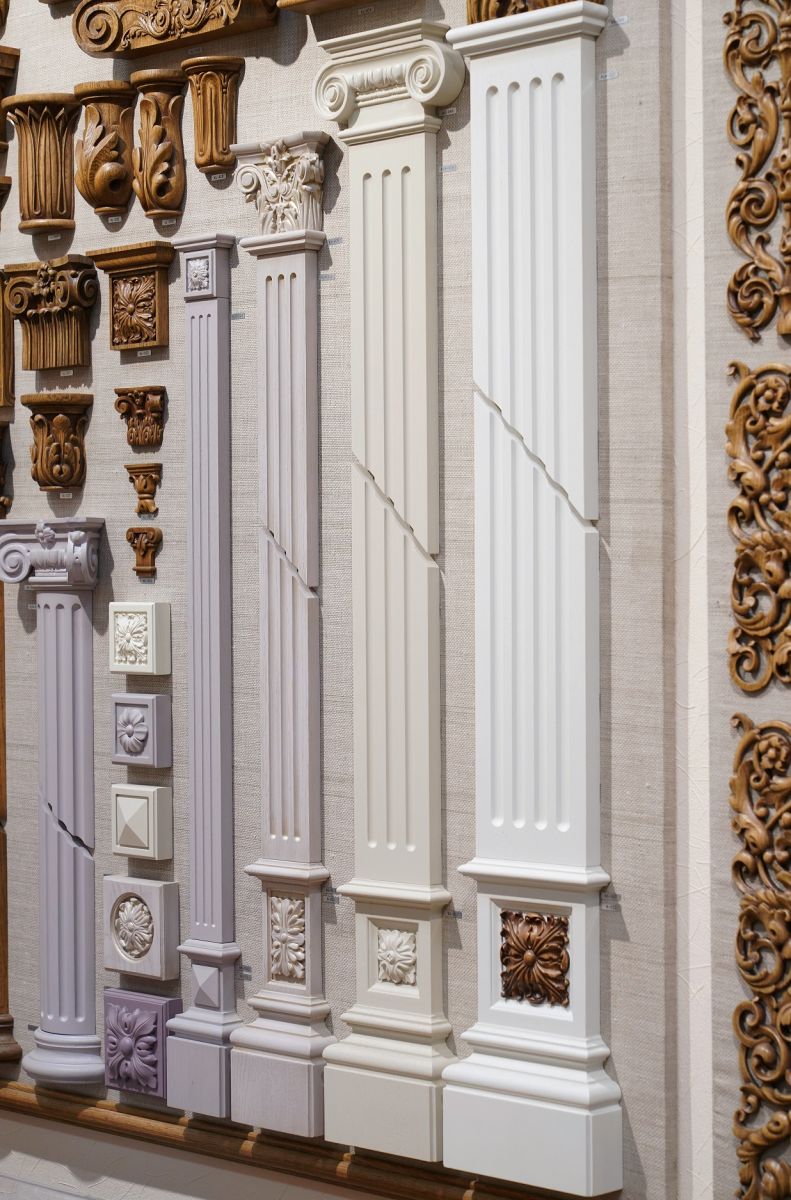
pilasters pilasters They do not take up much space and protrude from the wall only a few centimeters. Thanks to this, they do not occupy unnecessary space, but become a striking decorative accent.


Main functions performed by pilasters in a room:




A Little from History
The history of the emergence and development of pilasters traces back to Ancient Greece, where these interior architectural details were primarily installed on the exterior of buildings - on facades and were made of marble and granite. Initially, pilasters served only a functional role in reinforcing load-bearing structures, so their appearance was simple and rectangular. Due to such a practical purpose, little attention was paid to pilasters from a decorative standpoint.
During the Renaissance, architects reconsidered the primary purpose of pilasters and began using them not only externally, but also internally in buildings not only to support ceiling structures, but also as decorative elements.
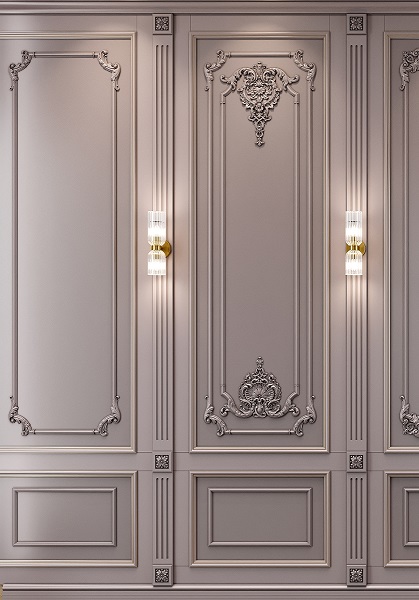
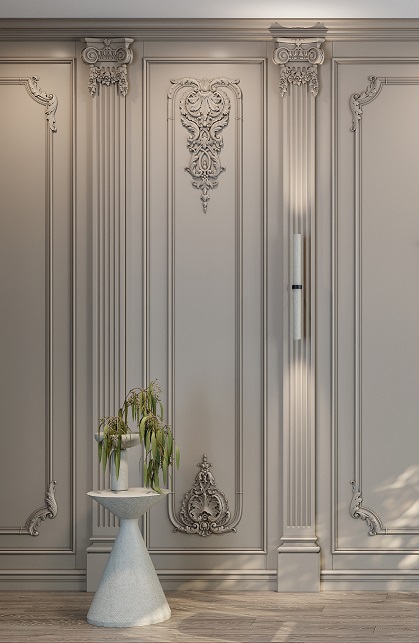
Today, pilasters are popular and widely used decorative ornaments that are ideally suited for large rooms such as living rooms, dining rooms, and halls.
Our factory also produces:




Construction of Pilasters
A pilaster consists of three main parts:
Get Consultation
Features of Using Pilasters in Interior Design
Installation pilasters in interior in rooms play a special role, giving them a unique charm and elegance, visually increasing ceiling height, drawing attention, and concealing wall and corner defects. They are most often installed in pairs, creating a harmonious ensemble. With their help, you can effectively zone space, highlighting specific areas in the room.
Pilasters framing paintings, portals, niches, large wall decor look especially striking. They can also decorate corners, home theater zones, doorways, staircase supports, arches between rooms, and building facades. Pilasters are capable of unifying different levels of a residence, creating a sense of unity and harmony.