Article Contents:
- Comprehensive Approach: What is Full-Service Furnishing
- From Concept to Implementation: Stages of Comprehensive Furnishing
- Advantages of a Comprehensive Approach
- Modern Trends in Furnishing Moscow Apartments
- Functional Minimalism: Less is More
- Ecological and Natural: Returning to Nature
- Smart Solutions: Technology at the Service of Comfort
- Stylistic Solutions for Different Types of Housing
- Neoclassicism: Timeless Elegance
- Modern Style: Functionality and Clean Lines
- Loft: Industrial Aesthetics in an Urban Context
- Functional zoning: optimizing living space
- Zoning methods without constructing walls
- Multifunctional spaces: when one room performs several functions
- Furnishing Different Types of Rooms: Features and Nuances
- Living room: the center of attraction of the home
- Bedroom: territory of comfort and relaxation
- Kitchen: Functionality Comes First
- Materials and Quality: What to Pay Attention To
- Natural Wood: Time-Tested Classic
- Modern Materials: Practicality and Innovation
- Hardware: Details That Define Quality
- Individual Approach: Uniqueness of Your Space
- Taking Personal Preferences and Lifestyle into Account
- Adapting Trends to Individual Needs
- Emotional Component of Interior Design
- Timeline and budget: planning furnishing
- Budget definition: sensible investments
- Implementation timeline: from order to finished interior
- Phased furnishing: strategy for limited budget
- Conclusion: Investment in Comfort and Quality of Life
Imagine: you stand at the threshold of a new apartment. Bare walls, empty floor, no furniture — and endless possibilities for creativity. What to do next? How to transform a soulless space into a cozy nest reflecting your individuality? Furnishing Moscow — is an art form requiring not only taste but also understanding of ergonomic, functional, and aesthetic principles.
In the capital, where the rhythm of life sets its own rules, more and more people value a comprehensive approach to furnishing their homes. Time is the most precious resource for modern people, and few wish to spend it on endless trips to furniture stores, comparing options, and coordinating deliveries. That is why the service of comprehensive furnishing is becoming increasingly popular.
Let’s examine what the modern approach to furnishing living space entails, which trends dominate the market, and how to create an interior that will delight you for years to come.


Comprehensive Approach: What is Full-Service Furnishing
In today’s world, where time is valued more than gold, more and more people choose comprehensive solutions over individual purchases. Furnishing Moscow Full-service means not just purchasing individual pieces of furniture, but a holistic approach to creating living space.




From Concept to Implementation: Stages of Comprehensive Furnishing
The process of comprehensive furnishing includes several sequential stages, each of which is important for achieving the ideal result:
- Consultation and Defining Needs. At this stage, specialists determine your preferences, lifestyle, budget, and expectations for the future interior.
- Design Project Development. Based on the gathered information, an interior concept is created, including spatial planning, color scheme, and stylistic direction.
- Furniture and Accessories Selection. Specialists select furniture, lighting, textiles, and decorative elements that match the developed concept.
- Procurement and Logistics. Organizing the purchase of all necessary items and coordinating delivery.
- Assembly and Placement. Professional assembly of furniture and its arrangement according to the design plan.
- Final Styling. Placement of decorative elements, textiles, and lighting to create a finished look.
Our factory also produces:





Advantages of a comprehensive approach
Why are more and more Moscow residents choosing comprehensive furniture solutions instead of arranging their homes independently? The answer lies in the undeniable advantages of this approach:
- Time-saving. Instead of endless trips to stores and studying catalogs, you receive a ready-made solution in a short time.
- Professional approach. Specialists take into account all nuances: from ergonomics to color combinations, creating a harmonious space.
- Interior coherence. All elements are selected in a unified style and color palette, creating a harmonious look.
- Budget optimization. A comprehensive order often allows you to get discounts and avoid unexpected expenses.
- Stress-free. You are freed from the need to coordinate numerous processes and make endless decisions.
Get Consultation
Modern trends in furnishing Moscow apartments
Moscow is a city where traditions meet innovations, and classicism coexists with avant-garde. This duality is reflected in approaches to furnishing living spaces.
Functional minimalism: less is more
In urban life, where every square meter is worth its weight in gold, functionality becomes a priority. Modern Furnishing Moscow leans toward minimalism—not in the sense of austerity, but in the sense of a reasoned approach to organizing space.
Key features of functional minimalism:
- Multi-functional furniture (sofa-bed, transformable table)
- Built-in storage systems
- Clean lines and minimalist forms
- Absence of unnecessary details and decor
- High-quality materials and thoughtful ergonomics
This approach allows you to create a spacious, airy interior even in a small apartment.
Ecological and natural: returning to nature
In the era of digital technologies and synthetic materials, more and more people strive to surround themselves with natural textures and eco-friendly solutions. This trend is reflected in modern furniture:
- Furniture made of solid wood or quality veneer
- Natural fabrics for upholstery and textiles (linen, cotton, wool)
- Live plants as part of the interior
- Natural colors and shades
- Minimal use of plastic and synthetic materials
An eco-friendly approach not only creates a healthy atmosphere in the home but also forms a unique aesthetic close to nature.
Smart solutions: technology at the service of comfort
Modern Furnishing Moscow is unthinkable without the integration of technology. Smart systems make life more comfortable and save space:
- Built-in appliances integrated into furniture sets
- Smart home systems controlling lighting, climate, and security
- Furniture with built-in charging devices
- Modular systems adapting to changing needs
- Technological materials (antibacterial coatings, self-cleaning surfaces)
Technologies become unnoticed yet indispensable helpers in daily life.
Stylistic solutions for different types of housing
Choosing a stylistic direction is one of the key moments in furnishing. Style defines not only the appearance of the interior, but also its atmosphere, character, and emotional impact on its inhabitants.
Neoclassicism: timeless elegance
Moscow - a city with a rich history and architectural heritage, so classical interiors will always remain relevant here. Modern interpretation of classicism - neoclassicism - combines traditional elegance with functionality and minimalism:
- Symmetrical compositions and harmonious proportions
- Subdued color palette with accents of deep tones
- High-quality natural materials
- Elegant furniture with classic forms, but without excessive decoration
- High-quality textiles and thoughtfully designed lighting
Neoclassicism creates an atmosphere of refinement and stability, highly valued by residents of megacities.
Modern style: functionality and clean lines
Modern style (contemporary) - is a current direction reflecting today's views on comfort and aesthetics:
- Clean lines and forms without excess
- Functionality of each element
- Neutral color palette with bright accents
- Combination of various materials and textures
- Technological sophistication and innovation
Dynamic, modern people who follow trends but value comfort and practicality prefer this style.
Loft: industrial aesthetics in an urban context
Loft emerged as a style of decorating former industrial spaces converted into housing, but today its elements can be found in various interiors:
- Open utilities and unprocessed surfaces
- Combination of rough textures (brick, concrete) with modern materials
- Spacious rooms with minimal partitions
- Large-scale furniture with simple forms
- Bright accents against a neutral color palette
Loft is chosen by creative individuals who value freedom and unconventional solutions.
Functional zoning: optimizing living space
In modern realities, where many live in open-plan apartments or small spaces, the ability to properly divide space into functional zones becomes a necessary skill.
Ways to zone without building walls
There are numerous ways to divide space without resorting to permanent partitions:
- Furniture compositions. Shelving, sofas, consoles can serve as natural spatial dividers.
- Multi-level ceilings and floors. Podiums, steps, height variations in ceilings visually and physically delineate space.
- Lighting. Different lighting scenarios help highlight functional zones.
- Color accents. Different color solutions for different zones help visually structure space.
- Textiles and rugs. A rug clearly defines the boundaries of a resting zone, while curtains or draperies can separate a sleeping area in a studio.
Multifunctional spaces: when one room serves multiple purposes
In modern realities, a single room often needs to serve multiple functions. For example, a living room may simultaneously serve as a home office, guest bedroom, and family relaxation area.
Here are several tips for creating effective multifunctional spaces:
- Use transformable furniture. Folding sofas, transformable tables, platform beds allow you to quickly change the purpose of the space.
- Plan storage systems. In a multifunctional space, it is especially important to have sufficient storage space for items.
- Ensure visual unity. Despite different functional purposes of zones, the interior should be perceived as a single whole.
- Consider usage scenarios. Think about how the space will be used at different times of day and by different family members.
Furnishing different types of rooms: features and nuances
Each room in an apartment has its own purpose and requires a special approach to furnishing. Let’s consider the specifics of furnishing the main zones of living space.
Living Room: The Heart of the Home
Living room - a multifunctional space that often serves as a place for relaxation, a guest reception area, and even a home office.
Key elements of living room furniture:
- Soft furniture: sofa and chairs — central elements of the living room, around which the entire composition is built.
- Storage systems: wardrobes, shelves, cabinets provide storage for necessary items and shape the appearance of the room.
- Coffee table: a functional and decorative element that can become a striking accent in the interior.
- Lighting: multi-level lighting creates different usage scenarios for the space.
- Decorative elements: paintings, photographs, vases, cushions add individuality and coziness.
Bedroom: territory of comfort and relaxation
The bedroom is a place for rest and recovery, so it is especially important to create an atmosphere of calm and comfort.
Main elements of bedroom furniture:
- Bed: the central element of the bedroom, the quality of which determines comfort and health.
- Nightstands: functional elements that provide storage for necessary items within reach.
- Cabinet or wardrobe: storage systems for clothing and personal items.
- Makeup table: an element adding functionality and individuality.
- Textiles: curtains, blankets, decorative pillows create a cozy atmosphere and complete the bedroom’s look.
Kitchen: functionality comes first
The kitchen is not only a place for preparing food, but also a space for family gatherings and entertaining guests. Here, especially important is the combination of aesthetics and functionality.
Key elements of kitchen furniture:
- Kitchen set: the foundation of the kitchen, including work surfaces, storage systems, and built-in appliances.
- Dining area: table and chairs creating a comfortable space for dining and socializing.
- Appliances: refrigerator, stove, oven, dishwasher, microwave, and other devices that simplify daily life.
- Storage systems: cabinets, shelves, pull-out systems for efficient space organization.
- Lighting: functional lighting for work zones and decorative lighting for the dining area.
Materials and quality: what to pay attention to
The quality of furniture is determined not only by its appearance, but also by the materials it is made of, as well as the quality of assembly and hardware.
Natural wood: classic, time-tested
Wood remains one of the most popular materials for furniture manufacturing. It is eco-friendly, durable, has a unique texture, and creates a special atmosphere of warmth and coziness.
Different types of wood have different characteristics:
- Oak - strong and durable, has a distinctive texture
- Beech - has high density and resistance to wear
- Spruce - more affordable, but less resistant to mechanical damage
- Walnut — has a noble dark tone and beautiful wood grain pattern
Modern materials: practicality and innovation
Modern technologies offer numerous innovative materials that combine practicality, durability, and aesthetics:
- MDF (Medium Density Fiberboard) — a strong material that is easy to machine and can imitate various textures.
- Laminated particle board (Laminated Particle Board) - an affordable material with a wide color range.
- Plastic — lightweight, moisture-resistant material often used for kitchen facades.
- Glass and metal — modern materials that add lightness and airiness to the interior.
Hardware: details that determine quality
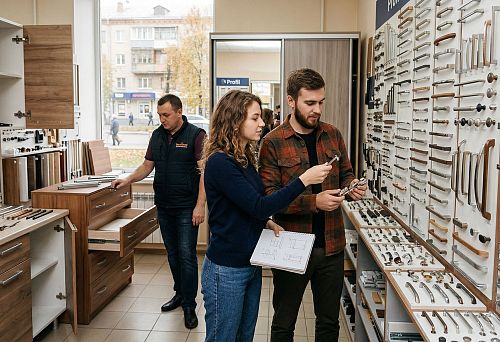
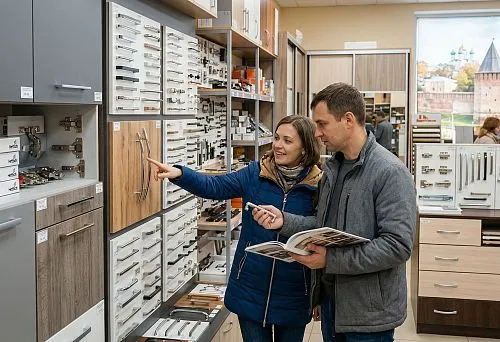
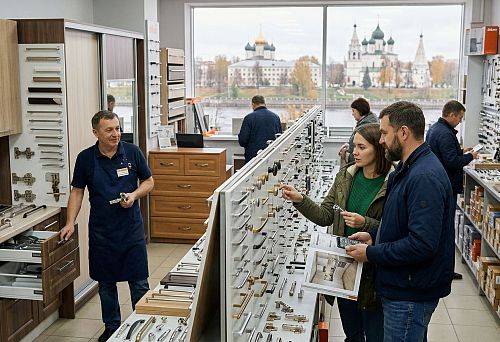
The quality of hardware (hinges, guides, handles) directly affects the comfort of use and durability of furniture. Top manufacturers use hardware from well-known European brands, ensuring smooth door and drawer operation, silent closing, and long service life.
Individual approach: uniqueness of your space
Despite the existence of certain styles and trends, each interior must be unique, reflecting the individuality of its owner. Furnishing Moscow It is not merely following fashion trends, but creating a space that will be comfortable specifically for you.
Considering personal preferences and lifestyle
An interior should not only please the eye but also be convenient for daily life. For families with young children, safety and practicality are important; for creative individuals, an inspiring atmosphere; for businessmen, functionality and status.
Adapting trends to individual needs
Fashion trends in interior design constantly change. It is important not to blindly follow them, but to adapt current trends to your individual needs, creating an interior that looks modern but will not lose relevance in a few years.
Emotional component of the interior
An interior should evoke positive emotions and create the desired mood. This is achieved through:
- Color palette matching the psychological type of the owner
- Textures and materials pleasant to the touch
- Personal items with emotional value (photos, souvenirs, books)
- Plants adding life and energy
Timeline and budget: planning furniture layout
Planning is a key stage of successful furniture layout. A well-crafted plan will help avoid unexpected expenses and disappointments.
Budget definition: sensible investments
Before starting furniture layout, it is important to define the budget and set priorities:
- Which furniture items are priorities?
- Where can you save, and where is it better not to be stingy?
- What additional expenses may arise (delivery, assembly, finishing work)?
Remember that quality furniture is an investment for many years, so do not cut costs on key items used daily (bed, sofa, kitchen set).
Implementation timeline: from order to finished interior
The timeline for furniture layout depends on many factors:
- Project complexity
- Presence of ready-made furniture or need for custom-made items
- Seasonality (during peak demand periods, timelines may increase)
- Logistical specifics
On average, comprehensive furniture layout for an apartment takes from 3 to 8 weeks. This timeframe includes project development, ordering furniture, delivery, and assembly.
Phased furniture layout: strategy for limited budget
If your budget is limited but you want quality furniture, consider phased furniture layout:
- Start with the most essential items (bed, dining table, basic storage systems)
- Gradually add additional elements
- Finish the interior with decorative details
This approach allows you to distribute financial burden while still creating a cohesive interior.
Conclusion: Investment in comfort and quality of life
Furnishing Moscow This is not just a way to arrange space — it is an investment in your comfort and quality of life. A professional approach allows you to create an interior that will delight you for many years, match your lifestyle, and reflect your individuality.
In a world where time is becoming an increasingly valuable resource, entrusting the creation of your living space to professionals is a sensible decision. This will allow you to avoid the stress associated with self-arranging, save time, and ultimately achieve a perfectly organized space where every detail is in its place.
Remember that the surrounding space affects our mood, productivity, even our health. Investing in quality furniture is investing in your well-being and comfort for many years to come.
The capital, with its unique rhythm of life, architecture, and climate, requires a special approach to interior design. Local specialists take these features into account, creating spaces that are not only beautiful and functional but also harmoniously fit into the urban context.
Do not be afraid to experiment, find your unique style, and create an interior that reflects your individuality. After all, home is not just a place where we live — it is a space that shapes us and our lives.