Article Contents:
- Saint Petersburg Style in Interior Design: Traditions and Modernity
- Historical Roots of the Saint Petersburg Style
- Modern Trends in Saint Petersburg Furnishing
- Comprehensive approach to furnishing: from idea to realization
- Space Analysis and Needs
- Planning and Zoning
- Style and Color Palette Selection
- Furniture and Accessories Selection
- Features of Furnishing Different Types of Rooms
- Living Room: The Center of Home Life
- Bedroom: territory of comfort and relaxation
- Kitchen: Functionality Comes First
- Children's Room: Space for Growth and Development
- Professional Furnishing: Advantages of a Comprehensive Approach
- Time and resource saving
- Harmony and Cohesion of the Interior
- Individual Approach and Unique Solutions
- Trends and Innovations in Modern Furnishing
- Ecological and Natural Materials
- Multifunctionality and transformation
- Smart Technologies in Interior Design
- Individualization and customization
- Practical Tips for Creating a Harmonious Interior
- Balancing Functionality and Aesthetics
- Considering the Characteristics of Space and Lighting
- Creating a Unified Stylistic Concept
- Attention to Details and Accessories
- Conclusion: Home as a Reflection of Individuality
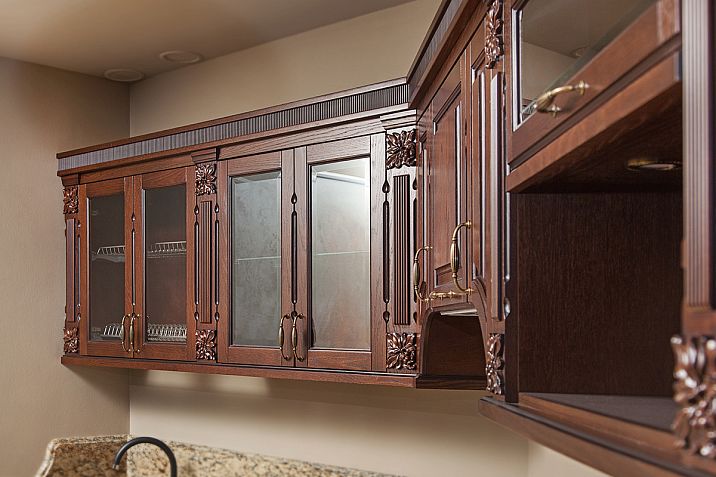
Imagine: you stand at the threshold of your new apartment. Bare walls, empty rooms, echoes of every step. A space full of possibilities, yet lifeless. How to transform these square meters into a real home, where every corner will delight the eye and warm the soul? The answer is simple yet complex — proper furnishing Saint PetersburgIt is precisely this that transforms empty rooms into a cozy nest, where one wants to live, create, host guests, and simply enjoy every moment.
Saint Petersburg — a city unlike any other. Its architectural appearance, atmosphere, even the light — all of this shapes a unique Saint Petersburg style, reflected in the interiors of city apartments. Saint Petersburg furniture — it is not merely arranging sofas and cabinets. It is a complete philosophy of space organization, taking into account the city's history, its climate, cultural traditions, and modern trends.
In this article, we will immerse ourselves in the world of Saint Petersburg interior art, reveal the secrets of creating a truly harmonious living space, and explain how to make your home reflect your individuality while still embodying the unique charm of Saint Petersburg.




Saint Petersburg Style in Interior Design: Traditions and Modernity
Saint Petersburg — a city of contrasts. Classical palaces coexist with constructivist buildings, historic mansions with modern residential complexes. This eclecticism is also reflected in the interiors of Saint Petersburg apartments.




Historical Roots of the Saint Petersburg Style
The Saint Petersburg style in interior design has evolved over three centuries. It absorbed elements of Baroque and Classicism, Modernism and Constructivism. But there is something that unites all these directions — restrained elegance, attention to detail, and a special relationship with light.
Light in Saint Petersburg — a special value. Long winter evenings, short daylight hours, frequent rains and fogs — all of this makes Saint Petersburg residents cherish every ray of sunlight. Therefore, traditional Saint Petersburg interiors feature many mirrors reflecting light, light tones in wall and ceiling finishes, and thoughtfully designed artificial lighting.
Another feature of the Saint Petersburg style — respect for history. In a city where every stone breathes history, it is impossible to create interiors ignoring the cultural context. Even in the most modern apartments, one often encounters elements referencing the city's historical past: antique items, reproductions of paintings from the Hermitage, bookshelves with volumes of Russian classics.
Our factory also produces:


Modern Trends in Saint Petersburg Furnishing
Modern furnishing Saint Petersburg This is a harmonious blend of tradition and innovation. Today, functionality and eco-friendliness, minimalism and smart technologies are in vogue. Yet, Petersburg residents do not abandon classic elements that give interiors individuality and depth.
One of the main trends in recent years is creating multifunctional spaces. In city apartments, where every square meter counts, furniture must be not only beautiful but also practical. Transforming sofas, sliding tables, wardrobe cabinets with thought-out storage systems — all this allows for the most efficient use of available space.
Another important trend is eco-friendliness. Petersburg residents increasingly choose furniture made of natural materials: wood, stone, glass, natural fabrics. Such materials are not only safe for health but also create a special atmosphere of warmth and coziness, which is especially important in the Petersburg climate.
Technology also plays an increasingly significant role in modern furniture design. Smart lighting systems, furniture with built-in charging devices, kitchen units with advanced storage systems — all this makes life more comfortable and convenient.
Get Consultation
Comprehensive approach to furnishing: from idea to realization
Creating a harmonious interior is not simply purchasing individual pieces of furniture. It is a comprehensive process requiring attention to detail and understanding of the overall concept.
Space and Needs Analysis
The first step in creating an ideal interior is analyzing the existing space and the needs of its inhabitants. Every apartment is unique: room sizes, window and door placement, ceiling height — all this affects furniture selection and arrangement.
Equally important is considering the lifestyle and habits of the people who will live in this space. A family with young children, an elderly couple, a young professional working from home — each has their own needs and priorities.
For example, for families with children, it is important to create a safe space with sufficient storage for toys and children’s items. For those working from home, it is necessary to organize a comfortable workspace with good lighting and ergonomic furniture. For the elderly, comfort and safety are especially important: comfortable chairs and sofas, absence of sharp corners, easy access to frequently used items.
Planning and Zoning
After analyzing the space and needs, you can proceed to planning. At this stage, functional zones are defined, furniture arrangement is thought out, and a stylistic solution is chosen.
Zoning is especially important in modern apartments with open floor plans. Even in a small space, you can designate zones for relaxation, work, dining, and storage. Zoning can be physical (using partitions, shelves, different flooring) or visual (using color, lighting, textiles).
When planning furniture arrangement, it is important to consider not only aesthetic aspects but also practical ones: ease of movement, ergonomics, functionality. For example, the distance between the sofa and the coffee table should allow easy access to a cup of tea while still permitting free movement.
Style and color palette selection
Style selection is one of the key moments in creating an interior. Style determines the overall atmosphere, furniture shapes, color palette, and decorative elements.
In Petersburg, various styles are popular: from classic and neoclassic to Scandinavian minimalism and loft. Style choice depends on personal preferences, architectural features of the space, and practical considerations.
Color palette plays a crucial role in perceiving space. In the Petersburg climate, where there are so few sunny days, light shades are especially popular — they visually expand space and compensate for the lack of natural light. But this does not mean the interior must be monochromatic. Accents of saturated colors — blue, green, terracotta — add depth and individuality to the interior.
Furniture and accessory selection
Furniture selection is a process requiring attention to detail and understanding of the overall concept. Furniture must match the chosen style, be functional and ergonomic, and fit into the existing space.
When choosing furniture, it is important to consider not only its appearance but also the quality of materials, structural reliability, and ease of use. Furniture is an investment for years, so it is worth choosing quality items that will last long and retain their appeal.
Accessories are the finishing touch that gives the interior individuality and character. Textiles, lamps, paintings, vases — all of this should harmonize with the main furniture and support the overall style. At the same time, accessories can be changed depending on the season or mood, allowing you to refresh the interior without major changes.
Features of furnishing different types of rooms
Each room has its own specificity and requires an individual approach to furnishing.
Living room: the center of home life
The living room is the center of home life, the place where the whole family gathers and receives guests. Therefore, when furnishing the living room, it is important to create a space that is both comfortable and functional.
Main elements of living room furniture include a sofa or sofa set, a coffee table, storage systems (wardrobes, shelves, chests), and a TV zone. Depending on the size of the space and the family’s lifestyle, the living room may also include a dining area, a workspace, or a library.
When choosing a sofa, pay attention not only to its appearance but also to the quality of the filling, the strength of the frame, and the type of upholstery. The sofa should be not only beautiful but also comfortable, as it will be a place where you spend a lot of time.
Storage systems in the living room should be thought out and functional. They should accommodate everything necessary: from books and decorative items to appliances and seasonal items. At the same time, they should not visually overload the space.
Lighting in the living room should be multi-level: general lighting, zone lighting, decorative accent lighting. This allows creating different lighting scenarios depending on the situation: bright light for active leisure, dim light for relaxation and rest.
Bedroom: territory of comfort and relaxation
The bedroom is the place where we restore our strength after a busy day. Therefore, when furnishing the bedroom, the main priority is creating an atmosphere of calm and comfort.
The central element of the bedroom is the bed. When choosing a bed, pay attention to the quality of the mattress, the strength of the frame, and the height of the sleeping surface. The bed should match your physical parameters and preferences regarding mattress firmness.
In addition to the bed, bedrooms usually have a wardrobe for clothes, bedside tables, a dressing table or chest. In larger bedrooms, a relaxation zone with a chair or small sofa may be organized.
The color palette of the bedroom should promote relaxation and good sleep. Traditionally, bedrooms are chosen with calm, muted shades: blue, green, beige, lavender. But this does not mean the bedroom should be dull. Accents of more saturated colors in textiles or decor add individuality and character to the interior.
Lighting in the bedroom should be soft and adjustable. In addition to general lighting, bedside lamps for reading and possibly decorative accent lighting should be provided.
Kitchen: functionality comes first
The kitchen is a place where functionality is paramount. When furnishing the kitchen, it is important to create a space that is convenient for food preparation, storage of products and kitchenware, and in the case of a kitchen-dining room — also for dining.
The main elements of kitchen furniture are the set (floor and wall cabinets, worktop), dining group (table and chairs or sofa), appliances.
When planning a kitchen set, it is important to consider the "work triangle" principle: the distance between the refrigerator, stove, and sink should be optimal for ease of movement during food preparation.
Kitchen furniture materials should be not only aesthetically pleasing but also practical: resistant to moisture, high temperatures, and easy to maintain. Popular materials for kitchen facades include MDF with various finishes (PVC film, enamel, plastic), solid wood, glass.
Kitchen lighting should be bright and even, especially in the work area. In addition to general lighting, it is necessary to provide under-cabinet lighting and possibly decorative lighting.
Children's room: space for growth and development
A child's room is a special space that should promote harmonious child development, be safe and functional, and reflect the child's individuality.
When furnishing a child's room, it is important to consider the child's age, interests, and needs. Furniture for a child's room should not only be beautiful but also safe: without sharp corners, made of eco-friendly materials, and resistant to mechanical impacts.
For young children, a crib, changing table, wardrobe for clothes and toys are needed. As the child grows, the furniture changes: a study desk appears, larger storage systems, possibly a sports corner.
The color palette of a child's room can be bright and saturated, but not glaring. It is important that colors create a positive mood, but do not overstimulate the child.
Lighting in a child's room should be multi-level: bright general lighting for play, focused lighting for studying, dim lighting for rest and sleep.
Professional furniture design: advantages of a comprehensive approach
Creating a harmonious interior is a complex process requiring knowledge, experience, and taste. That is why an increasing number of Petersburg residents turn to professionals for comprehensive furniture design of their apartments.
Time and resource savings
One of the main advantages of professional furniture design is saving time and resources. Instead of searching for suitable furniture yourself, comparing prices, organizing delivery and assembly, you can entrust these tasks to professionals.
Furniture design specialists have experience and knowledge that enable them to quickly and effectively solve all issues related to interior design. They know the furniture market, have established supplier contacts, and can obtain special conditions and discounts.
Moreover, professional furniture design is often more economical than self-furnishing an interior. This is because specialists can offer optimal solutions that take your budget into account and avoid mistakes that may lead to additional expenses.
Harmony and Integrity of the Interior
Another important advantage of professional furniture design is creating a harmonious and cohesive interior. When all elements are selected within a single concept, they form a unified composition in which each element complements and highlights the strengths of the others.
Professional designers know how to create a balance between various interior elements: furniture, finishes, lighting, decor. They consider proportions, scale, color combinations, material textures. As a result, you get an interior that is not only beautiful but also comfortable for living.
Individual approach and unique solutions
Professional furnishing Saint Petersburg It is always an individual approach. Specialists take into account the specifics of your space, your lifestyle, preferences, budget. They can offer non-standard solutions that maximize the use of available space and reflect your individuality.
For example, for non-standard rooms, furniture can be custom-made to fit the available space perfectly. For those who appreciate unique items, exclusive furniture and decor pieces can be found or created. For those who value functionality, innovative solutions can be proposed that make life more comfortable and convenient.
Trends and innovations in modern furniture design
The world of interior design is constantly evolving, new materials, technologies, and trends are emerging. Let's consider some modern trends in furniture design.
Eco-friendliness and natural materials
One of the main trends in recent years is an eco-friendly approach to interior design. People are increasingly aware of the importance of creating a healthy and safe living environment, choosing natural materials and eco-friendly technologies.
In the furniture industry, this is reflected in the use of natural wood, stone, glass, metal, and natural fabrics. Such materials are not only safe for health but also create a unique atmosphere of warmth and coziness that is difficult to achieve with artificial materials.
Moreover, an eco-friendly approach implies selecting furniture from manufacturers who care about the environment: using renewable resources, minimizing production waste, and applying safe material processing technologies.
Multifunctionality and transformation
In city apartments, where every square meter counts, multifunctional furniture that can transform depending on the situation is especially valued.
Convertible sofas, transformable tables, beds with storage systems, wardrobe cabinets with thoughtful space organization — all this allows for the most efficient use of available space and adapting it to various usage scenarios.
Multifunctional furniture is especially relevant for small apartments and studio apartments, where the same space must serve multiple functions: as a living room, bedroom, and home office.
Smart technologies in interior design
Modern technologies are increasingly penetrating the field of interior design. There is an increasing number of "smart" furniture equipped with various electronic devices and control systems.
For example, beds with adjustable positions and built-in massage systems, sofas with built-in gadget charging stations, kitchen sets with touch controls and built-in storage systems. Such furniture not only performs its primary functions but also offers additional features that make life more comfortable and convenient.
Smart technologies relate not only to furniture but also to other interior elements: lighting, climate control, security systems. All of this can be integrated into a single "smart home" system, allowing you to control all functions via smartphone or voice commands.
Individualization and customization
Modern consumers increasingly value individuality and uniqueness. They want their homes to reflect their personalities, tastes, and preferences. In response to this demand, the furniture industry offers more and more customization options — creating furniture according to individual parameters and preferences of the client.
Customization can involve various aspects: furniture dimensions, materials, colors, hardware, and functional features. For example, you can order a cabinet precisely to fit the niche in your apartment, choose a sofa upholstery color that perfectly matches your interior, or design a kitchen according to your culinary habits and preferences.
Practical tips for creating a harmonious interior
Creating a harmonious interior is an art that requires knowledge, experience, and taste. However, there are some basic principles that will help you in this process.
Balance of functionality and aesthetics
One of the key principles of creating a harmonious interior is the balance between functionality and aesthetics. Furniture should not only look beautiful but also be comfortable to use, meet the needs of the residents and the specifics of their lifestyle.
When choosing furniture, pay attention to the quality of materials, the reliability of the construction, and ease of use. Remember, even the most beautiful furniture will not bring joy if it is uncomfortable or quickly breaks down.
At the same time, do not sacrifice aesthetics for functionality. The modern furniture market offers many solutions that combine both. Find your balance that will correspond to your priorities and lifestyle.
Considering the features of space and lighting
When planning an interior, it is important to consider the features of the existing space: its size, shape, location of windows and doors, ceiling height. These factors influence the choice of furniture and its arrangement.
For example, in small rooms, it is better to use light-colored, compact furniture, while in spacious rooms you can afford more substantial pieces. In rooms with low ceilings, prefer low furniture, while in rooms with high ceilings you can use tall wardrobes and shelves.
Lighting plays a crucial role in perceiving the interior. Properly selected lighting can visually expand the space, create a cozy atmosphere, and highlight the features of the furniture. When planning lighting, it is important to consider not only general lighting but also zone lighting, which allows creating different usage scenarios for the space.
Creating a unified stylistic concept
A unified stylistic concept is the foundation of a harmonious interior. All elements — from furniture and finishes to decor and accessories — should be united by a common idea, style, and color palette.
This does not mean everything should be the same. On the contrary, variety in shapes, textures, and shades makes the interior interesting and lively. But all these elements should complement each other, creating a unified composition.
When creating a stylistic concept, you can rely on existing styles (classicism, modern, Scandinavian, loft, etc.) or create your own unique style that reflects your individuality and preferences.
Attention to details and accessories
Details and accessories are what give the interior individuality and character. Textiles, lamps, paintings, vases, books — all of this creates the atmosphere of home and tells about its inhabitants.
When choosing accessories, it is important to maintain moderation. Too many details may create a sense of disorder and overload. Each item should have its place and role in the overall composition.
Accessories can be changed depending on the season or mood, allowing you to refresh the interior without major changes. For example, in summer you can use light curtains and bright cushions, and in winter — heavy curtains and warm blankets.
Conclusion: home as a reflection of individuality
furnishing Saint Petersburg It is not just filling space with furniture. It is creating an environment that reflects your individuality, matches your lifestyle, and brings joy every day.
Regardless of whether you prefer a classic style or modern minimalism, whether you live in a spacious mansion or a compact studio apartment, the main thing is to create a space that is truly yours. A space where every item has its story and place, where every corner is thought out and functional, where you feel comfortable and safe.
Remember, home is not just a place where we live. It is a space that affects our mood, well-being, and relationships with loved ones. Therefore, it is so important to approach its arrangement with care and love, creating not just a set of furniture, but a harmonious environment for life and growth.
If you feel that it is difficult to create such a space on your own, do not hesitate to consult professionals. Specialists in furniture in Saint Petersburg will help you turn your dreams of an ideal home into reality, taking into account all your wishes, preferences, and possibilities.
May your home become a reflection of your individuality, a place where you feel truly yourself, where every day brings joy and inspiration.