Article Contents:
- Philosophy of Modern Decoration: More Than Just Decoration
- Trends in the World of Decoration: What's Current Today
- Minimalism with Character
- Natural Motifs
- Sustainable Design
- Mixing Styles and Eras
- Key Decoration Elements for Different Rooms
- Living Room: The Center of Attention
- Bedroom: oasis of tranquility
- Kitchen: functionality and aesthetics
- The Art of Choosing Decor: How to Avoid Mistakes
- Define Your Style
- Consider Proportions
- Create Focal Points
- Experiment with Textures
- Follow Your Intuition
- Seasonal Decor: How to Refresh Your Interior Throughout the Year
- Spring Decoration: Awakening and Renewal
- Summer Decoration: Brightness and Lightness
- Autumn Decoration: Coziness and Warmth
- Winter Decoration: Festivity and Magic
- DIY Decoration: Creativity as a Means of Self-Expression
- Why You Should Create Decoration Yourself
- DIY Decoration Ideas
- Psychology of Decoration: How Interior Elements Affect Our Mood
- Color and Emotions
- Shapes and Their Influence
- Textures and tactile sensations
- Personal Associations
- Decoration for Different Interior Styles
- Scandinavian Style
- Loft
- Boho
- Minimalism
- Classic style
- Budget-Friendly Decor: How to Create a Stylish Interior Without Big Expenses
- Savings Strategies
- Budget-Friendly Ideas for Updating Your Interior
- Decor for Different Types of Spaces
- Small Spaces
- Open Spaces
- Non-Standard Spaces
- Decoration and Technology: Modern Solutions for Smart Homes
- Smart Lighting
- Digital Art
- Smart Plants and Ecosystems
- Conclusion: Creating a Harmonious Space Through Decoration
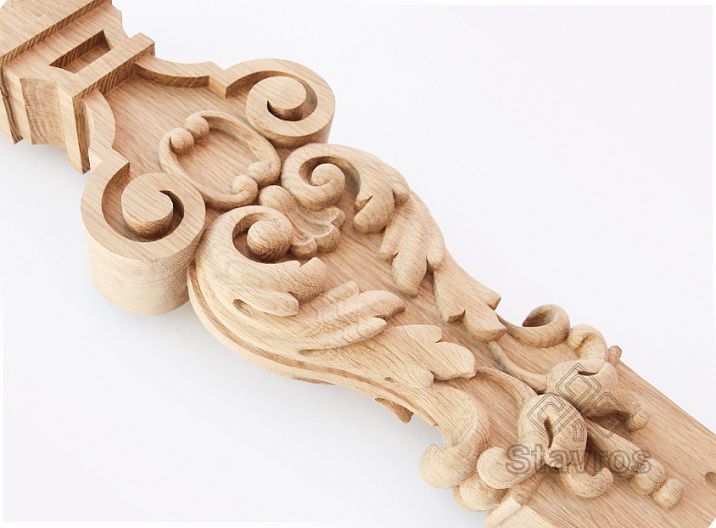
In interior design, decoration plays a key role in creating an atmosphere that reflects the homeowner's individuality and makes the space truly alive. Every detail, from textiles to lighting, contributes to the overall picture, transforming an ordinary room into a place you want to return to. But how to create a harmonious interior? Where to find those very elements that will become the unique feature of your home? where to buy decor for your interior to look stylish and modern? Let's dive into the fascinating world of decorating and uncover the secrets of creating a cozy space.




Philosophy of Modern Decoration: More Than Just Decoration
Decoration is the language your home speaks. It's a way to express yourself, your values, and your preferences through the objects surrounding you. In today's world, the approach to decorating has undergone significant changes. If decorative elements were once seen solely as ornamentation, today they serve multiple functions: from zoning space to creating a specific emotional backdrop.
The philosophy of modern decoration is built on several key principles:
- Functionality. Each element should not only please the eye but also provide practical benefit.
- Ecological sustainability. More and more people are choosing natural materials and sustainable solutions.
- Individuality. Decoration should reflect the homeowner's personality, their hobbies, and life path.
- Harmony. All elements must complement each other and the overall interior style.
When you think about, where to buy decor When decorating your home, it's important to remember these principles. They will help you make thoughtful choices and create a space that will delight you for years to come.




Trends in the World of Decoration: What's Current Today
The world of decoration is constantly evolving, reflecting changes in society and technology. What trends are dominating today?
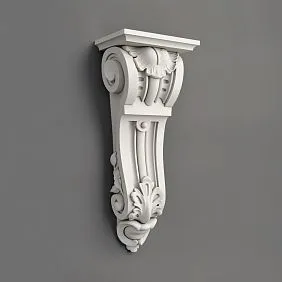
Our factory also produces:





Minimalism with Character
Minimalism remains one of the most popular directions, but it has acquired new features. Now it's not just strict lines and monochromatic colors. Modern minimalism allows for bright accents, unusual textures, and personalized details. The main rule — every item must have its place and purpose.
Get Consultation
Nature-Inspired Motifs
The desire for nature is evident in everything: from material selection to color palette. Wood, stone, linen, cotton — natural materials create a sense of connection with nature even in the most modern interiors. Botanical prints, floral compositions, and elements of biophilic design help bring a touch of nature into urban spaces.
Sustainable design
Ecology is no longer just a fashionable trend, but a way of thinking. More and more people choose decor made from recycled materials, vintage items, and products from local artisans. This is not only care for the planet, but also a way to create a truly unique interior with history.
Mixing styles and eras
which will match current trends, pay attention to stores offering eco-friendly solutions and unique handmade items.
When considering — where to buy decorwhich will match current trends, pay attention to stores offering eco-friendly solutions and unique handmade items.
Key decor elements for different rooms
Each room in the house has its own purpose and requires a special approach to decorating. Let's consider the main decorative elements for different rooms.
Living room: the center of attraction
The living room is a place where we spend time with family and friends, so the decor here should create an atmosphere of comfort and encourage conversation.
Textiles play a key role in creating coziness. Decorative cushions of different sizes and textures, soft blankets, rugs — all these elements add warmth and softness to the interior. Choose textiles that match the main color scheme of the room, but also bring interesting accents.
Wall decor helps personalize the space. These can be paintings, photographs, mirrors, wall panels, or even textile elements. A gallery wall with a collection of favorite images will become a bright accent and reflect your individuality.
Lighting sets the mood. In addition to main lighting, use additional sources: table and floor lamps, wall sconces, string lights. They not only provide functional lighting, but also create a cozy atmosphere in the evening.
Live plants bring life into the interior. They improve air quality, create a connection with nature, and add color to the space. Choose plants according to lighting conditions and your ability to care for them.
Bedroom: oasis of calm
The bedroom is a place for rest and recovery, so the decor here should promote relaxation and good sleep.
Bedding is the foundation of comfort in the bedroom. Choose natural materials that are pleasant to the skin and provide good thermoregulation. The color palette should be calm, promoting relaxation.
Window textiles serve not only a decorative but also a practical function, protecting from light and creating a sense of privacy. Curtains, Roman shades, blinds — the choice depends on the interior style and your preferences.
Decorative elements in the bedroom should be minimalist and not create visual noise. A few favorite photographs, a beautiful vase or sculpture, candles for creating a relaxing atmosphere — that’s enough.
Kitchen: functionality and aesthetics
The kitchen is a place where functionality comes first, but this doesn't mean there's no room for decor.
Textiles in the kitchen should be not only beautiful but also practical. Towels, potholders, napkins, tablecloths — choose materials that are easy to wash and dry quickly.
Tableware and kitchen utensils can become part of the decor. Beautiful cups, plates, wooden cutting boards, ceramic spice jars — all these items can be displayed on open shelves.
Plants on the kitchen create a fresh atmosphere. These can be decorative plants or culinary herbs: basil, rosemary, mint.
When you are looking for where to buy decor for different rooms, pay attention to specialized stores that offer solutions for specific rooms. This will help you create a harmonious space where each element is in its place.
The art of choosing decor: how to avoid mistakes
Choosing decorative elements is a creative process, but there are several rules that will help you avoid mistakes and create a harmonious interior.
Define the style
Before going shopping, determine the style in which you want to decorate the interior. This could be Scandinavian minimalism, bohemian chic, industrial loft, or classic style. Understanding the basic characteristics of the chosen direction will help you make an informed choice and avoid stylistic dissonance.
Consider proportions
The size of decorative elements should match the scale of the room. Large items may 'disappear' in a spacious room, while in a small space they will look bulky. Use the rule of thirds: divide the space horizontally and vertically into three parts and place key decorative elements at the intersections of these lines.
Create focal points
Every room should have a focal point — an element that attracts attention and sets the tone for the entire interior. This could be a fireplace, a piece of art, an unusual piece of furniture, or an architectural feature. The rest of the decor should complement and highlight this focal point, rather than compete with it.
Experiment with textures
Combining different textures makes the interior more interesting and multidimensional. Smooth glass, rough stone, soft fabric, shiny metal — all these materials create tactile variety and visual interest. Don't be afraid to experiment, but remember to maintain balance.
Follow your intuition
In the end, your home should reflect your individuality and bring you joy. Don't blindly follow fashion trends if they don't resonate with your inner feeling. Choose items that evoke an emotional response and create a sense of comfort.
When you ask yourself, where to buy decorwhich will match your vision, pay attention to stores offering designer consultations. A professional perspective will help you make the right choice and avoid common mistakes.
Seasonal decor: how to refresh your interior throughout the year
Changing seasons are a wonderful opportunity to refresh your interior and bring in fresh notes. Seasonal decor helps maintain a connection with natural cycles and creates a sense of novelty without drastic changes.
Spring decor: awakening and renewal
Spring is the time of nature's awakening, and the interior should reflect this energy of renewal.
Color palette: soft pastel tones — mint, lavender, pale pink, light yellow.
Key elements: live flowers, especially spring ones - tulips, narcissus, hyacinths; light, sheer curtains that let in more light; floral textiles.
Decorative accents: Easter decorations, compositions of branches with first leaves, ceramic figurines of birds and animals.
Summer decor: brightness and lightness
Summer is the time of brightness, light, and warmth. Summer decor should create a sense of freshness and spaciousness.
Color palette: vibrant saturated colors - coral, turquoise, lemon-yellow, grass-green.
Key elements: natural materials - rattan, bamboo, sea grass; lightweight textile made of cotton and linen; open windows with minimal decor.
Decorative accents: marine theme - shells, coral, starfish; tropical plants; woven baskets and hanging planters.
Autumn decor: coziness and warmth
Autumn is the time when we begin spending more time at home, and the interior should create a sense of warmth and protection.
Color palette: warm earthy tones - terracotta, mustard, burgundy, olive.
Key elements: heavy textiles - velvet, wool, tweed; numerous blankets and cushions; candles to create warm lighting.
Decorative accents: compositions of autumn leaves, pumpkins, pinecones; dried flower wreaths; ceramic tableware in warm tones.
Winter decor: festivity and magic
Winter is the time of holidays and magic, when decor plays an especially important role in creating the atmosphere.
Color palette: cool tones - silver, blue, white, as well as traditional festive colors - red, green, gold.
Key elements: garlands and other sources of soft light; warm blankets and cushions; aromatic candles with winter scents - cinnamon, pine, orange.
Decorative accents: New Year decorations; compositions of pine branches; figurines of northern animals - reindeer, bears, foxes.
When considering — where to buy decor For seasonal interior updates, pay attention to specialized collections released for specific seasons. This will help you create a harmonious look that matches the time of year.
DIY decor: creativity as a means of self-expression
Creating decor yourself is not only a way to save money, but also an opportunity to add truly unique elements to your interior that reflect your individuality.
Why you should create decor yourself
- Uniqueness. You create items that no one else has.
- Savings. Often, handmade decor is cheaper than store-bought.
- Ecological value. You can use recycled materials and give a second life to old items.
- Creative self-expression. The process of creating decor allows you to express your creative ideas and enjoy the process.
- Pride in the result. Items made by your own hands evoke a special sense of satisfaction.
Ideas for DIY decor
Textile decor: cushions with hand embroidery or applique, patchwork blankets, macrame for walls or planters.
Decor from natural materials: dried flower compositions, wreaths from branches and leaves, crafts from wood, stones, shells.
Decor from recycled materials: lamps from glass bottles, shelves from old boxes, planters from tin cans.
Artistic works: your own paintings, collages, photos in handmade frames.
Even if you don't consider yourself a creative person, there are many simple techniques and workshops that will help you create beautiful decorative items. Start small, and your skills will gradually develop.
Of course, not all decorative elements can or need to be made yourself. When you think about where to buy decorwhich will complement your handmade creations, choose stores offering unique handmade items. This combination will create a truly individual interior.
Decor Psychology: How interior elements affect our mood
Decor is not just about decorating space; it is a powerful tool that affects our psychological state, mood, and even productivity. Understanding the psychological aspects of decor will help you create a space that supports your emotional well-being.
Color and emotions
Color is one of the strongest factors influencing our mood and emotional state.
Blue calms, lowers blood pressure and heart rate. Ideal for bedrooms and relaxation areas.
Green symbolizes nature, promotes concentration, and reduces eye strain. It is well-suited for workspaces and areas where you spend a lot of time.
Yellow stimulates mental activity and creates a sense of joy. It is ideal for kitchens and dining areas, but may become tiresome in large amounts.
Red increases energy and stimulates appetite. It is good for dining areas and social zones, but may create a sense of anxiety when used excessively.
Purple is associated with luxury and creativity. It may stimulate imagination, but in large amounts can cause a feeling of depression.
Shapes and their influence
The shapes we choose for decoration also influence our perception of space.
Round shapes create a sense of harmony and safety. They soften the atmosphere and make the space more welcoming.
Rectangular and square shapes symbolize stability and order. They create a sense of structure and organization.
Triangular and sharp-edged shapes add dynamism and energy. They may create a sense of movement and progress.
Textures and tactile sensations
Textures influence our perception of space on a tactile level.
Soft textures (velvet, satin, wool) create a sense of comfort and security. They are especially important in relaxation areas.
Smooth textures (glass, polished wood, metal) add elegance and modernity. They create a sense of cleanliness and order.
Rough textures (unprocessed wood, stone, ceramic) add character and authenticity. They create a connection with nature and traditions.
Personal Associations
In addition to general psychological effects, decor can evoke personal associations and memories. Photographs, travel souvenirs, family heirlooms — all these items have emotional value and create a sense of belonging and continuity.
When you decide, where to buy decorWhich will positively affect your psychological state, pay attention to which emotions certain items evoke in you. Trust your intuition and choose what creates a sense of comfort and joy.
Decor for different interior styles
Each interior style has its characteristic decorative elements that help create a cohesive look. Let’s consider the features of decor for the most popular styles.
Scandinavian Style
Scandinavian style is characterized by simplicity, functionality, and connection to nature.
Color palette: white, gray, beige with accents of pastel or bright colors.
Key decorative elements: minimalist posters in thin frames, geometric-patterned textiles, candles, live plants in simple pots, wooden accessories, fluffy rugs and blankets.
Materials: wood (especially light-colored varieties), wool, linen, cotton, ceramic.
Loft
Loft — this is industrial aesthetics, open spaces, and unprocessed surfaces.
Color palette: neutral tones with accents of bright colors, often black, gray, brown are used.
Key decorative elements: vintage items, industrial lighting, metallic accessories, graphic posters, neon signs, open shelves with collections.
Materials: metal, unprocessed wood, leather, concrete, brick.
Boho
Bohemian style — this is eclecticism, vibrancy, ethnic motifs, and freedom of self-expression.
Color palette: saturated, bright colors — terracotta, burgundy, emerald, blue, purple.
Key decorative elements: textiles with ethnic patterns, macrame, cushions with tassels and fringes, handcrafted rugs, plants in woven planters, travel items, mirrors in unusual frames.
Materials: natural — wood, rattan, bamboo, cotton, silk, ceramic.
Minimalism
Minimalism — this is simplicity, functionality, and absence of unnecessary details.
Color palette: monochromatic, often white, black, gray with minimal color accents.
Key decorative elements: geometric shapes, abstract art, single expressive objects, functional accessories, minimalist vases.
Materials: glass, metal, concrete, smooth wood, stone.
Classic Style
Classic style - elegance, symmetry, and traditional forms.
Color palette: neutral tones with accents of deep colors - burgundy, emerald, blue, gold.
Key decorative elements: paintings in large frames, carved mirror frames, crystal chandeliers, candelabras, porcelain figurines, antique items, heavy drapes with valances.
Materials: wood of valuable species, marble, bronze, crystal, silk, velvet.
When you think about where to buy decor for a specific interior style, pay attention to specialized stores that offer collections in a particular style. This will help you create a harmonious space without stylistic contradictions.
Budget decor: how to create a stylish interior without large expenses
Creating a stylish interior does not necessarily require large financial investments. There are many ways to refresh the space with minimal costs.
Savings strategies
- Prioritization. Identify key elements that are truly important for your interior, and invest in them. The rest can be replaced with more affordable alternatives.
- Step-by-step updating. Do not try to change everything at once. Gradually update your interior, starting with the most noticeable elements.
- DIY projects. Many decorative elements can be made yourself, which significantly reduces costs.
- Upcycling. Give old items a second life by updating them with paint, new upholstery, or decoupage.
- Seasonal sales. Plan major purchases during sales periods, when you can acquire quality items at significant discounts.
Budget ideas for updating the interior
Textile updates. New cushions, blankets, curtains can completely change the perception of space. Choose textiles that match the existing color palette but add new accents.
Furniture rearrangement. Sometimes it’s enough to simply change the placement of items to make the space look fresh. Experiment with different options until you find the optimal one.
Wall updates. Painting one wall in an accent color, applying wallpaper, or creating a gallery of photos and posters — all are affordable ways to change the room’s appearance.
Plants. Live plants add life and color to the interior. Choose low-maintenance varieties that do not require special care.
Lighting. New lampshades for existing fixtures, garlands, candles — all of this creates a special atmosphere with minimal expenses.
When you are looking for where to buy decor For budget interior updates, pay attention to stores offering seasonal sales, outlets, and second-hand shops. You can find unique items at affordable prices.
Decor for different types of space
Different types of space require different approaches to decoration. Let’s consider the features of decor for various types of rooms.
Small spaces
In small spaces, every centimeter counts, so decor must be not only beautiful but also functional.
Principles of decoration:
- Use vertical space for storage and decoration.
- Choose multifunctional items.
- Prefer light colors and transparent materials that visually expand the space.
- Use mirrors to create an illusion of space.
Key decorative elements:
- Wall shelves and organizers.
- Compact plants in vertical planters.
- Mirrors in decorative frames.
- Light curtains that let in light.
- Compact fixtures that don't take up much space.
Open spaces
Open floor plans require a special approach to zoning and creating a cohesive look.
Principles of decoration:
- Use decor to visually divide space into functional zones.
- Create a unified color scheme with variations for different zones.
- Ensure visual connection between different parts of the space.
Key decorative elements:
- Rugs to define zone boundaries.
- Mobile partitions and screens.
- Different lighting for various functional zones.
- Plants as natural space dividers.
- Consistent decorative elements that create a unified style.
Non-standard spaces
Rooms with unusual geometry, niches, sloped ceilings require a creative approach to decoration.
Principles of decoration:
- Use architectural features as an advantage, not as a problem.
- Create focal points that divert attention from non-standard elements.
- Experiment with non-standard storage and decor solutions.
Key decorative elements:
- Built-in furniture adapted to the space's unique features.
- Decorative lighting that highlights interesting architectural elements.
- Wall murals or wallpapers that visually correct proportions.
- Suspension elements that utilize vertical space.
When you think about, where to buy decor For non-standard spaces, pay attention to stores offering individual solutions and designer consultations. This will help you find optimal options for your unique space.
Decor and technology: modern solutions for smart homes
Modern technologies are increasingly integrated into our daily lives, and decor is no exception. Smart solutions not only make homes more functional but also create a unique atmosphere through innovative decorative elements.
Smart lighting
Smart lighting is not just a way to control light via smartphone — it's the ability to create different lighting scenarios for various situations.
Features:
- Adjust color temperature according to time of day.
- Create preset scenarios for different activities (reading, watching movies, dinner).
- Automatic lighting on and off by schedule or based on presence of people.
- Synchronization with music or video to create an immersive experience.
Decorative elements:
- LED strips for illuminating furniture, niches, and artwork.
- Smart lamps with adjustable color and brightness.
- Projector lights that create patterns and textures on walls.
- Lights with integrated speakers.
Digital art
Digital art is becoming an increasingly popular element of modern decor, allowing you to change the visual appearance of a space without physically replacing items.
Features:
- Digital frames that can display various images or entire galleries.
- TVs with an 'Art' mode that transform into paintings when not in use for their primary purpose.
- Projectors that create images on walls or ceilings.
- Interactive installations that respond to movement or sound.
Decorative elements:
- Digital canvases with changing images.
- Projection systems for creating dynamic frescoes.
- Interactive surfaces that respond to touch.
- Holographic displays for creating three-dimensional images.
Smart plants and ecosystems
Technologies allow integrating living nature into interiors even for those who lack time or skills to care for plants.
Features:
- Automatic watering and feeding systems for plants.
- Smart pots that monitor soil and plant condition.
- Hydroponic systems for growing plants without soil.
- Vertical gardens with integrated care systems.
Decorative elements:
- Smart terrariums with controlled microclimate.
- Decorative hydroponic systems that become part of the interior.
- Vertical plant walls with automatic care.
- Smart aquariums with ecosystems requiring minimal intervention.
When you think about where to buy decor With integration of modern technologies, consider specialized stores offering smart home solutions. This will help you create a modern space that combines aesthetics and functionality.
Conclusion: creating a harmonious space through decor
Decor is not just about decorating space — it’s a way to create an environment that reflects your individuality, supports your emotional well-being, and makes your home truly yours. In this article, we’ve explored various aspects of decorating: from choosing a style to the psychological impact of decorative elements, from seasonal updates to integrating modern technologies.
Key principles to remember when creating decor:
- Authenticity. Your home should reflect your individuality, your values, and your lifestyle. Don’t blindly follow fashion trends if they don’t resonate with your inner sense.
- Harmony. All decorative elements should complement each other and the overall interior style. This doesn’t mean everything has to be the same, but there should be visual cohesion between different elements.
- Functionality. Decor should not only please the eye but also be practical. Each item should have its place and purpose.
- Evolution. Interior should not be static. It can and should change along with you, reflecting new stages of your life, new hobbies, and preferences.
- Mindfulness. Choose decor consciously, considering its origin, eco-friendliness, and impact on the environment.
Creating a harmonious space is a process that requires time, attention, and a creative approach. But the result is worth the effort: a home that supports you, inspires you, and creates a sense of comfort and security.
When you ask yourself, where to buy decorRemember that it's not the quantity of items that matters, but their quality and significance to you. Choose what truly resonates with your soul, and your home will become a true reflection of your individuality.