












































































Article Contents:
- The Role of the Corner in Interior Design
- Features of Choosing a Corner for Internal Wooden Paneling
- Technology of Installing a Corner for Internal Wooden Paneling
- Decorative Value of the Corner in the Interior
- Practical Tips for Maintaining the Corner
- Influence of the Corner on the Overall Atmosphere of the Interior
- Ecological and Aesthetic Advantages of Natural Wood
- Creative Approach to Combining the Corner with Other Elements
- Technical Aspects and Installation Nuances
- Evolution of Wooden Interior Finishing: Traditions and Innovations
- Final Thoughts
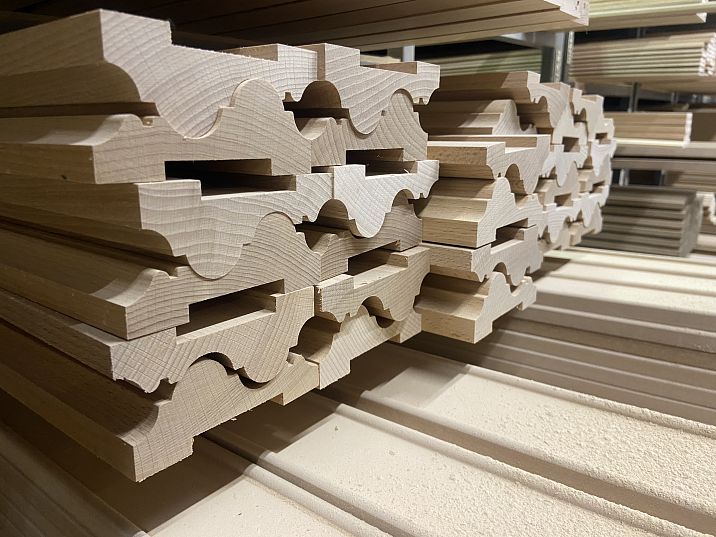
In the world of wooden interior finishes, every element plays its own special role. One of the most important elements capable of transforming an ordinary space into a harmonious work of art isa corner for internal wooden panelingThis indispensable element not only solves technical tasks – sealing joints and protecting against external influences – but also becomes an expressive decorative accent, highlighting the natural beauty of wood. In this article, we will thoroughly examine all aspects of application, features of selection, installation technology, and maintenance of the corner for paneling, as well as the impact of this element on the overall interior aesthetics.
An interior decorated with natural materials always attracts special interest from those who value warmth, coziness, and ecological purity. Wooden finishing, particularly paneling, is capable of creating a unique atmosphere in which every detail speaks of a desire for natural simplicity and high-quality craftsmanship. However, for such finishing to look impeccable, attention must be paid even to the smallest details. It is precisely here thata corner for internal wooden panelingcomes into play, performing both decorative and functional roles.

The Role of the Corner in Interior Design
When finishing interior spaces with paneling, joints and connections inevitably arise where boards meet at an angle. This may be an internal corner of a room where walls meet, or areas where it is necessary to carefully cover a joint between two different surfaces. Here, a perfectly executed corner becomes the element that unites the entire structure, creating a sense of completion and harmony.
First of all, a corner for internal wooden paneling performs the following functions:
● Sealing joints. Properly installed corners prevent dust, moisture, and small insects from entering the gaps between boards, significantly extending the service life of the finishing.
● Protection against damage. At joints, the corner serves as additional protection against mechanical impacts – impacts, scratches, and other damage that may occur during daily use.
● Aesthetic completion. The corner gives the interior a neat, finished look. It helps to unite different finishing elements into a single composition, making the space more cozy and stylish.
Due to its versatility, a corner for internal wooden paneling can be used both in classic interiors and in modern minimalist solutions. It combines well with other finishing elements – door casings, baseboards, and decorative moldings, allowing to create complex compositions with different wood textures and shades.




Features of Choosing a Corner for Internal Wooden Paneling
Choosing a corner is not a simple task, as it must meet several important criteria. First of all, the material from which the corner is made must be of high quality and durable. The natural wood used in producing corners should have a uniform texture, without visible knots or defects. This ensures that the product will not only serve for many years but also become a striking decorative element of the interior.
Also, an important parameter is the shape and size of the corner. It must fit perfectly for a specific type of finishing and match the dimensions of the paneling used. Sometimes one has to choose between classic straight lines and more sophisticated profiles with decorative elements. Depending on the interior style – whether strict minimalism or cozy rustic style – the choice may fall on a different corner construction. Thus, for modern interiors, simple and restrained options are often chosen, while for classic solutions, more complex carving and decorative patterns are allowed.
Do not forget about the technical characteristics of the corner. It must be resistant to mechanical damage, have good adhesion to the paneling surface, and be compatible with the types of fasteners used. Modern technologies allow creating corners that are easy to install and require minimal maintenance. At the same time, it is important that the product retains its original shape and appearance even after prolonged use.
Our factory also produces:



Technology of Installing a Corner for Internal Wooden Paneling
Correct installation of the corner is the guarantee of not only its functionality but also the aesthetic appeal of the entire interior. Installation can be divided into several stages, each requiring attention to detail.
Surface preparation. First of all, it is necessary to ensure that the walls or other elements to which the paneling will be attached are properly prepared. The surface should be flat, clean, and dry. If there are irregularities, they must be eliminated using putty or sanding to ensure maximum adhesion of the corner.
Marking. Using a level and tape measure, accurately mark the locations for installing the corner trim. This is necessary to ensure the final result is symmetrical and harmonious. Each line along which the corner trim will be mounted must be carefully checked — even a small error may negatively affect the overall appearance of the finish.
Mounting the corner trim. Depending on the chosen installation method, the corner trim can be secured using screws, nails, or specialized adhesive. When using mechanical fasteners, it is important that they are not overly visible and do not spoil the appearance of the item. For this purpose, decorative plugs or wood putty are often used, allowing the fasteners to be concealed after installation.
Final finishing. After installing the corner trim, final finishing should be performed. This may include sanding, polishing, or applying a protective coating — varnish, paint, or oil. This stage not only improves the appearance of the corner trim but also protects it from external influences such as moisture, sunlight, and mechanical damage. With proper finishing, the corner trim retains its beauty and functional properties for many years.
Get Consultation
Decorative value of the corner trim in interior design
Modern interior designers increasingly pay attention to small details that can transform a space. A wooden corner trim for interior paneling is one such element that can add not only practicality but also expressiveness to the interior. It can serve as a subtle touch that unifies all decorative elements of the room or as a bold accent highlighting the owner's individuality and taste.
Using the corner trim allows achieving several important effects:
● Creating visual continuity. The corner trim helps conceal joints between finishing elements, making transitions smooth and unnoticeable. This avoids abrupt transitions and creates a sense of continuity and unity in the interior.
● Enhancing texture. The natural wood from which the corner trim is made has a rich texture that becomes especially expressive after proper finishing. The play of light and shadow on the surface of the item can create an impression of depth and volume, significantly enriching the visual perception of the room.
● Decorating corners. Corners of a room are often areas requiring special attention, as dust and dirt tend to accumulate there. Installing a corner trim not only protects such areas but also turns them into decorative accents, giving the interior a finished and well-maintained look.
● Possibility to experiment with finishes. Modern technologies allow manufacturing corner trims with various finishes — from classic natural wood to items coated with varnish or paint. This opens up wide possibilities for designers, enabling them to create unique compositions that combine traditional motifs with modern trends.
Thus, a properly selected and installed wooden corner trim for interior paneling not only performs its primary function but also becomes a key element defining the style and character of the interior.
Practical tips for caring for the corner trim
Like any natural material, wood requires special care and attention. To ensure the corner trim retains its original appearance and functional properties, it is necessary to follow several simple rules.
Regular cleaning. To maintain cleanliness, it is recommended to periodically wipe the corner trim with a soft dry or slightly damp cloth. Avoid using aggressive cleaning agents that may damage the protective coating and cause surface cracking.
Updating the protective coating. Over time, varnish, oil, or paint may begin to lose their properties. In this case, the coating should be renewed to preserve the item's moisture resistance and decorative qualities. Regularly updating the coating helps avoid the appearance of cracks, fading color, and loss of gloss.
Controlling humidity levels. Natural wood reacts to changes in humidity. Avoid sudden changes in indoor climate conditions, especially during winter when the air becomes dry. Using humidifiers can help stabilize microclimate parameters and extend the service life of wooden finishes.
Periodic sanding. If minor scratches or scuffs appear on the corner trim, it is recommended to lightly sand the surface. This will restore the texture's smoothness and ensure better adhesion when reapplying the protective layer.
Preventive inspection. Regularly check the condition of the corner trim, especially at junctions with other finishing elements. Early detection of minor damage allows timely measures to be taken and prevents minor defects from becoming serious issues.
Following these recommendations ensures that the wooden corner trim for interior paneling will continue to delight you with its appearance and reliable functionality for many years.
Influence of the corner trim on the overall atmosphere of the interior
The importance of small details in creating a harmonious interior cannot be overstated. A wooden corner trim for interior paneling becomes an indispensable part of the overall composition, unifying scattered elements into a cohesive system. It helps create a balance between aesthetics and practicality, which is especially important in living spaces, where each element plays its own role.
An installed corner trim visually defines space, giving it structure and organization. It can serve as a kind of frame that highlights the beauty of the main finish and emphasizes key zones of the interior. This is particularly relevant for large rooms, where appropriately chosen decorative elements help create a cozy atmosphere and preserve the feeling of home warmth.
Moreover, the corner trim can influence the perception of space. With proper lighting and a favorable combination of textures, it plays with shadows and light, creating a three-dimensional effect. Such a visual technique adds depth to the interior, making it more dynamic and interesting to view.
Ecological and aesthetic advantages of natural wood
Modern interior design trends inevitably return to natural materials. Wood is not only an eco-friendly product but also a material with a rich history and unique aesthetic qualities. Using natural wood, such as a wooden corner trim for interior paneling, creates an atmosphere where one feels connected to nature and genuine warmth.
The natural texture, natural tones, and unique patterns of wood contribute to creating an authentic atmosphere that synthetic materials cannot replicate. Moreover, natural wood has the ability to 'breathe,' allowing it to regulate humidity in the room and create a healthy microclimate. All of this makes using such finishing elements not only aesthetically appealing but also a functionally justified choice for creating a cozy home.
Creative approach to combining the corner trim with other elements
Modern interior designers actively experiment with combinations of different materials and textures. Combining a wooden corner trim for interior paneling with other decorative elements allows creating a unique space where each element highlights the individuality and character of the room.
For example, the corner trim can be harmoniously combined with window casings, moldings, and baseboards executed in a unified style. Such a comprehensive approach allows creating an effect of a single architectural ensemble, where each detail is in its place and performs its role. As a result, the interior acquires completeness, and attention to details emphasizes care for details and high-quality execution.
When choosing decorative solutions, it is important to consider the overall concept of the interior. If the space is designed in a classic style, a suitable solution would be to use corner trims with rich carving and decorative ornaments, which will emphasize traditional motifs. For modern interiors, more strict lines and minimalist forms are appropriate, creating an atmosphere of minimalism and elegance.
Technical aspects and installation nuances
Installing an internal wooden plank corner requires specific skills and attention. Proper installation ensures not only aesthetic appeal but also the longevity of the entire structure. Several key aspects should be considered:
● Choosing the right fasteners. Using high-quality fasteners securely fixes the corner, avoiding deformations and misalignment. It is recommended to use fasteners specifically designed for wooden structures, which do not compromise the material's integrity.
● Precision marking. Negligence during the marking stage may result in unevenness and visible gaps. Therefore, each line must be checked with a level and tape measure.
● Adapting to room characteristics. Depending on the corner's location (e.g., on an interior wall corner or as a decorative element on a partition), different installation approaches may be required. It is important to consider wall structure features and the impact of climatic factors.
With the right approach, installation becomes a simple and clear process, allowing for a flawless result. Ultimately, all efforts invested in quality corner installation are rewarded by its longevity and aesthetic effect, which will delight the eye every day.
Evolution of wooden interior finishing: traditions and innovations
Wooden interior finishing has always been a symbol of home comfort and warmth. Traditional methods of processing and installing natural wood are passed down from generation to generation, yet modern technologies allow these methods to be refined, making them more practical and durable. An internal wooden plank corner is a clear example of how to combine age-old traditions with innovative solutions.
Today, manufacturers pay special attention not only to the appearance of products but also to their functionality. The use of modern protective coatings, improved wood processing methods, and precise cutting technologies allow creating corners that are perfectly suited for any operating conditions. Such products are resistant to temperature fluctuations, moisture, and mechanical damage, which is especially important for high-traffic areas.
Modern interior design trends require materials to not only meet aesthetic standards but also ecological safety. Natural wood used to manufacture corners meets all modern requirements: it is hypoallergenic, does not emit harmful substances, and contributes to creating a healthy microclimate. Thus, using an internal wooden plank corner becomes an optimal choice for those who aim to combine traditions with innovations, creating a unique space where every detail carries meaning.
Final thoughts
An internal wooden plank corner is not just a small decorative element, but a crucial component of the overall interior composition, capable of transforming the space, making it more cozy, harmonious, and functional. It solves technical tasks such as sealing joints and protecting against external influences, while also serving as a stylish accent that highlights the natural beauty of solid wood.
Investing in quality finishing using natural wood is an investment in your home’s health, comfort, and longevity. A properly selected and installed corner, crafted with attention to detail, can not only delight the eye but also significantly extend the lifespan of the entire finish, preventing cracks, deformations, and other undesirable effects.
Each detail matters: from the choice of wood species to the method of processing and installation. In an era when attention to detail becomes increasingly important, using such elements asa corner for internal wooden paneling, allows creating a unique space reflecting individual style and high-quality standards. This element will be the finishing touch in a complex composition that combines aesthetics, functionality, and ecological safety.
Natural wood will always remain a relevant material for those who value warmth and comfort, and who strive to create an interior capable of bringing joy and inspiration every day. May your home be filled with light, natural harmony, and a unique atmosphere only high-quality wooden products can create. Modern technologies combined with traditional processing methods allow achieving incredible results, and an internal wooden plank corner is clear proof of that.
Anyone striving for perfection in interior design should remember: details matter. It is precisely due to thoughtful details, such as decorative corners, that a sense of completeness and order is created. It is precisely these details that distinguish an ordinary home from a space where one wants to live, create, and enjoy every moment.
May your choice be thoughtful and well-considered, and the result — long-lasting and flawless. Trust quality materials, modern installation technologies, and professional approach, and your interior will not only be beautiful but a true work of art, where every detail tells a story of love for nature and pursuit of perfection.
Thus, an internal wooden plank corner is not just a technical solution, but a true embodiment of aesthetics, practicality, and durability, combining traditional wooden craftsmanship with modern innovations. It allows creating an interior that not only pleases the eye but also preserves warmth, comfort, and health for many years. With proper selection, installation, and maintenance, this element will be a guarantee of flawless appearance and functionality, ensuring harmonious integration of all wooden finishing elements in your home.
Choose the best, trust quality, and create a space where every detail, from large wooden planks to elegantly crafted corners, contributes to achieving perfection. May your home become a place where traditions meet innovations, and every small detail tells a story of care, attention, and love for beauty.





