












































































Article Contents:
- The Philosophy of Ambiance: More Than Just Decoration
- From Functionality to Emotional Impact
- The Balance of Style and Individuality
- The Role of Natural Materials in Creating Authentic Ambiance
- Wood - Eternal Classic of Interior Design
- Stone - Symbol of Strength and Natural Beauty
- Textiles - Softness and Coziness
- Wooden Decor as a Key Element of Interior Ambiance
- Carved Elements - Art in Every Detail
- Wooden Panels and 3D Elements
- Solid Wood Furniture - An Investment in the Future
- Stylistic Directions and Their Impact on Ambiance
- Classic style: Eternal elegance
- Scandinavian style: bright simplicity
- Loft: industrial aesthetics
- Eco-Style: Harmony with Nature
- The Art of Arranging Accents in Interior Design
- Focal Points: How to Guide the Viewer's Gaze
- Playing with Contrasts: Form, Color, Texture
- The Role of Lighting in Creating Atmosphere
- Wooden Items in Different Rooms: Application Features
- Living Room: The Center of Attention
- Bedroom: Territory of Comfort
- Kitchen: functionality and aesthetics
- Bathroom: oasis of relaxation
- Seasonal Updates of Ambiance: How to Maintain Interest
- Spring-Summer Transformation
- Autumn-Winter Coziness
- Festive decoration
- Ambiance of the Future: Trends and Innovations
- Ecology and mindful consumption
- Technology Serving Coziness
- Personalization and Individuality
- Conclusion: Create Your Unique Ambiance
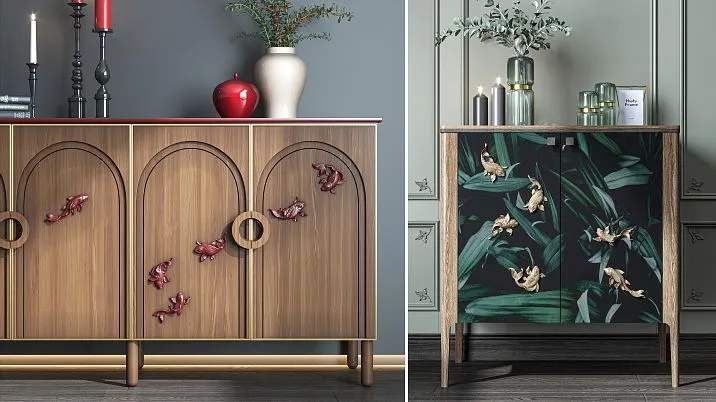
Have you ever wondered why some rooms literally envelop you in coziness, while others, despite expensive furniture and trendy renovations, remain cold and lifeless? The secret lies in the details—the very elements that create a unique ambiance in interior designIt is precisely these elements that transform an ordinary space into a place where you want to live, create, and rest your soul.
Spring 2025 has brought new trends to the world of interior design, but one thing remains unchanged: the human desire to create around themselves an environment that reflects their individuality, warms the heart, and delights the eye. In this article, we will dive into the fascinating world of interior ambiance, reveal the secrets of creating a harmonious space, and explain how to properly select decorative elements so that your home becomes a true work of art.




The Philosophy of Ambiance: More Than Just Decoration
What is ambiance? It is not simply a set of items arranged in a room. It is a whole philosophy, an art of creating an atmosphere that affects all the senses and forms a specific mood. Ambiance is the soul of your home, its character, its voice.




From Functionality to Emotional Impact
The modern approach to furnishing living spaces has long moved beyond simple functionality. We no longer simply furnish rooms with necessary furniture—we create an environment that influences our emotional state, productivity, quality of rest, and even health.
Psychologists assert that the surrounding space shapes up to 40% of our daily mood. Consider this: nearly half of your emotional state depends on what you see around you, the textures you feel, and the scents you inhale. That is why it is so important to create ambiance in interior designan ambiance that resonates with your inner world.
Our factory also produces:



The Balance of Style and Individuality
One of the main mistakes when creating an interior is blindly following fashion trends without considering personal preferences. Designers with years of experience know: only a space that reflects the individuality of its owner becomes truly harmonious.
Do not be afraid to experiment and mix styles. Modern interior design has long moved away from strict canons. Today, eclecticism is in trend — a skillful combination of elements from different stylistic directions. The key is to maintain balance and not turn your home into a chaotic collection of disparate items.
Get Consultation
The Role of Natural Materials in Creating Authentic Ambiance
In the era of synthetic materials and mass production, natural textures acquire special value. They are not only eco-friendly but also possess a unique energy that creates an irreplaceable atmosphere in the home.
Wood - Eternal Classic of Interior Design
Wood is one of the oldest and yet most current materials for creating interior ambiance. It possesses unique properties: it 'breathes', maintains an optimal microclimate in the room, has an incomparable texture and warmth.
Each type of wood has its own character and energy:
- Oak symbolizes strength, reliability, longevity. Furniture and decorative elements made of oak create a sense of solidity and stability.
- Pine brings sunny mood to the home thanks to its warm amber tone.
- Walnut, with its noble dark texture, adds aristocracy and elegance to the interior.
- Birch creates a light, airy atmosphere, filling the space with air.
Wooden elements can appear in interiors in various forms: from solid furniture to delicate decorative details. In 2025, carved panels, three-dimensional wall compositions, and decorative shelves of unusual shapes gained particular popularity.
Stone — symbol of strength and natural beauty
Natural stone is another material capable of transforming an interior, adding it natural beauty and nobility. Marble, granite, onyx, travertine—each type of stone has its unique pattern, created by nature itself.
In modern interiors, stone is used not only for surface finishing but also for creating decorative elements: countertops, vases, candlesticks, sculptures. Especially striking is the combination of stone with wood—these two materials complement each other beautifully, creating a harmonious ambiance in interior design.
Textile — softness and coziness
Textile elements play a major role in creating a cozy atmosphere. Curtains, cushions, blankets, rugs — all these items not only serve a practical function but are also important accents in the interior.
When choosing textiles, prefer natural materials: linen, cotton, wool, silk. They are pleasant to the touch, eco-friendly, and durable. Moreover, natural fabrics work better with other natural materials, creating a harmonious ensemble.
wooden decor as a key element of interior ambiance
Wooden decorative elements occupy a special place in creating interior ambiance. They are capable of transforming any space, adding warmth, coziness, and individuality.
Carved elements — art in every detail
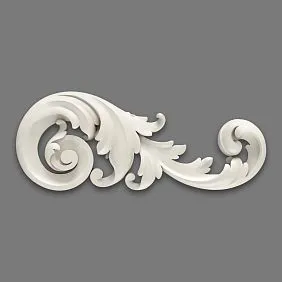
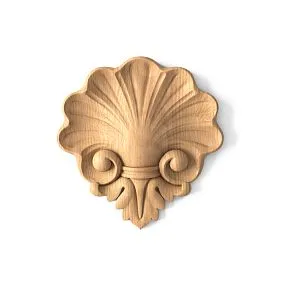
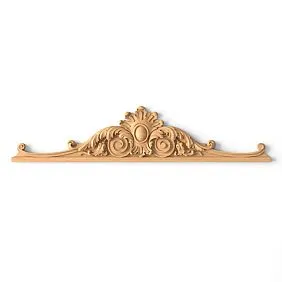
Wood carving is an ancient art that is experiencing a true renaissance today. Modern technologies allow creating carved elements that are astonishing in beauty and complexity, becoming true works of art.
Carved panels, cornices, door casings, decorative grilles — all these elements can become striking accents in the interior. They bring a sense of handcrafted work, individuality, and connection to traditions.
Carved elements look especially effective in interiors designed in classical, ethnic, or rustic styles. However, even in modern minimalist spaces, wooden carving can become an interesting contrasting accent.
Wooden panels and 3D elements
Three-dimensional wooden panels are one of the most current trends in wall decoration. They create an interesting play of light and shadow, adding depth and texture to the space.
Such panels can imitate various natural forms: waves, mountains, geometric patterns. They become not just a decorative element, but a true work of art, the central element of the entire composition.
Solid wood furniture — an investment in the future
Furniture made of natural wood is not just decorative items — it is an investment that will serve for decades and even pass from generation to generation. Tables, chairs, chests, beds made of solid wood do not lose their appeal over time, but instead acquire a unique charm and character.
When choosing wooden furniture, attention should be paid not only to design, but also to the quality of the material and craftsmanship. Good solid wood furniture should be made from properly dried wood, have quality hardware, and flawless finishing.
Stylistic directions and their influence on ambiance
Each interior style implies its own unique ambiance, its own set of decorative elements and accessories. Let’s consider how to create a harmonious space in different stylistic directions.
Classic style: eternal elegance
Classic style is the embodiment of traditions, elegance, and luxury. It never goes out of fashion and always looks noble and refined.
To create a classic ambiance, use:
- Furniture made of valuable wood with carved elements
- Symmetrical compositions
- Crystal chandeliers and wall sconces
- Paintings in ornate frames
- Mirrors with carved frames
- Textiles with classic patterns: damask, stripes, floral motifs
- Decorative pillows with tassels and fringe
- Porcelain vases and figurines
The color palette of a classic interior is usually restrained: beige, cream, gold, muted shades of blue, green, burgundy. Accents are created using textiles and accessories.
Scandinavian style: light simplicity
Scandinavian style is the embodiment of Nordic aesthetics: simplicity, functionality, abundance of light, natural materials.
To create a Scandinavian ambiance, use:
- Light wooden furniture with simple forms
- Textiles made of natural materials: linen, cotton, wool
- Minimalist lighting fixtures
- Handmade ceramics
- Live plants
- Decorative pillows with geometric patterns
- Woven baskets and other elements made of natural materials
The color palette of a Scandinavian interior is primarily white and all shades of light wood. Accents can be created using black, gray, and muted pastel tones.
Loft: Industrial Aesthetic
Loft is a style born in former industrial spaces and adopted their brutal aesthetic: open layouts, brick walls, high ceilings.
To create a loft-style ambiance, use:
- Furniture made of rough wood and metal
- Vintage items and accessories
- Industrial lighting fixtures
- Graphic posters and photographs in simple frames
- Open shelves with decorative elements
- Textiles with geometric patterns or solid colors
The color palette of loft style includes natural tones of brick, concrete, wood, and metal. Accents can be bold: red, yellow, blue.
Eco-style: harmony with nature
Eco-style is a direction that prioritizes ecology, naturalness, and harmony with nature.
To create an eco-style ambiance, use:
- Furniture made of unprocessed or minimally processed wood
- Textiles made of natural materials: linen, cotton, jute
- Woven elements made of rattan, bamboo, reed
- Handmade ceramics
- Large quantities of live plants
- Decorative elements made of natural materials: stone, shells, wood
The color palette of eco-style includes all natural tones: green, brown, beige, gray, blue. It is important that colors are not bright but muted, as in nature.
Art of accent placement in interior design
Creating a harmonious interior is not only about choosing furniture and finishing materials, but also about the skill to properly place accents that attract attention and create the desired mood.
Focal points: how to direct the gaze
Every room should have focal points — elements that attract the gaze and organize the space around them. This could be a fireplace in the living room, an attractive headboard in the bedroom, or an original chandelier in the dining room.
A focal point should be one or several, but not too many, otherwise the gaze will scatter and the space will appear chaotic. All other interior elements should support and complement the main accent, rather than compete with it.
Contrast play: shape, color, texture
Contrasts are a powerful tool in creating an interesting and dynamic interior. They can be expressed in different aspects:
- Contrast of shapes: combination of straight lines and smooth curves
- Contrast of colors: combination of complementary colors or light and dark shades
- Contrast of textures: smooth and rough, matte and glossy, soft and hard
Skillful use of contrasts makes the interior lively and multifaceted. However, it is important to maintain balance — too many contrasts may create a sense of disorder.
Role of lighting in creating atmosphere
Lighting is one of the most important elements in creating atmosphere. It can completely transform a space, highlight its strengths, and conceal its weaknesses.
Modern lighting approach implies a multi-level system:
- General lighting (chandeliers, ceiling fixtures)
- Directional lighting (spotlights, track systems)
- Accent lighting (picture lighting, niches, architectural elements)
- Decorative lighting (desk lamps, wall sconces, garlands)
Properly selected lighting allows creating different usage scenarios for a space: from bright and functional for work to dim and cozy for relaxation.
Wooden Items in Different Rooms: Application Features
Each room in a house has its own function and, accordingly, requires a special approach to creating ambiance. Let's consider how to use wooden elements in different rooms.
Living room: the center of attraction
The living room is a place where the family gathers together and where guests are received. Here, wooden elements can be presented in the most diverse ways:
- Solid wood furniture: sofas with wooden armrests, coffee tables, chests of drawers, bookshelves
- Decorative panels on walls
- Carved cornices and moldings
- Wooden frames for pictures and mirrors
- Decorative shelves with interesting accessories
- Wooden floor vases
In the living room, you can use larger and more expressive wooden elements that will become the focal point of the composition and set the tone for the entire interior.
Bedroom: territory of comfort
The bedroom is a place for rest and recovery, so it is especially important to create an atmosphere of calm and coziness.
Wooden elements in the bedroom can be represented as:
- A solid wood bed
- Nightstands
- A dresser or vanity table
- Decorative headboard
- A wardrobe or wardrobe system
- Decorative photo frames
- Wall panels or carved elements
In the bedroom, it is better to use wood in warm, calm tones that promote relaxation: honey, walnut, cherry. Sharp contrasts and overly dark tones may disrupt the atmosphere of tranquility.
Kitchen: functionality and aesthetics
The kitchen is a place where functionality is paramount, but this does not mean there is no room for beauty and coziness.
Wooden elements in the kitchen can be represented as:
- Cabinet facades
- Solid wood countertop
- Dining table and chairs
- Open shelves for dishes and accessories
- Decorative elements: cutting boards, bread baskets, stands
- Ceiling beams (in suitable interiors)
On the kitchen, it is important to choose wood resistant to moisture and temperature changes. Oak, beech, and ash are suitable. Surfaces should be treated with special protective compounds that prevent damage from water and steam.
Bathroom: oasis of relaxation
The bathroom is a place where we begin and end our day, so it is especially important to create an atmosphere conducive to relaxation and rejuvenation.
Wooden elements in the bathroom require a special approach due to high humidity:
- Furniture made of moisture-resistant wood species (teak, iroko, cedar)
- Wooden floor grids
- Accessories: shelves, stands, laundry baskets
- Decorative wall panels (with appropriate treatment)
In the bathroom, wood must be carefully treated with special moisture-resistant compounds. An alternative could be ceramic or composite materials that mimic the texture of wood.
Seasonal refresh of ambiance: how to maintain interest
An interior, like any space where we spend a lot of time, can eventually become stale. To maintain interest and freshness of perception, one can periodically refresh the ambiance without resorting to major renovations.
Spring-summer transformation
In spring and summer, nature blooms, and this motif can be brought into the interior:
- Add bright accents in textiles: cushions, blankets, curtains
- Use live flowers and plants
- Replace heavy curtains with light, semi-transparent ones
- Add decorative elements with natural motifs: butterflies, birds, flowers
- Use light, fresh scents in diffusers and candles
Autumn-winter coziness
In autumn and winter, when it's cold and cloudy outside, it's especially important to create a warm and cozy atmosphere at home:
- Add warm tones in textiles: ochre, terracotta, burgundy
- Use more candles and warm lighting
- Arrange decorative elements with seasonal motifs: pinecones, acorns, dried branches
- Add fluffy blankets and cushions
- Use warm, spicy aromas in diffusers and candles
Festive decoration
Holidays are a great occasion to refresh the ambiance and create a special mood:
- New Year: Christmas tree, garlands, wreaths, candles, festive textiles
- Easter: spring flowers, decorative eggs, Easter baskets
- Birthday: balloons, garlands, photos of the birthday person
- Romantic evening: candles, rose petals, champagne in beautiful glasses
It is important to remember that festive decor should harmonize with the main interior style, rather than conflict with it.
Ambiance of the future: trends and innovations
The world of interior design is constantly evolving, new materials, technologies, and concepts are emerging. What awaits us in the future?
Eco-friendliness and Conscious Consumption
The trend toward eco-friendliness and mindful consumption continues to grow. More people are choosing natural materials, handmade items, and things with history.
In the ambiance of the future, the following will prevail:
- Materials obtained with minimal harm to the environment
- Items created using traditional craft techniques
- Items that can be recycled or biodegradable
- Multi-functional items that can be used in various ways
Technologies serving coziness
Technologies are increasingly penetrating our lives, and interior design is no exception. However, future technologies will not oppose coziness but serve it:
- Smart lighting that adapts to the time of day and mood
- Aromatization systems creating a specific atmosphere
- Interactive surfaces that can change their appearance
- Technologies integrated into furniture and decor items so they become unobtrusive
Personalization and individuality
In the world of mass production, individuality is increasingly valued. The ambiance of the future will be maximally personalized:
- Items created to individual order
- Items with personal history or meaning
- Elements reflecting the owner's hobbies and values
- Spaces that adapt to the specific needs of an individual
Conclusion: create your unique ambiance
ambiance in interior design - it is not just a set of items, but a reflection of your personality, your values, your lifestyle. Creating it, you create not just a beautiful space, but an environment that will support you, inspire you, bring you joy and comfort.
Do not be afraid to experiment, search for your own style, mix different directions. The main thing is that the result resonates with your inner world, reflects what is important specifically for you.
Remember that interior design is not a static image from a magazine, but a living space that can and should change along with you. Add new elements, remove what has lost its relevance, refresh and transform your home according to new stages of your life.
71.77 $





