Article Contents:
- History of Decorative Elements in Furniture Art
- From Renaissance to the Present Day
- The Significance of Decoration in Modern Interior Design
- Variety of Decorative Elements for Furniture
- Wall-mounted decorative elements
- Moldings and profiles
- Carved elements
- Decorative Hardware
- Inlay and Marquetry
- Materials for Decorative Elements
- Natural Wood
- Polyurethane
- Metal
- Glass and Mirrors
- Ceramics and Porcelain
- Styles of Decorative Elements
- Classic style
- Baroque and Rococo
- Art Deco
- Modern style
- Eclecticism and Fusion
- How to Choose Decorative Elements for Furniture
- Matching Decorative Elements with Furniture and Interior Style
- Proportions and scale
- Quality of Materials and Craftsmanship
- Functionality and practicality
- Harmony with Other Decorative Elements
- Trends in Furniture Decoration for 2025
- Ecological and natural properties
- Minimalism and Functionality
- Mixing Styles and Eras
- Technological Innovations
- Where to Buy Quality Decorative Elements for Furniture
- Specialized stores
- Online Stores
- Workshops and Artisans
- Exhibitions and Fairs
- Conclusion: The Art of Creating Unique Furniture
In the world of interior design, there is an unwritten rule: even the most functional furniture without decorative elements is like a painting without a frame—it fulfills its primary purpose but lacks individuality, character, and that special note which transforms an ordinary object into a work of art. Decorative elements are not merely ornaments; they are a language through which furniture tells the story of its owners, the era, and the culture and traditions.
Over half a century of working in the field of interior design, I have observed how trends have changed, styles have emerged and disappeared, and approaches to space design have transformed. Yet one thing has remained constant: the human desire to create around oneself an environment that is not only functional but also aesthetically appealing, filled with meaning and energy. And decorative elements for furniture play a key role in this.
In this article, I will share with you my knowledge on how to choose and use decorative elements for furniture, which trends are current today, and, of course, I will also tell you, where to buy furniture decor, which will turn your interior items into true masterpieces.


History of Decorative Elements in Furniture Art
Decorating furniture is an art as ancient as the craft of furniture-making itself. Even in ancient Egypt, artisans adorned interior objects with inlays of ivory, precious stones, and metals. In ancient Greece and Rome, furniture was decorated with carving, mosaics, and bronze appliqués. Each era brought its own distinctive features to the art of decorating furniture.




From the Renaissance to our days
The Renaissance gifted the world with ornate carving, Baroque with lavish gilded elements and curved forms, Rococo with asymmetrical ornaments and delicate details. Classicism returned to strict lines and symmetry, while modernism introduced flowing, organic shapes inspired by nature.
The 20th century, with its focus on functionality, temporarily pushed decorative elements to the background, but by the end of the century, interest in them revived with renewed vigor. Today we observe a remarkable synthesis of various styles and eras, where traditional decorative techniques combine with modern materials and technologies.
Our factory also produces:


The significance of decoration in modern interiors
In today's world, where mass production makes furniture accessible and standardized, decorative elements acquire special value. They allow personalizing the interior, giving it uniqueness and character. Decoration becomes a means of self-expression, reflecting the taste and individuality of the owner.
Moreover, in an era of fast consumption and disposable items, high-quality decorative elements for furniture become a symbol of a sustainable approach to home furnishing. Instead of discarding outdated furniture, it can be updated with new decorative details, giving it a second life.
Get Consultation
Variety of decorative elements for furniture
The world of decorative elements for furniture is astonishing in its diversity. From miniature appliqués to large carved panels — each element has its purpose and character. Let us consider the main categories of decorative elements and their features.
Appliqués
Appliqués are, perhaps, the most common category of decorative elements for furniture. They can be made from various materials: wood, metal, polyurethane, plastic. Appliqués are attached to furniture surfaces using glue, screws, or special fasteners.
The variety of shapes and styles of appliqués is breathtaking: from classic rosettes and cartouches to modern geometric and abstract forms. They can adorn cabinet facades, drawer fronts of chests, bed backs, table and chair legs.
If you are considering appliqués, pay attention to specialized stores offering a wide range of items in various styles and sizes. where to buy furniture decor As overlays, pay attention to specialized stores offering a wide variety of items in different styles and sizes.
Moldings and profiles
Moldings and profiles are linear decorative elements used for finishing edges, creating frames, dividing surfaces into sections. They can be straight or curved, simple or complex in shape.
In classical interiors, moldings are often used to create panels on cabinet and chest facades. In modern design, they can emphasize furniture geometry, create contrasting lines and accents.
Moldings are made from various materials: wood, MDF, polyurethane, plastic. The choice of material depends on the furniture style, budget, and usage conditions.
Carved elements
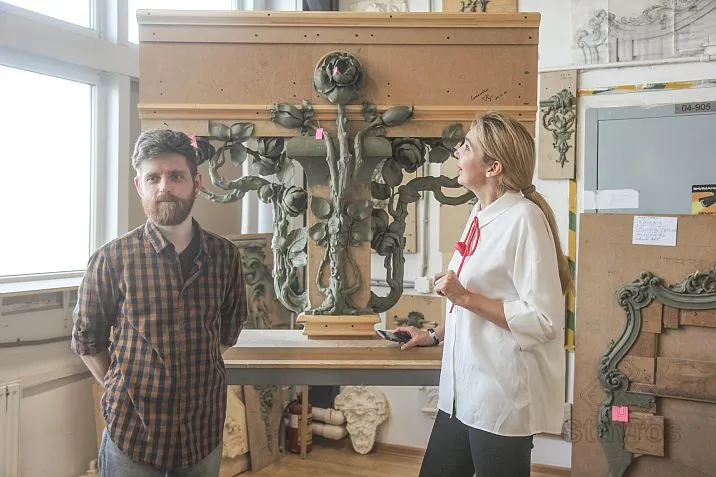
Wood carving is one of the oldest decorative arts for furniture. Carved elements can be standalone decorative details (e.g., column capitals, brackets, balusters), or part of the furniture's overall structure (carved legs, backs, armrests).
Modern technologies allow creating carved elements not only by hand, but also using CNC routers, making them more affordable. However, handcrafted work by a master carver is still especially valued, particularly for complex, detailed elements.
Decorative hardware
Decorative hardware includes handles, hinges, locks, knobs, and corners that not only serve a functional purpose but also serve as decoration for furniture. Choosing decorative hardware can radically change the appearance of an interior item, giving it character and style.
Decorative hardware plays a particularly important role in classical and vintage furniture, where handles and hinges often become true works of art. In modern minimalist design, hardware can be hidden or, conversely, used as a striking accent against clean lines.
Inlay and marquetry
Inlay and marquetry are decorative techniques for furniture using inserts of various materials. Inlay involves inserts made from materials different from the base (e.g., mother-of-pearl, bone, metal in wooden furniture), while marquetry involves creating patterns from veneers of different wood species.
These techniques require high skill and precision, so furniture with quality inlay or marquetry was always especially valued. Today, these traditional techniques are experiencing a new revival, combining with modern materials and design solutions.
Materials for decorative elements
Choosing a material for decorative elements is not only an aesthetic question, but also a matter of practicality, durability, and compatibility with the overall interior style. Let us consider the main materials used to create decorative elements for furniture.
Natural wood
Wood is a traditional and perhaps the most noble material for decorative elements. Each type of wood has its own texture, color, and density, allowing for the creation of diverse effects. Oak, beech, walnut, cherry, maple—each species imparts its own character to decorative elements.
Wooden decorative elements can be painted, stained, lacquered or oiled, or aged using various techniques. This allows adapting them to any interior style, from classic to modern minimalism.
Polyurethane
Polyurethane is a modern material increasingly used for creating decorative elements. It is lighter than wood, resistant to moisture and temperature fluctuations, and not susceptible to insect damage. Polyurethane elements are easy to paint and can imitate various materials: wood, stone, metal.
Polyurethane appliqués and moldings are especially popular, as they allow quickly and effortlessly transform furniture. They are attached using special glue and do not require complex installation.
Metal
Metallic decorative elements give furniture a special charm and character. Bronze, brass, copper, steel — each metal has its own features and aesthetic qualities. Metallic appliqués, corners, handles can be polished, antiqued, or patinated, creating various effects.
Bronze and brass elements with gilding are often used in classic furniture. In modern industrial style, steel details with rough texture are popular. Metallic elements can be functional (handles, hinges) or purely decorative (appliqués, corners).
Glass and Mirrors
Glass and mirror elements add lightness, airiness, and play of light to furniture. They can be used as inserts in cabinet doors, as decorative panels, or as inlay elements.
Faceted glass and mirrors — with beveled edges creating a light-refraction effect — have gained particular popularity. Stained glass inserts are also in demand, adding color and individuality to furniture.
Ceramics and Porcelain
Ceramic and porcelain elements are classic for decorating furniture, especially in Provence, country, and shabby chic styles. Ceramic handles, appliqués, inserts can be solid-colored or painted, glazed or matte.
Vintage ceramic elements with scratches and chips give furniture a sense of history and time.
Styles of Decorative Elements
The choice of decorative elements should match the overall style of the furniture and interior. Let's consider the main stylistic directions and their characteristic decorative elements.
Classic Style
The classical style is characterized by symmetry, proportionality, use of traditional ornaments and motifs. Decorative elements in the classical style often feature plant motifs: acanthus, laurel, rosettes, garlands.
Classic furniture features carved columns and pilasters, capitals, cornices, friezes. Often, gilded or silvered elements, inlays, marquetry are used. The color palette is usually restrained: natural wood tones, white, gold, silver.
Baroque and Rococo
Baroque and Rococo styles are distinguished by opulence, dynamism, and abundance of decorative elements. Baroque features massive, voluminous forms, while Rococo — lighter, elegant, asymmetrical.
These styles widely use carved elements with plant and animal motifs, shells (rocaille), scrolls. Gilding, mother-of-pearl, and ivory inlays are popular. The color palette can be restrained (white with gold) or rich (burgundy, emerald, blue).
Art Deco
Art Deco style combines elements of modernism, cubism, futurism, and ancient Egyptian, African, and Eastern art. It features geometric forms, stepped constructions, zigzags, sun rays.
Decorative elements in the Art Deco style are often made from exotic materials: rare woods, ivory, crocodile skin, mother-of-pearl. Contrasting color combinations, black lacquer, chrome, and mirrors are popular.
Modern Style
Modern style is characterized by minimalism, functionality, and simplicity in decoration. However, this does not mean the complete absence of decorative elements — they simply become more restrained, geometric, and integrated into the overall furniture structure.
In modern furniture, metal inserts, glass panels, contrasting materials and textures are popular. The color palette is usually neutral: white, gray, black, natural wood tones, with possible bright accents.
Eclecticism and Fusion
Eclecticism and fusion are styles that combine elements of various stylistic directions. Here, the most unexpected combinations are possible: classical carved elements with modern metal details, Eastern motifs with European traditions.
The key principle of these styles is harmonious combination of diverse elements, creating a unique, individual furniture image. This requires good taste and sense of proportion, but the result can be truly impressive.
How to Choose Decorative Elements for Furniture
Choosing decorative elements for furniture is a creative process that requires attention to detail, understanding of stylistic features, and sense of proportion. Here are several recommendations that will help you make the right choice.
Matching the Style of Furniture and Interior
The first and most important rule — decorative elements must match the overall style of the furniture and interior. Classical carved elements will be inappropriate for minimalist modern furniture, while chrome details in high-tech style will look out of place in a classical interior.
Study the style of your furniture, pay attention to its characteristic decorative elements. This will help you make a choice that will organically complement the overall concept.
Proportions and Scale
Decorative elements must match the size and proportions of the furniture. Too large details on miniature furniture will look bulky, while small elements on large pieces may disappear and fail to produce the desired effect.
Consider not only the size of the furniture itself, but also the space in which it is located. In small rooms, it is better to use more restrained, minimalist decor, while in spacious interiors, you can afford larger, more expressive elements.
Quality of materials and craftsmanship
The quality of decorative elements directly affects the appearance and durability of furniture. Pay attention to the materials from which the elements are made, the quality of processing, and detailing.
If you are wondering, where to buy furniture decor High-quality, pay attention to the manufacturer's reputation, customer reviews, and warranty availability. High-quality decorative elements may cost more, but they will last longer and look more aesthetically pleasing.
Functionality and practicality
In addition to aesthetic function, decorative elements can also serve a practical role. For example, moldings can hide joints between furniture parts, overlays can mask surface defects, and corners can protect edges from damage.
Consider the operating conditions of the furniture when choosing decorative elements. For furniture used intensively, it is better to choose durable, damage-resistant elements. For children's furniture, it is important that decorative details are safe, without sharp edges or small detachable parts.
Harmony with other decorative elements
Furniture decorative elements must harmonize not only with the furniture itself, but also with other decorative elements in the interior: curtains, rugs, lamps, accessories. This creates a cohesive, harmonious image of the space.
Pay attention to the color palette, textures, stylistic features of other interior elements. Decorative furniture details can echo with them, creating visual connections and rhythms in the space.
Furniture decoration trends for 2025
The world of design is constantly evolving, and furniture decoration is no exception. What trends are relevant in 2025? What will be fashionable in the near future?
Ecological and natural properties
One of the main trends of recent years is eco-friendliness and the use of natural materials. This applies to furniture decorative elements as well. Elements made of natural wood, stone, glass, ceramics, created with minimal environmental impact, are becoming increasingly popular.
Elements made by hand, using traditional techniques and natural dyes are especially valued. Such details are not only eco-friendly but also give furniture uniqueness, individuality, and a connection to traditions and history.
Minimalism and Functionality
The trend toward minimalism and functionality continues to develop, but with new nuances. Decorative elements are becoming more integrated into the overall furniture structure, serving not only an aesthetic but also a practical function.
Hidden, less obvious decorative details that reveal themselves upon closer inspection or use of the furniture are popular. These may include unusual textures, fine lines, delicate material contrasts.
Mixing styles and eras
Eclecticism and fusion continue to remain relevant trends. Bold combinations of elements from different styles and eras create unique, memorable furniture images. Classical carved details can coexist with modern metallic elements, Eastern motifs with European traditions.
The key principle is harmonious combination of diverse elements, creating a unified image despite stylistic diversity of details.
Technological Innovations
The development of technology opens new possibilities for furniture decoration. 3D printing, laser cutting, and digital design allow creating decorative elements of incredible complexity and precision.
Interactive, "smart" decorative elements are especially interesting, which can change their appearance depending on lighting, temperature, or touch. This adds a new dimension to furniture, making it more dynamic and interactive.
Where to buy quality decorative elements for furniture
Choosing where to buy decorative elements for furniture depends on your preferences, budget, requirements for quality and assortment. Let's consider the main options.
Specialized stores
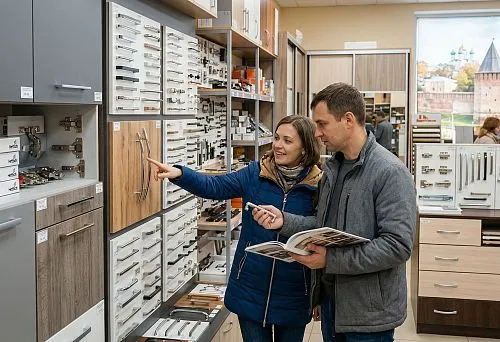
Specialized stores offer a wide variety of decorative elements for furniture in different styles and price categories. Here you can receive professional consultation, see samples, and evaluate the quality of materials and craftsmanship.
If you are wondering, where to buy furniture decor High-quality with the possibility of professional consultation, pay attention to specialized stores with a good reputation and experience.
Online stores
Online stores offer convenience in selection and ordering, a wide assortment, and the ability to compare prices and features. Many online stores provide detailed product descriptions and photos, customer reviews, which helps make an informed choice.
When choosing an online store, pay attention to the seller's reputation, availability of contact information, delivery and return conditions, and quality guarantees.
Workshops and artisans
Workshops and individual artisans offer unique, handcrafted decorative elements that cannot be found in mass production. This is especially valuable if you want to create truly unique, one-of-a-kind furniture.
Working with an artisan allows you to order elements according to a custom project, taking into account all your preferences and furniture specifics. This may be more expensive and take more time, but the result often exceeds expectations.
Exhibitions and fairs
Design and craft exhibitions and fairs are an excellent place to find unique decorative elements for furniture. Here you can meet artisans and designers, see their work, and discuss collaboration opportunities.
Such events also provide an opportunity to get acquainted with new trends, techniques, and materials, which may inspire you with new ideas for decorating furniture.
Conclusion: the art of creating unique furniture
Decorative elements are not just ornaments; they are a way to express individuality, create a unique, one-of-a-kind look for furniture and interior as a whole. They can tell a story, set a mood, highlight a style, and add character to even the most ordinary piece of furniture.
Choosing decorative elements is a creative process that requires attention to detail, understanding of stylistic features, sense of proportion and harmony. But the result is worth the effort: furniture decorated with taste and understanding becomes not just a functional item, but a true work of art that will delight you and your guests for years.
Do not be afraid to experiment, mix styles, and seek unusual solutions. The main thing is that decorative elements reflect your individuality, your taste, your perception of beauty and harmony. And then your furniture will become not just an interior item, but part of your personal story, your unique living space.