Article Contents:
- Why You Should Abandon Doors: Advantages of Open Openings
- Covering Defects
- Improved Natural Lighting
- Free Air Circulation
- Convenience of Movement
- Creating a Unified Stylistic Space
- Additional Decorative Possibilities
- Historical Overview: The Evolution of Opening Frames
- Ancient Era: The Birth of the Portal
- Middle Ages: From Romanesque to Gothic
- Renaissance and Baroque: Return to Classicism
- Classicism and Historicism: Rigor and Eclecticism
- Modernism and Contemporary Style: New Aesthetics
- Shapes and Types of Doorless Openings
- Rectangular Openings: The Classic Genre
- Arched Openings: Elegance of Curves
- Trapezoidal Openings: Dynamics and Originality
- Asymmetrical Openings: Creative Approach
- Materials for Framing Doorless Openings
- Wood: Eternal Classic
- MDF: Practical Solution
- Gypsum Board: Universal Solution
- Polyurethane: Modern Possibilities
- Decorative Stone and Brick
- Metal and Glass: Contemporary Aesthetics
- Stylistic Solutions for Framing Doorless Openings
- Classic Style: Harmony and Proportion
- Modern Minimalism: Simplicity and Functionality
- Loft and Industrial Style: Brutality and Authenticity
- Ethnic styles: cultural diversity
- Eclecticism and Fusion: Mixing Styles
- Manufacturing and Installation Technologies for Frames
- Design and Preliminary Work
- Technologies for Working with Wood
- Working with Gypsum Board
- Installation of ready-made elements
- Decorative Elements and Finishing Techniques
- Moldings and Cornices
- Pilasters and Columns
- Carving and Inlay
- Painting and Gilding
- Integrated lighting
- Practical recommendations for selection and care
- Choosing style and material
- Proportions and Dimensions
- Care for frames made of various materials
- Modern Trends in Frameless Doorways
- Minimalism and Functionality
- Ecological and Natural Materials
- Integration with Smart Home
- Individualization and Personalization
- Conclusion
In modern interior design, more attention is being paid to creating open, free spaces where boundaries between rooms become conditional. Abandoning traditional interior doors in favor of open doorways is a trend that not only visually expands the space but also creates a sense of interior unity. However frameless doorway requires a special approach so that such an architectural element becomes a true decoration of the room, rather than appearing as an unfinished construction.
Correctly designed frameless doorway can become a true work of art, an architectural focal point, setting the tone for the entire interior. From classical porticos with columns to minimalist constructions – there are many options frameless doorway exist, and the choice depends on the overall style of the room, its functionality, and your personal preferences.
In this article, we will consider various aspects of designing frameless doorways: from historical background to modern trends, from material selection to installation technologies. You will learn how to turn an ordinary passage between rooms into an eye-catching design element that will delight the eye and harmoniously fit into the overall concept of your home.




Why abandon doors: advantages of open doorways
Before diving into the world of decorative solutions for frameless doorwaylet's consider why more and more people are abandoning traditional interior doors in favor of open passages.




Visual space expansion
One of the main advantages of open doorways is visual expansion of space. Especially relevant for small apartments where every square meter counts. The absence of doors creates a sense of spaciousness and airiness, allowing light to freely pass from one room to another.
Our factory also produces:




Improved Natural Lighting
Open doorways facilitate better distribution of natural light throughout the house. Even if windows are present only in one room, light will penetrate into adjacent rooms, making them brighter and cozier.
Get Consultation
Free Air Circulation
Without doors, air freely circulates between rooms, promoting better ventilation and creating a comfortable microclimate throughout the house.
Convenience of Movement
Open doorways provide more convenient movement between rooms, which is especially important for people with disabilities or families with young children.
Creating a Unified Stylistic Space
frameless doorway allows creating a unified stylistic space where all interior elements harmoniously complement each other.
Additional Opportunities for Decoration
Open doorways provide additional opportunities for decorative design, allowing to create unique architectural elements that become focal points in interior design.
Historical Excursion: Evolution of Doorway Framing
History frameless doorway dates back to millennia and is closely linked to the development of architectural styles and construction technologies.
Ancient Era: Birth of the Portal
In the architecture of ancient Greece and Rome, doorways were often framed as portals with columns and entablature. Such framing not only adorned the building but also emphasized the importance of the entrance. Many elements of ancient portals – columns, pilasters, friezes, cornices – are still used in doorway framing today.
Middle Ages: from Romanesque to Gothic
In medieval architecture, openings acquired new forms and decorative elements. Romanesque style was characterized by massive semicircular arches, while Gothic brought pointed arches and rich sculptural decoration. Gothic portals of cathedrals were complex architectural compositions with numerous symbolic elements.
Renaissance and Baroque: Return to Classicism
The Renaissance revived interest in classical forms, but with a new understanding of proportions and space. frameless doorway Renaissance style was distinguished by harmony and symmetry. Baroque added dynamism and theatricality—complex curved forms, broken pediments, lavish decoration.
Classicism and Historicism: Rigor and Eclecticism
Classicism returned architecture to the strictness and rationality of classical forms. frameless doorway This style was characterized by symmetry, restraint, and precise adherence to proportions. The 19th century, with its fascination for historical styles, produced numerous eclectic solutions—from neo-Gothic to neo-Baroque.
Modern and Contemporary: New Aesthetics
At the turn of the 19th and 20th centuries, the modern style proposed a fundamentally new approach to opening design—smooth, flowing lines, asymmetrical compositions, natural motifs. Contemporary architecture offers endless variety of solutions—from minimalist structures to complex compositions using innovative materials.
Forms and Types of Openings Without Doors
Choosing the shape of an opening is one of the key moments in creating frameless doorway. Let's consider the main options and their features.
Rectangular Openings: Genre Classic
Rectangular shape—the most common and universal option. Such openings fit easily into any interior, from classic to modern. A rectangular opening can be styled minimally or with decorative elements—moldings, pilasters, cornices.
Arched Openings: Elegance of Curves
Arches give interiors a special expressiveness and elegance. There are several types of arched openings:
- Semicircular arches—the classic option, suitable for traditional interiors
- Elliptical arches—a more refined and elegant option
- Pointed arches—characteristic of Gothic style
- Crescent-shaped arches—typical of Eastern style
- Multi-centered arches—complex arches with several radii
Arched openings visually increase the height of a room and create a sense of spaciousness. They look especially good in classical, Mediterranean, and Eastern interiors.
Trapezoidal Openings: Dynamics and Originality
Trapezoidal shape of an opening creates an interesting visual effect and adds dynamism to the interior. Such openings look good in spacious rooms with high ceilings. When the opening is framed without a door with trapezoidal shape, it is important to note that visually it may 'consume' space, so it is better to use light materials and minimalist decor.
Asymmetrical Openings: Creative Approach
Asymmetrical openings—a bold solution for modern interiors. They may have irregular shapes, curved outlines, complex geometry. Such openings become true works of art and central design elements. Asymmetrical forms are characteristic of modern, avant-garde, and deconstructivist styles.
Materials for Framing Openings Without Doors
Choice of material for frameless doorway depends on many factors: interior style, budget, practical requirements. Let's consider the main options.
Wood: eternal classic
Wood—one of the most popular materials for frameless doorwayIt possesses natural beauty, warmth, and eco-friendliness. Wooden frames can be made from various species:
- Oak – strong, durable material with an expressive texture
- Spruce – affordable material with a soft texture, easily processed
- Beech – hard wood with a uniform structure, well accepts finishing
- Ash – strong material with a beautiful wood grain pattern
- Exotic species (mahogany, wenge, teak) – for exclusive solutions
Wooden frameless doorway can be executed in various styles – from classic carved moldings to modern minimalist constructions. Wood combines well with other materials – stone, metal, glass.
MDF: practical solution
MDF (medium-density fiberboard) – popular material for frameless doorwaycombining affordable price with good operational characteristics. MDF is easy to process, does not deform, has a smooth surface that can be painted or covered with film imitating various materials.
For framing openings, special MDF trim and moldings are used, which can have various shapes and designs. MDF panels allow creating an impressive frameless doorway in any style – from classic to modern.
Gypsum board: a universal solution
Gypsum board – a universal material for creating frameless doorway of any shape and configuration. It is easy to install, allows creating complex structures, has a smooth surface ready for finishing.
Gypsum board structures can be plastered, painted, wallpapered or covered with decorative plaster. Gypsum board is especially convenient for creating arched and asymmetrical openings, as well as for embedding lighting and decorative niches.
Polyurethane: modern possibilities
Polyurethane elements – a modern solution for decorative frameless doorwayThey are lightweight, strong, moisture-resistant, not susceptible to rot or insect damage. Polyurethane moldings, cornices, pilasters, rosettes allow creating an impressive classical frame without high costs.
Polyurethane elements are easily mounted on adhesive, can be painted in any color, do not crack or deform over time. Polyurethane elements are especially popular for creating ornamental decoration in Baroque, Rococo, and Empire styles.
Decorative stone and brick
Decorative stone and brick – effective materials for frameless doorwaycreating a sense of solidity and luxury. They can be natural or artificial. Natural stone (marble, granite, limestone) is mostly used in expensive interiors, artificial stone is more affordable and easier to install.
Decorative brick looks great in loft, industrial, rustic interiors. It can cover the entire opening surface or only individual elements. Ceramic tile is a convenient material for covering openings, imitating brickwork.
Metal and glass: modern aesthetics
Metallic elements (aluminum, steel, brass) and glass – materials characteristic of modern interiors. They create a sense of lightness, airiness, and technology. Metallic profiles can serve as both structural and decorative elements frameless doorway.
Glass inserts, stained glass, mirror elements add originality to the opening and visually expand the space. Combination of metal and glass is especially characteristic of high-tech, minimalism, and loft styles.
Stylistic solutions for framing openings without doors
Style frameless doorway should match the overall interior style. Let's consider the main stylistic directions and their characteristic solutions.
Classic style: harmony and proportion
Classical frameless doorway characterized by symmetry, proportionality, and use of traditional architectural elements:
- Pilasters or columns on the sides of the opening
- Cornices and friezes
- Sundries (decorative elements above the opening)
- Lock stones in arched openings
- Moldings with a classic profile
Color palette of classic frames is usually restrained – white, beige, pastel tones, imitation of valuable wood or natural stone. Classic frames are often supplemented with stucco, carving, and gilding.
Modern minimalism: simplicity and functionality
Minimalist frameless doorway distinguished by simplicity of forms, absence of excessive decoration, and emphasis on material quality:
- Simple geometric forms
- Minimal decorative elements
- Emphasis on texture and material quality
- Contrasting color solutions
- Functionality of each element
Minimalist frames fit well into modern interiors without visually overloading the space. They can be made of wood, MDF, metal, glass, or their combinations.
Loft and industrial style: brutality and authenticity
For loft and industrial styles are characteristic frameless doorway with elements of 'industrial aesthetics':
- Exposed brickwork
- Roughly processed wood
- Metal elements with visible weld seams
- Unfinished concrete
- Weathered surfaces
In such interiors, openings are often intentionally left "unfinished" to emphasize the industrial character of the space. The color palette consists of natural tones of brick, concrete, metal, and wood.
Ethnic styles: cultural diversity
Different cultural traditions offer unique solutions for frameless doorway:
- Mediterranean style – arched openings, light plaster, terracotta tones
- Eastern style – horseshoe arches, mosaics, carved wood, complex ornaments
- Russian style – carved casings with traditional patterns, kokoshniks
- Scandinavian style – light wood, simple forms, functionality
Ethnic frameless doorway allow creating a unique, distinctive space reflecting cultural traditions and history.
Eclecticism and fusion: mixing styles
Modern interiors often combine elements of various styles, creating unique, personalized spaces. frameless doorway In an eclectic interior, one may combine classical forms with modern materials, traditional techniques with innovative solutions.
In eclecticism, the key is to create a harmonious image where different elements complement each other, rather than conflict. This requires good taste and understanding of design principles.
Manufacturing and installation technologies for frames
Creating Quality frameless doorway Requires not only artistic taste but also technical skill, knowledge of material properties and technologies for their processing.
Design and preparatory work
The process of creating moldings begins with design – defining style, dimensions, proportions, materials, and decorative elements. At this stage, detailed drawings or 3D models are created, allowing visualization of the final result.
Preparatory work includes:
- Precise measurements of the opening
- Surface preparation – cleaning, leveling, priming
- Marking for precise positioning of elements
- Material preparation – cutting, pre-processing
Woodworking technologies
Creating wooden opening frames without doors – is an art requiring deep understanding of wood properties and mastery of various processing techniques.
The process includes the following stages:
- Selection and preparation of material – the wood must be well-dried (moisture not exceeding 12-15%), without visible defects.
- Cutting – manufacturing blanks of the required size with allowances for processing.
- Creating profile – using milling or hand tools, a decorative profile is formed according to the selected design.
- Carving (if necessary) – creating decorative elements using chisels, gouges, or modern CNC equipment.
- Sanding – careful surface treatment to remove irregularities and create a smooth surface.
- Assembly – joining individual elements using glue, dowels, screws, or other fasteners.
- Finishing treatment – priming, tinting, varnishing, or painting to protect wood and achieve the desired appearance.
Working with drywall
Creation frameless doorway made of gypsum board includes the following stages:
- Creating a frame from metal profiles or wooden beams. The frame must provide structural rigidity and correct geometry of the framing.
- Attaching gypsum board – sheets are cut to size and secured to the frame using self-tapping screws.
- Sealing joints and corners – joints between gypsum board sheets are filled with spackling compound using reinforcing tape. Corners are reinforced with perforated corner brackets.
- Final finishing – the surface is spackled in several layers, sanded, primed, and painted or covered with wallpaper.
Drywall is especially convenient for creating arched openings. Special flexible sheets or cuts are made on standard drywall, allowing it to take the required shape.
Installation of ready-made elements
Installation of ready-made elements frameless doorway – a critical stage, the quality of which affects not only the appearance but also the durability of the structure.
The installation process includes:
- Surface preparation – cleaning, leveling, priming.
- Marking – drawing lines for precise positioning of elements.
- Mounting elements – different methods are used depending on the material:
- Wooden elements are fastened with nails, screws, or glue.
- Gypsum elements are secured with adhesive, screws, and anchors.
- Polyurethane elements are installed using special adhesive.
- Joint treatment – filling gaps, spackling, sanding.
- Final finishing – painting, varnishing, patination.
Special attention during installation is paid to the accuracy of connections, especially at corner joints. The most popular and aesthetic method of connection is "on the edge" or "on the angle," where elements are cut at a 45° angle and joined to form a neat joint.
Decorative elements and finishing techniques
frameless doorway can be supplemented with various decorative elements and finishing techniques that give it individuality and expressiveness.
Moldings and cornices
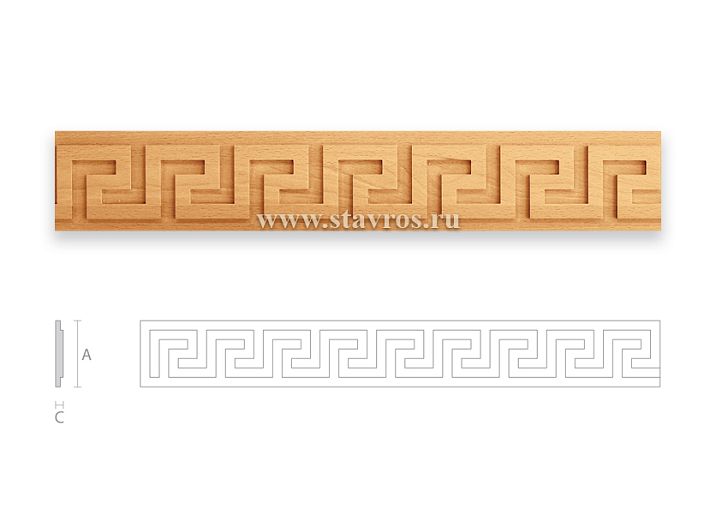
Moldings – decorative profiled strips used to finish joints, corners, and transitions between different surfaces. They can have simple or complex profiles and be smooth or carved with ornamentation.
Crown moldings – horizontal projecting elements often used at the top of openings. They can be simple or multi-tiered, with smooth or profiled surfaces.
Moldings and crown moldings allow creating an impressive frameless doorway in classical style, highlight architectural features of the room, conceal irregularities and defects.
Pilasters and columns
Pilasters – flat vertical protrusions on wall surfaces, imitating columns. They can be smooth or fluted (with vertical grooves), with capitals of various orders.
Columns – vertical supports with circular or polygonal cross-sections, which can be both structural and decorative elements. They consist of a base, shaft, and capital.
Pilasters and columns give opening frames without doors monumentality and grandeur characteristic of classical architecture.
Carving and Inlay
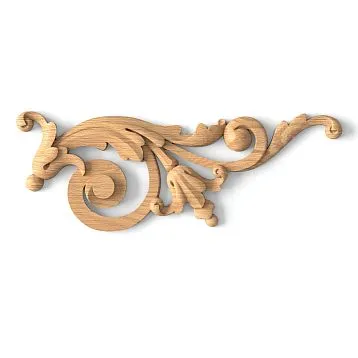
Carving – a decorative wood processing technique that creates relief or through patterns. Carved elements can be plant, geometric, zoomorphic, or anthropomorphic.
Inlay – a surface decoration technique involving embedding fragments of other materials (wood of different species, metal, mother-of-pearl, bone) into the surface.
Carving and inlay allow creating a unique, artistically expressive frameless doorwayhighlighting the individuality of the interior.
Painting and Gilding
Painting – applying decorative images to a surface using paints. This can be ornamental painting, imitation of various materials (marble, malachite), or narrative compositions.
Gilding – applying a thin layer of gold or gold-imitating materials to a surface. Several gilding techniques exist – on polyment, on mordant, and faux gold.
Painting and gilding add opening frames without doors luxury and refinement characteristic of palace interiors.
Integrated lighting
Modern technologies allow integrating with frameless doorway various lighting systems:
- LED strips hidden in niches or behind cornices
- Spotlights built into the upper part of the frame
- Lighting panels integrated into the structure
Integrated lighting creates interesting lighting effects, highlights architectural features of the opening, and provides additional functional lighting.
Practical recommendations for selection and care
Choosing frameless doorway – a responsible solution that must take into account multiple factors. Let us consider the main recommendations that will help make the right choice and ensure the longevity of the structure.
Style and material selection
When choosing the style and material of the frame, consider:
- Building architectural style – the frame must harmoniously fit into the overall architectural concept.
- Interior style – the framing should match the overall stylistic solution of the room.
- Functional purpose – different types of rooms (living rooms, kitchen, bathroom, office) have their own specifics and requirements.
- Practical aspects – resistance to moisture, mechanical damage, ease of maintenance.
- Budget – the cost of different materials and technologies may vary significantly.
Proportions and sizes
Correct proportions are a key aspect of aesthetically appealing frameless doorway. When designing, it is necessary to consider:
- Ratio of width to height of the opening
- Ratio of opening size to room size
- Proportions of individual framing elements
- Visual balance with other architectural elements
Classical proportions based on the golden ratio provide a harmonious perception of the framing. However, in modern design, bolder and asymmetrical solutions are also possible.
Care for frames made of various materials
Proper care of framing of an opening without a door will help preserve its aesthetic and functional qualities for many years:
Wooden frames:
- Regular cleaning from dust with a soft brush or vacuum cleaner
- Periodic treatment with special compounds to protect against moisture, insects, and UV radiation
- Updating the paint coating as it wears out
- Avoiding contact with water and aggressive cleaning agents
Gypsum board trims:
- Cleaning with a soft brush or vacuum cleaner
- Removing dirt with slightly damp cloth
- Periodic updating of the paint finish
- Careful handling to prevent mechanical damage
Polyurethane frames:
- Cleaning with soft damp cloth using neutral cleaning agents
- Avoiding contact with solvents and abrasive materials
- Protection from direct sunlight to prevent fading
- Periodic inspection of fasteners and joints
Modern trends in framing openings without doors
interior design is constantly evolving, and frameless doorway is no exception. Let's consider modern trends in this area.
Minimalism and Functionality
Modern interiors tend toward minimalism and functionality. frameless doorway in such an interior is characterized by:
- Clean, concise lines
- Absence of excessive decoration
- Emphasis on material quality and precision of execution
- Functionality of each element
- Integration with other interior elements
Eco-friendliness and natural materials
The trend toward eco-friendliness and sustainability is also reflected in the opening is framed without a door:
- Use of wood from responsibly managed forests with FSC or PEFC certification
- Use of natural finishing materials – clay plaster, lime solutions, natural paints and oils
- Use of recycled or recyclable materials
- Creating structures that improve building energy efficiency
Integration with Smart Home
Modern technologies allow integrating frameless doorway with smart home systems:
- Built-in motion and presence sensors
- Integrated lighting controllable via smartphone
- Climate control systems integrated into the opening structure
- Multimedia systems integrated into the framing
Individualization and Personalization
Modern technologies allow creating unique, personalized frameless doorway, reflecting the owner's individuality:
- Use of 3D modeling and visualization to create unique designs
- Application of digital manufacturing technologies – CNC milling, 3D printing
- Integration of personal symbols, monograms, family crests into the frame design
- Creating frames that reflect the owner's professional interests, hobbies, and cultural preferences
Conclusion
frameless doorway – it is not merely a decorative element, but an important architectural detail that shapes the character of the space, creates a specific mood and atmosphere. From majestic porticos with columns to minimalist structures – each framing reflects the aesthetic ideals of its era and the functional needs of its users.
Choosing the style, material, and manufacturing technology for the trim should consider numerous factors – from architectural context to practical aspects of use. Modern technologies expand possibilities for creating unique, personalized solutions that combine aesthetic appeal with functionality and durability.
Correctly selected and quality-executed frameless doorway will not only be a decoration of the house, but also a durable architectural element that will delight its owners for many years.
Company "Stavros" offers a wide range of solid wood products for creating magnificent frames – moldings, cornices, baseboards and other decorative elements. High-quality materials, precision manufacturing and attention to detail guarantee an outstanding result that will exceed your expectations and become a source of pride for many years.