Article Contents:
- Introduction: The Significance of Wood Materials
- Historical context and traditions
- Ecological Purity and Sustainability
- Thermal Insulation, Soundproofing, and Structural Strength
- Aesthetic Appeal and Cultural Heritage
- Natural Wood
- Treated Wood
- Laminated Wood
- Composite Wood Materials
- Wood-Polymer Composites (WPC)
- Construction and Architecture
- Furniture Manufacturing and Interior Design
- Finishing and decorative treatment
- Industrial Applications and Infrastructure
- Modern Wood Processing Methods
- Innovative Coatings and Protective Formulations
- Automation and Digital Technologies
- Role in Preserving Traditions and Crafts
- Wood in Modern Art and Design
- Criteria for Choosing Quality Materials
- Maintenance and regular servicing
- Restoration and renewal
- New Technologies and Sustainable Development
- Innovations in Design and Architecture
- Global Trends and Cultural Changes
In the context of rapid technological advancement and global changes in construction, architecture, and design, natural wood continues to occupy a central position. Today, in every field—from traditional crafts to modern innovative solutions—wood materials are usedallowing the creation not only of functional, but also aesthetically flawless objects. In this article, we will thoughtfully and deeply analyze the significance of wood, examine its varieties, processing methods, and wide range of applications. We will strive not only to present information but also to earn your trust through careful reasoning, a lively writing style, and proper use of key terms.


Introduction: Value of Wood Materials
Today, as the world actively discusses issues of ecology, energy efficiency, and sustainable development, it becomes evident thatwood materials are used not merely as a decorative element, but as a basis for creating safe, durable, and ecologically clean structures.




Historical Context and Traditions
Since ancient times, wood has played a crucial role in human daily life and economic activities. Primitive civilizations used wood for constructing shelters, making tools, and creating decorative elements reflecting their cultural traditions. Craft traditions passed down from generation to generation continue to be reflected in the modern use of natural materials, where processing technology combines with rich cultural heritage.
Modern wood processing technologies allow not only to preserve its unique properties but also significantly expand its range of applications. This becomes especially relevant in an era when material requirements are constantly increasing, and the need for eco-friendly resources becomes a decisive factor in construction and design.
Our factory also produces:


Advantages of Using Wood Materials
Get Consultation
Ecological Purity and Sustainability
One of the main advantages of natural wood is its ecological nature. Unlike synthetic materials, wood has the ability to biodegrade, making it a renewable resource. When rational harvesting and processing rules are followedwood materials are usedwhich not only reduce environmental impact but also contribute to building a sustainable economy.
In the context of global ecological challenges and climate change, wood becomes an important element of green construction. Using natural materials allows creating objects that meet international standards for ecological safety and energy efficiency, and also contributes to preserving biodiversity.
Thermal Insulation, Sound Insulation, and Structural Strength
Wood possesses unique thermal insulation properties. Its natural structure helps maintain an optimal microclimate in rooms, which is especially important in areas with sharp temperature fluctuations. In addition, wood demonstrates high sound insulation characteristics, making structures made from it create a comfortable space for living and working.
Structural strength of wood is confirmed by centuries of practice. With proper care and use of modern processing technologieswood materials are usedcapable of withstanding significant loads without losing their aesthetic appeal. This makes it indispensable in construction, restoration of historical objects, and creating designer interiors.
Aesthetic Appeal and Cultural Heritage
Natural wood possesses an unparalleled texture, warm color palette, and rich wood grain pattern, making it a unique decorative element. Each wooden item reflects both natural beauty and the craftsmanship of artisans capable of conveying the spirit of their time and traditions. In today's world, where mass production often leads to loss of individuality, wooden items once again become symbols of uniqueness and high style.
Varieties of Wood Materials
Modern industry offers a wide range of wood-based materials, each with its own features and applications. Let's consider the main types:
Natural wood
Natural wood is an unprocessed material obtained directly from tree trunks. Its characteristics depend on the species, age, growing conditions, and harvesting method. The advantages of natural wood lie in its high strength, natural beauty, and ecological safety. It is often used as a base for creating furniture, interior elements, and construction.
Treated Wood
Treated wood undergoes several technological stages, such as drying, sanding, varnishing, and painting. Thanks to modern processing methods, this type of material gains improved properties: increased resistance to moisture, insects, and atmospheric conditions. Using modern coatings and protective agents allows significantly extending the service life of products while preserving their aesthetic qualities.
Laminated Wood
Laminated wood is created by bonding several layers of natural wood using special adhesive compositions. This technology allows achieving high dimensional stability, eliminating deformations, and ensuring even load distribution. Laminated products are popular in furniture manufacturing and interior finishing, as they combine the strength of natural material with the aesthetic appeal of decorative layers.
Composite Wood Materials
Composite materials are combinations of wood and synthetic components such as polymers, resins, or special fillers. These materials have several advantages, including increased wear resistance, resistance to rot, and minimal susceptibility to moisture. Due to their flexibility in shaping and variety of properties, composites are used both in construction and furniture manufacturing, where high strength is required while maintaining lightweight construction.
Wood-Polymer Composites (WPC)
WPC is one of the varieties of composite materials that has gained widespread popularity in recent decades. Combining natural wood with modern polymer technologies, such products exhibit improved mechanical properties, high resistance to environmental influences, and long service life. They are often used for creating outdoor structures, outdoor furniture, and decorative finishing of public spaces.
Application of Wood Materials in Various Industries
Construction and architecture
In construction, wood occupies a unique position, thanks to its physical and aesthetic qualities. Modernwood materials are used Not only do they ensure the reliability and longevity of structures, but they also become a distinctive design element. Using natural wood allows creating buildings that feature high energy efficiency, natural thermal regulation, and unique architectural aesthetics.
Architects actively experiment with various types of wood when constructing facades, partitions, staircases, and decorative elements. Using wood-based materials allows not only preserving ties with traditional craftsmanship but also implementing modern innovative solutions capable of meeting even the highest requirements for safety and eco-friendliness.
Furniture production and interior design
Furniture made from natural wood possesses a unique charm and durability. Craftsmen and designers value wood for its ability to create a cozy, warm atmosphere in interiors. Both solid wood blocks, laminated panels, and composite materials are used, offering a variety of textures and shades.
At the same time, it is important to note thatwood materials are used not only for creating classic furniture, but also for developing innovative design solutions capable of transforming any space. Modern processing technologies allow achieving the highest precision, which is especially important for exclusive projects where every detail matters.
Finishing and decorative treatment
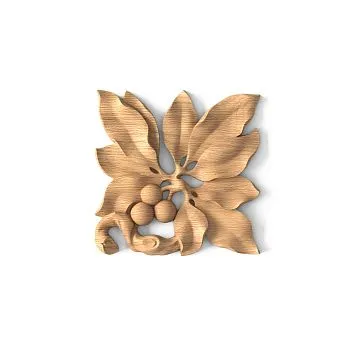
Wood finds wide application in decorative interior finishing. Cornices, moldings, skirting boards, and other elements made of natural wood become expressive accents that highlight the interior style. Thanks to their natural beauty and compatibility with various finishing materials, wooden items impart a unique atmosphere of coziness and exclusivity to a space.
Modern designers actively use processing technologies that allow creating complex ornaments and decorative patterns. This enables not only emphasizing the individuality of a space but also preserving craft traditions, turning each item into a true work of art.
Industrial Applications and Infrastructure
In industry, natural wood is used to create structural supports, decorative panels, and exterior cladding elements of buildings. The use of eco-friendly materials has become an important factor in constructing facilities designed for long-term service. Applying innovative technologies allows improving product characteristics, ensuring their resistance to climatic factors and mechanical loads.
Special attention is given to the development of wood-polymer composites, which have already gained the trust of specialists in infrastructure construction. They enable creating strong, lightweight, and aesthetically pleasing structures capable of withstanding significant loads while exerting minimal impact on the environment.
Processing Technologies and Innovative Methods
Modern Wood Processing Methods
Over the past decades, wood processing technologies have undergone significant changes. The introduction of laser cutting, ultrasonic welding, and automated production lines allows achieving incredible precision and quality in products. Such technologies not only increase production efficiency but also contribute to preserving the natural qualities of the material.
Wood processing using the latest technologies allows creating items with unique characteristics: improved strength, dimensional stability, and aesthetic appeal. This is especially important for those who value quality and longevity, as modernwood materials are used guarantee high performance indicators.
Innovative Coatings and Protective Formulations
One of the key tasks when working with natural wood is protecting the material from external influences. Modern protective coatings, varnishes, and enamels allow significantly extending the service life of products while preserving their aesthetic and functional properties. These coatings not only prevent deformation and decay but also highlight the natural wood texture, making it even more attractive.
Innovative chemical wood treatment technologies allow achieving maximum protection without compromising environmental safety. Using such methods, specialists create products capable of withstanding extreme climatic conditions and mechanical loads, which is especially important in modern construction and design.
Automation and Digital Technologies
In the modern world, automation of production and digitization of processing procedures are becoming key development directions. Using CAD/CAM systems, robotic lines, and software allows optimizing production processes, reducing waste, and achieving maximum precision when creating items. These technologies contribute not only to improving the quality of the final product but also to reducing production costs, making wooden items accessible to a broad range of consumers.
Influence of Wood Materials on Cultural Spaces
Role in Preserving Traditions and Crafts
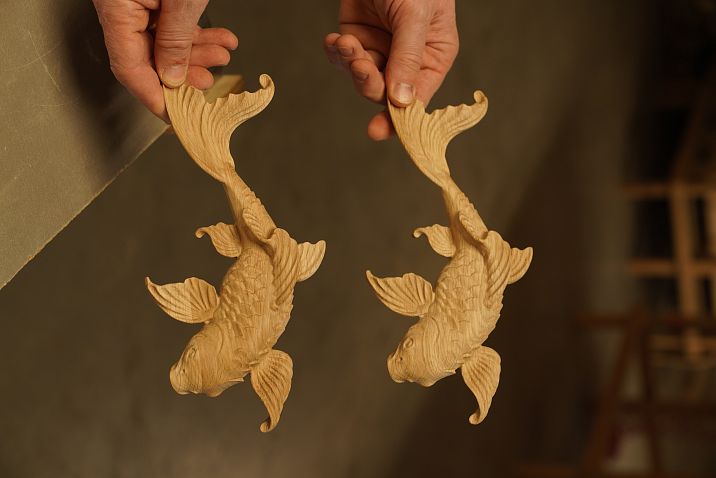
Wood has always been an inseparable part of the cultural heritage of peoples around the world. Craft traditions passed down from generation to generation are reflected in every item made of natural wood. Traditional processing methods and manual labor of artisans allow preserving historical memory and aesthetic value of the material, which is especially important in the era of mass production.
Using natural materials is not merely a choice in favor of functionality, but also a conscious effort to preserve unique traditions that help preserve cultural heritage and enrich contemporary art. This is whywood materials are usedreflecting centuries of experience and craftsmanship of artisans, become an indispensable part of modern cultural projects.
Wood in Contemporary Art and Design
Many contemporary artists and designers turn to natural wood to express their creative ideas and emphasize their connection with nature. Thanks to its versatility and rich textures, wood allows creating artworks that reflect both modern trends and deep ties to traditions. The aesthetic value of the material, its unique properties, and its ability to change under the influence of light and time make it a source of inspiration for creative individuals.
Practical Recommendations for Selecting and Maintaining Wooden Items
Criteria for selecting quality materials
When selecting wooden materials, it is important to consider not only visual qualities but also physical and mechanical properties, as well as ecological standards. The reliability and longevity of products depend on the origin of raw materials, processing methods, and protective coatings applied. Experienced specialists recommend preferring proven manufacturers whose products guarantee high quality. This is howwood materials are usedcan serve for decades when all technological norms are followed.
Care and Regular Maintenance
To preserve the aesthetics and functionality of wooden items made from natural wood, regular maintenance is necessary. It is recommended to perform periodic cleaning, renewal of protective coatings, and timely repairs. Proper care not only extends the service life of the item but also preserves its original properties, ensuring long-term usability under any conditions. Modern wood care products are developed in accordance with ecological requirements, allowing to preserve the naturalness of the material without using aggressive chemicals.
Restoration and Renewal
Over time, even the highest-quality items may require restoration. In such cases, it is important to consult professionals with deep expertise in working with natural wood. Restoration technologies enable returning the material to its original appearance, correcting minor defects, and renewing decorative finishes. This comprehensive approach ensures not only the preservation of aesthetic qualities but also the maintenance of high functional performance of the items.
Prospects for development and the future of natural wood
New technologies and sustainable development
The future of natural wood is directly linked to the development of modern technologies. Automation of production, digitization of processes, and innovative processing methods allow expanding the application areas of wooden materials and improving their quality. Ecological purity, renewability of raw materials, and energy efficiency of wooden products make it a priority choice under global ecological challenges. Applying modern processing methods,wood materials are used not only in traditional industries but also in new directions, contributing to the creation of sustainable and safe objects.
Innovations in design and architecture
Modern architects and designers strive to create unique spaces where traditional elements harmoniously blend with innovative solutions. Natural wood, due to its versatility, allows bringing the most daring ideas to life, creating interiors and exteriors imbued with warmth, aesthetics, and functionality. Innovative projects, wherewood materials are usedalready today set trends in the architectural world, demonstrating that the combination of traditions and new technologies can transform the appearance of modern cities.
Global trends and cultural changes
Today, the world is rapidly changing, and requirements for materials are becoming increasingly stringent. Rising ecological awareness, the pursuit of sustainable development, and respect for traditions are the trends that define the future of the construction industry. Natural wood, with its rich history and unique properties, has become a symbol not only of quality but also of cultural heritage. Its use is not merely a technological solution, but a conscious choice in favor of ecological purity, safety, and aesthetic harmony.
Conclusion: the path to harmony through natural materials
In summary, we can confidently say that in the modern world,wood materials are used not by chance — it is the choice of those who strive for quality, durability, and ecological responsibility. Wood, with its unique texture, natural beauty, and high performance characteristics, continues to occupy a central place in construction, design, and craftsmanship.
Each new processing technology, each innovation introduced into production, allows wooden products to become even more attractive and functional. From traditional methods to modern digital technologies — everything is aimed at preserving the unique properties of natural material and expanding its possibilities across various industries.
We invite everyone who values high quality, ecological purity, and innovation to pay attention to the advantages of wooden materials. Modern solutions, wherewood materials are useddemonstrate that true craftsmanship is possible only through the harmonious combination of traditions and modern technologies.
Thus, natural wood remains a symbol of stability and eternal beauty. It is capable of transforming not only external spaces but also the internal atmosphere of every home, office, or public building. Thanks to innovative technologies and careful attention to traditions, today,
Thus, natural wood remains a symbol of stability and enduring beauty. It can transform not only external spaces but also the internal atmosphere of every home, office, or public building. Thanks to innovative technologies and careful attention to traditions, today wood materials are usedwhich open up boundless opportunities for creativity and construction.
Regardless of whether it is about restoring historical landmarks or creating a modern design project, wood remains a relevant and in-demand material. The combination of ecological safety, unique texture, and high strength makes it indispensable for realizing the boldest ideas in architecture and design.
May the future, based on sustainable and ecologically clean solutions, inspire you to new achievements. Modern technologies, combined with centuries-old traditions of natural wood processing, allow creating not just a structure, but a work of art capable of becoming a legacy for future generations.
We are convinced that a conscious choice in favor of natural materials is a choice in favor of health, beauty, and harmony. May every initiative of yours, every innovation, and every detail crafted from wood become a symbol of quality, reliability, and timeless relevance. For only in this way, with deep respect for nature and traditions, can we preserve and enhance the richness bestowed upon us by the natural beauty of wood.