Article Contents:
- The Philosophy of Hotel Space: More Than Just Furniture
- Balancing Functionality and Aesthetics
- Psychological Aspect of Furniture Layout
- Criteria for Choosing Furniture for Hotels: What to Pay Attention To
- Strength and durability
- Functionality and ergonomics
- Alignment with Hotel Concept and Style
- Ecological Safety
- Zoning of Hotel Space: Features of Furniture Layout in Different Zones
- Lobby and Reception Area: First Impression
- Room Inventory: Comfort and Functionality
- Restaurants and Bars: Atmosphere and Practicality
- Conference Rooms and Business Zones: Business Atmosphere
- Relaxation and Recovery Zones: Relaxation and Recovery
- Modern Trends in Hotel Furniture Design: What's Relevant Today
- Ecological and Natural Materials
- Technological Integration
- Modularity and Transformability
- Individualization and Unique Design
- Minimalism and Functionality
- Practical Recommendations for Organizing Hotel Furniture Installation
- Planning and budgeting
- Working with Designers and Suppliers
- Considering Room Features and Ergonomics
- Testing and Feedback
- Furniture Maintenance and Updates
- Ergonomics and Comfort: A Scientific Approach to Hotel Furniture Design
- Anthropometric data and its application
- Psychological Comfort and Perception of Space
- Inclusive Design: Accessibility for All
- Economic Aspects of Furniture Design: Investments and Return on Investment
- Price-to-Quality Ratio: What You Can and Cannot Save On
- Calculating Return on Investment and Long-Term Investments
- Specialized Areas of Application
- Conclusion: The Art of Creating a Welcoming Space
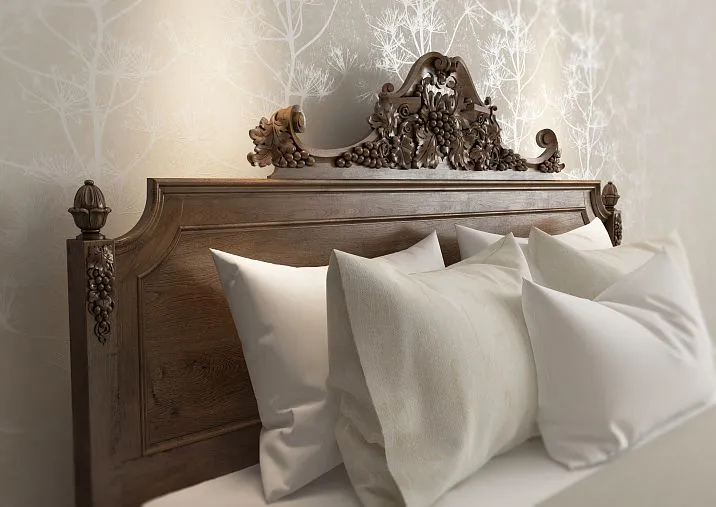
Imagine the moment when a tired traveler opens the door to a hotel room. What does he see? What does he feel? The first impression is formed instantly, and in this lightning-fast assessment of space, the interior — specifically its furniture — plays a key role. It is precisely hotel furniture that becomes the silent yet eloquent ambassador that greets the guest, tells him about the establishment's concept, and promises a certain level of comfort.
Over half a century of work in the field of interior design, I have observed how trends, technologies, and guest expectations have changed. Yet one thing has remained constant: a well-organized hotel space is not merely a set of functional furniture items, but a whole philosophy and art of creating an atmosphere that encourages guests to return again and again.
In this article, I will share with you the secrets of professional hotel furniture design, discuss the nuances of selecting furniture for different hotel zones, and reveal modern trends that will help your establishment stand out among competitors.



Hotel Space Philosophy: More Than Just Furniture
When we talk about hotel furnitureWe are not simply talking about arranging beds, tables, and chairs. We are talking about creating a special environment that must simultaneously solve several tasks: be functional, aesthetically appealing, durable, and match the hotel’s concept.




Balance of functionality and aesthetics
Hotel furniture is primarily a working tool. It must withstand intensive use, be comfortable for guests and staff, be easy to clean and maintain. Yet, it is also a crucial design element that creates a certain mood and atmosphere.
Have you ever wondered why in some hotels you feel at home from the first minute, while in others you experience an inexplicable discomfort? The secret lies in the delicate balance between practicality and beauty, which professionals achieve through careful selection of each interior element.
For example, the bed in the room should not only be comfortable but also visually appealing and match the overall style of the room. The work desk should be functional but not look like office furniture. Each item must fulfill its role in creating a cohesive image.
Our factory also produces:





Psychological Aspect of Furniture Arrangement
Few consider that the arrangement of furniture in a hotel room has a deep psychological undertone. The space must be organized so that the guest intuitively understands how to use it and feels safe and comfortable.
For example, a bed positioned so that the entrance to the room is visible from it creates a sense of security. A chair by the window with good lighting forms a cozy reading zone. A work desk separated from the relaxation zone helps focus on business matters.
All these nuances may seem minor, but it is precisely from them that the overall impression of staying at the hotel is formed. And professional hotel furniture takes into account these psychological aspects during the planning stage.
Get Consultation
Criteria for Choosing Hotel Furniture: What to Pay Attention To
Choosing furniture for a hotel is a responsible process requiring consideration of many factors. Let’s consider the key criteria that will help make the right choice.
Durability and Longevity
Hotel furniture is used much more intensively than household furniture. It must withstand constant use by different people, frequent cleaning with chemical agents, and possible mechanical impacts.
Therefore, when choosing furniture for a hotel, attention should be paid to:
- Quality of materials (strong wood, quality MDF, wear-resistant fabrics)
- Reliability of hardware (hinges, handles, guides must withstand thousands of opening-closing cycles)
- Structural strength (no wobbling elements, secure connections)
- Resistance to moisture and chemicals (especially important for bathrooms and dining areas)
Investments in quality furniture pay off through its long service life and reduced costs for repairs and replacements.
Functionality and ergonomics
Functionality of furniture in a hotel is not just a fashionable term, but a necessary condition for ensuring guest comfort and efficient staff work.
Ergonomic furniture should:
- Match anthropometric data (comfortable height of beds, tables, chairs)
- Ensure ease of use (easily opening drawers, accessible outlets)
- Be multifunctional (sofas-beds, transformable tables)
- Consider the characteristics of the room (compactness for small rooms, modularity for changing spaces)
Remember that guest comfort is not a luxury, but a necessity. An uncomfortable bed or non-ergonomic chair may become the cause of a negative review and loss of a client.
Alignment with the Hotel’s Concept and Style
Furniture should reflect the hotel’s overall concept and style. This applies not only to design, but also to quality, functionality, and materials.
For example, for a boutique hotel in a historic building, furniture in a classic style made of natural materials is suitable. For a modern business hotel — functional furniture with clean lines and built-in technological solutions. For an eco-hotel — furniture made of natural materials with minimal processing.
It is important that all interior elements create a unified ensemble supporting the overall idea and concept of the establishment.
Ecological and safety
Modern trends in the hotel business increasingly lean toward ecological solutions and guest health care. This applies to furniture as well:
- Use of natural materials (wood, stone, glass)
- Absence of toxic substances in finishes and upholstery
- Possibility of material recycling after the end of service life
- Certification according to ecological standards
Ecologicalness is not only a fashionable trend, but also a competitive advantage that more and more customers appreciate, especially in the premium segment.
Zoning of hotel space: characteristics of furnishing different zones
A hotel is a complex organism consisting of various functional zones, each requiring a special approach to furnishing.
Lobby and reception area: first impression
The lobby is the face of the hotel, the place where the guest’s first impression is formed. Here, furniture must not only be functional but also create a certain atmosphere corresponding to the establishment’s concept.
Key elements of lobby furnishing:
- Reception desk (must be convenient for staff and appealing to guests)
- Waiting area (comfortable sofas and chairs, coffee tables)
- Information desks and shelves
- Decorative elements (vases, sculptures, live plants)
Lobby furniture must be especially durable and resistant to heavy use, as this is the most frequented area of the hotel.
Room inventory: comfort and functionality
A room is a temporary home for the guest, and its furnishing must ensure maximum comfort and functionality.
Main elements of room furnishing:
- Bed (main element, the quality of which determines guest satisfaction)
- Nightstands (convenient, with sufficient number of outlets)
- Closet or wardrobe (spacious, with convenient hangers and shelves)
- Desk and chair (ergonomic, with good lighting)
- Chair or sofa for relaxation
- TV stand or mount
- Mini-bar or refrigerator
- Full-length mirror
Depending on the room category and hotel concept, this list may be expanded or modified.
Restaurants and Bars: Atmosphere and Practicality
Restaurant and bar furniture should combine an attractive appearance that creates a certain atmosphere with practicality, enabling efficient service to guests.
Features of restaurant and bar furniture:
- Tables and chairs (comfortable, durable, easy to clean)
- Bar counters and bar stools (ergonomic, considering specific usage)
- Sofas and chairs for lounge areas
- Service tables and carts
- Cabinets and display cases for tableware and alcohol
Restaurant furniture must be especially resistant to contamination and easy to clean, as there is a high risk of liquid spills and food contamination in this area.
Conference rooms and business zones: Business atmosphere
Conference rooms and business zones require a special approach to furnishing, as they must provide comfortable conditions for business events and work.
Key elements of business zone furnishing:
- Conference tables (modular, transformable)
- Ergonomic chairs (with adjustments ensuring comfort during prolonged sitting)
- Benches and podiums for presentations
- Furniture for technical equipment (projectors, screens, audio systems)
- Cabinets and shelves for documents and equipment
Business zone furniture must be not only functional but also create an atmosphere of professional business, meeting the expectations of business clients.
Relaxation and Recovery Zones: Relaxation and Recovery
Relaxation and SPA zones are designed for relaxation and recovery, and the furniture here should support these processes.
Features of relaxation zone furnishing:
- Loungers and recliners (comfortable, with adjustable positioning)
- Massage tables and chaise lounges (ergonomic, considering specific procedures)
- Cabinets and partitions for creating private zones
- Tables for drinks and accessories
- Lockers for storing personal items
Relaxation zone furniture must be especially comfortable, promoting relaxation and creating an atmosphere of calm and tranquility.
Modern hotel furnishing trends: what is relevant today
The hospitality industry is constantly evolving, and hotel furnishing trends are no exception. Let's consider what trends are relevant in 2025.
Eco-friendliness and natural materials
The eco-trend continues to gain momentum. More hotels are opting for furniture made from natural materials: wood, stone, glass, natural fabrics. This is not only a fashion statement, but also a response to guests' growing appreciation for eco-friendliness and care for the environment.
Interestingly, research shows that guests are willing to pay 15-20% more for rooms with natural interior elements. This makes investing in eco-friendly furniture not only ethically correct, but also economically justified.
Technological integration
Modern hotel furniture is increasingly equipped with technological elements:
- Built-in USB ports and wireless charging devices
- Integrated lighting systems with adjustable brightness and color temperature
- "Smart" mirrors with information display and touch control
- Furniture with built-in audio systems
- Beds with electronic position adjustment
Technological integration makes guests' stay more comfortable and meets the expectations of modern travelers, accustomed to a high-tech environment.
Modularity and transformability
In the context of limited space and the desire to optimize space usage, modular and transformable furniture is gaining increasing popularity:
- Sofa-beds for studio rooms
- Transformable tables that can serve as both a work desk and a dining table
- Modular storage systems adaptable to various needs
- Foldable and stackable furniture for conference rooms and banquet halls
Such furniture allows flexible use of space and adaptation to various usage scenarios.
Individualization and unique design
In the era of mass production, individuality and uniqueness are increasingly valued. Hotels strive to stand out among competitors, including through unique furniture:
- Furniture created according to custom projects
- Use of local materials and traditions in design
- Collaborations with renowned designers and brands
- Furniture with handcrafted elements and unique details
Unique furniture becomes part of the hotel's brand, its signature, memorable to guests and distinguishing the establishment from competitors.
Minimalism and Functionality
The minimalist trend continues to remain relevant, especially in urban hotels and business hotels:
- Clean lines and simple forms
- Absence of unnecessary details and decor
- Functionality of each element
- Optimal Space Utilization
Minimalist furniture creates a sense of spaciousness and order, which is especially valued in small rooms of urban hotels.
Practical recommendations for organizing the hotel furniture installation process
Organizing the hotel furniture installation process is a complex project requiring a systematic approach and attention to detail. Let's consider the key stages and recommendations for their implementation.
Planning and budgeting
The first and most important stage is planning. At this stage, it is necessary:
- Define the overall concept and style of the hotel
- List the necessary furniture for each zone
- Determine the budget for furniture
- Create a procurement and installation schedule for furniture
- Define priorities (where savings are possible, and where savings are unacceptable)
Proper planning helps avoid many issues in later stages and optimizes expenses.
Working with designers and suppliers
Professional hotel furniture requires collaboration with experienced designers and reliable suppliers:
- Select a designer with experience in the hospitality industry
- Search for suppliers specializing in hotel furniture
- Evaluate the reputation and portfolio of potential partners
- Coordinate all details (materials, colors, sizes, deadlines)
- Sign clear contracts specifying all conditions and warranties
Working with professionals may cost more, but in the long run, it pays off due to the quality of results and minimized risks.
Consider room characteristics and ergonomics
When planning furniture, it is necessary to consider the characteristics of the rooms:
- Room sizes and proportions
- Window, door, and utility placement
- Lighting characteristics (natural and artificial)
- Ergonomic requirements (ease of movement, accessibility of all zones)
- Safety requirements (fire codes, evacuation routes)
Proper consideration of these factors allows creating not only an aesthetically pleasing, but also a functional space.
Testing and feedback
Before large-scale furniture procurement, it is recommended to conduct testing:
- Order samples of key furniture items
- Assess their quality, comfort, and alignment with the concept
- Collect feedback from staff and test guests
- Make necessary adjustments to procurement plans
Testing helps avoid costly mistakes and ensures the correct choice.
Furniture maintenance and updates
Furniture is not a one-time project, but an ongoing process:
- Development of a regular furniture maintenance schedule
- Training staff on proper furniture care
- Planning periodic updates of interior elements
- Monitoring furniture condition and prompt replacement of damaged elements
Proper maintenance extends the lifespan of furniture and preserves the attractive appearance of the interior.
Ergonomics and comfort: a scientific approach to hotel furniture design
Modern hotel furniture Increasing reliance on ergonomic and spatial psychology research.
Anthropometric data and its application
Ergonomic furniture must correspond to anthropometric data of the human body:
- Bed height should ensure ease of getting in and out of bed
- Chair seat depth should correspond to the average human thigh length
- Desk height should ensure proper hand positioning during work
- Distance between furniture items should allow free movement
Considering anthropometric data allows creating a truly comfortable environment where guests feel physically at ease.
Psychological comfort and perception of space
In addition to physical comfort, psychological comfort is also important:
- Furniture arrangement should create a sense of security and privacy
- Color schemes should promote relaxation or activity (depending on the room's purpose)
- Lighting should be sufficient but not irritating
- Acoustic properties of furniture and finishes should provide a comfortable noise level
Psychological comfort is no less important than physical comfort, and professional furniture design takes both aspects into account.
Inclusive design: accessibility for all
Modern hospitality standards require consideration of the needs of all guest categories, including people with disabilities:
- Adequate width of pathways for wheelchairs
- Adjustable-height furniture
- Convenient handrails and supports
- Accessible control elements (switches, handles, buttons)
Inclusive design is not only a social responsibility but also a competitive advantage, expanding the potential guest audience.
Economic aspects of furniture design: investments and return on investment
Hotel furniture design is a significant investment, and it is important to understand its economic justification.
Price-to-quality ratio: what you can and cannot save on
When planning the budget for furnishing, it is important to set priorities correctly:
- Do not save on key comfort elements (beds, mattresses, chairs)
- You can optimize spending on decorative elements
- It is better to choose fewer but higher-quality pieces of furniture rather than more cheap ones
- It is worth investing in furniture with a long service life, even if it is more expensive
Correctly setting priorities allows optimizing expenses without compromising quality.
Return on investment and long-term investments
Investments in quality furniture should be considered in the long term:
- Cost of ownership calculation (including maintenance and repairs)
- Assessing the impact of furniture quality on guest satisfaction and hotel ratings
- Analysis of competitive advantages provided by quality furnishing
- Calculating potential savings on replacement and repair in the long term
Quality furniture may cost more initially, but can prove more cost-effective in the long run.
Cost optimization without compromising quality
There are ways to optimize furnishing costs without reducing quality:
- Choosing standardized solutions instead of fully custom ones
- Purchasing in bulk to obtain discounts
- Working directly with manufacturers, bypassing intermediaries
- Choosing furniture that requires minimal maintenance
- Investing in staff training for proper furniture care
Proper optimization allows reducing expenses without compromising quality and comfort.
Conclusion: the art of creating a welcoming space
hotel furniture It is a complex art requiring knowledge, experience, and attention to detail. It is not merely arranging furniture, but creating an environment that shapes the guest’s impression of their stay at the hotel.
A professional approach to furnishing takes into account many factors: from functionality and ergonomics to psychological comfort and economic efficiency. It requires a balance between aesthetics and practicality, between innovations and proven solutions.
In today’s world, where competition in the hotel industry is becoming increasingly fierce, quality furnishing can become the factor that sets your hotel apart from competitors and encourages guests to return again and again.
Remember that furniture in a hotel is not just interior decor, but essential tools for creating a welcoming atmosphere. The success of your business depends on how professionally you approach their selection and arrangement.
Invest in quality furnishing, consider current trends, but do not forget the basic principles of comfort and functionality. Then your hotel will become a place where guests feel at home—or even better.