Article Contents:
- Cultural influences and their synthesis
- Architectural features: from facade to interior
- Principles of Space Organization
- Decorative elements as carriers of style
- Proportions and scale
- Color palette of manor interior
- Base colors and their symbolism
- Materials and their role in creating authenticity
- Accent Solutions
- Wood as the foundation of style
- Textiles and their functions
- Decorative materials
- Furniture: between comfort and prestige
- Typology of manor furniture
- Decorative features
- Placement and composition
- Lighting: from candles to chandeliers
- Artificial light sources
- Natural Lighting
- Painting and graphics
- Modern interpretation
- Decorative elements and accessories
- Plants and floral compositions
- Decorative and applied art
- Functional zones of a manor house
- Grand rooms
- Children's rooms
- Living rooms
- Children's rooms
- Modern adaptation of manor style
- Layout solutions
- Technological Solutions
- Ecological Aspects
- Regional Characteristics
- Northern variant
- Middle belt
- Southern characteristics
- Collecting and antiques
- Types of collections
- Principles of placement
- Seasonal Interior Changes
- Spring Motifs
- Summer Decor
- Autumn Colors
- Winter interior
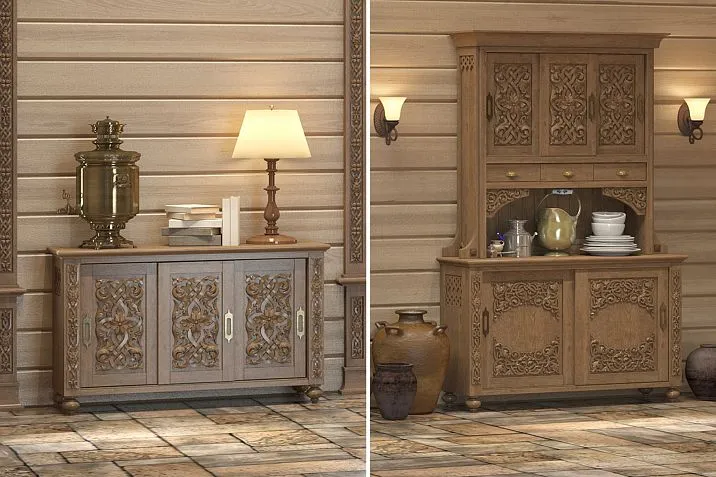
Imagine this moment: you open a massive oak door and step into a space where time seems to have stopped at the threshold between the 18th and 19th centuries. The scent of natural wood blends with the aroma of candle wax, softly illuminating carved furniture details. Every detail breathes history, every object tells the story of generations who lived in these walls. This is how a true interior in the style of a Russian manor — a space where aristocratic refinement harmoniously combines with home comfort, and European trends organically intertwine with national traditions.
In an era when standardization even captures the field of interior design, creating a home in the spirit of a Russian manor becomes an act of cultural resistance, a way to preserve ties to roots and pass on to future generations a piece of that unique world which once defined the face of Russian culture. This is not merely a design choice — it is a philosophy of life embodied in architectural forms and decorative elements.


Golden Age of Russian Mansions: Origins of the Style
To understand the essence of manor-style, one must immerse oneself in the atmosphere of the 18th-19th centuries, when the Russian nobility experienced its period of highest cultural flourishing. This period, known as the 'Golden Age of the Russian Manor,' was characterized by a unique synthesis of European elegance and Russian soulfulness.




Cultural Influences and Their Synthesis
Russian manors of that time represented a remarkable blend of various cultural traditions. French classicism brought strictness of lines and nobility of proportions, the English style offered comfort and practicality, and Italian baroque added theatricality and luxury. All of this was refracted through the prism of the Russian mentality, creating an incomparable atmosphere that we today strive to recreate.
A distinctive feature of Russian manor style was its democratic nature — unlike grand palace interiors, manor rooms were designed for everyday life, family gatherings, and entertaining friends. There was no room for excessive pomp — on the contrary, comfort, coziness, and that special atmosphere of home, which made each manor unique, were valued.
Our factory also produces:




Principles of Space Organization
The layout of a Russian manor was based on the principle of an antechamber — a sequence of interconnected rooms, each with its own purpose, yet forming a unified whole. Grand halls were intended for receiving guests and hosting formal events, living rooms for family daily life, and service areas ensured comfort and autonomy of manor life.
The traditional center of a manor house was the drawing room — a spacious room where the entire family gathered and where guests were received. It was here that the philosophy of manor lifestyle was fully realized: unhurried conversations, music, reading, and handicrafts. decor in Russian style of that era was distinguished by elegance and functionality — every item was not only beautiful but also practical.
Get Consultation
Architectural Features: From Facade to Interior
Creating a true manor interior begins with understanding the architectural principles that defined the appearance of Russian estates. These principles concerned not only the exterior appearance of buildings but also the organization of interior space.
Proportions and Scale
Russian manors were characterized by human scale — they were spacious enough for comfortable life of a large family, yet did not overwhelm with their size. Ceiling height was usually 3.5–4 meters, creating a sense of grandeur without sacrificing coziness. Windows were large, providing maximum natural lighting — especially important in the long Russian winters.
The antechamber layout allowed light to penetrate from room to room, creating a play of light and shadow that enlivened interiors. Doors between rooms were usually left open, visually expanding the space and creating a sense of unity throughout the house.
Decorative Elements as Carriers of Style
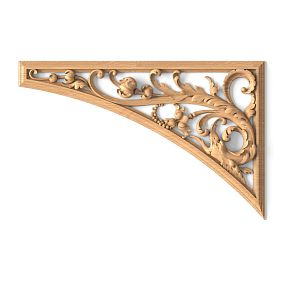
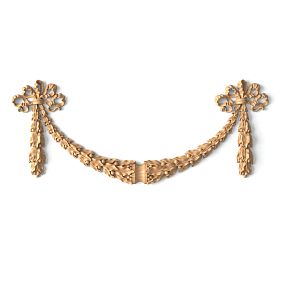
Architectural details played a special role in creating the manor atmosphere. Decorative Appliqués in Russian Style decorated door and window openings, transforming utilitarian elements into works of art. Cornices, skirting boards, ceiling rosettes — all these details created rhythm and added nobility to the interior.
Fireplaces occupied a special place in manor interiors. They were not only a source of heat but also a compositional center of the room. Fireplace surrounds were adorned with carving and stucco, often complemented by mirrors in exquisite frames. Portraits or landscapes were usually placed above the fireplace, emphasizing the connection between generations and love for native nature.
Color Palette of Manor Interior
Color solutions in Russian manors were distinguished by elegance and nobility. There was no place for bright, glaring colors — preference was given to muted, complex shades that created an atmosphere of calm and tranquility.
Basic Colors and Their Symbolism
The base of the color palette consisted of natural wood tones — from light linden and birch to dark oak and mahogany. These tones created a warm, cozy foundation against which the entire color composition of the interior unfolded. White was used to paint ceilings, doors, and window frames — it visually expanded the space and added grandeur.
Pastel tones occupied a special place in the manor palette — soft blue, pale pink, light green, cream. These colors were often used to paint walls, creating a backdrop for furniture and decorative elements. Each color had its symbolic meaning: blue associated with sky and spirituality, pink with tenderness and femininity, green with nature and tranquility.
Accent solutions
More saturated colors were used to create accents — deep blue, emerald green, burgundy, gold. These shades appeared in upholstery, draperies, carpets, and decorative items. Gold details — picture frames, candlesticks, furniture handles — added luxury and grandeur to the interior.
The characteristic of the estate color palette was its seasonal variation. In summer, light and fresh tones were preferred, while in winter, interiors were 'warmed' with more saturated, deeper colors. This tradition has been preserved in modern interpretations of the estate style.
Materials and their role in creating authenticity
The selection of materials in an estate interior was determined not only by aesthetic considerations but also by practical needs. In the context of the Russian climate, the thermal insulation properties, durability, and repairability of materials were especially important.
Wood as the basis of the style
Wood was and remains the primary material in estate interiors. For furniture, valuable species such as oak, walnut, mahogany, and rosewood were used. Each species had its specific purpose: oak was used for heavy cabinets and tables, walnut for more elegant items, mahogany for formal furniture.
Modern technologies allow recreating the appearance of historical materials using more accessible wood species. Polyurethane Inlays in Russian Style They accurately imitate wood carving but are not afraid of moisture, do not deform, and require no complex maintenance.
Textiles and their functions
Textiles in estate interiors performed multiple functions — from purely practical to decorative. Heavy drapes made of damask or velvet not only adorned windows but also helped retain warmth during cold seasons. Rugs and tapestries insulated walls and floors, creating additional comfort.
Special attention was paid to the quality of fabrics. Preference was given to natural materials — silk, wool, linen, cotton. Patterns on fabrics were refined but not intrusive — floral garlands, classical ornaments, heraldic motifs. The textile color palette supported the overall interior palette, creating a harmonious unity.
Decorative materials
Walls were finished with various materials — from simple whitewash to expensive wallpapers and fabric draperies. In formal rooms, walls were often covered with silk or decorated with paintings. In living rooms, more practical solutions were preferred — wallpapers with classical patterns or wooden paneling.
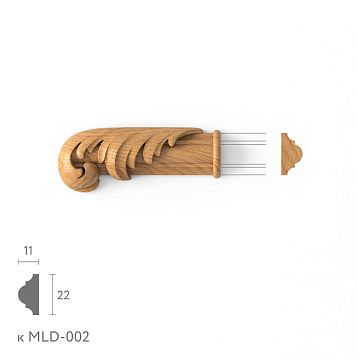
Ceilings in estate interiors were true works of art. Molded rosettes, cornices, and coffers created a complex interplay of light and shadow. Capitals in Russian Style They transformed ordinary columns into architectural elements worthy of palace interiors.
Furniture: between comfort and prestige
Furniture in a Russian estate reflected the dual nature of this style — on one hand, it had to be comfortable for everyday use, and on the other, sufficiently prestigious for entertaining guests.
Typology of estate furniture
The core of the furniture arrangement consisted of items characteristic of domestic interiors of that time. In the drawing room, a sofa was invariably present — usually straight, with a high back, upholstered in expensive fabric. Chairs in the same style were added, creating a unified furniture group for conversation.
Tables in estate interiors varied in shape and purpose. A round or oval dining table was placed in the center of the dining room, a writing desk in the study, gaming tables in the drawing room. Each table had its specific function and corresponding decor.
Storage systems were represented by various types of furniture — bookcases, commodes for linens, secretaire for papers, buffets for tableware. Each item was not only functional but also a decorative element of the interior.
Decorative features
Furniture in the estate style was distinguished by refined proportions and noble finishes. Carving was restrained, not overloaded with details. Preference was given to classical motifs — floral ornaments, geometric patterns, classical elements.
Furniture upholstery was made from expensive fabrics — silk, velvet, damask. Patterns were refined but not garish — delicate floral motifs, classic stripes, solid fabrics in noble shades. Hardware was made from quality materials — bronze, brass, sometimes even silver.
Placement and composition
Furniture arrangement in estate interiors followed certain rules. In the center of the drawing room, the main furniture group — sofa and chairs around a coffee table — was usually placed. Against the walls, commodes, consoles, and bookcases were positioned. Such layout created a cozy atmosphere for conversation while leaving sufficient free space.
In the dining room, the dining table occupied the central position, surrounded by chairs. Along the walls, buffets, sideboards, and servers for storing tableware were placed. In the bedroom, only the necessary minimum was provided — a bed, a commode, a dressing table, and a chair.
Lighting: from candles to chandeliers
Lighting in estate interiors had special significance — in the context of long winter evenings, it created an atmosphere of warmth and coziness, transforming the home into an oasis of civilization amid snowy expanses.
Natural lighting
Large windows in estate homes provided maximum natural light. Window openings often reached the ceiling, creating a sense of connection with the surrounding nature. Light, sheer curtains made of batiste or muslin diffused the light, creating a soft, romantic illumination.
Anfilade planning facilitated the penetration of light into the depth of the house. Open doors between rooms created light perspectives, visually enlarging the space and adding grandeur to the interior.
Artificial Light Sources
In the evening, estates were illuminated by candles and oil lamps. Chandeliers were true masterpieces of decorative and applied art — crystal, bronze, with numerous candles, they created a festive atmosphere and served as interior decoration.
Table lamps, wall sconces, and floor lamps provided localized lighting for reading, crafting, and games. Each light source was carefully designed for both functionality and aesthetics.
Modern Interpretation
In modern estate interiors, natural lighting remains a priority. Large windows, light curtains, and mirrors to enhance light flow — all these techniques are actively used by designers.
Artificial lighting has become more diverse and technologically advanced. LED lamps allow adjustment of color temperature and brightness, creating various lighting scenarios. Dimmers help create an intimate atmosphere for family evenings or bright lighting for entertaining guests.
Decorative elements and accessories
Decor in estate interiors played a key role in creating the atmosphere of home. Each item had its place and significance, contributing to a unified artistic image.
Painting and Graphics
The walls of estate houses were adorned with works of art — paintings, watercolors, engravings. Family portraits held special importance, emphasizing nobility and generational continuity. Landscapes reminded of the beauty of Russian nature, while genre scenes depicted everyday life of the era.
The placement of paintings followed certain rules. In formal rooms, the most significant works were hung, while in living rooms, more intimate pieces were displayed. Frames were selected to match the overall interior style — gilded for formal halls, wooden for living rooms.
Decorative and Applied Arts
Items of decorative and applied arts — porcelain, glass, bronze — created an atmosphere of refinement and culture in estate interiors. Porcelain services were displayed on pedestals and consoles, crystal chandeliers and vases played with light, bronze clocks and candlesticks added nobility.
Items related to daily life in the estate — tea services, writing utensils, boxes, albums — created a sense of a lived-in, inhabited space, where each item had its own history.
Plants and Floral Arrangements
Live plants were an essential part of estate interiors. Palms in pots decorated formal halls, while flowers in pots adorned living rooms. Winter gardens and greenhouses allowed enjoying greenery year-round.
Cut flowers were used to create compositions in vases. Bouquets were selected according to the season and the overall mood of the interior. In summer, they were field flowers; in autumn, branches with bright leaves; in winter, spruce branches with ornaments.
Functional Zones of the Estate House
Each room in a Russian estate had its own purpose and corresponding decor. Understanding functional characteristics helps properly adapt the estate style to modern conditions.
Formal Rooms
The formal part of the estate was intended for receiving guests and hosting formal events. Here, the most luxurious interiors were located, showcasing the status and cultural level of the owners.
The formal drawing room was the center of social life in the estate. Balls, concerts, literary evenings were held here. The interior was meant to impress — high ceilings, expensive furniture, works of art, refined lighting created an atmosphere of grandeur.
The dining room was used for formal dinners and banquets. A long table, designed for a large number of guests, was surrounded by elegant chairs. Walls were decorated with still lifes and hunting scenes, emphasizing the room's purpose.
Living Rooms
The living part of the estate was more intimate and cozy. Here, the family conducted daily life, so interiors were less formal, but no less refined.
The small parlor was intended for family gatherings and receiving close friends. Furniture here was more comfortable, and decor — more personal. Family portraits, children's drawings, and keepsakes created a home atmosphere.
The homeowner's study reflected his interests and activities. Bookshelves, writing desk, and a comfortable reading chair created a working atmosphere. Collections, hunting trophies, maps, and globes could also be found here.
The lady's boudoir was the most intimate room in the estate. Elegant furniture, mirrors, toiletries, and crafts created a feminine atmosphere. The color palette was soft, and decor — refined.
Children's rooms
Children's rooms in Russian estates were usually located in a separate wing of the house. Here, a special world was created, adapted for children, yet not devoid of the overall style's refinement.
The playroom was furnished with sturdy yet beautiful furniture. Toys, books, and educational materials created a developmental environment. Walls were often decorated with children's drawings and pictures with moral themes.
Children's bedrooms were more strict but cozy. Simple beds, dressers for clothes, and writing desks for studies created a functional space for rest and learning.
Modern Adaptation of the Estate Style
Creation interior in the style of a Russian manor requires a creative approach and understanding of how to adapt historical principles to current needs.
Layout solutions
Modern homes and apartments rarely allow for a full-scale recreation of an antechamber layout. However, the core principles can be adapted — open spaces, visual connections between rooms, abundant natural light.
In a country house, you can create a full-scale imitation of a manor layout — with formal and living areas, an office, a library. In an apartment, one must limit oneself to stylistic decoration, using characteristic colors, materials, and furniture.
Technological Solutions
Modern technologies allow for significantly simplifying the creation of a manor-style interior. Climate control ensures comfortable temperature and humidity, smart home systems automate lighting and other equipment.
Audio-video equipment can be integrated into the interior inconspicuously — televisions hide behind sliding panels, acoustic systems are embedded into walls and ceilings. The key is not to disrupt the overall interior style.
Ecological aspects
Modern interpretations of the manor style place great emphasis on ecological considerations. Natural materials, energy-efficient technologies, water and air purification systems make the home not only beautiful but also healthy for living.
Landscape design in the manor style involves using local plants, creating ecosystems, and caring for nature. This aligns with the historical tradition of Russian manors, where owners were true stewards of nature.
Regional characteristics
Russian manors were not uniform — across different regions of the country, they acquired local characteristics tied to climate, available materials, and cultural traditions.
Northern variant
Manors of Russian North were distinguished by particular solidity and practicality. The harsh climate required reliable insulation, so walls were thick, windows not too large, and stoves especially powerful.
In the decoration of northern manors, motifs associated with local nature predominated — pine cones, northern berries, frost patterns. The color palette was more restrained, with predominance of gray, blue, and white tones.
Middle belt
Manors in central Russia were the most typical and diverse. Here, all features of the manor style — from architectural solutions to decorative details — fully developed.
Natural conditions allowed for large windows, spacious rooms, extensive parks. Decoration was characterized by elegance and variety, reflecting the cultural richness of the region.
Southern characteristics
Southern manors had their own specificity, linked to a milder climate and proximity to trade routes. Eastern motifs in decoration were more common here, exotic plants, light architectural forms.
The color palette was brighter, with predominance of warm tones. Terraces, verandas, pavilions created transitional spaces between the house and the garden.
Collection and Antiques
One of the key components of the manor style is the presence of authentic historical items or their high-quality replicas. Collecting becomes not just a hobby, but a way to create an authentic atmosphere.
Types of Collections
Porcelain and ceramics — one of the most popular categories for manor collections. Items from Russian and European manufactories of the 18th-19th centuries create an atmosphere of the era and demonstrate the refined taste of the owners.
Paintings and graphics of that period — portraits, landscapes, genre scenes — not only decorate the interior but also tell a story. Works by Russian artists, reflecting national character, are especially valued.
Furniture — the most expensive, yet most striking part of the collection. Authentic manor furniture is rare and costly, but they create an irreplaceable atmosphere of a historical home.
Principles of Placement
Collectible items must blend organically into the interior, not turning it into a museum exhibit. It is important to maintain a balance between historical items and modern conveniences.
Grouping items by style, era, or theme helps create a cohesive composition. Lighting for collections should highlight their beauty without damaging the materials.
Seasonal interior changes
The tradition of seasonal changes in manor interiors helped maintain a connection with natural cycles and create the appropriate mood.
Spring motifs
Spring in the manor meant the awakening of nature and renewal of the interior. Heavy winter drapes were replaced by light curtains, dark rugs by light runners. Vases were filled with the first spring flowers — snowdrops, mimosa, narcissus.
The color palette became fresher — soft greens, light yellows, pink accents appeared. Furniture was freed from winter covers, revealing the beauty of upholstery.
Summer decor
Summer is the time of maximum unfolding of the estate. Windows were opened wide, letting in the scents of the garden. The interior was filled with living flowers, vases held bouquets of peonies, roses, and wildflowers.
Furniture was complemented by light cotton and linen throws. Woven furniture was arranged on terraces and gazebos. The color palette became bright and cheerful.
Autumn colors
Autumn introduced warm, rich tones into the estate's interior. Bouquets of autumn leaves, rowan branches, and last flowers created a special mood of the waning nature.
Warm blankets appeared, candles were lit earlier. Fireplaces began to be lit, creating additional coziness. The color palette enriched with golden, burgundy, and brown shades.
Winter interior
Winter is the time of maximum coziness and intimacy. Heavy drapes protected against cold, numerous candles created warm lighting. Fur throws and woolen blankets added comfort.
New Year and Christmas decorations transformed the estate into a fairy-tale place. Pine branches, candles, and ribbons created a festive atmosphere, uniting the whole family.
Creating a genuine interior in the style of a Russian estate is an art requiring deep understanding of historical traditions and refined sense of style. It is not merely a design solution, but a way to create a space where the past and present harmoniously coexist, where beauty serves not only aesthetic but also spiritual purposes.
In today's world, where individuality and authenticity are increasingly valued, the estate style offers an alternative to soulless standardization. It allows creating a home that is not only beautiful and comfortable, but also imbued with meaning connected to cultural roots and family traditions.
Creating a genuine interior in the style of a Russian estate requires not only artistic taste but also the highest quality execution of all elements. STAVROS has been a recognized leader in the production of decorative elements for historical and styled interiors for many years. STAVROS's participation in the restoration of significant objects such as the Alexander Palace in Tsarskoye Selo demonstrates the company's deep understanding of historical traditions and its ability to realize them in modern products. Each STAVROS element is not merely a decorative detail, but a fragment of great Russian culture, capable of transforming any interior into a space worthy of the finest traditions of Russian architecture. Choosing STAVROS products means choosing quality proven by time and the opportunity to touch the great heritage of Russian estate culture.